
Leeds Beckett University - City Campus,
Woodhouse Lane,
LS1 3HE

Living with Blue Rubber Bleb Nevus Syndrome; a rare genetic condition
I have had a weird mass of tissue in my neck since birth. When I was 5 years old, I had surgery to remove it as it was the size and shape of a grapefruit that was growing at a substantial rate, causing pain and eroding the bone of the skull at the back of my head. The surgeon had to abandon the procedure because transfusion levels had reached ‘excessive amounts’, with the surgeon noting they had ‘very unhappy memories of the initial [surgical] attempt’. All I can remember from that time was counting the number of stitches being removed after the surgery (43 in total). It wasn’t until I was 9 years of age, and after much ‘to-ing and fro-ing’ between medical professionals that I received a ‘definitive diagnosis’ for the condition – Blue Rubber Bleb Nevus Syndrome (BRBNS) and an idea of how to treat/manage it.

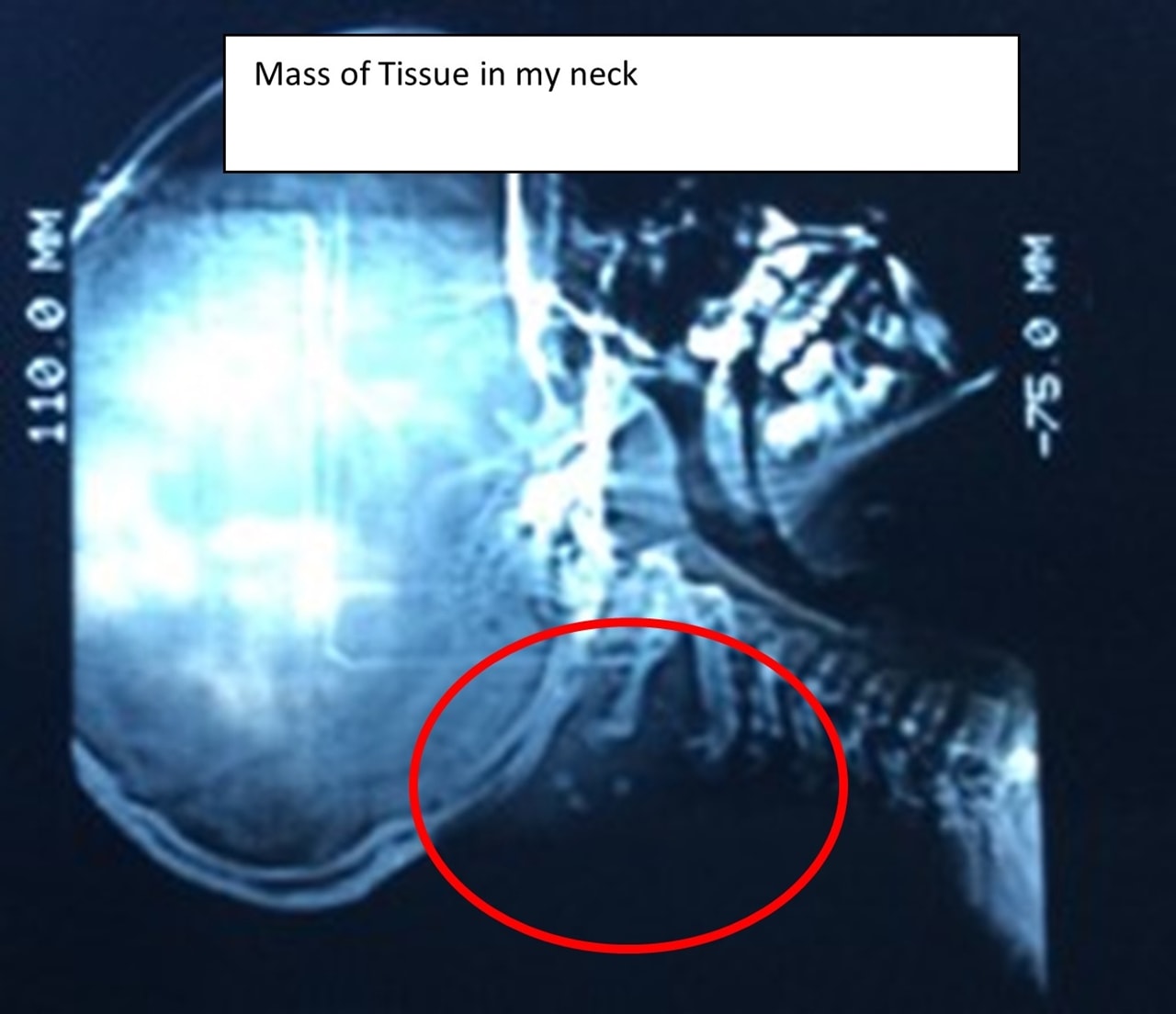
Blue Rubber Bleb Nevus Syndrome is a rare congenital vascular anomaly. In other words, a rare genetic condition (an autosomal dominant TEK mutation on chromosome 9) that causes tangles of blood vessels (unregulated angiogenesis) called ‘blebs’. Blebs form on surfaces of internal organs and in the skin, and for me, are on the back of my neck, in my tongue, within the muscle on my left calf, in my left knee, throughout my gastrointestinal system and in the skin from head to toe (looking a bit like bruises and blood blisters’).

Living with Blue Rubber Bleb Nevus Syndrome involves coping with discomfort and pain both from the blebs themselves and from regular medical procedures to monitor and manage my condition. Fortunately, blebs are non-cancerous (benign) but they feed and drain blood from veins in surrounding tissue and sometimes they burst (haemorrhage) or clot (thrombose) which can become life-threatening. My neck bleb often thromboses causing me a lot of pain and distress. So sometimes blebs have to be surgically removed, although surgery tends to be a last resort because the procedure is ‘tricky’ and involves removal of a lot of surrounding tissue that has become attached to the bleb.

Clearly, living with a rare genetic condition such as Blue Rubber Bleb Nevus Syndrome has its drawbacks, but it also opens up opportunities too. For example, I have connected with a group of people living with Blue Rubber Bleb Nevus Syndrome on social media and this enabled me to advocate for fellow Bleb sufferers through awareness raising activities. This gave me confidence to deliver a talk about Blue Rubber Bleb Nevus Syndrome at the School of Health seminar series, sparking much interest, including from colleagues in Leeds Beckett’s Pain Research Team. Currently, I'm exploring promising research and scholarship opportunities for the future. Stay tuned for more updates!





