

Contact us
Email us with any questions you might have.

Leeds Beckett University - City Campus,
Woodhouse Lane,
LS1 3HE
Trekking and mountaineering at altitude puts the body under significant strain, with the reduced oxygen availability decreasing exercise capacity, as well as increasing the risk of developing altitude-related illnesses. Our Health and Performance hub have two world-class environmental chambers capable of simulating altitudes over 8,000m, easily accessible to the public, helping you prepare long before you step onto the mountain.
Try our 3-hour Altitude Experience - book via FREE online consultation!
Before committing to a full acclimatisation package, you can experience altitude in a safe, controlled setting. This is an ideal package to experience moderate altitude and evaluate your response, especially if you have not travelled to altitude before, or are considering a trek or mountaineering trip to altitude in the future:
We offer structured altitude exposure programmes to kick start your acclimatisation and simulate the demands of your ascent. Bespoke options are available.
Pre-acclimatisation packages:
We also provide hire of the Cloud 9 altitude generator system, allowing individuals to complete hypoxic exercise sessions at home.
For more details on each package, see 'booking options'.
A well-devised programme of acclimatisation will allow the body to adapt to the reduced oxygen availability and optimise physical performance. This will also reduce the risk of developing altitude-related illnesses such as Acute Mountain Sickness (AMS), High-Altitude Cerebral Edema (HACE), or High-Altitude Pulmonary Edema (HAPE) which, if they develop, will affect the success of your expedition.
Our packages have proved very successful, with clients achieving significant treks and ascents at high-altitude. They have been created by our physiology and medical team, who, between them have supported expeditions to the greater ranges including climbing expeditions to Mount Everest and have personal experience of mountaineering at altitudes over 6,000m. The Carnegie School of Sport has a history of altitude and hypoxia research, regularly publishing research on acclimatisation mechanisms and strategies, and the effects of hypoxia on carbohydrate metabolism.
Regular exposure to a hypoxic environment is necessary to stimulate the body to adapt. To achieve higher levels of adaptation, a greater number of exposures and manipulation of exercise mode and intensity are required. Our approach involves utilising our state-of-the-art environmental chambers for between two to five hours per visit, over consecutive days or interspersed over several weeks. Throughout, each session we take regular measurements of your oxygen saturation, heart rate, and perception of effort.
The altitude, exercise mode and intensity are usually bespoke and is dependent on your event's demands and the number of people it is for.
We offer an initial 1-hour walkthrough of the system, training mask set up, safety considerations, and personalised programme guidance. Price £70. Included free with all 3-month rentals.
An initial hypoxic response test (HRT) is recommended to better understand your physiological responses (arterial oxygen and muscle oxygen saturation, cardio-respiratory and perceptual responses) under hypoxia (3000-6000m). This includes a treadmill-based protocol at a fixed-speed, with increasing gradient every 3-minutes until exhaustion. Pre/ Post HRTs are costed at £520, or Pre/Mid/Post at £725.
Hypoxic training sessions, supervised by a qualified physiologist, can be booked in our environmental chamber at £115/session. This includes 1-hour training sessions at (3000-5000 m), involving treadmill walking/running at set intensities based off the HRT.
This package is the minimum recommended for treks and climbs such as Kilimanjaro, Mont Blanc, Everest Base Camp, and other high-altitude treks and climbs:
This package is recommended for individuals who are short of time and require a more concentrated acclimatisation schedule, and who are targeting destinations of higher altitude (e.g. 6,000m+) or want to reduce their in-country acclimatisation time (e.g. arriving at a higher elevation or ascending more quickly).
This package is recommended for individuals who are targeting higher altitude destinations (e.g. 6,000m+), and who want to spread the hypoxia exposures over a longer period to suit other commitments. This package can also be tailored to suit individual needs and expedition requirements.
Add an optional health assessment, with cardiac and blood screening, as a proactive way to support your wellbeing and altitude readiness.
Exercising at higher altitudes puts additional stress on the heart due to the limited oxygen availability. For your safety, either during the acclimatisation sessions, or for your expedition, especially those above 4,000m, we recommend:
This preventative screening is recommended for anyone going to altitude to assess their suitability for exercise at high-altitude. This can be arranged with our team prior to the acclimatisation programme commencing. The completion of a Waiver Form is required if you do not wish to proceed with athlete pre-participation cardiac screening and sickle cell trait assessments prior to your programme.
Cloud 9 Altitude Generator Rental Packages
Group Booking Discounts Available!
Take advantage of exclusive discounts when you book as a group. Enjoy savings while creating unforgettable experiences together! Contact us for more details.
To optimise your preparation, we also offer (with discounts for package clients):
Book a FREE online consultation with our physiologists to discuss your requirements and begin to plan your programme of acclimatisation.
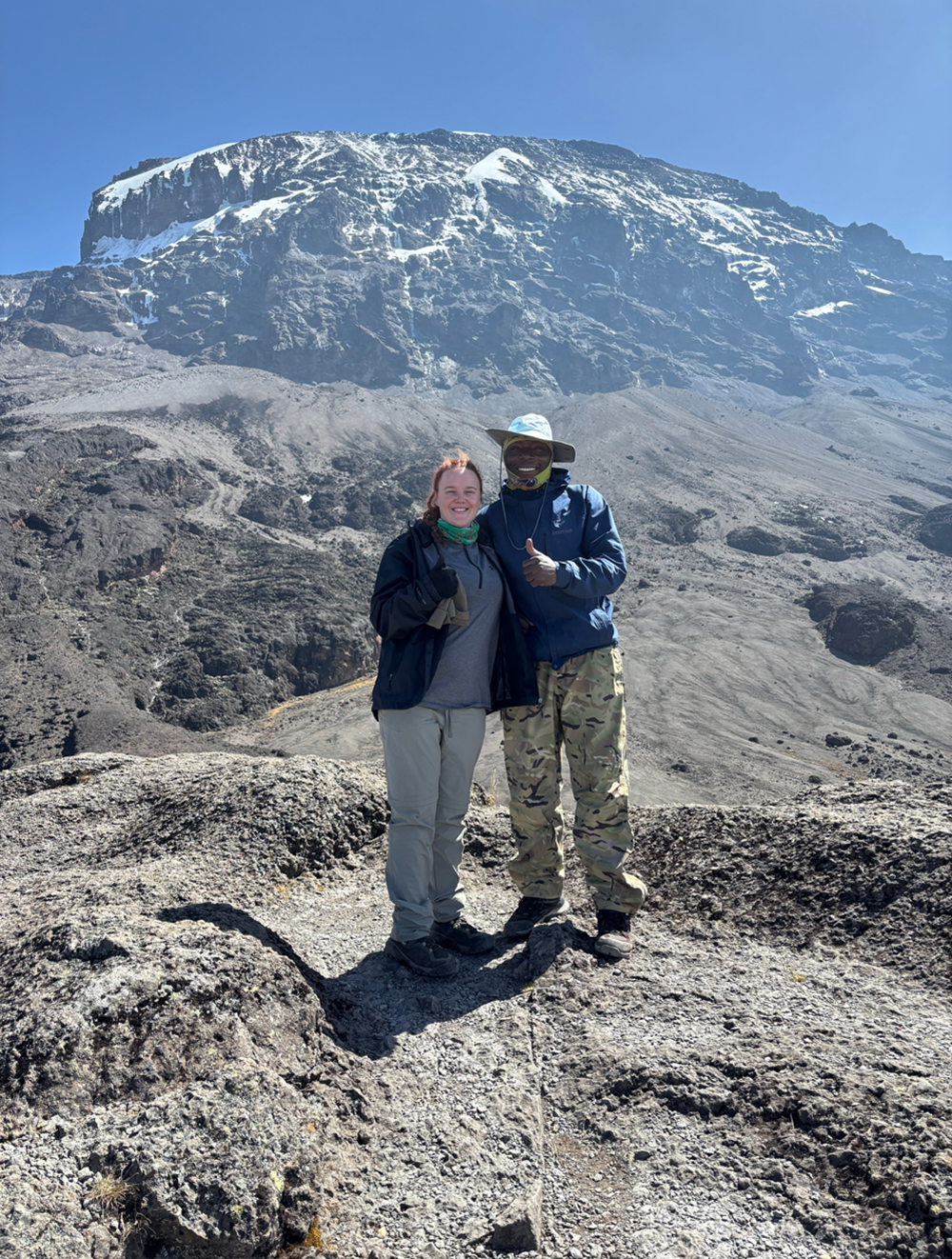
I honestly think that spending time in the altitude chamber was a great help, I think it prepared me well, all my arterial oxygen saturation readings were in very late 80's to mid-90's, luckily, I had no adverse effects to the altitude at all, except, as you (Dr Dan Snape) mentioned, you lose your appetite, but more importantly I want to thank you for the little nuggets of information you gave me on what I could find when I was up there, right down to controlling my breathing, it sounds logical, but I found things like that certainly helped.
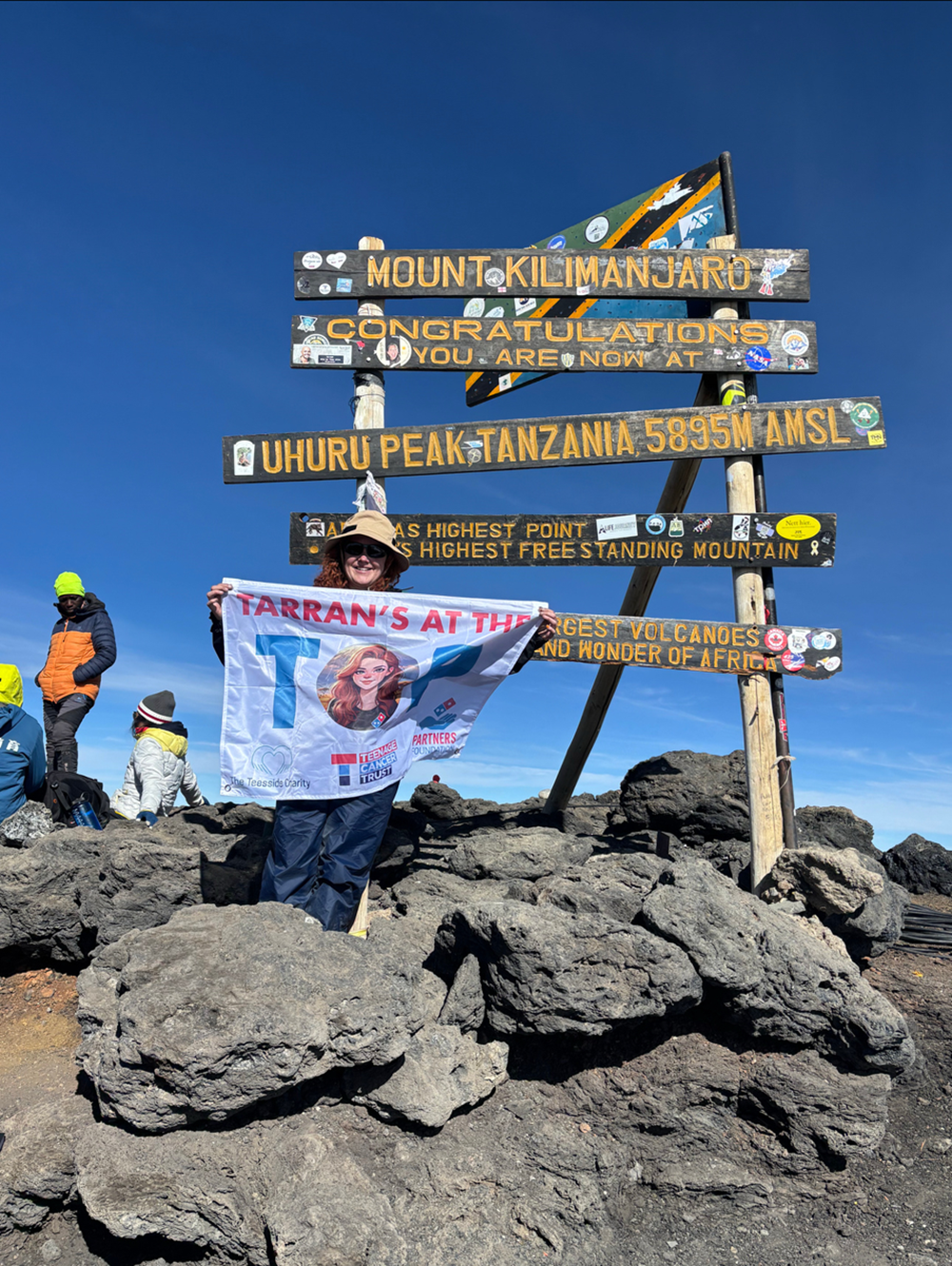
Just thought I would drop you a message to let you know I made it to the top!!!
Down was so much harder but I adjusted lovely on the way up over the 6 days, no headaches no sickness, I got there in the end and recovered fast on the way down.
Thank you so very much for everything you were amazing.
We have a long history of supporting athletes preparing for racing in hot conditions as long ago as 1993. More recently we worked with a number of triathletes and track athletes alongside their national federations to develop specific acclimatisation strategies and provide heat acclimatisation exposures in the lead up to the Tokyo Olympics. Here are some of our expert team who will inform and support your training.
Dr Daniel Snape is a researcher in endurance and environmental physiology. His research focuses on heat acclimation for competition in hot environments and has supported athletes preparing for major championships.
Dr Barney Wainwright is a Senior Research Fellow with 25 years of experience providing applied services to athletes and teams from recreational to Olympic level. He has expertise in endurance performance physiology, biomechanics, and fluid mechanics, with a focus on cycling, running, and canoeing.
Dr Mark Cooke is a Senior Lecturer in Sport and Exercise Physiology & Biomechanics. Mark specialises in performance in extreme environments and has applied experience in hypoxia, heat and cold conditions. His research of high-altitude expeditions has included hypoxic training for military & civilian expeditions to Everest.
Dr Daniel Snape is a researcher in endurance and environmental physiology. His research focuses on heat acclimation for competition in hot environments and has supported athletes preparing for major championships.
Dr Barney Wainwright is a Senior Research Fellow with 25 years of experience providing applied services to athletes and teams from recreational to Olympic level. He has expertise in endurance performance physiology, biomechanics, and fluid mechanics, with a focus on cycling, running, and canoeing.
Dr Mark Cooke is a Senior Lecturer in Sport and Exercise Physiology & Biomechanics. Mark specialises in performance in extreme environments and has applied experience in hypoxia, heat and cold conditions. His research of high-altitude expeditions has included hypoxic training for military & civilian expeditions to Everest.
Professor John O'Hara is the Director of the Centre for Human Performance. He is an applied scientist with expertise in carbohydrate metabolism, endurance performance, environmental physiology and nutrition. John is an accredited sport scientist with the British Association of Sport and Exercise Sciences.