How can I help?
How can I help?

biomechanical analysis of running

Our advanced running gait analysis can help you improve performance, prevent injuries, and enhance recovery

Each individual runner has their own unique running style, a combination of innate characteristics refined through training. Each running technique has its strengths and weaknesses that can be measured and understood using biomechanical processes and principles.

Our biomechanical assessment uses advanced scientific methods to ascertain both the strengths and areas for improvement in a runner's gait. Examples of areas where we have helped runners with their running techniques include:

  • Improving performance: objective data on motion, force and mechanical load to elevate performance
  • Balance and symmetry: addressing any asymmetry between left and right sides of the body via comprehensive analysis of leg movements and loading patterns
  • Customising training to running style: identify spontaneous running style and help to tailor training for target races
  • Recovery support: precise metrics aid rehabilitation, helping to plan a safe return to running
  • Running style and footwear: analysing the footstrike pattern used and/or assessing running shoe choices

A 45-minute appointment including:

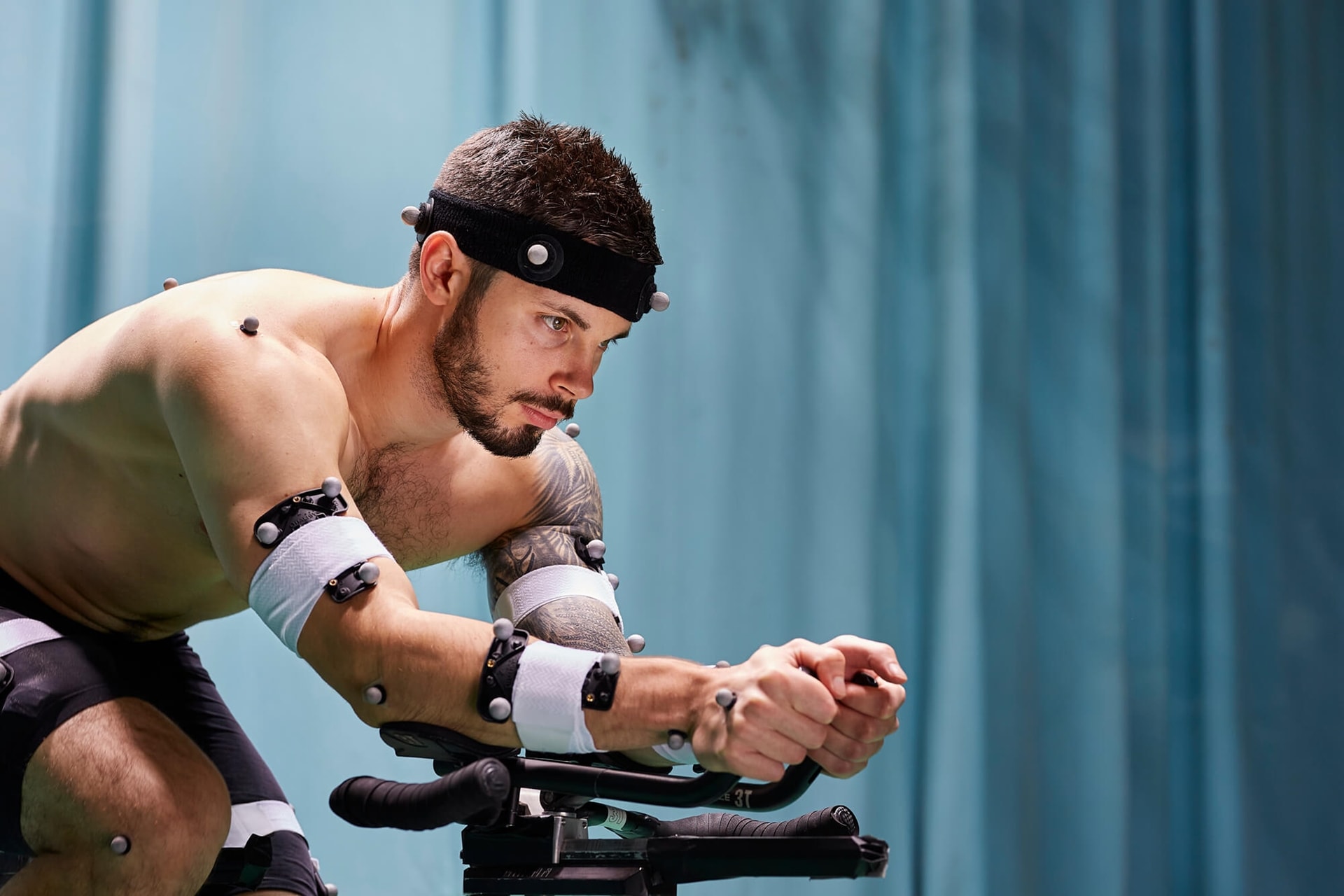
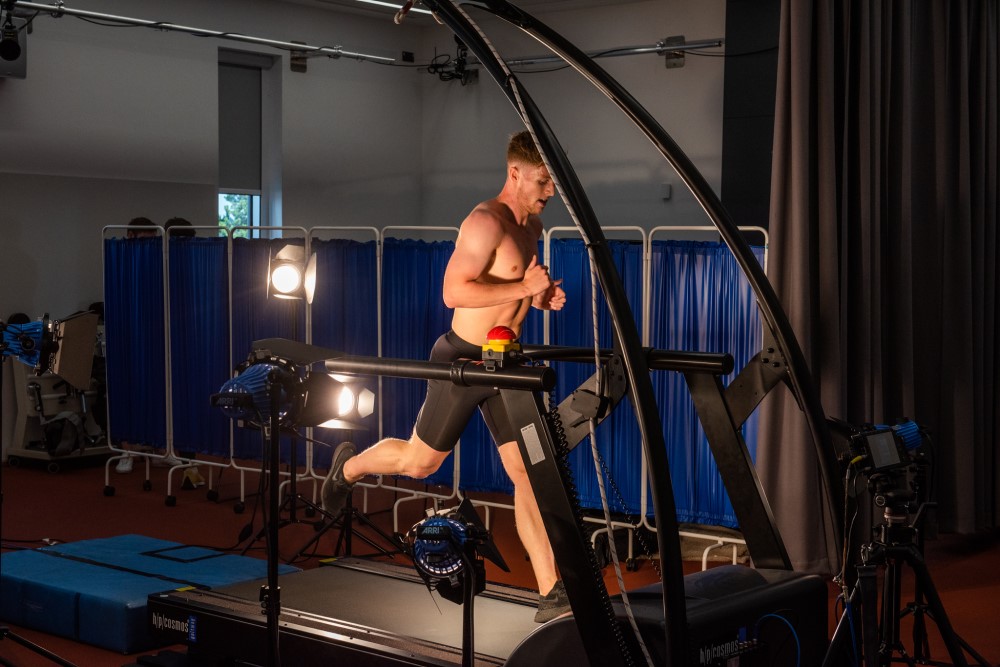
  • Biomechanical analysis of running using our modern motion capture technology combined with our state-of-the-art instrumented treadmill
  • The comprehensive analysis of your running technique will be performed at a range of speeds specific to your ability and target goals
  • You will be provided information on whole-body movements, ground reaction forces and lower-body joint forces that impact joint function, presented as a web-based interactive report. The report will feature data, videos from multiple angles, and a 3D model of your running motion

Overall, we provide a valuable diagnostic tool that could be utilised by the clients and/or their coach or physiotherapist for potential improvement of performance, injury management, and rehabilitation.


Analysing the biomechanics of running is beneficial for all those who want to run regularly, whether for their first marathon or for competitive racing. Our services are invaluable for those seeking to improve performance or for identifying potential sources of injury risk.

A single testing session, including running analysis across three different speeds and the interpretation of the findings, will cost £250.

Booking information

Please book your assessment with us by clicking the link below.

If you need additional help to understand if this sport science service is suitable for your needs, then please contact us.

Book your assessment

Biomechanics Analysis of Running and Isokinetic Strength Testing

Human movement Lab is a state of the art facility that boasts cutting edge technologies. The biomechanical analysis running can help improve performance and prevent injuries while isokinetic strength testing can determine muscle performance and aid in return to performance decisions. The services are located at the Carnegie School of Sport, which is a part of Leeds Beckett University. The health and performance hub has a team of academic experts and researchers who specialise in clinical and sport biomechanics. Whether you are a recreational, competitive or professional athlete, they will help you interpret your data and cater to your individual needs. The Lab offers an array of sophisticated equipment, including high speed cameras and motion capture systems which accurately record human movements comprehensive technical analysis of your running gait. The lab also includes an isokinetic dynamometer, which measures joint and muscle function to assist in both rehabilitation and injury screening. The instrumented treadmill at the lab provides valuable data by recording ground reaction forces in walking and running such as impact force, step length, and contact time, we can use the measurements from the treadmill to identify your running style, and suggest what you can work on to improve performance or reduce the risk of injury. Additionally, the isokinetic dynamometer can precisely evaluate muscle strength to inform injury risk or recovery, providing information about muscle imbalances, and a range of speeds used in sport. The dynamometer is set up to isolate specific muscle groups so we can precisely identify strengths and weaknesses as part of injury assessments, and helping sports people return to play. Data from the biomechanical analysis of running an isokinetic testing can be benchmarked against the normal ranges found in similar sports people allowing us to highlight easily where there might be issues and can complement and enhance physiotherapy services. So whether you're a recreational or professional athlete, sports scientist, coach or physiotherapist, we interpret the results you receive to enhance performance help prevent injuries and support the recovery process. To find out more about how the advanced data we provide can empower you to make better informed training decisions, please don't hesitate to get in touch with our team of experts. If you'd like to have your running gait evaluated or perform isokinetic testing, please schedule an appointment with one of our specialists through our website.

work with industry experts

Contact us

Email us with any questions you might have.

Our research

Centre for Human Performance

An innovative, integrated research-practice model; developed and implemented with various professional sports clubs, national governing bodies and organisations.

Graphics image of dark blue background with white, red and grey lines
Student in lab on bike for Sport and Exercise Science part of Carnegie Research Institute