


Contact us
Email us with any questions you might have.

Leeds Beckett University - City Campus,
Woodhouse Lane,
LS1 3HE
Amateur Distance Runner Agnieszka MacLaren“Very helpful session to understand where I am with my fitness and what to do to progress it. Dan is super knowledgeable, professional and made me feel very comfortable. I will definitely come back next year for a follow up appointment. Thanks a lot.”
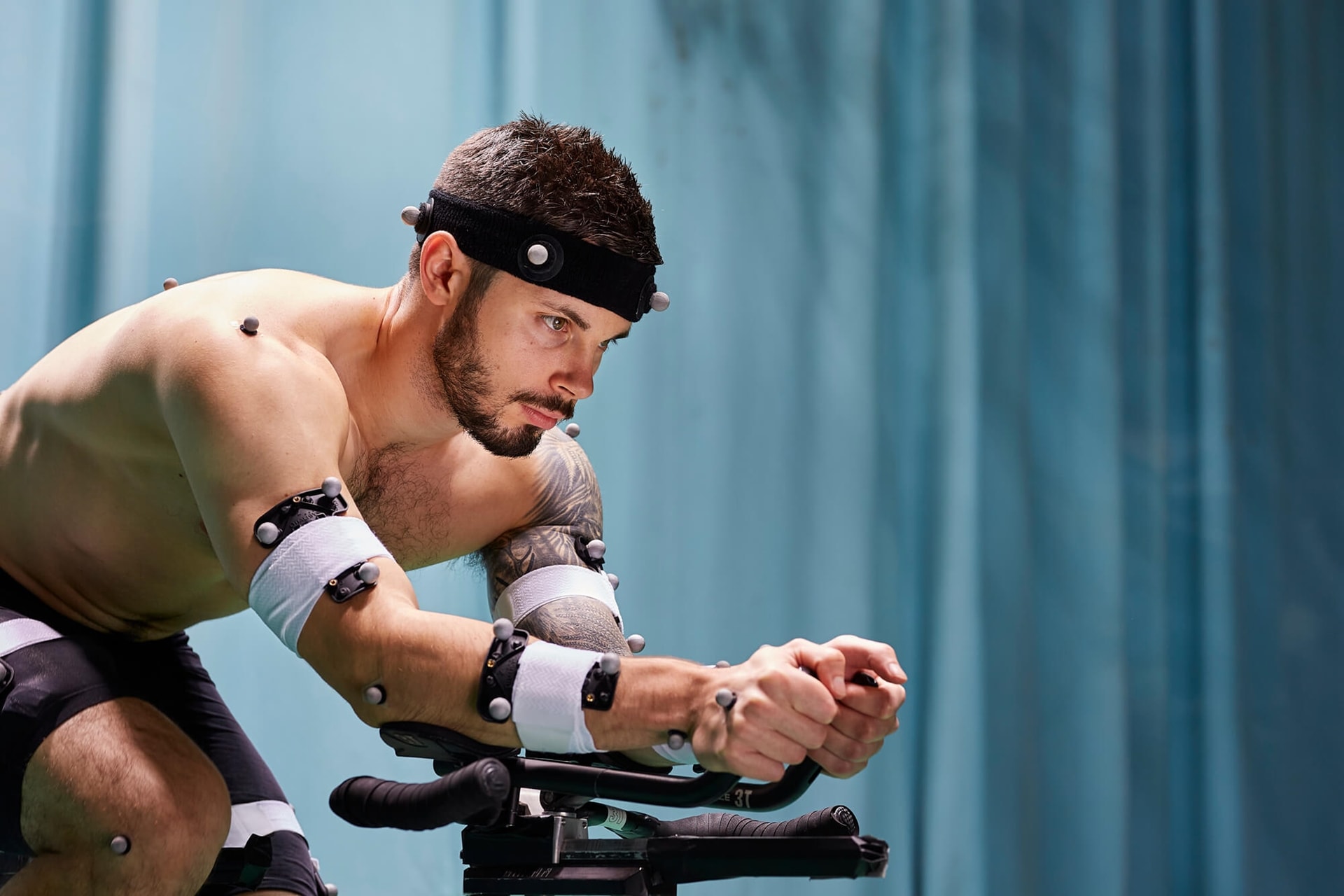
The physiological profiling test allows runners to assess their physical ability and identify thresholds to optimise training for their specific event. The test will identify the lactate threshold, which is one of the best predictors of running performance. This can be used to monitor training adaptation and helps plan your training. In fact, it allows an accurate prescription of training zones to maximise your race performance. The test will also establish maximal aerobic capacity, which is the bodies upper limit of endurance performance. Lastly, it establishes running economy, another key variable of running performance, and represents the oxygen cost of running at a specific speed. So, if you want to track and optimise your endurance performance, this test is for you.
The main benefit of this test is that it will help provide scientific structure to your training, ultimately enhancing endurance performance. Following each testing session, you will be provided with:
Values given will be compared to normative data and strengths and weaknesses highlighted dependent on your event and goals.
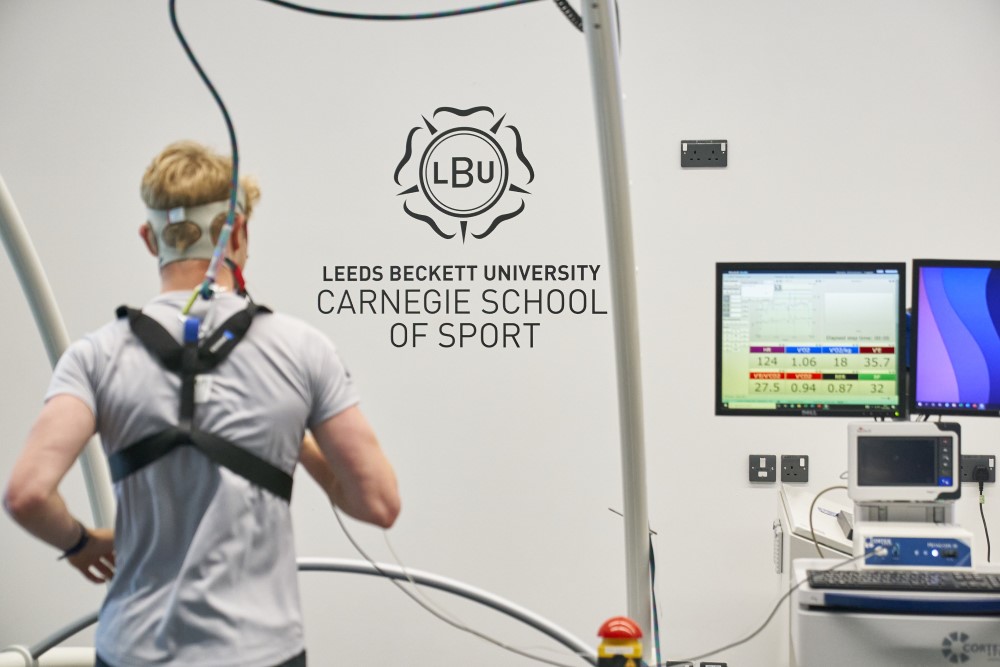
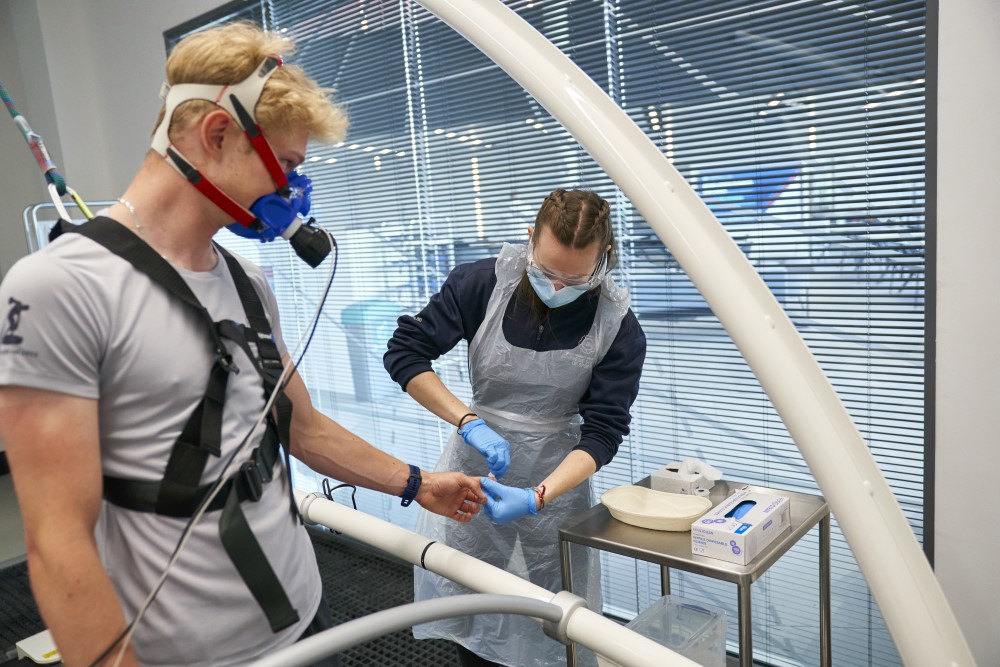
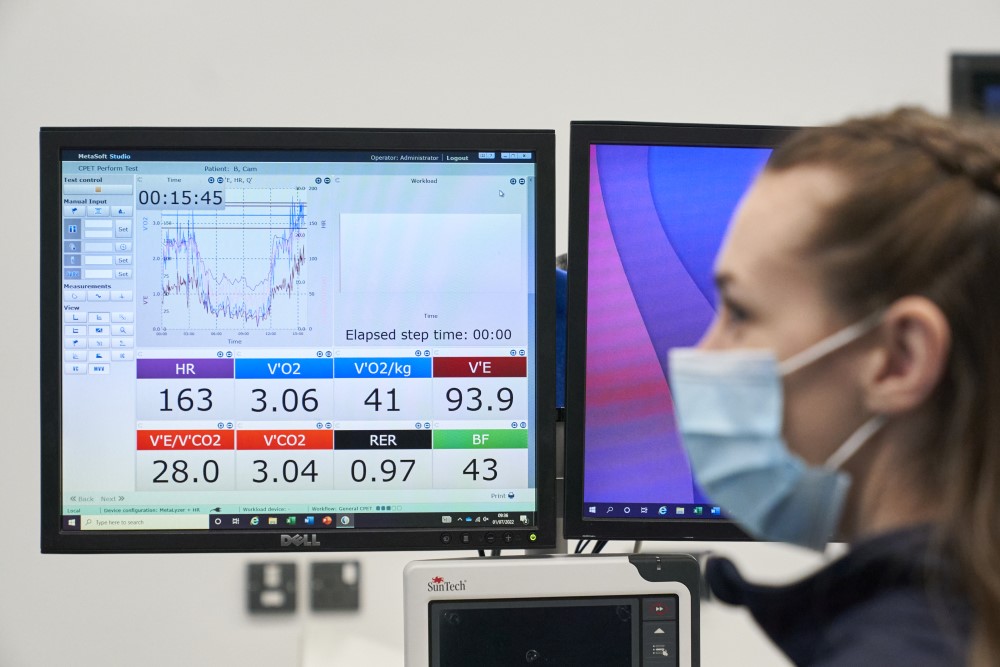
Following baseline measures (i.e., resting blood lactate), you will start exercising at a low intensity, pre-determined from your current fitness status. After three or four minutes a capillary blood sample will be taken from your fingertip or earlobe. The intensity will then increase, and another capillary blood sample will be taken after three or four minutes. This will be repeated several times, on average 6-8 stages, and until exhaustion. Throughout the test, your heart rate, perceived exertion, and expired air will be collected with a face mask.
Athletes from recreational to elite who are trying to improve their preparation and performance. Endurance coaches often use this test to prescribe training intensity throughout a programme and track changes in key physiological parameters.
Earlier this year I decided to undertake physiological profiling to improve my running training for a series of events over the coming year. After looking around Yorkshire the Leeds Beckett was quick and easy to book with excellent communication of the arrangements from Dr. Dan Snape.
On the day of testing my wife and I arrived at the campus, very easy to find and parking had been arranged. Warmly greeted by Dan and the team who explained everything about to happen and ensure I was comfortable and informed. The team are rightly very proud of the facility and the research they follow at the sports science centre. The equipment and facility really are the best around with the facility having been completed only a couple of years ago.
The testing was hard but brilliantly organised with the team giving me loads of encouragement to ‘keep pushing’ to get the best out of the session.
Dan gave me some excellent advice on training and discussed in detail how the results can incorporate into my training plans. It was great to hear from a team at the cutting edge of physiological profiling and dispelled some of the ‘YouTube’ learning! Results arrived early the next week and I have now updated all of my training zones in Garmin and Training Peaks.
I will be returning in about 6 months to see how I’ve progressed.
Highly recommended!
Please book your assessment with us by clicking the link below. If you want to book multiple services then we advise you book a free consultation or contact us.
Ultra-runner Paul RushworthAll aspects of the running performance and diet analysis were handled very professionally and were able to align with my personal training goals relating to ultra trail running. Overall I obtained some excellent insights into how to improve my running performance.
Dr Barney Wainwright is a Senior Research Fellow with 25 years of experience providing applied services to athletes and teams from recreational to Olympic level. He has expertise in endurance performance physiology, biomechanics, and fluid mechanics, with a focus on cycling, running, and canoeing.
Dr Daniel Snape is a researcher in endurance and environmental physiology. His research focuses on heat acclimation for competition in hot environments and has supported athletes preparing for major championships.
Professor John O'Hara is the Director of the Centre for Human Performance. He is an applied scientist with expertise in carbohydrate metabolism, endurance performance, environmental physiology and nutrition. John is an accredited sport scientist with the British Association of Sport and Exercise Sciences.
Dr Barney Wainwright is a Senior Research Fellow with 25 years of experience providing applied services to athletes and teams from recreational to Olympic level. He has expertise in endurance performance physiology, biomechanics, and fluid mechanics, with a focus on cycling, running, and canoeing.
Dr Daniel Snape is a researcher in endurance and environmental physiology. His research focuses on heat acclimation for competition in hot environments and has supported athletes preparing for major championships.
Professor John O'Hara is the Director of the Centre for Human Performance. He is an applied scientist with expertise in carbohydrate metabolism, endurance performance, environmental physiology and nutrition. John is an accredited sport scientist with the British Association of Sport and Exercise Sciences.