


Contact us
Email us with any questions you might have.

Leeds Beckett University - City Campus,
Woodhouse Lane,
LS1 3HE
Establish individualised training zones, improve the efficacy and time efficiency of your training to optimise performance and monitor training adaptation
The below details our standard cycling/running physiology test protocol, which will be adapted based on your specific training/event demands.
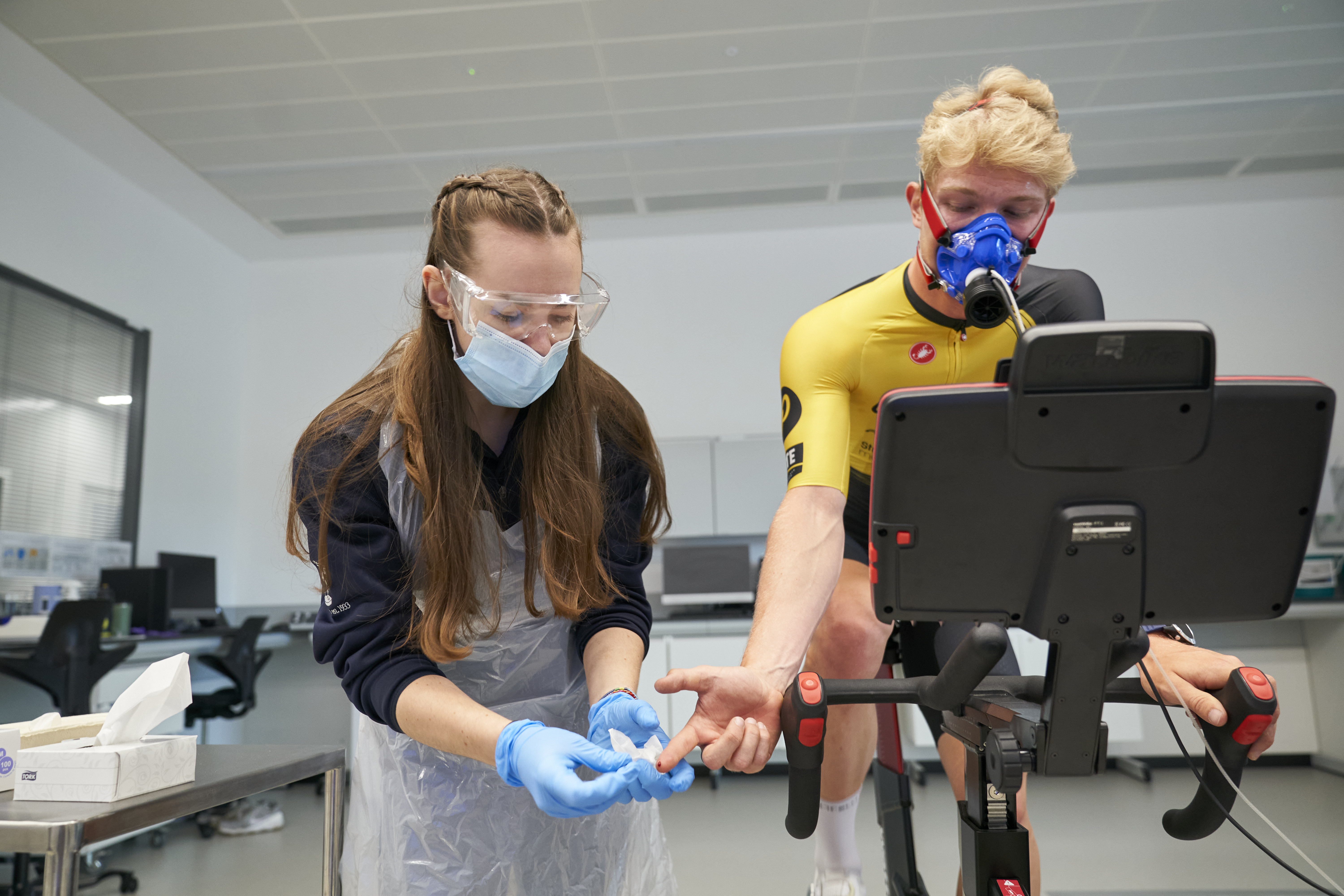
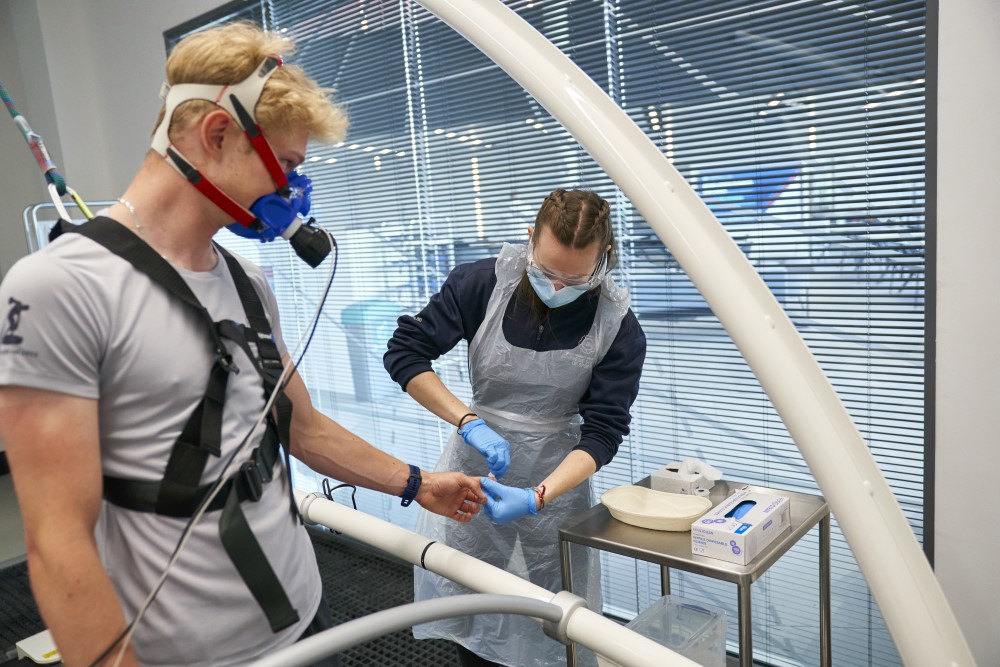
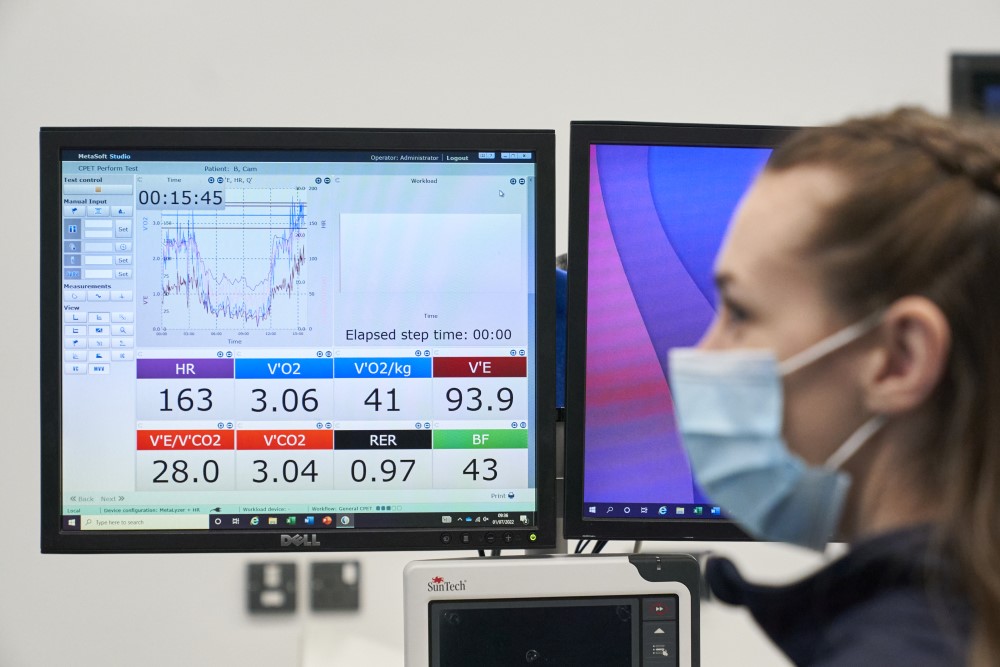
The cycling/run test will involve a sub-maximal and maximal incremental test. During the sub-maximal test capillary blood will be taken at the end of each stage, along with perceived exertion. Online gas analysis will be recorded throughout with heart rate. On average you will complete six-eight stages during the submaximal test. The max test will involve a continuous ramp, with an increase in speed/power every minute until volitional exhaustion.
The main benefit of this test is that it will help provide scientific structure to your training, ultimately enhancing endurance performance. Following each testing session, you will be provided with:
Values given will be compared to normative data and strengths and weaknesses highlighted dependent on your event and goals.
Running:
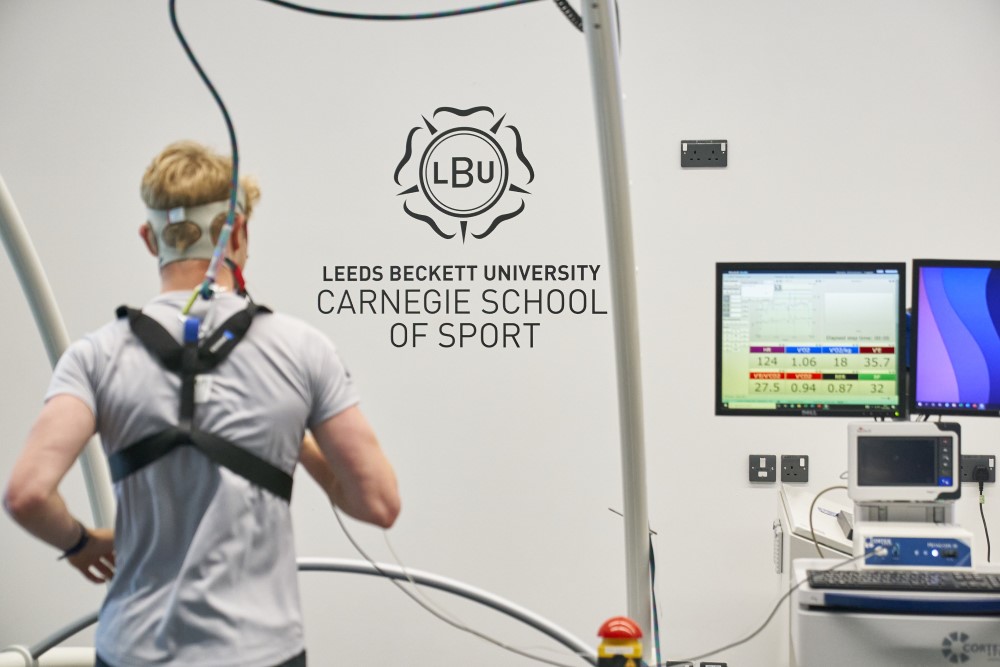
Following baseline resting measures, you will perform a warm-up on the motorised treadmill. Subsequently, you will be fitted with the relevant equipment and complete a multi-stage treadmill test at increasing speeds, lasting around 45-minutes. Following a short break, an incremental ramp protocol to exhaustion will be done, followed by a five-minute stage at race pace to assess running economy resilience.
Cycling:
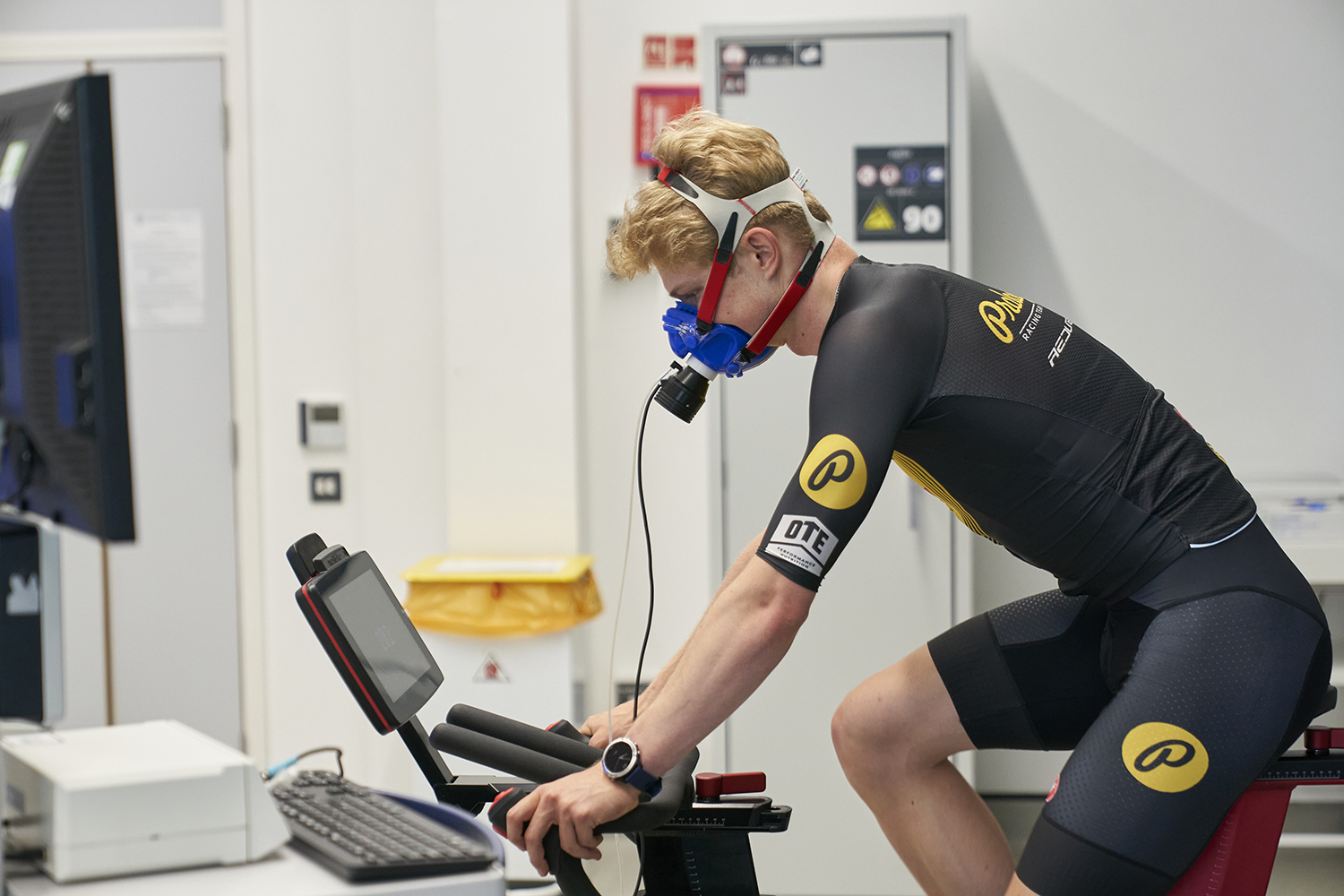
This assessment will take place on a calibrated cycle ergometer, allowing you to cycle on your own bike. Following baseline measures (i.e. resting blood lactate), you will start exercising at a low intensity, pre-determined from your current fitness status. After three-five minutes, a capillary blood sample will be taken from your fingertip or earlobe. The intensity will then increase, and another capillary blood sample will be taken. This will be repeated several times, on average six-eight stages, and until exhaustion. Throughout the test, your heart rate, perceived exertion, and expired air will be collected with a face mask.
Athletes from recreational to elite who are trying to improve their preparation and performance. Endurance coaches often use this test to prescribe training intensity throughout a programme and track changes in key physiological parameters.
£540
Please book your assessment with us by clicking the link below. If you want to book multiple services then we advise you book a free consultation or contact us. Call us to discuss discounted partnership rates.
British Triathlon members receive a 10% discount on these services.
If you are a British Triathlon Athlete please follow the below link.
Dan is a Postdoctoral Research Fellow in Sport & Exercise Physiology. His research interests include: Acclimation interventions for competition in thermally challenging environments; Exertion associated illnesses and heat stress; Performance and applied sport science.
Dr Barney Wainwright is a Senior Research Fellow with 25 years of experience providing applied services to athletes and teams from recreational to Olympic level. He has expertise in endurance performance physiology, biomechanics, and fluid mechanics, with a focus on cycling, running, and canoeing.
Professor John O'Hara is the Director of the Centre for Human Performance. He is an applied scientist with expertise in carbohydrate metabolism, endurance performance, environmental physiology and nutrition. John is an accredited sport scientist with the British Association of Sport and Exercise Sciences. He is a highly experienced applied sport scientist who has worked with amateur and professional athletes across sporting disciplines for many years.
Dan is a Postdoctoral Research Fellow in Sport & Exercise Physiology. His research interests include: Acclimation interventions for competition in thermally challenging environments; Exertion associated illnesses and heat stress; Performance and applied sport science.
Dr Barney Wainwright is a Senior Research Fellow with 25 years of experience providing applied services to athletes and teams from recreational to Olympic level. He has expertise in endurance performance physiology, biomechanics, and fluid mechanics, with a focus on cycling, running, and canoeing.
Professor John O'Hara is the Director of the Centre for Human Performance. He is an applied scientist with expertise in carbohydrate metabolism, endurance performance, environmental physiology and nutrition. John is an accredited sport scientist with the British Association of Sport and Exercise Sciences. He is a highly experienced applied sport scientist who has worked with amateur and professional athletes across sporting disciplines for many years.