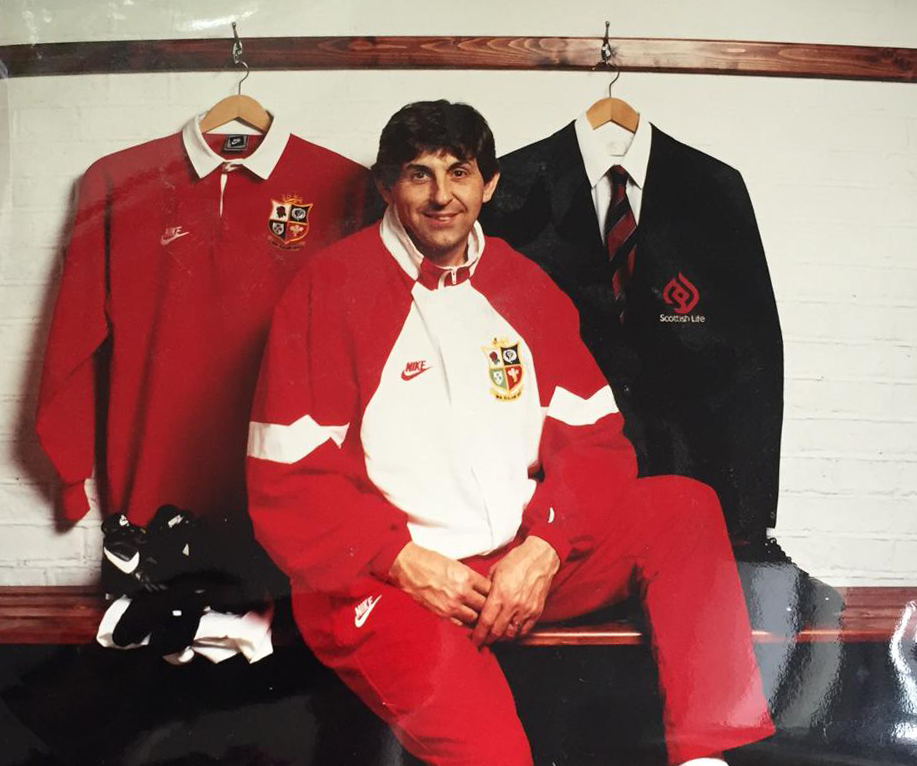
Ian McGeechan. I was here at Leeds Beckett Carnegie from 1965 to 1968, got a diploma at Carnegie.
I've played rugby here in Leeds, for Headingley was my club, played 17 years. I was selected for Scotland, played 35 internationals with Scotland and played two tours with the British Lions and then I went on to coach Scotland over 12 years and there, and five British Lions tours as a coach as well.
It's great. It's a really nice feeling. You feel it's an honour that, you know, that even that they remember when you were here, but just a really nice feeling. You know, I was saying that you don't always remember events in detail about what you're doing or how you, but when you come back to the campus, you remember the way you felt. And I, as an 18, 19-year-old coming here for the first time, you know, you feel it was, I felt it was really part of my growing up, and how good the lecturers were, obviously fellow students, but just the whole environment was just so good and so supportive. And coming back on campus, that never leaves you. You know, that will stay with me forever. And it's sort of obviously then led into teaching and coaching and so on.
Well, in my day at Carnegie, it was very strict. Your clothing had to be immaculate. You had to have the right clothing on at the right time. If you were in the gym, it was flannels and white shirts. If you're in the classroom, it was Carnegie blazer, white shirt and a tie, and grey flannels. And you changed in between so you couldn't go to a classroom in a tracksuit, you had to get changed again. And just things like preparation, which I did take into, you know, some of my coaching notes and teaching planning of just the order in which there's, you put things down when you're doing lesson plans, which carry over very easily into coaching plans as well. So no, base was really strong, really strong. And that's been part of everything I've done, you know, from being here 60 years ago.
Well, I think it's, you hope just in a little way, it'll be a pointer to say 'never ever believe that something is beyond you, you know, if you never try'. And that was the best, one lecturer said to me, if you never try, you never know, and you'll never know. So that's what I did, you know, when I went to join a rugby club and then when I joined, you know, played for Yorkshire and so on, all I did was say, 'right, what's the next step? What's the next step after that?'
Yeah, we've just been talking now getting John Gallagher there and, just Mick Hill, if I remember, you know, I admired tremendously as an athlete and it's good to know because I didn't know and they wouldn't have known that I'd been here or I didn't know that they'd been here. So we've all got a lot from it and we've all been able to push the boundaries in our own sports. So it's great to be sharing, you know, some of those stories and an evening with them.
What you remember is the feeling, what it was like coming here as a student with the others in my year group. And it's that you don't remember every event, although we did exchange ideas when I was together with my year group again, would it actually recall, what you recall with it? But it's the way it made you made you feel. And I felt very supported here. I felt challenged here because the standards of Carnegie were unbelievable at the high level, about the dress, what to wear, when to wear it. And you were torn a big strip off if you got it wrong. And the same with your lesson preparation and preparation for games lessons, whatever it was, it had to be, there was the detail, there was the understanding of what you had to have in place if you wanted to deliver that. And I certainly took that forward, obviously in my teaching, which I ended up doing for 22 years before going full time into coaching. And I think it is that because what it does do is it gives you a focus of saying, 'right, what am I trying to do? What am I about? And how do I make it work?' And you can put that all back in like the to the beginning of the journey, which was here, which was, you know, very much Carnegie.


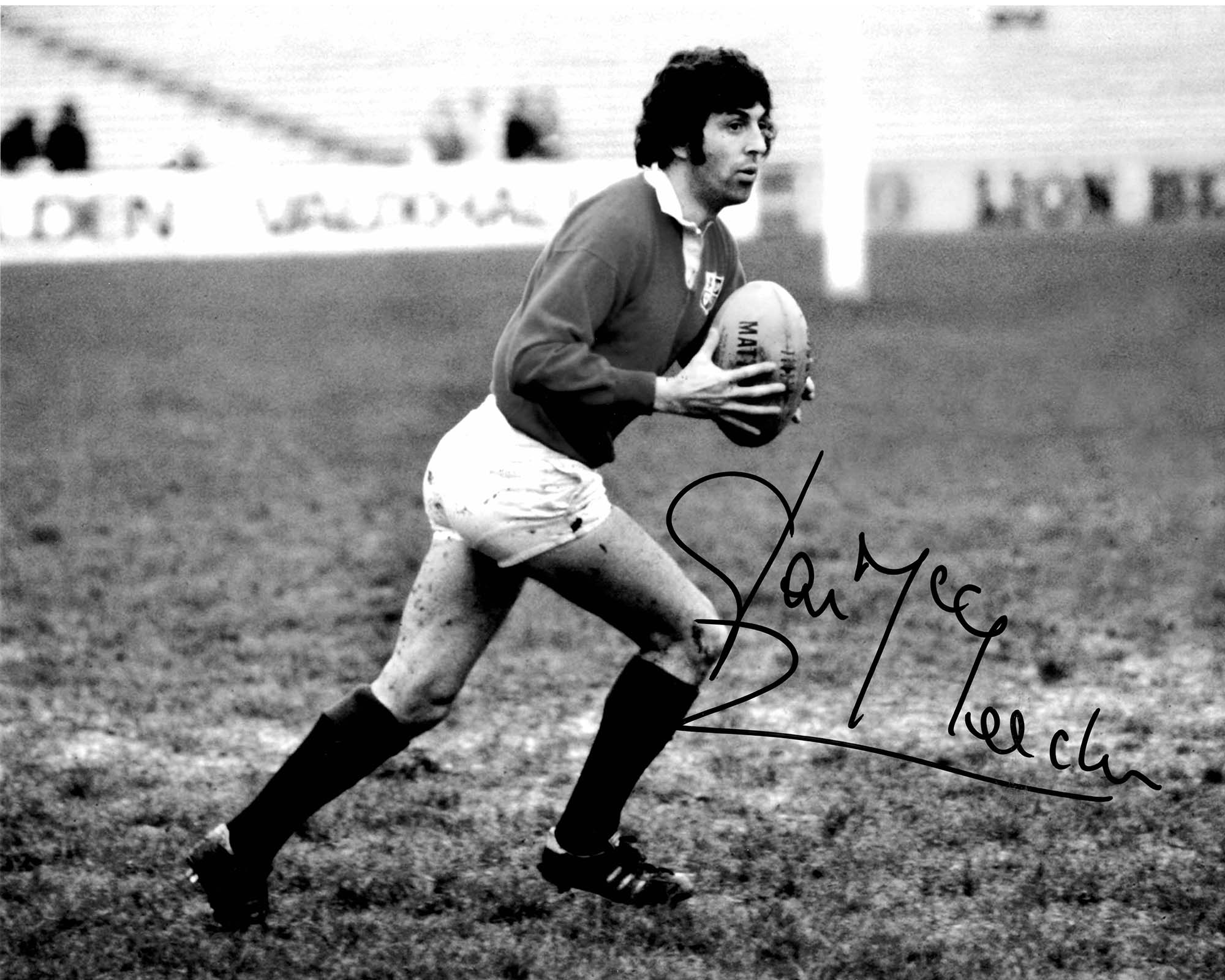
 1968
1968
 2025
2025