
Leeds Beckett University - City Campus,
Woodhouse Lane,
LS1 3HE

Centre for Applied Social Research
Voices for Freedom
Voices for Freedom, where survivor stories lead the way. Through powerful testimonies and creative storytelling, this project reimagines Kenya's counter-trafficking response, turning lived experiences into tools for healing, advocacy, and systemic change.

At the heart of this project was a simple belief: those who have survived human trafficking should define what justice, healing, and progress look like.
This work redefined expertise in the fight against human trafficking.
The challenge
For over two decades, the world has fought human trafficking with laws, frameworks, and countless interventions, yet the voices of those who lived through it remain the least heard. Policies are written about survivors, not with them. Reports focus on statistics, not stories. Across Kenya, survivors of human trafficking continue to rebuild their lives in silence. Their journeys of loss, courage and recovery are rarely documented or shared, leaving critical lessons and hope untold. This project challenges that silence.
Through a landmark anthology of survivor reflections, we are creating space for truth-telling that is ethical, powerful, and deeply human. Each story captures what it means not only to survive human trafficking but to move beyond it, to lead, to heal, and to inspire systemic change.
These narratives will expose the missing details absent from the data, helping policymakers and communities recognise the warning signs; helping the public understand trafficking from the inside out. With photography, art, and multimedia storytelling, we aim to make these stories visible and unforgettable.
Ending human trafficking begins when survivors are not just seen, but heard.
The approach
At the heart of this project was a simple belief: those who have survived human trafficking should define what justice, healing, and progress look like.
Our work began with listening to survivors across Kenya and other countries. Women, men, and young people came forward to share their journeys through in-depth, trauma-informed conversations. Each voice revealed a different facet of the human trafficking experience.
These testimonies were then transformed, with care and collaboration, into a curated anthology of survivor reflections. Every narrative was co-authored with the survivor, ensuring dignity, consent, and control remained firmly in their hands. Supported by writers, editors, and visual artists, the stories came alive through powerful words and artistic interpretations revealing not only what had been lost but what was courageously reclaimed.
Behind the scenes, a dedicated team from HAART Kenya, in partnership with Leeds Beckett University (UK) and the COATNET international network, guided the process from interviews to publication. Each story was reviewed, designed, and digitized for global access, forming part of an evolving multimedia platform that connects survivors, policymakers, and the public.
Through these creative participatory processes, we heard the voices of freedom, we turned memory into movement, and stories into strategies for change.
The impact
From the beginning, this project was never just about collecting stories. It was about shifting power, moving survivors from the margins of Kenya’s anti-trafficking movement to its very heart. We believe that when survivors speak, the world must not only listen, but change.
We have created a space where storytelling becomes an act of liberation; where every narrative is a declaration of dignity, strength, and renewal. Through deep listening, collaboration, and creativity, we have collected extraordinary survivor narratives in a professionally curated anthology that blends storytelling, art, and advocacy.
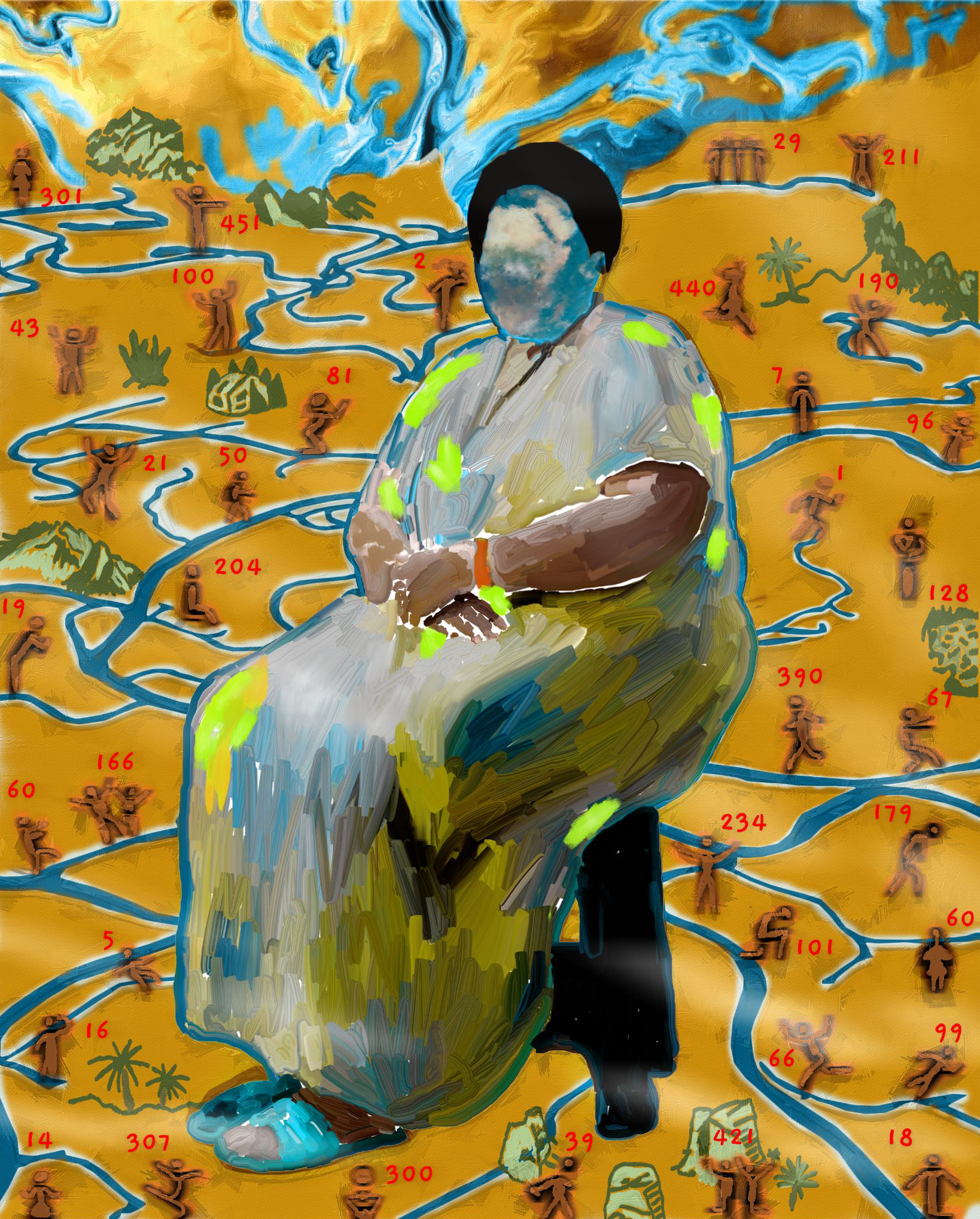
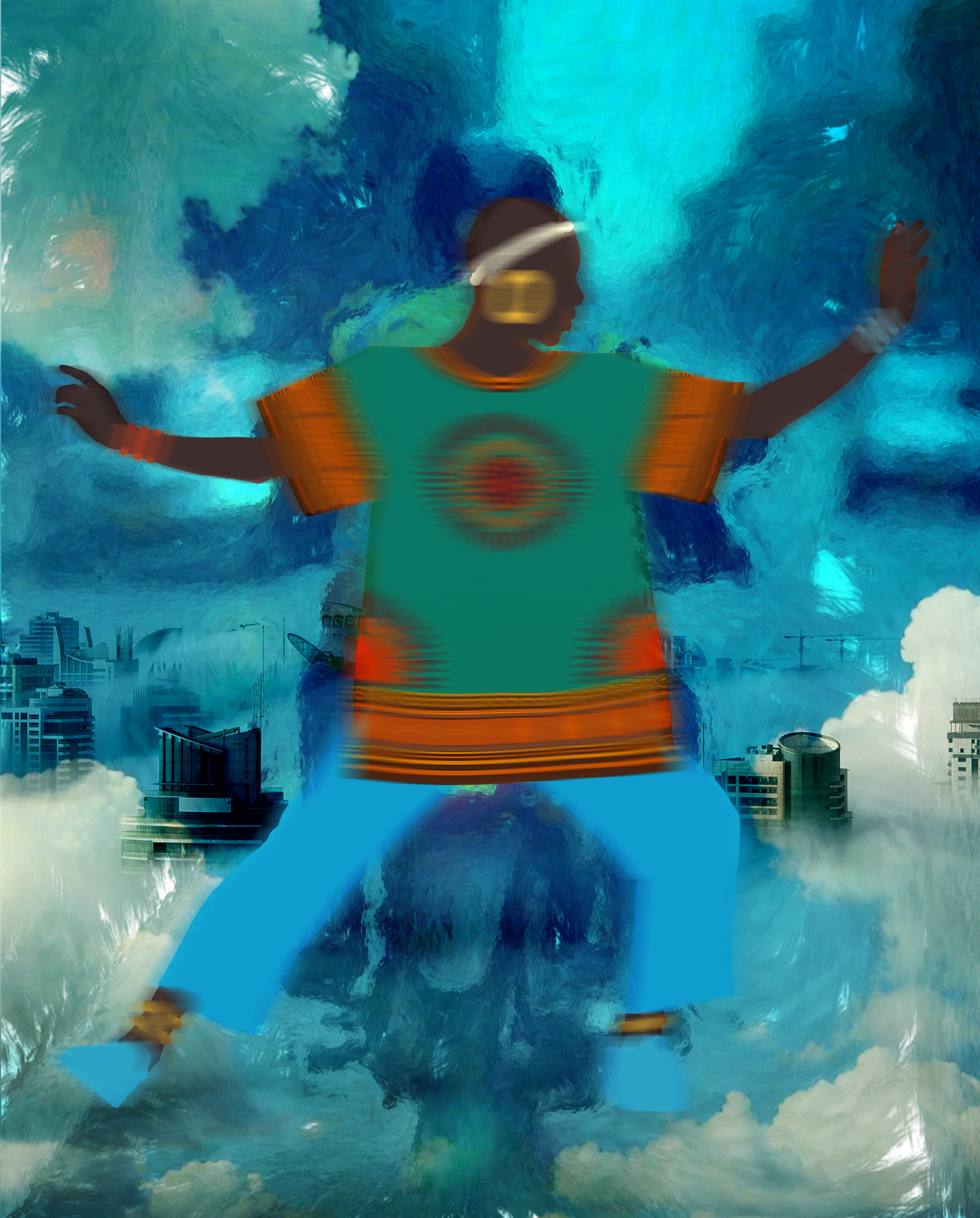
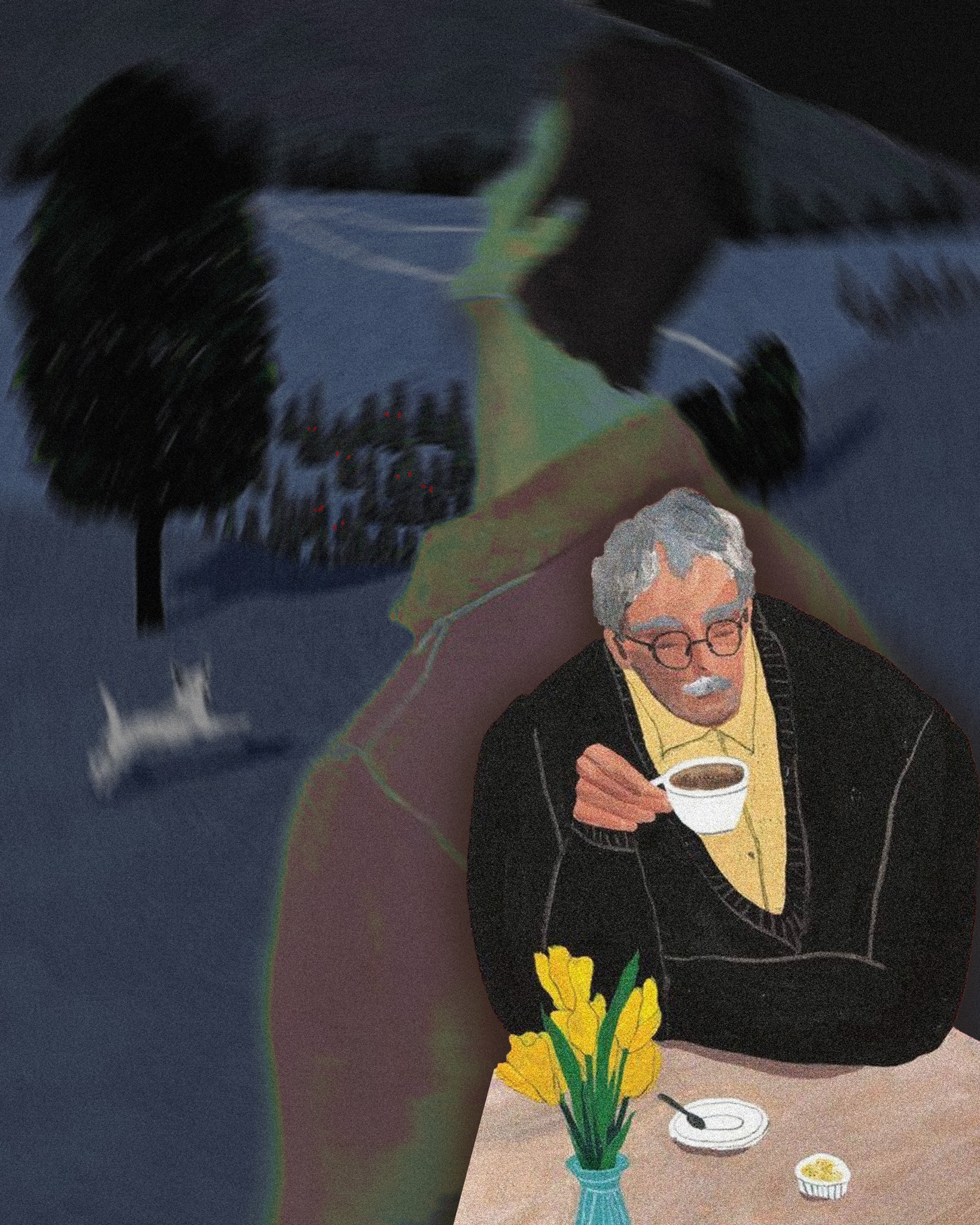
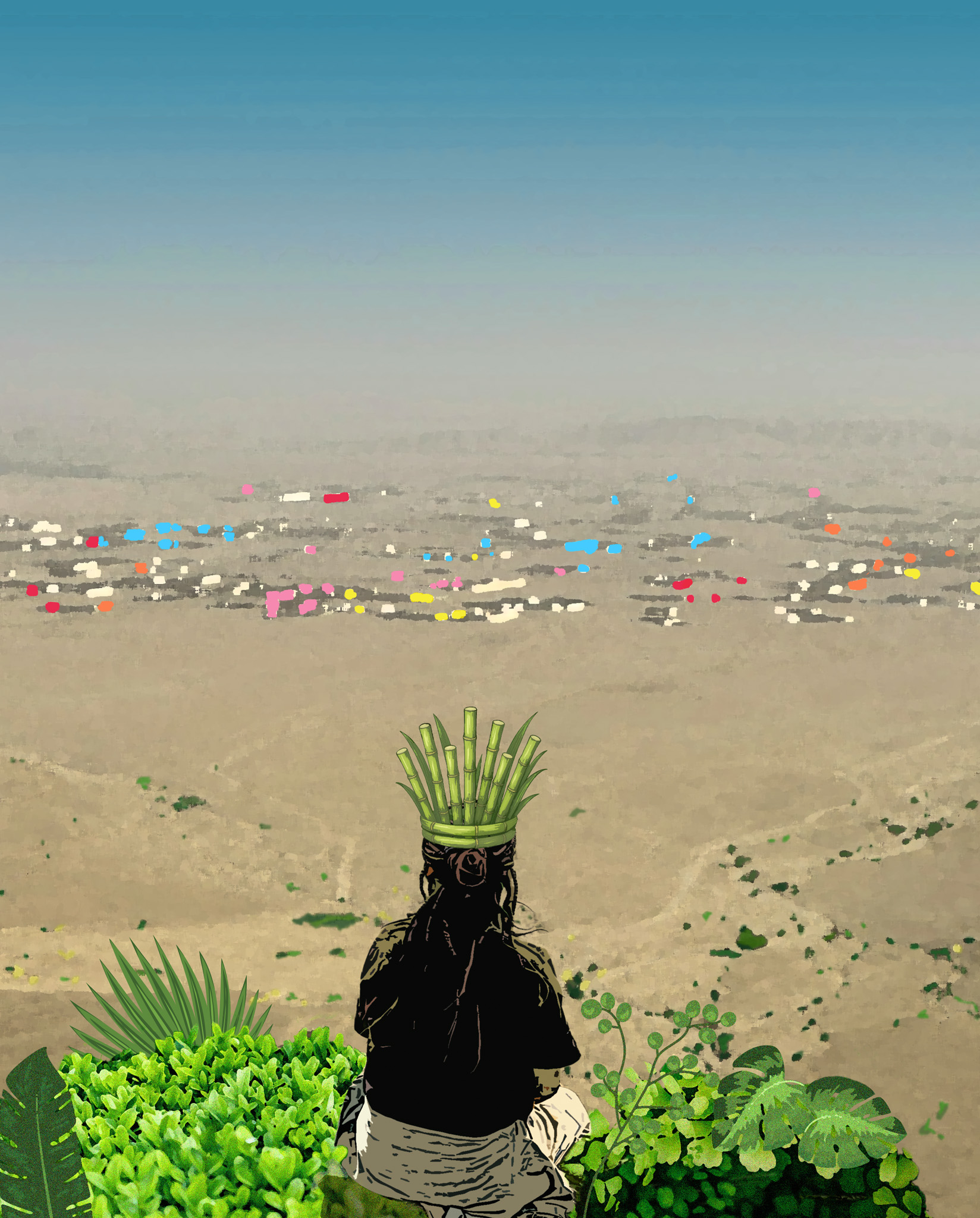
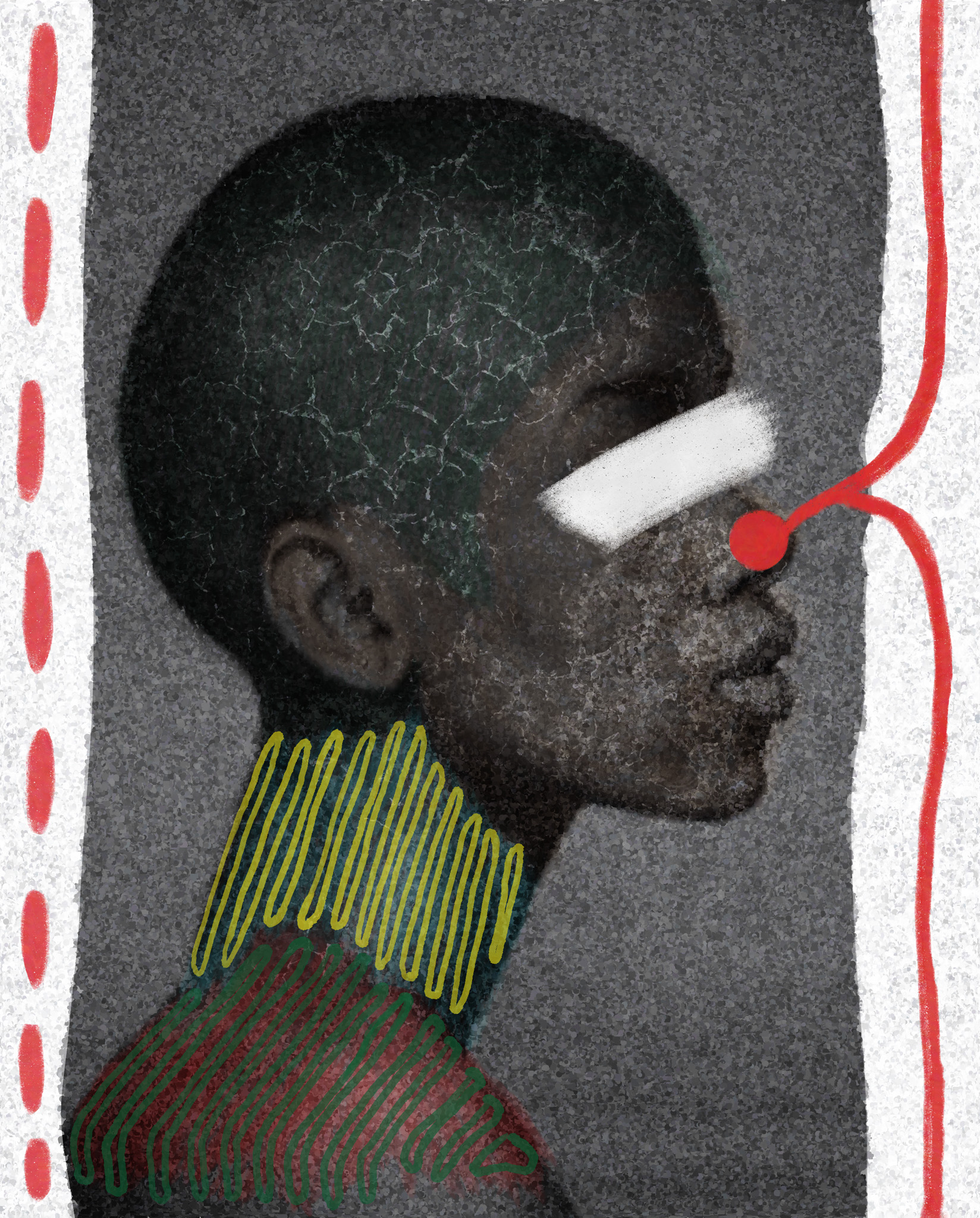
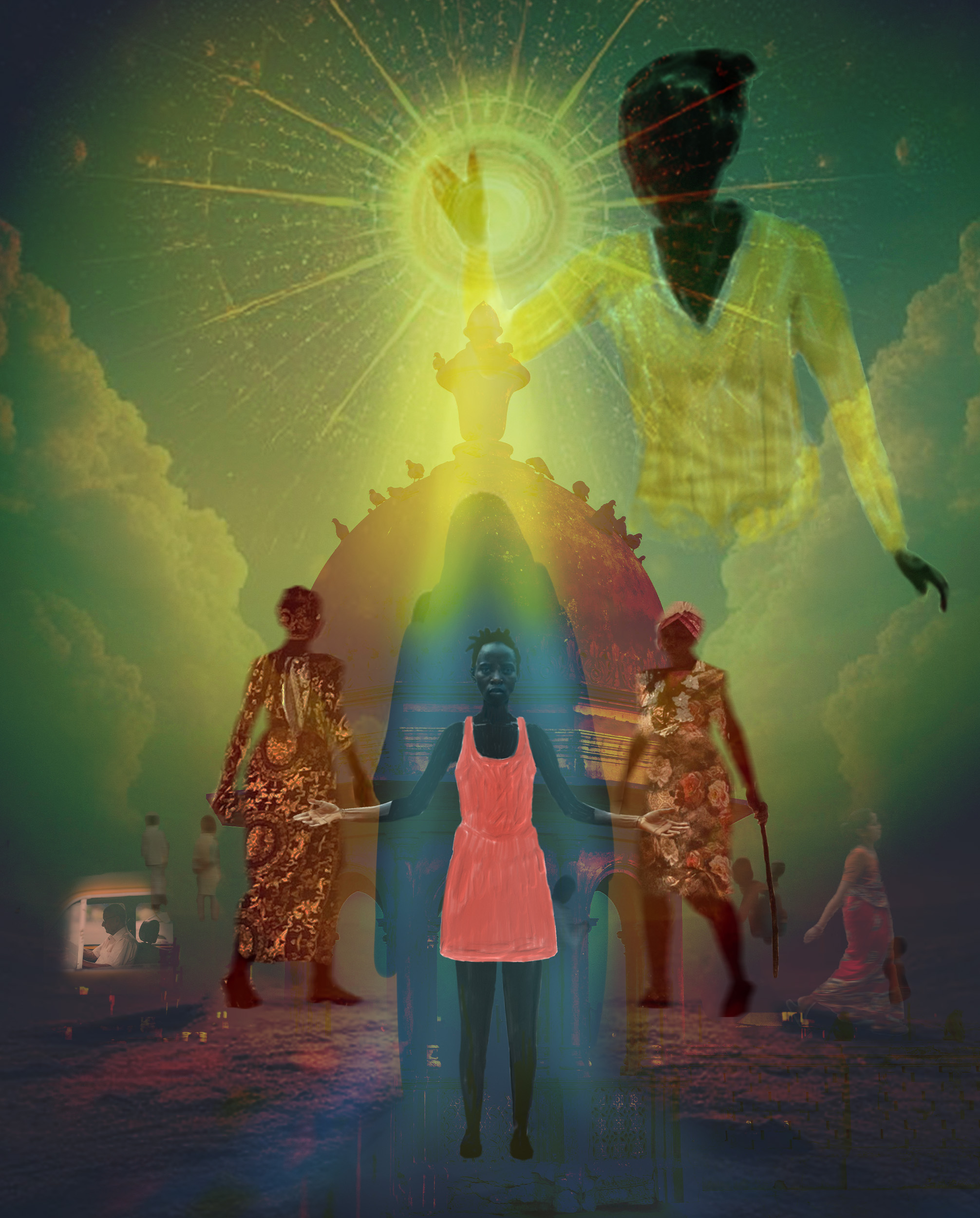
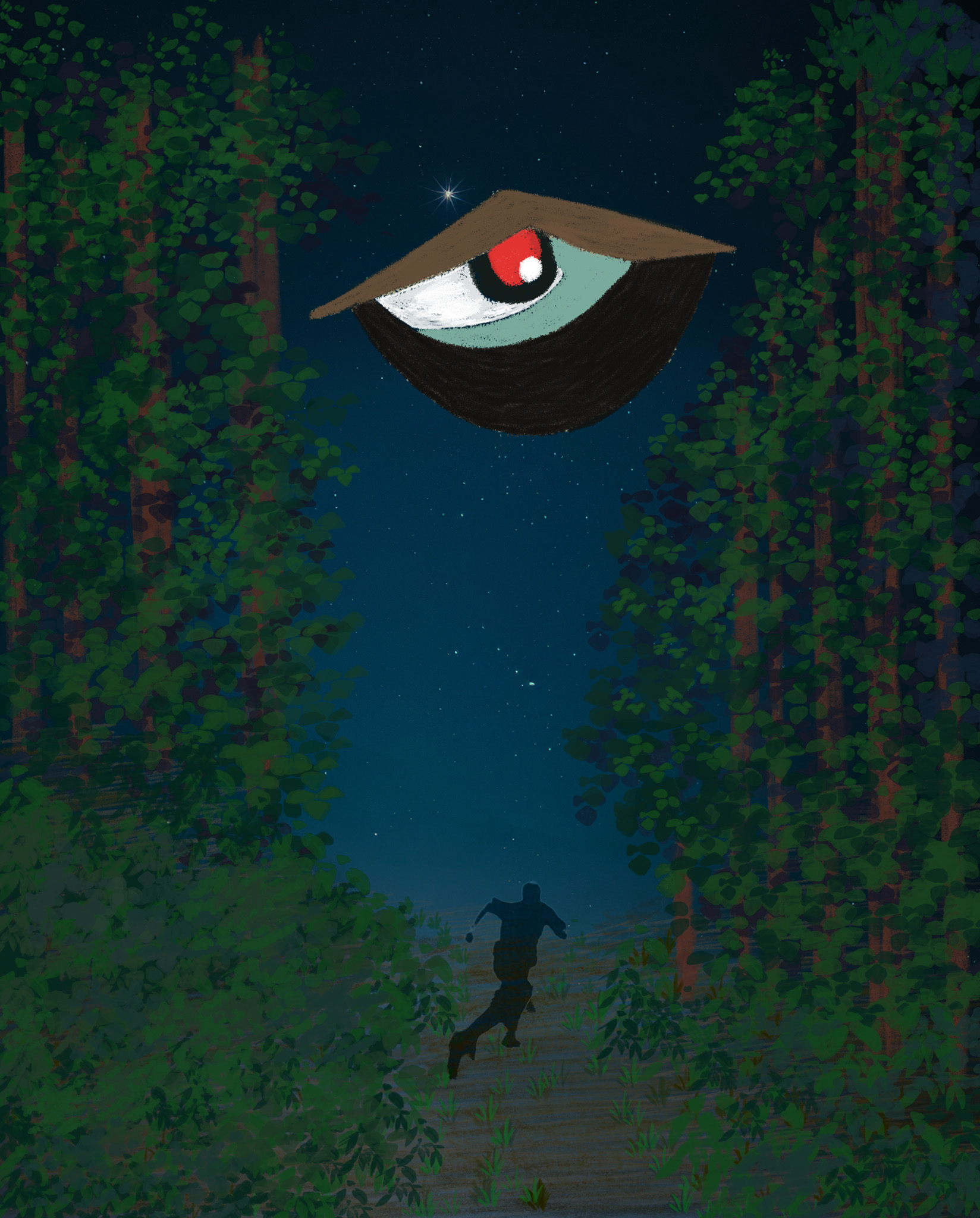
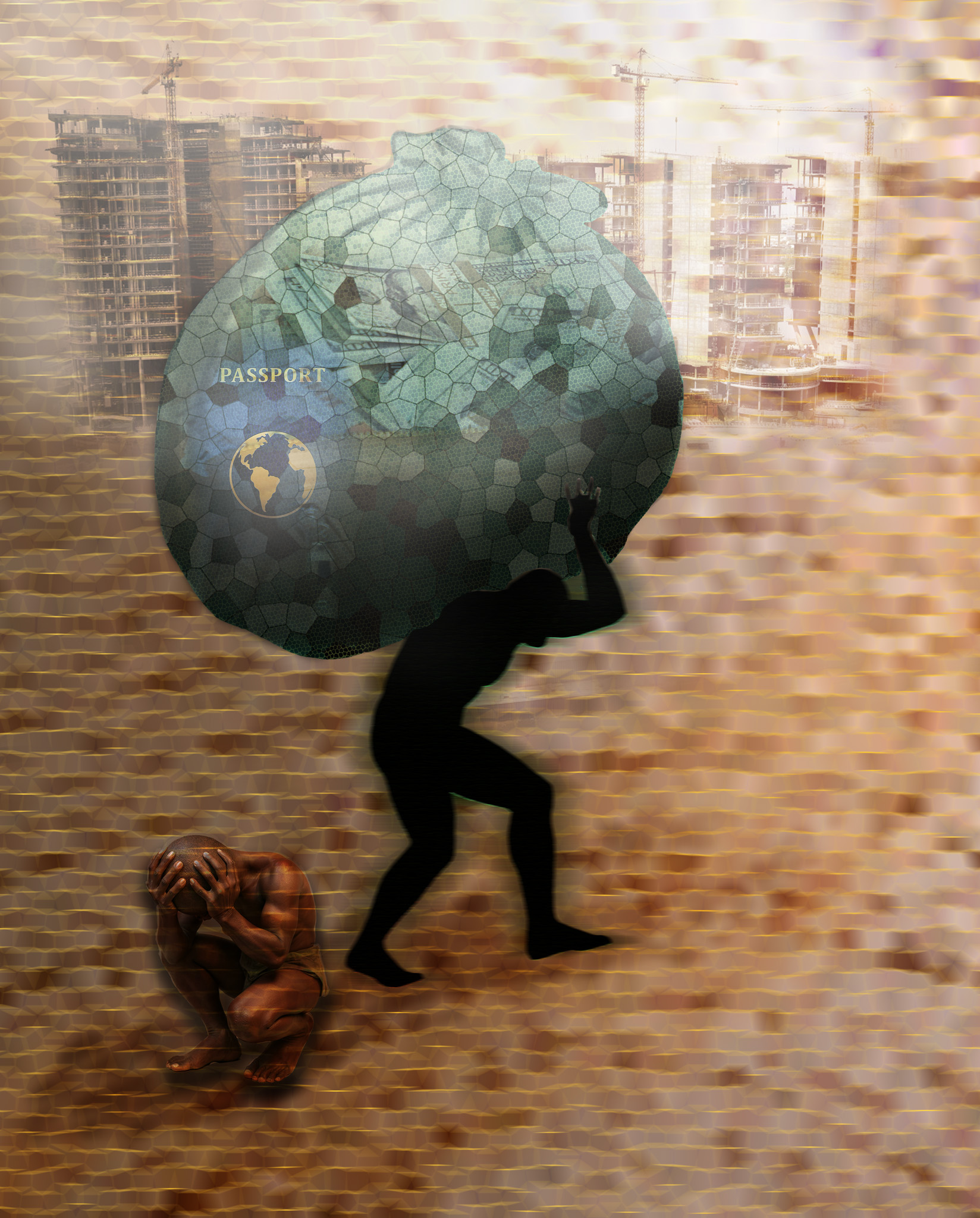
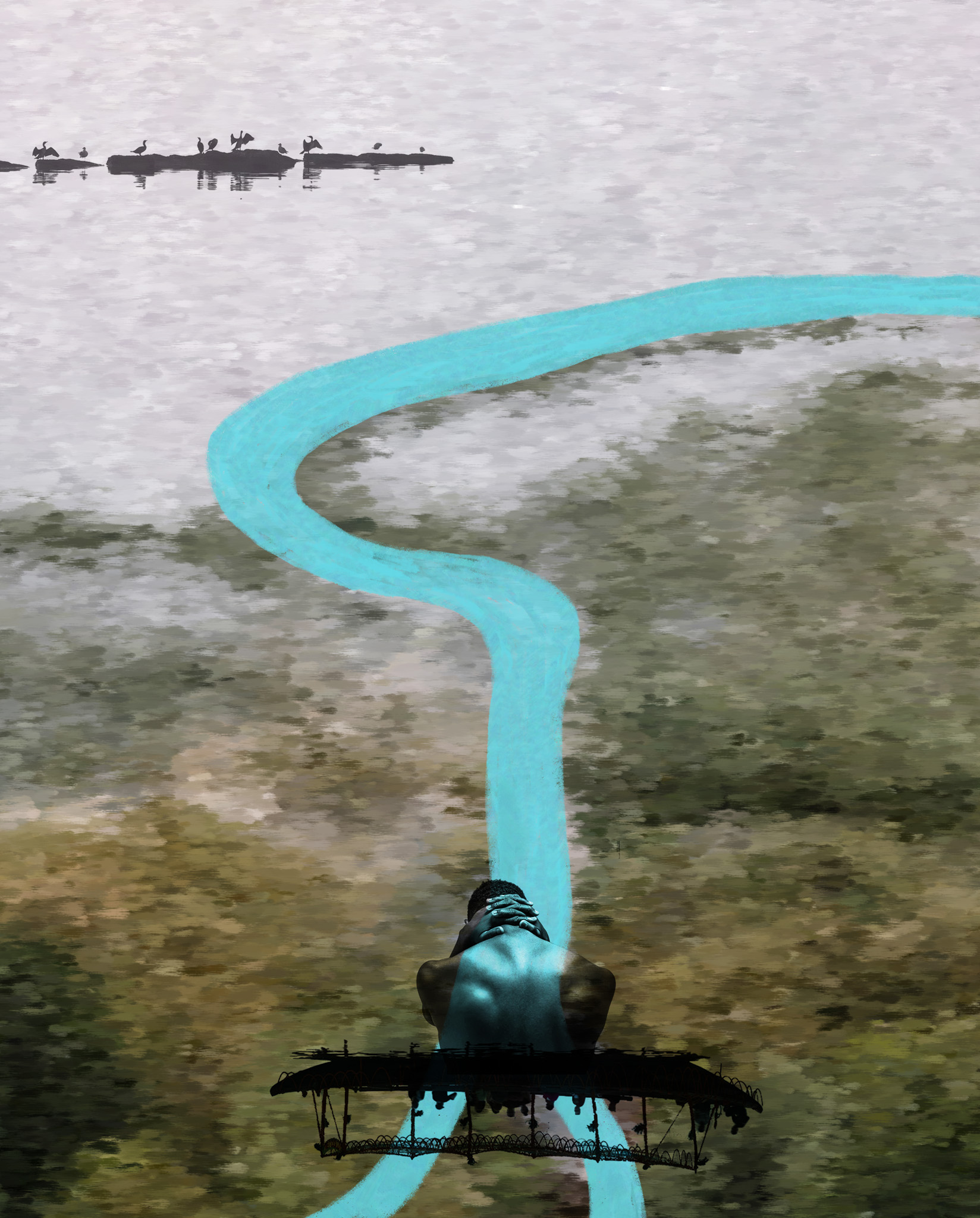
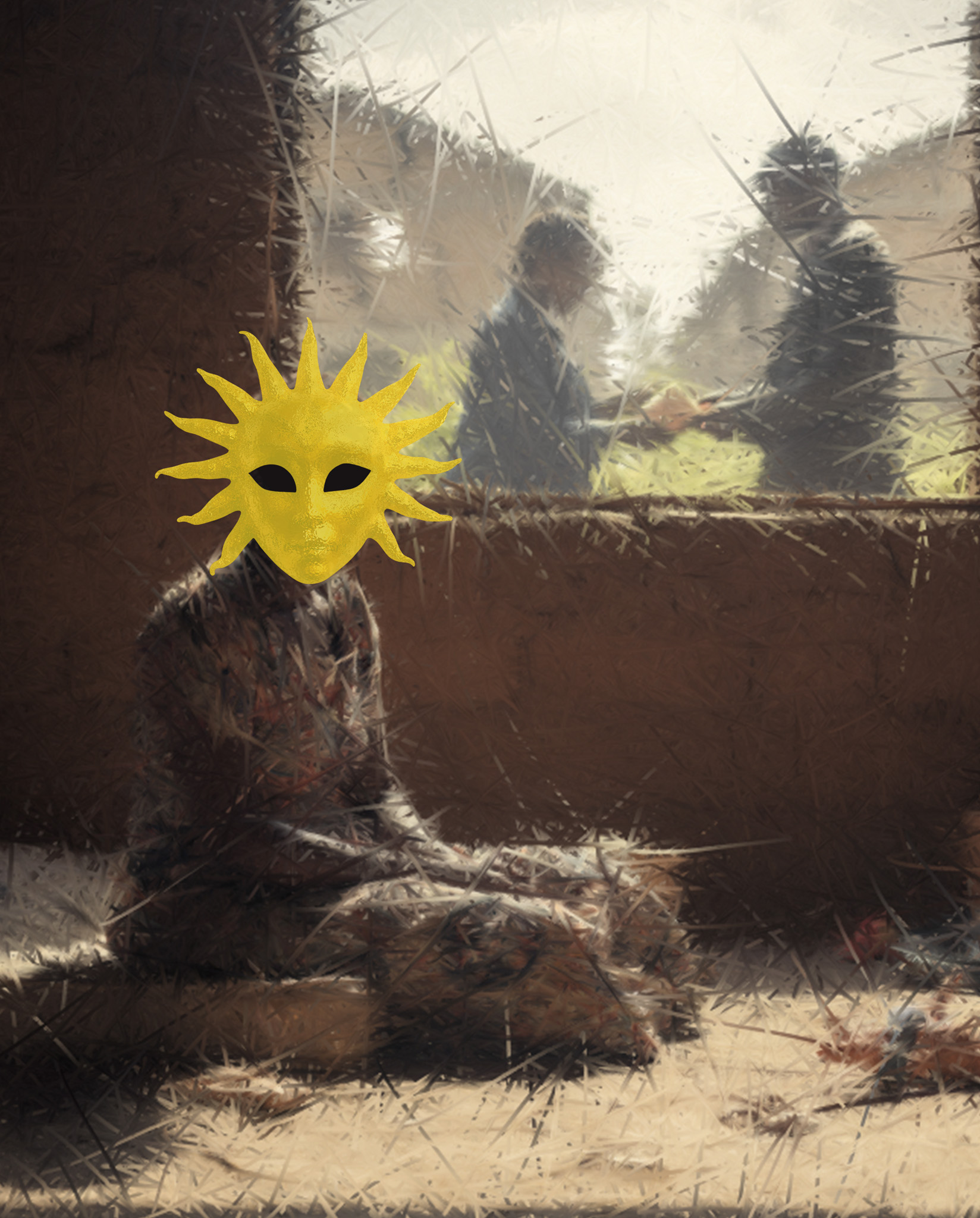
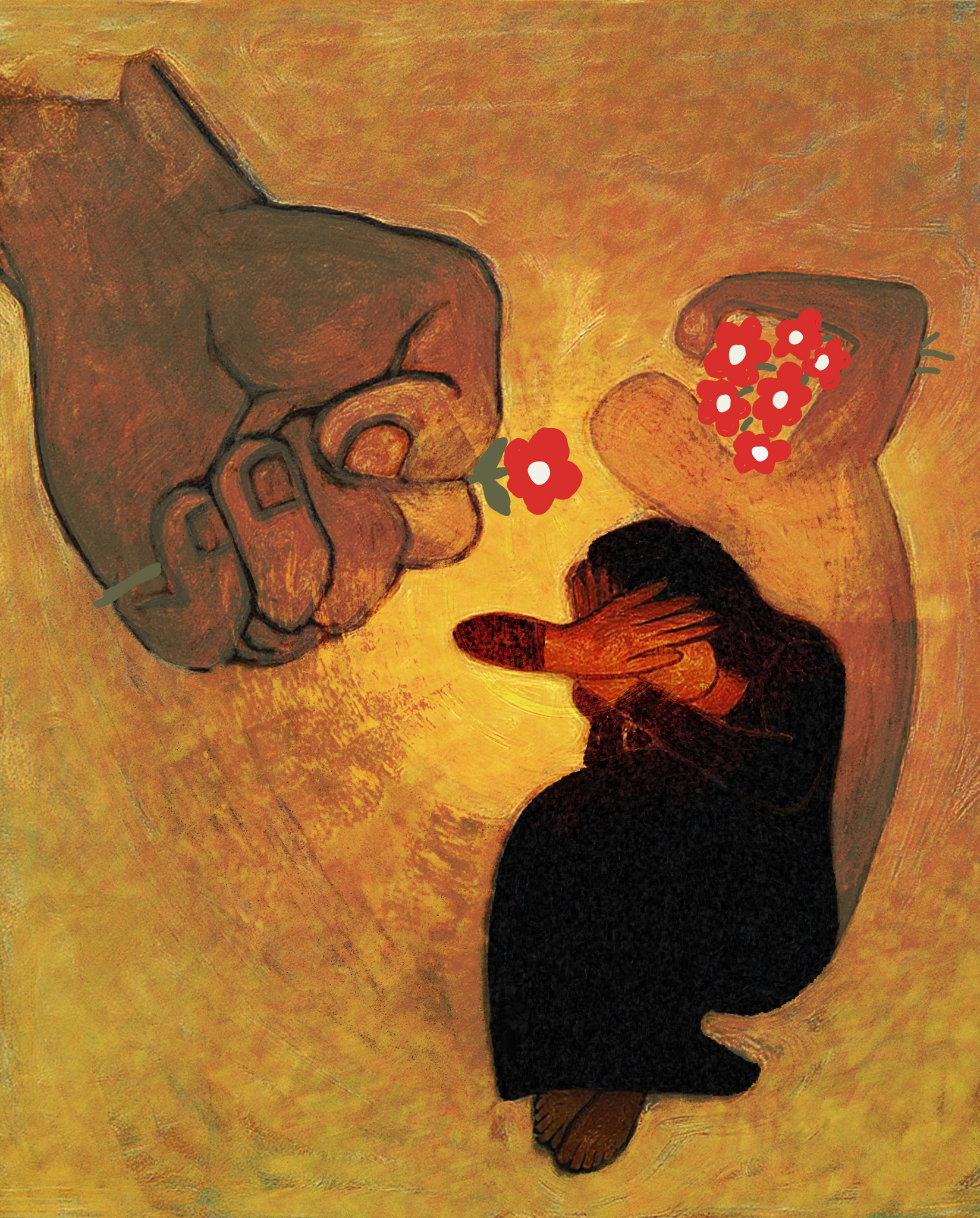
Each story is envisioned as both a mirror and a catalyst reflecting personal resilience while inspiring social transformation. The publication weaves together original illustrations to create an emotionally resonant and visually powerful collection.
This work redefined expertise in the fight against human trafficking by:
- Reframing expertise: Policymakers draw on lived experience to shape more humane and responsive laws
- Reimagining education: Universities integrate survivor narratives into teaching and research
- Strengthening care: Civil society uses these stories to design trauma-informed interventions
- Humanising data: Advocacy networks use the anthology to make the realities of trafficking visible and urgent
At the same time, the storytelling process itself is deeply healing for survivors. A journey of reclamation and authorship. By shaping their own stories, survivors reclaim ownership of their narratives and futures.
Ultimately, there is a cultural shift: one where survivors are no longer seen solely as victims of exploitation but as leaders, entrepreneurs, artists, and changemakers shaping the future of justice and dignity in Kenya.
The Anthology
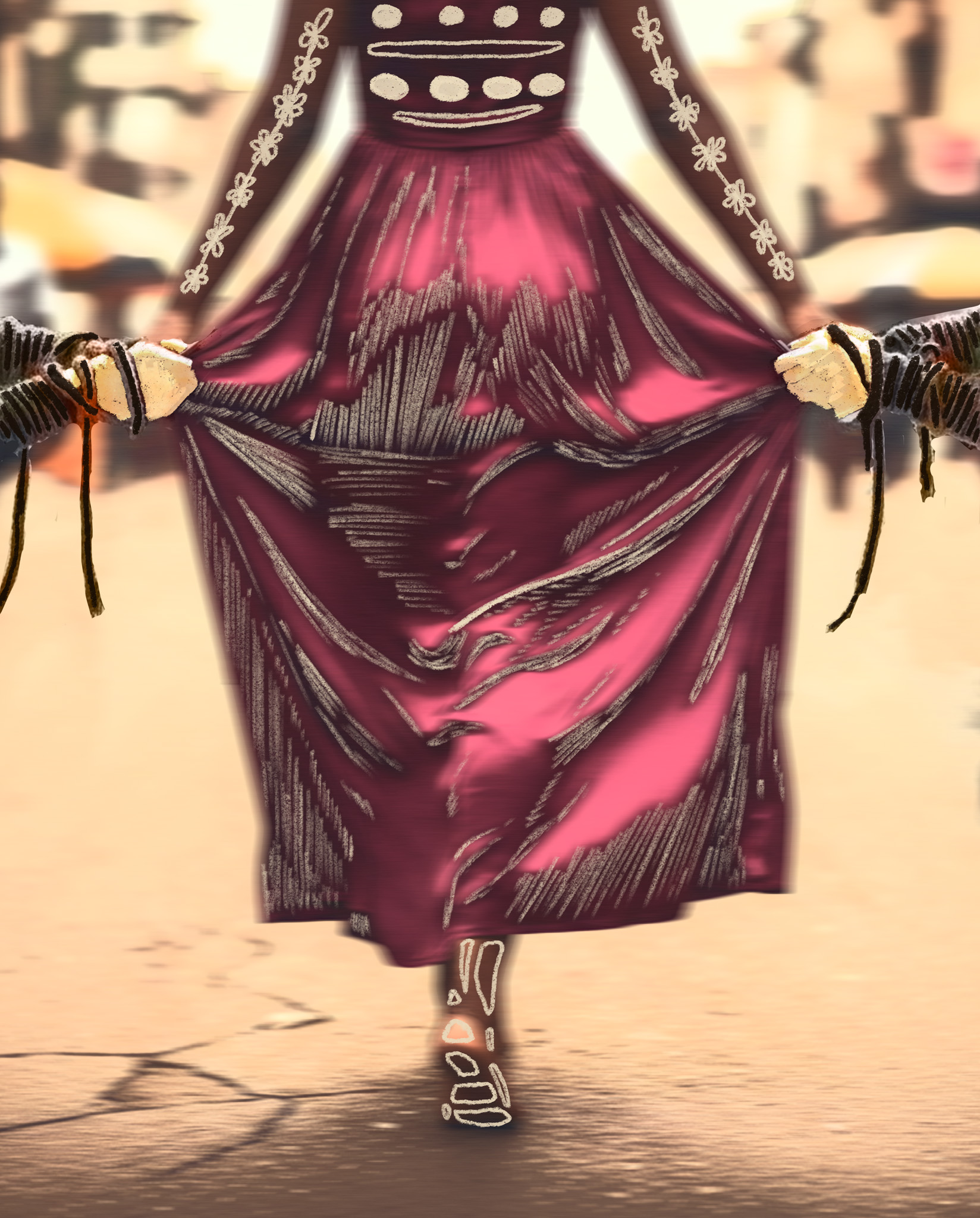
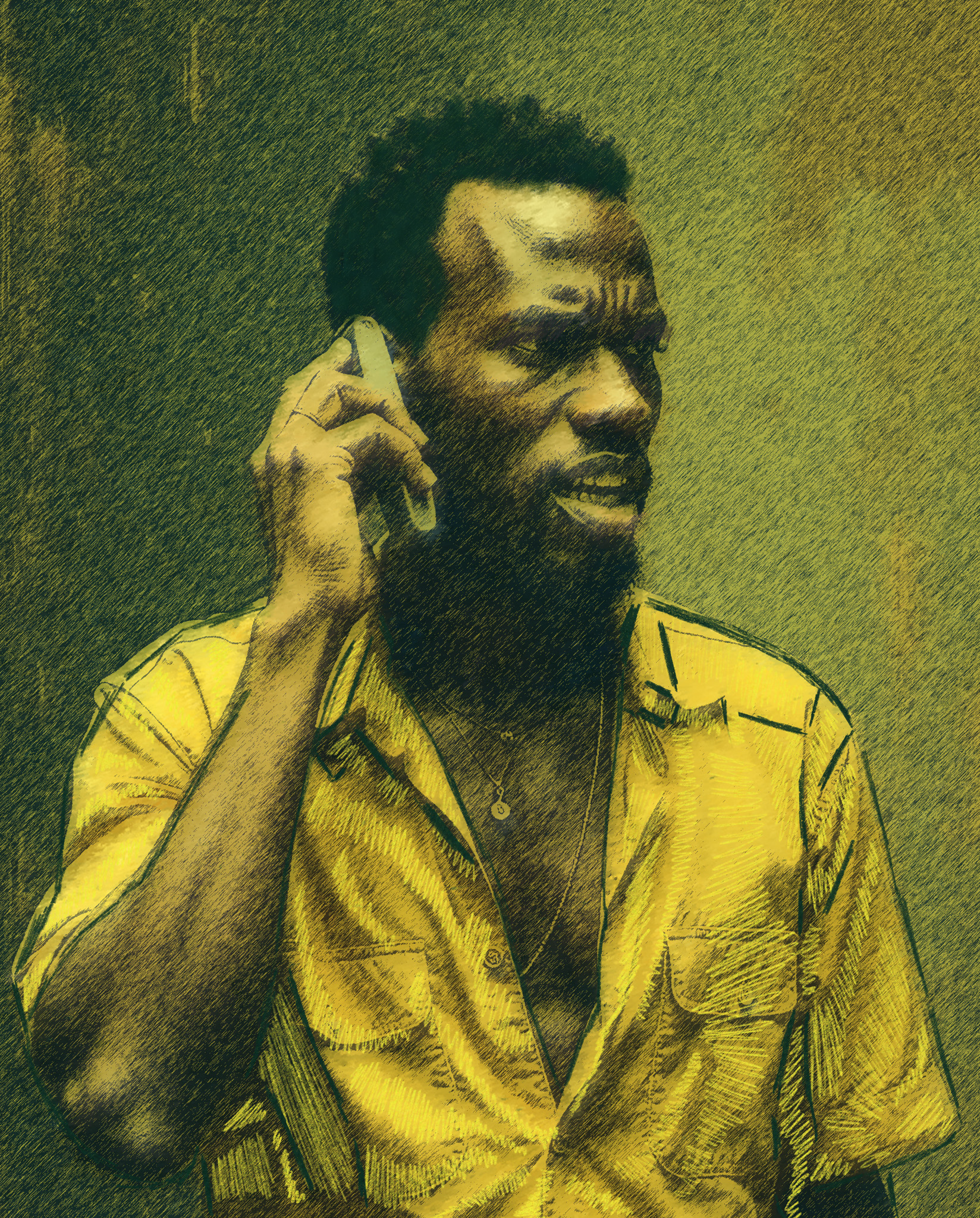
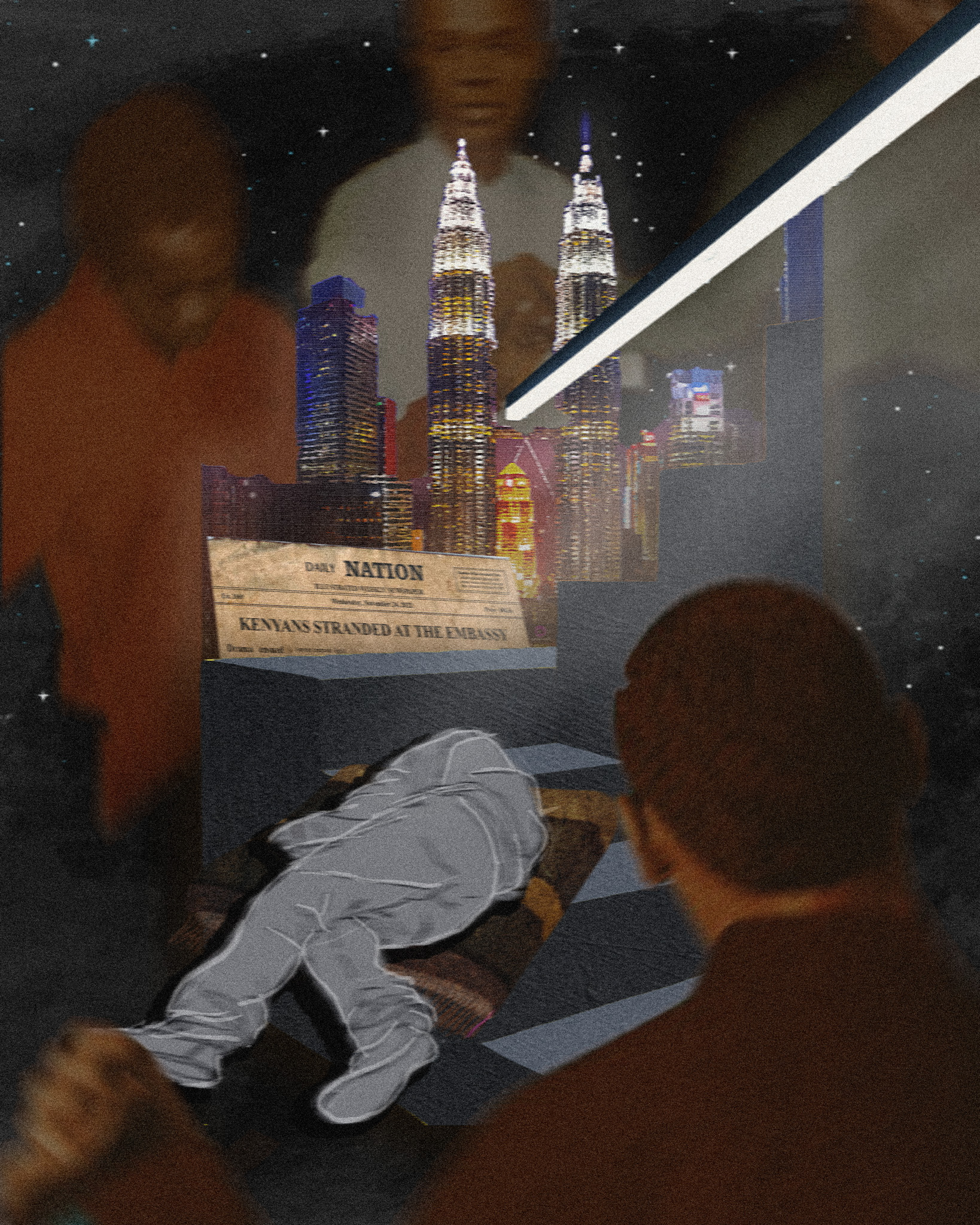
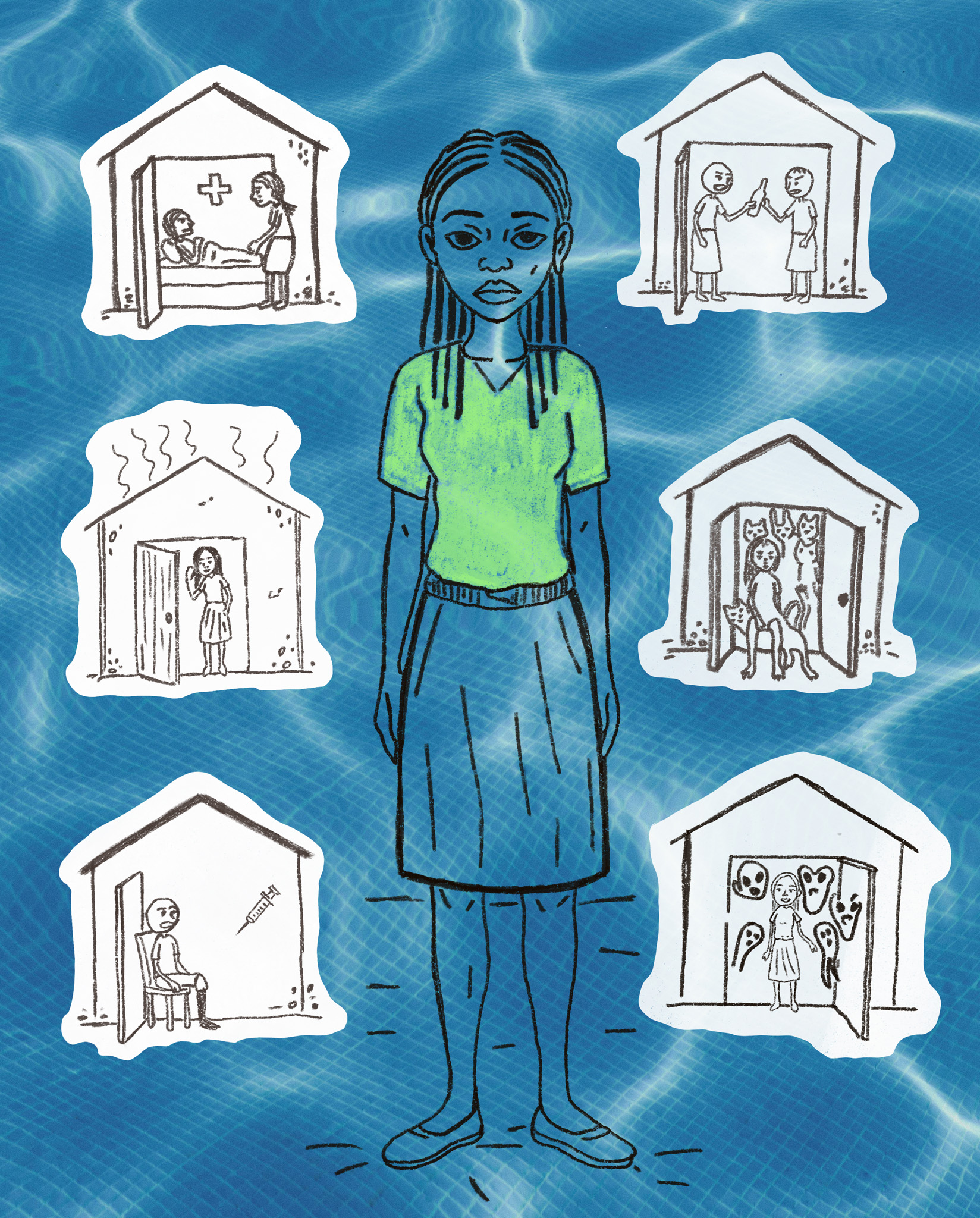
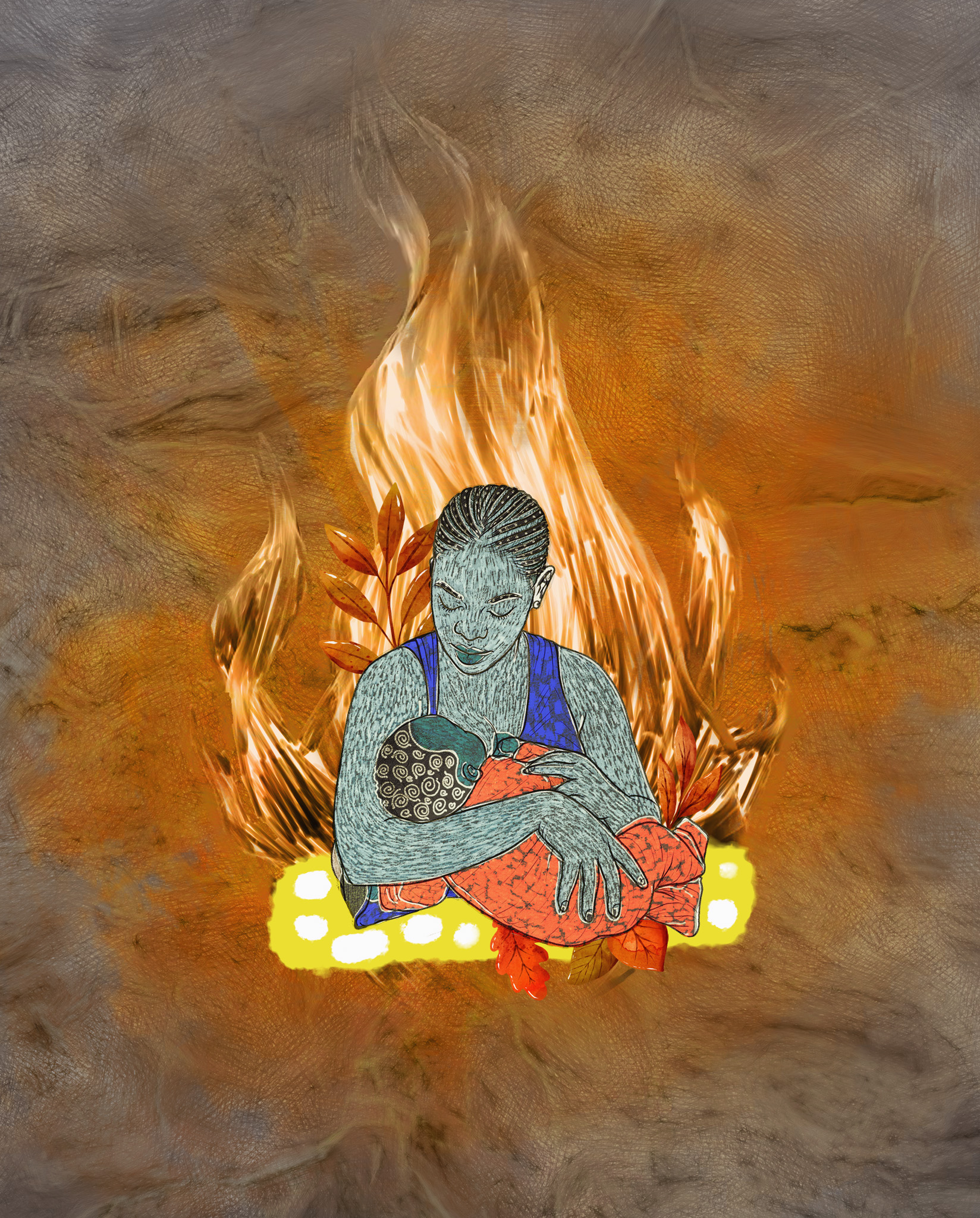
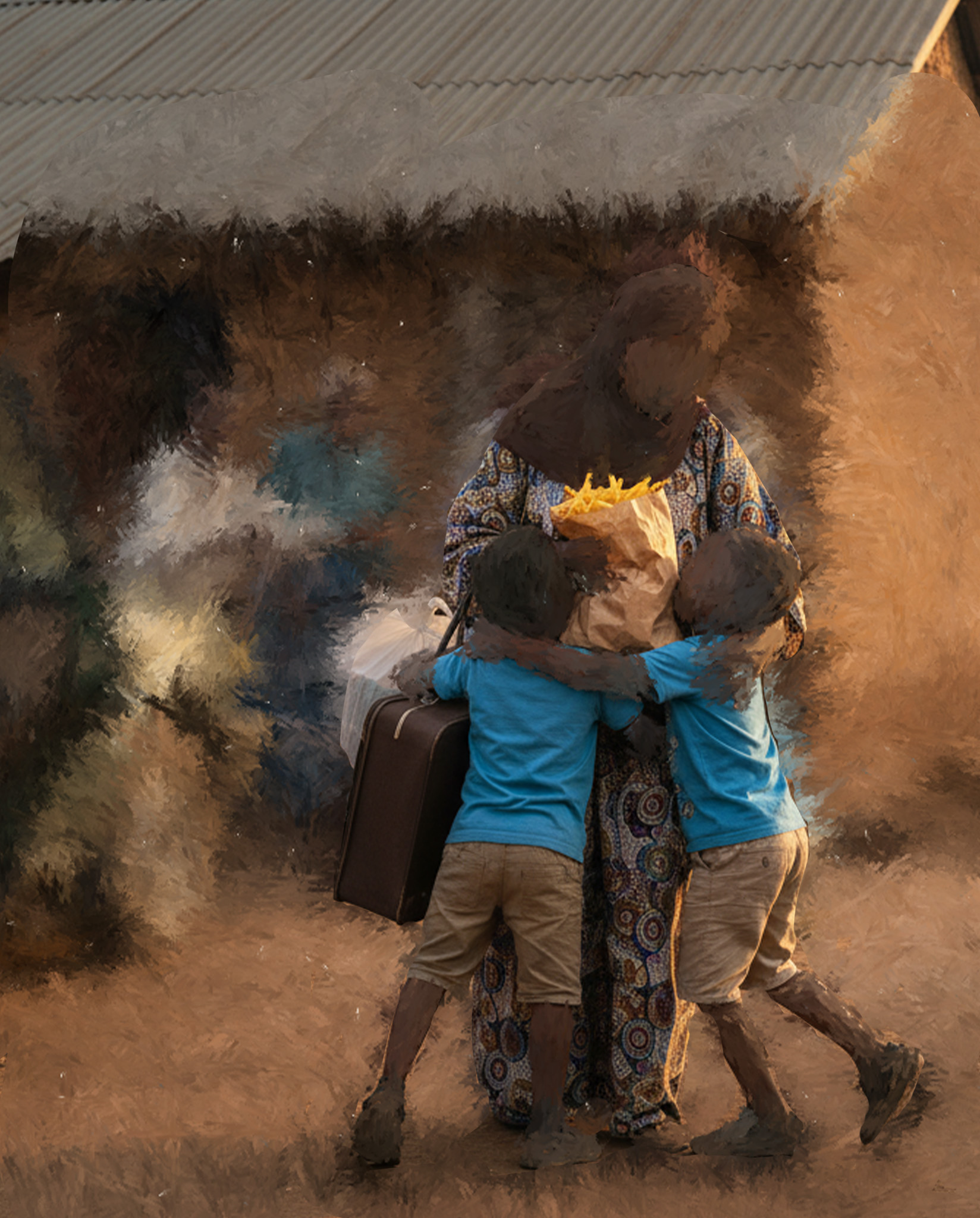
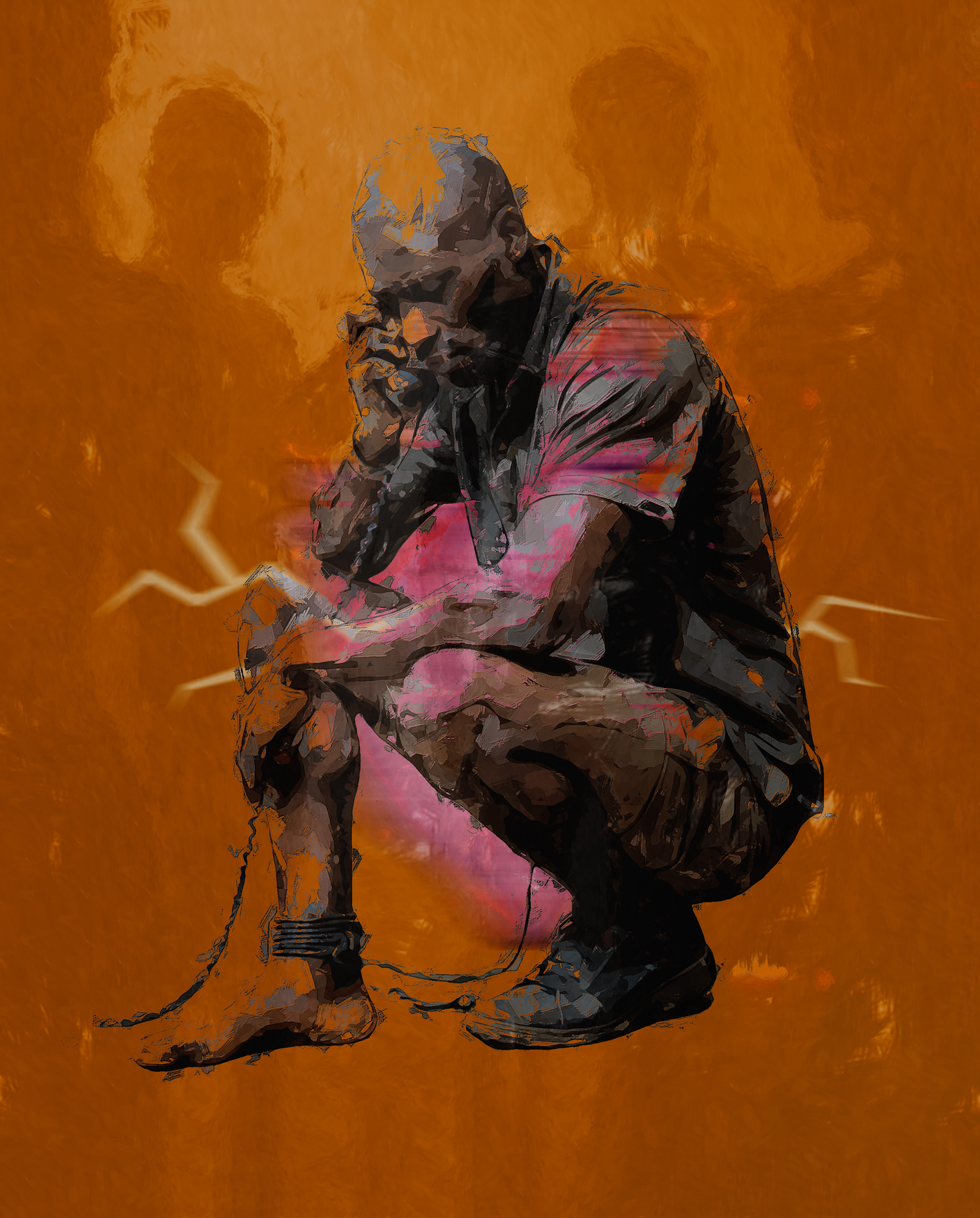
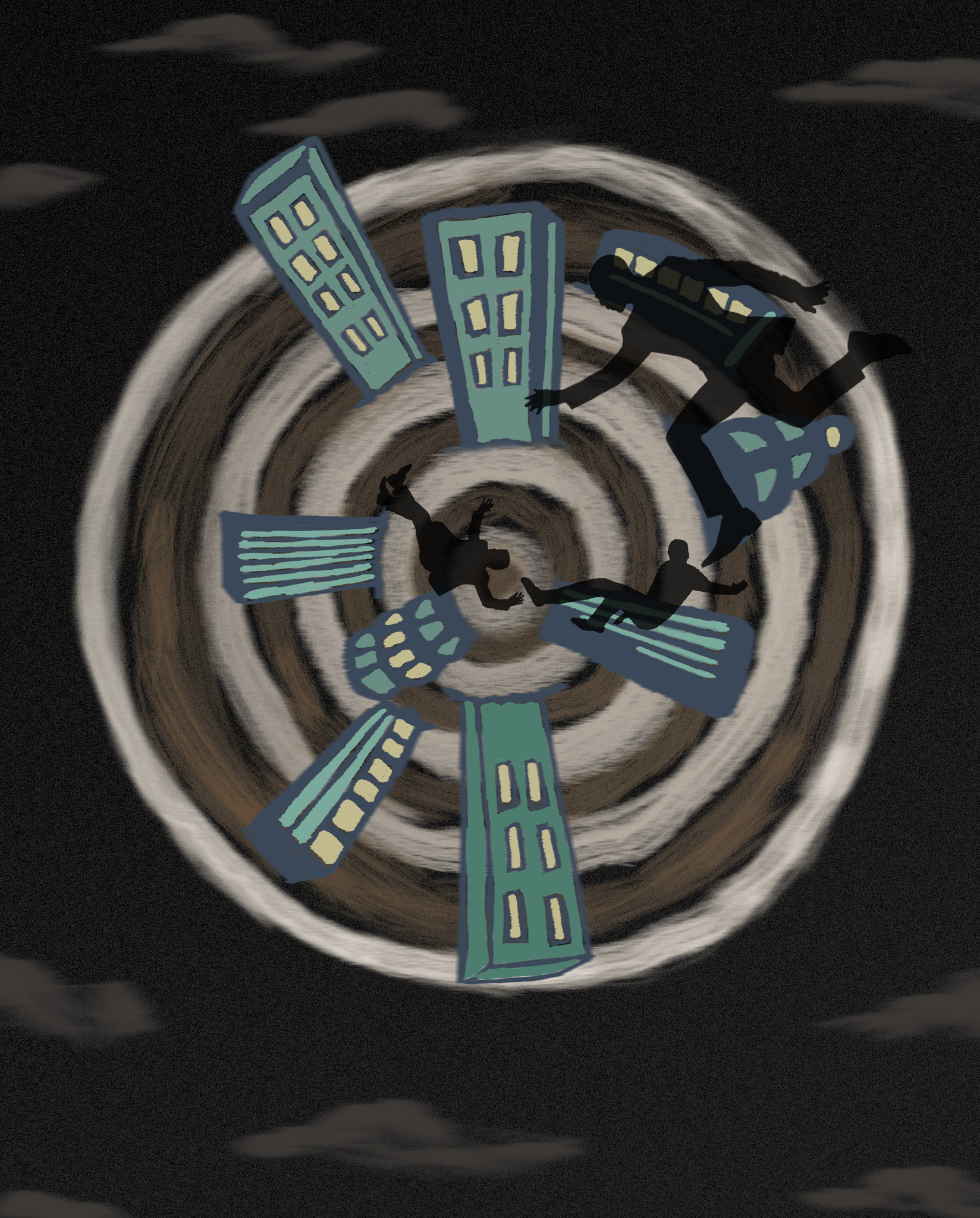
Read the individual testimonials of the survivors below.
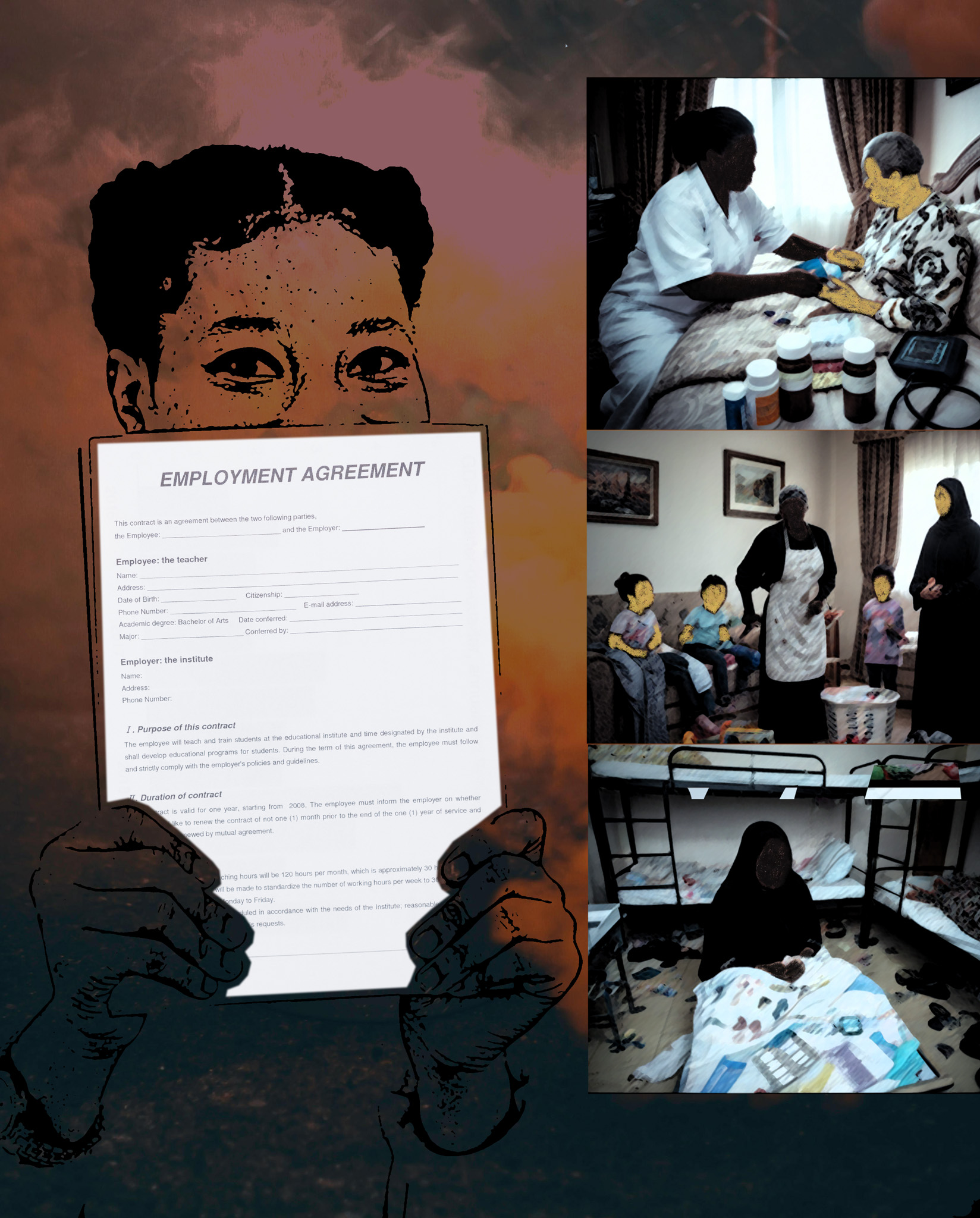
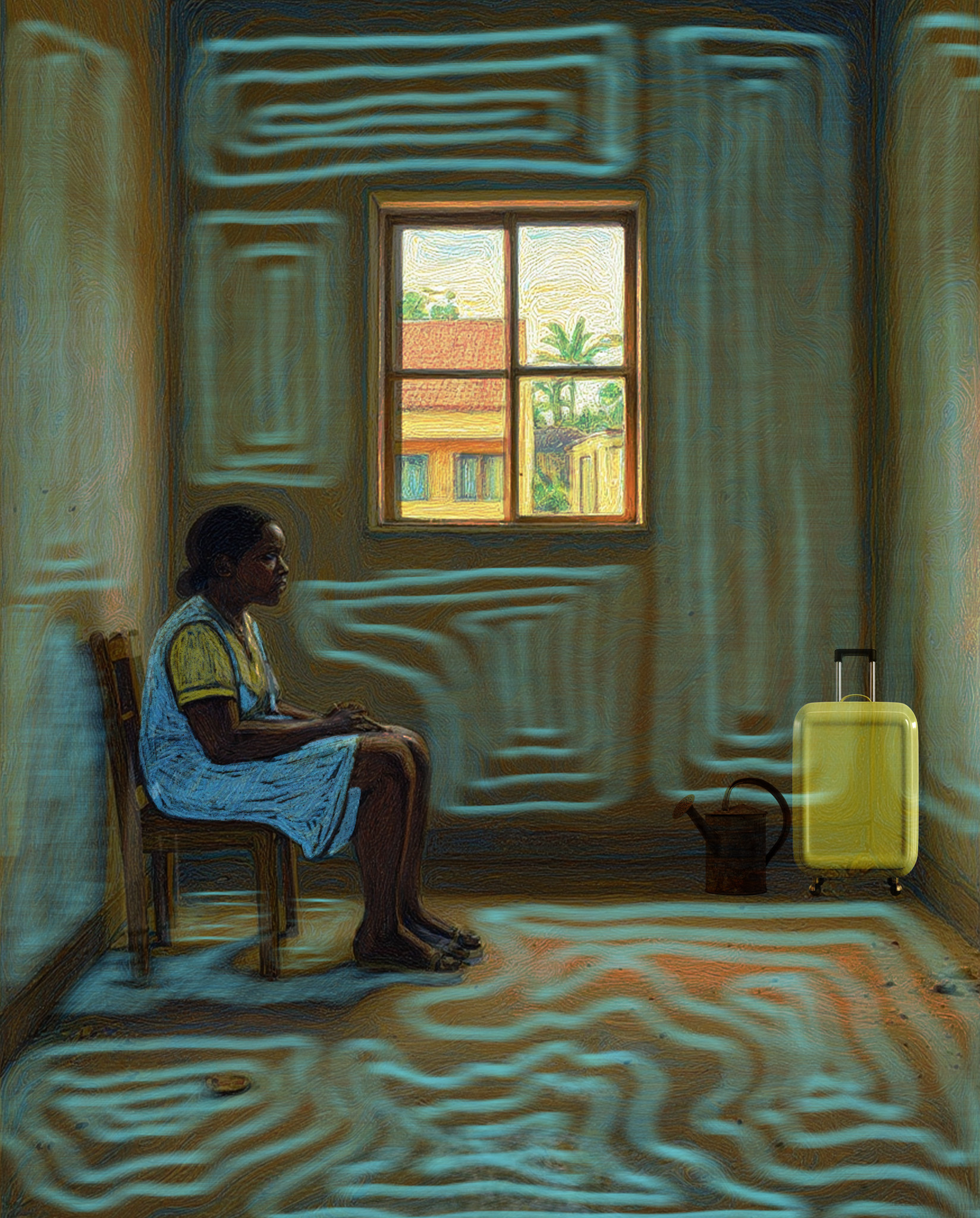
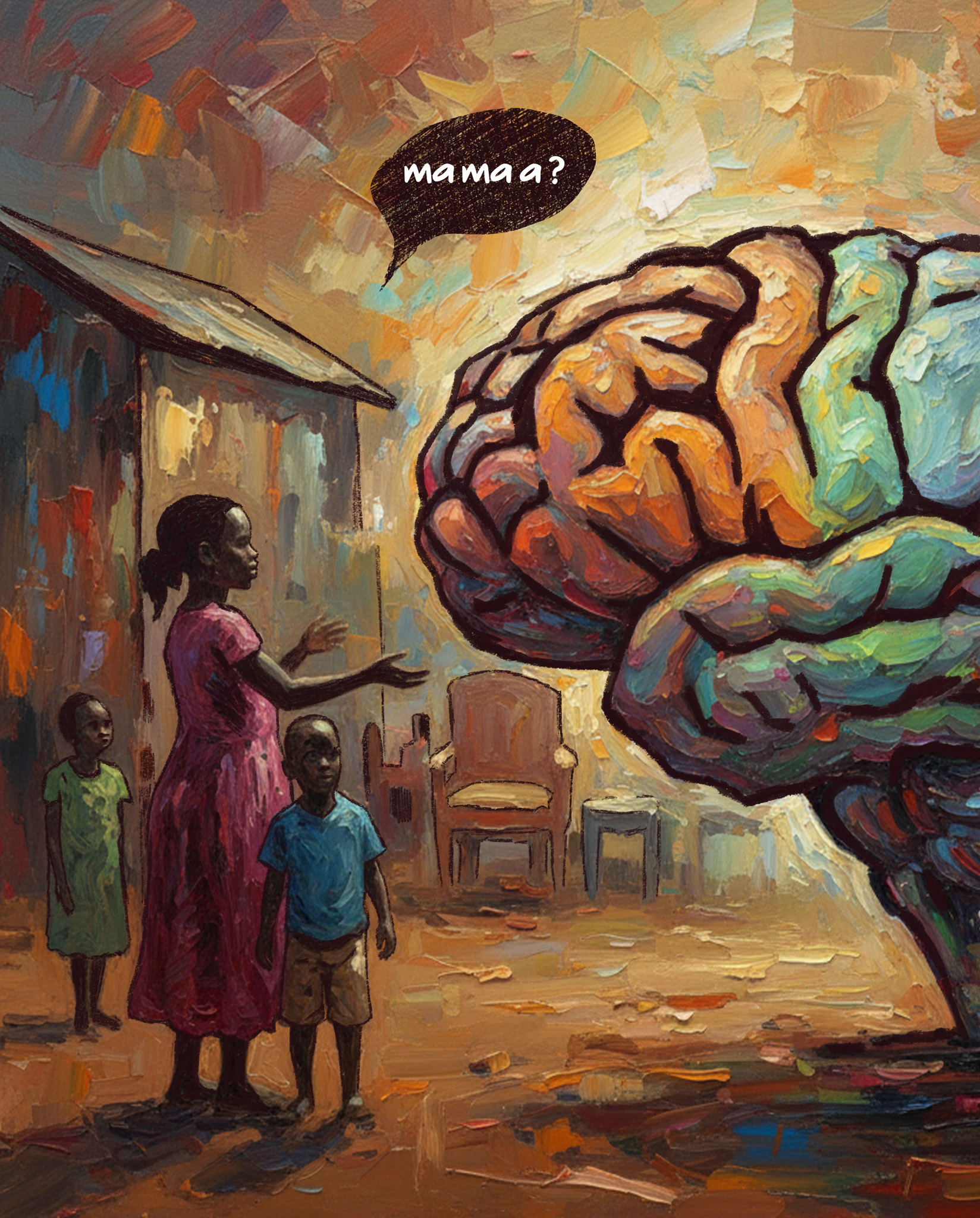
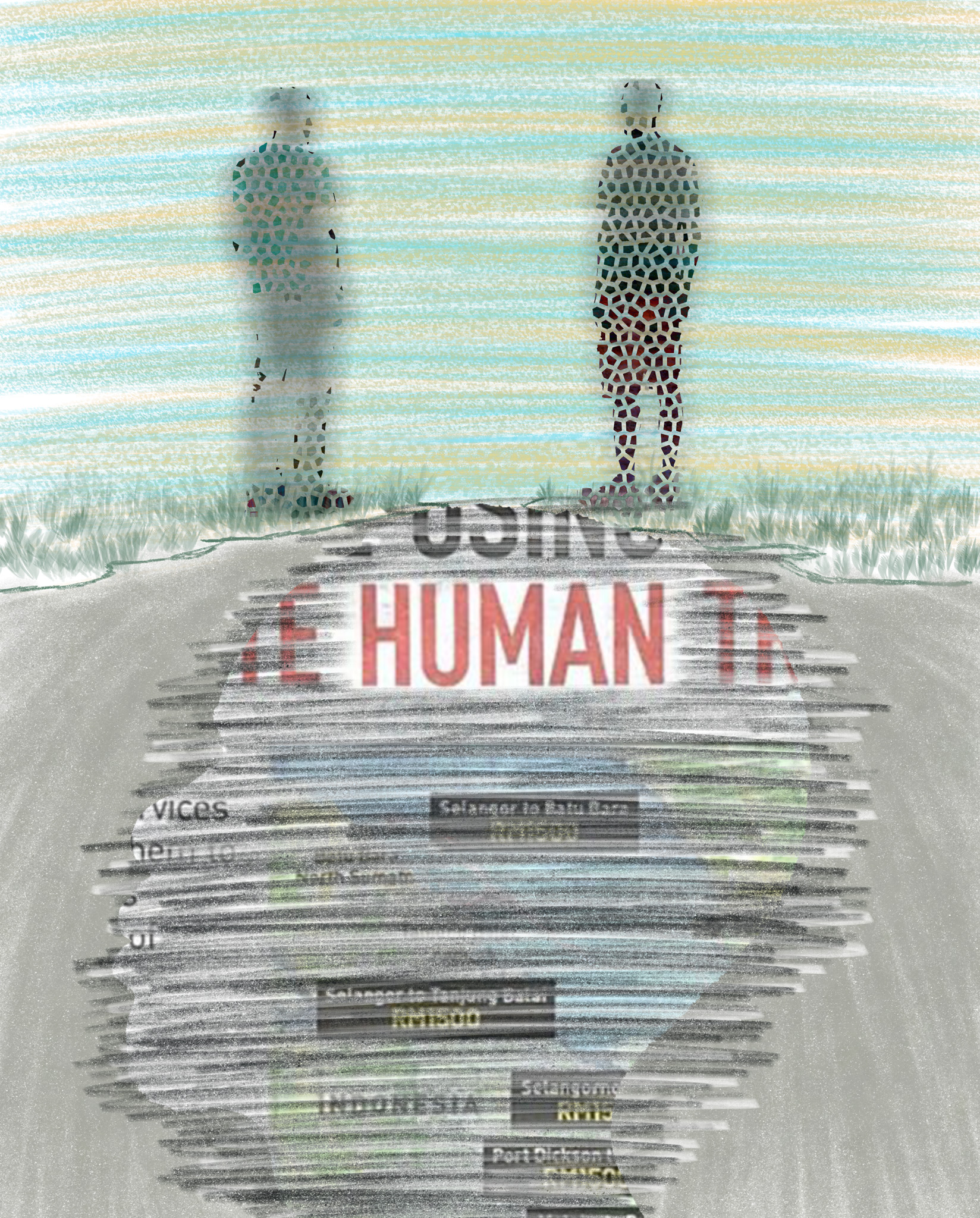
Next steps
The publication of Voices For Freedom is not the end of the journey, it is the start of a larger movement. With the anthology now live, our next steps focus on turning stories into strategy and storytelling into social change.
-
Taking the Stories Back to Communities
We will bring the anthology home to the people and places that shaped it. Through community dialogues, reading circles, and school engagements, survivors will lead conversations that deepen understanding of human trafficking and spark new ideas for prevention and healing.
-
Expanding the Digital Platform
The online edition will continue to evolve into a living, interactive space expanding to include new testimonies and expert reflections. We plan to add short films, audio narrations, and creative toolkits to make the anthology more accessible for educators, other survivors and advocacy networks. This expansion will ensure that survivor stories reach new audiences in powerful, participatory ways.
-
Embedding Learning and Advocacy
In partnership with universities, government bodies, and civil society, we will integrate the anthology into training, curricula, and policy dialogues. Our goal is to influence how Kenya documents, responds to, and learns from lived experiences of trafficking, shifting systems toward empathy, evidence, and equity. Keeping the promise of survivor-centred policies.
-
Inspiring a Regional Model
Finally, we aim to share this survivor-centered documentation model across East Africa. By combining art, research, and advocacy, we hope to inspire similar initiatives that restore dignity, amplify survivor leadership, and reimagine recovery as a creative and collective act.
Each story in this anthology is a beginning, a seed of change. The next chapter will be written not only by survivors, but by all who choose to listen, learn, and act.
Collaborators
- Winnie Mutevu: Advocacy and Partnership development Manager (HAART)
- Njeri Ragoi: Communications Officer (HAART)
- Kenneth Okello: Caseworker (HAART)
- Elena Sofia Fanciulli: Interviewer (COATNET)
- Luke Brennan: Writer from Leeds, England
- Yvonne Wamuyu: Writer/Storyteller, Kenya
- Esther Kiragu: Storyteller, Kenya
- Rehema Baya: Visual Artists, Kenya
-
Study With us
Research degreesStudy for a research degree at Leeds Beckett and you'll join a thriving academic community in an inspiring and supportive environment. Our research degrees team supports our increasingly active postgraduate research community and encourages students to make a difference to the university’s research culture and environment.
![Study With us]()
-
research with us
Research for businessLeeds Beckett University can conduct research on your behalf to help you to implement change and realise your business potential. Validating your ideas with academic evidence can be an essential part of winning contracts and fuelling business growth.
![research with us]()





