
Leeds Beckett University - City Campus,
Woodhouse Lane,
LS1 3HE
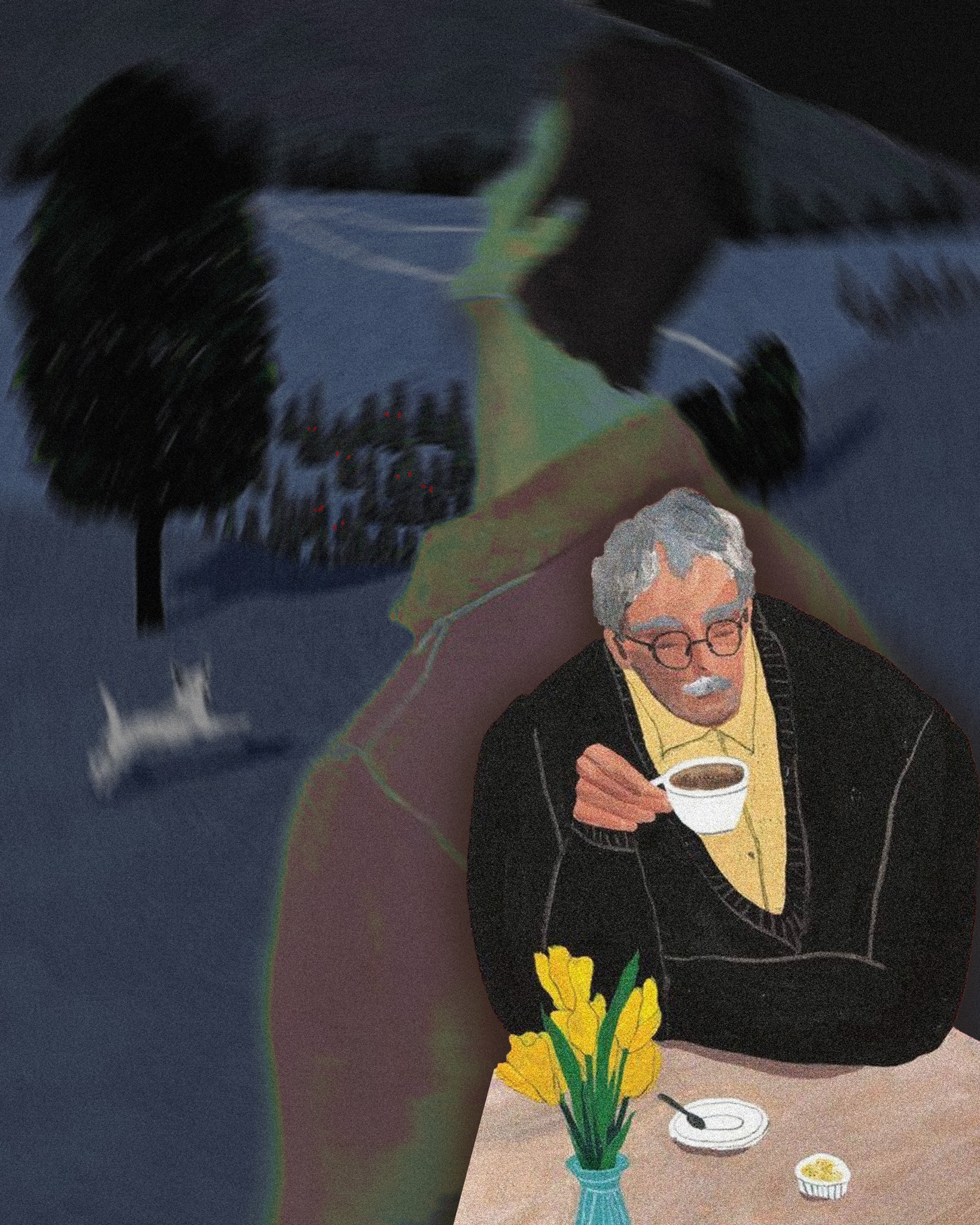
Groomed in Plain Sight
A story about how an Olympic dream was crushed.
At just 14, I was a bright-eyed teenager training for the Olympics. Like many young people in elite sports, I placed my dreams in the hands of adults I thought I could trust. With the smell of chlorine in my hair and medals in my sights, I had no idea the biggest danger wasn't in the water, it was waiting poolside.
***
A lawyer read about me coming 8th at the Junior Olympics in Nebraska in the local newspaper and contacted my mother. I was training in Ohio for several months and the lawyer kept tabs on my progress. He convinced my mother that he could make my Olympic dreams come true. He brought in other 'professionals,' promising to cover training, travel, and even offered financial assistance for the whole family. I didn't know it, but I was being groomed.
My mother was eventually persuaded to take part, believing she was acting in my best interest. She was reassured that I would be safe. She agreed to cooperate with them, ensuring that I was ready to go whenever they wanted me. I attended private parties, dinners, and special events. In return, they promised to cover medical exams, school fees, and other vital training costs. She was so proud to sign the papers, thinking she was furthering my athletic career. It felt wrong to me, like her love was becoming a trap.
I was mandated to attend private dinners with my benefactors on the understanding that they could help me get into college. A college degree symbolised stability, opportunity, and freedom for me. All I had to do was trust them, keep up my grades, and never disappoint the people 'investing' in me.
Slowly, the lawyer began introducing me to more adults - doctors, attorneys, and others who were part of a 'secret elite group'. They framed it as an honour, an exclusive network of powerful men who helped and protected each other and the boys they sponsored. Being chosen felt like winning until I realised I'd never agreed to play.
I was taken to the city to meet a doctor at his mansion, a place they called The Ranch. I stayed there several weekends and sometimes entire weeks. During these visits, the doctor hosted parties attended by other professionals. There were always four or five other young men there who were already in college, I was the only high schooler. We were categorised. Novices were called 'ponies', while those who had been around longer were called 'colts'. This kind of labelling was a method of dehumanisation, common in trafficking and abuse networks. It was designed to remove our sense of self, turning us into commodities.
The professionals would tell us what they wanted us to wear. I was almost always made to wear a white Speedo. We were presented to the guests for the silent auction. Guests would privately bid on who they wanted and how much time they could spend with them. I used to hold my breath, praying not to be picked.
The highest bidders 'won' their chosen boy, who would accompany them for the night, week or weekend depending on how much the winning bid amounted to. We were powerless to do anything about it because they were paying for our education, books, meals and training expenses. Without that support our dreams would die. We were trapped in a vicious cycle of violence and exploitation.
My coach was in on it too. He gained my trust and took control, reinforcing the idea that all this was normal. My coach convinced me that he understood what was going on and offered his support if I needed it. His sympathy made me feel special, cared for. I saw him as a hero, someone who would protect me.
In a world turned upside down, his attention felt like safety even though it burned. This isn't unusual; boys often look up to strong male figures in their lives and, in some cases, even idolise them. My coach intensified this by saying things like: "I've never felt so protective over any other boy before you." He said it had to be a secret because nobody else would understand.
He warned me that if I told anyone, it would ruin everything. That no one would want to work with me again. This kind of manipulation was especially effective on a boy my age, when what I craved most was social acceptance and to be taken seriously. My dreams were on the line. If the truth came out, I feared I'd never make it to the Olympics.
***
Coach began taking me on overnight trips to train with the college team. That's when the sexual abuse started. I was flooded with conflicting emotions: confusion, guilt, shame, and embarrassment. These feelings are common among adolescent boys who are abused, especially when they are just beginning to form their own identities and understanding of their sexuality.
Shame wrapped itself around me like a wet towel, heavy, clinging, impossible to shake off. I was subjected to a cycle of abuse, passed between new professionals every week. On top of that I still saw my coach every day. I began to spiral. I started questioning everything: who I was, and how I was going to continue to keep this secret.
There was no escape. I lived at home with my parents and mother had control of my documents. I travelled all the time, to major sporting events, to award shows, to my predators. I was told that if I did not comply with their demands, my parents would have to repay everything they had spent on me, they would be sued, possibly jailed and consequently, my siblings would be put in foster care. What else could I do but carry on, there was too much at stake.
My mental health suffered. I gave up on my dream of becoming an Olympian. I battled with suicidal thoughts, and I developed serious health problems. I had no access to help outside the special elite group of professionals and all they wanted was to keep me prisoner.
***
It was only later in my life, when I was teaching at Stivers High School for the Arts, that I tried to take my own life. Realising that I hit rock bottom forced me to seek help. I connected with other survivors, who helped me realise it was not my fault and I was able to start to put the pieces of life back together again. Tragically, my ties with my family were irreparable. Worse, the abuse changed how I felt about having a family of my own. I had lost faith in 'family'.
***
Today, I am invited to talk about my experiences of abuse. I have written books about grooming. The most significant insight I share is that grooming and trafficking are different processes, and usually depend on one's social and economic status. In my case, the perpetrators had money, power, and influence, so they groomed me slowly, but the result was the same, exploitation.
I now speak with clarity and conviction. I use the past tense; this happened to a version of me that didn't know better. I have committed to helping survivors to speak for those who can't: young athletes afraid to lose their futures, and men who carry shame because of silence and stigma.
Each time I share my story, I stitch back a part of myself that they tried to unravel.





