
Leeds Beckett University - City Campus,
Woodhouse Lane,
LS1 3HE
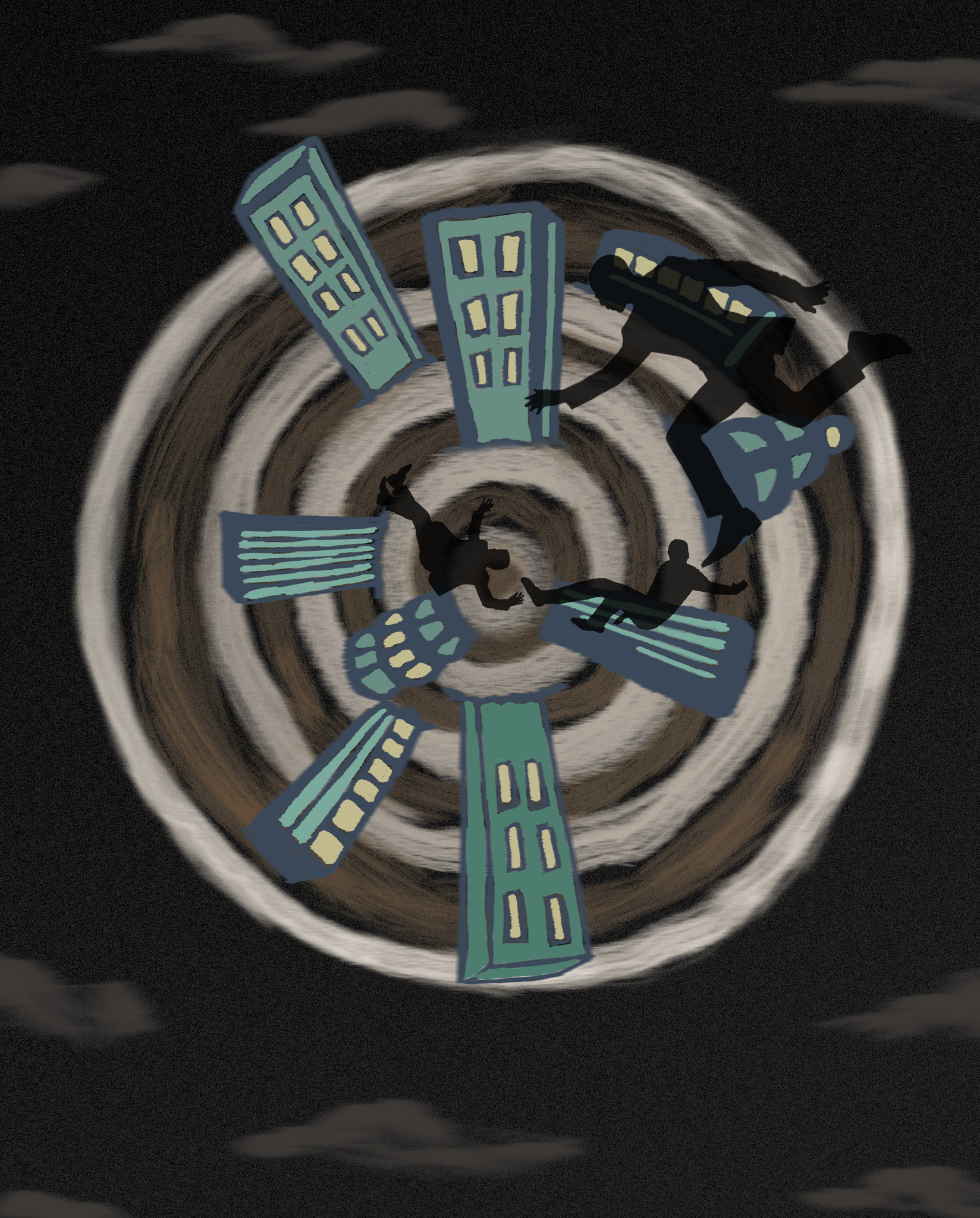
The Business of Survival
A story about Dominic's escape from slavery disguised as work.
They say the world rewards the bold, the hungry, the risk-takers. But at the car wash in Nakuru, boldness just meant cracked hands and soap stinging my eyes. Coins dropped into my tin clattering like promises too small to live on. That's the real business of survival: hustling so hard you can taste iron in your mouth, yet still coming up short.
I used to believe that human trafficking was about naivety, about foolish people making reckless choices. Now I know it's about economics. It's about the way ambition, desperation, and hunger collide. If you're small, broke, ambitious, and just daring enough to believe you can climb out, you become prey. Not because you're weak, but because you dared to believe hard work could save you. We don't fall because we're foolish. We fall because the system is rigged. This isn't just trafficking, it's economic selection.
***
My name is Dominic Bett. I come from Nakuru, the heart of Kenya's Rift Valley. I am the firstborn in a family of five. That isn't just a title, it's a weight. My parents had already stretched themselves thin to educate me. They sold maize, milk, and goats to put me through university, where I graduated with a degree in Geography. When I held that paper, I thought it was armour. But armour doesn't fill your stomach, and armour doesn't pay your siblings' school fees.
So I hustled. I opened a small car wash. A dusty lot, a few buckets, endless streams of boda bodas. I scrubbed until my palms split and the soap burned the cracks raw. At night, my knuckles throbbed so hard I couldn't sleep. Coins clinked into a rusted tin, never enough, but better than nothing. At least I could say: I'm a businessman. People nodded when they heard that word. It carried respect, even if all it meant was me standing barefoot in mud, fighting for rent.
Then came the friend who introduced me to an agent. He spoke like opportunity itself had knocked on my door. "Malaysia," he said. "One hundred thousand shillings a month." It sounded unreal, more money than I'd ever seen at once. I lay awake nights, picturing what that money would do. My brothers in school. My mother could rest. Maybe even buying land, building something permanent. A dream so vivid it felt like I could already touch the crisp bills, smell the fresh cement.
But a small voice nagged: what if it was too good to be true? I pushed it aside. Dreams are louder than doubts. I sold what I could, borrowed the rest, and paid. Over 400,000 shillings in all, agency fees, documents, the ticket. I told myself it wasn't desperation. It was an investment.
When I landed in Kuala Lumpur, a man met me at the airport. He drove me to a hotel, smiling like a friend. The next day, everything shifted. My passport was taken. I moved to a town called Seremban. There, I saw other Kenyans. Thin. Nervous. Their passports gone, their salaries unpaid. They whispered warnings with their eyes.
The job I'd been promised was data entry. Clean, easy, something my degree prepared me for. Instead, I was hauled into a loading yard. Crates, trucks, sweat, hunger. From morning until night my back bent double, my hands blistered raw. The porridge we ate barely touched the ache in my belly. Supervisors' boots echoed against concrete like war drums; always listening, always ready to strike. And always, the threat: complain, and we'll call the police. Without documents, you're nothing but a criminal.
It was slavery, dressed in contracts.
Back home, the car wash collapsed. Within weeks of my departure, everything I'd built was gone. No income, no fallback, no pride. I had lost two worlds at once: the small business I'd carved with my hands, and the future I thought I was buying abroad. The weight of that loss nearly crushed me.
But I refused to die in silence. One night, with a few others, I walked out. Hearts pounding, we crept through alleys, ducking from headlights, pressing ourselves into shadows when dogs barked. Every footstep felt like a gamble.
We got lost. Signs in strange languages blurred in the dark. My chest tightened with panic. Each unfamiliar street was a question: forward, or straight into danger? After hours of weaving through the city, we found the Kenyan embassy. Relief slammed into me so hard I nearly wept. But even then, freedom wasn't immediate. I stayed there for nearly a month. At first, it felt safe, like I'd found shelter. But soon it felt like another prison. I couldn't go out. I couldn't work. I couldn't even plan my own return without money.
Days blurred. Hunger gnawed when my savings dried up. Shame pressed down heavier than hunger. At night I lay awake, replaying every decision that had led me here. Each knock on the door made me flinch; was it my chance to go home, or another delay? Limbo eats you alive.
Eventually, I scraped enough for a ticket. When I boarded the plane back to Nairobi, it wasn't a victory. It was a retreat.
Homecoming should be joyous. For me, it was shameful. I had nothing. No savings. No business. No dignity. I had spent two years of my life, and nearly half a million shillings, only to come back empty-handed. But my family surprised me. My mother held my hands and whispered: "We know your heart was in the right place." My siblings teased me until laughter cracked through the silence I'd been carrying. Their faith in me became a bridge back to myself.
***
It took time. Two years of starting again from zero. Counselling, prayer, and the slow rebuilding of trust in others, and in myself. Now, I rear hybrid sheep. It's small, fragile, but it's mine. Each bleat at dawn feels like a promise that I'm still here, still standing. Every scar on my hands whispers the same truth: trust, but verify. Dreams can be used against you. Agents sell illusions, and the cost is your dignity, your freedom, your life.
If I had walked into the Malaysian embassy before leaving, maybe I would have known better. But I didn't. And that mistake cost me more than money. It cost me time I will never recover.
Still, I am alive. Still, I am rebuilding. Because the business of survival isn't about winning or losing, it's about refusing to stay down when the system tries to break you.





