Why
We are living in a challenging global environment that is characterised by compounding crises and associated shifts in organisational thinking and worker expectations. As 60% of employees plan to change jobs within 12 months (Aon, 2025), it has become even more important to support those who are navigating these career transitions, particularly given potential, associated challenges around self-identity and ability to cope (Louis, 1980).
Against this backdrop, there is increasing interest around how we might draw on ‘pracademia’ (Hollweck et al., 2022) to bring together Higher Education (HE) and external organisations in generating multiple benefits for all involved. Examples include developing more:
- meaningful research and knowledge exchange partnerships;
- relevant teaching, learning and assessment opportunities; and
- informed employability programmes.
To do this, we need to address calls for recognising and rewarding the potential contributions and value that pracademics can bring as part of a diverse faculty (Dickinson and Griffiths, 2023), including: transgressing boundaries, serving as network brokers, and creating new channels to enhance cooperation and communication (Powell et al., 2018, Panda, 2014).
What
Our project builds on findings from the collection that Professor Jill Dickinson co-edited on Professional Development for Practitioners in Academia: Pracademia, and is a collaboration between Leeds Beckett University and Northumbria University. Funded by The British Academy/Leverhulme Small Grants Scheme 2024, our project responds to calls for universities to strengthen HE industry connections by exploring how pracademics renegotiate their professional identities as they navigate HE research culture (Johnson and Ellis, 2023; Huey and Mitchell, 2016).
Our project seeks to achieve this overall aim through exploring the following research questions:
- What do pracademics understand by the phrase ‘research culture within HE’?
- To what extent do pracademics perceive themselves as able to engage in, and navigate, the research culture within HE?
- What other factors do pracademics perceive as either supporting or inhibiting their potential to contribute to the research culture within HE?
As newer universities in the UK have traditionally recruited more pracademics (Obembe, 2023), and are increasingly focused on strengthening their research profiles (Perkmann and Walsh, 2007), our research invites those who self-identify as pracademics from such institutions to share their perceptions through a survey and focus group discussions. Drawing on Professor Dickinson’s previous experience of using creative research methods (see, for example, Dickinson and Wyton, 2019; Dickinson et al., 2020; Dickinson and Griffiths, 2023), we will be inviting participants to select, and bring with them to the focus group, an artefact which they believe represents their professional journey as a pracademic.
Project team
- Professor Jill Dickinson. In this piece on ‘A Juggling Act? Navigating academic practice’ (Association of Law Teachers, (2025), Professor Dickinson explores how her own journey from solicitor to academic helped inspire this project.
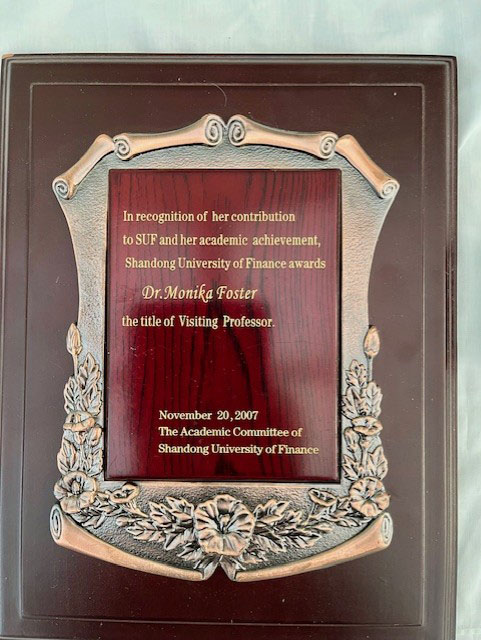
- Professor Monika Foster explains how: ‘My interest in exploring this area has come from two personal experiences, first from being a pracademic myself, having worked in industry, I had to adjust my professional identity to successfully navigate the research landscape whereby I positioned my research in business education to help me apply my practitioner experience to prepare students for the world of work. Secondly, over the years I have been fortunate to work in the Business Schools alongside academics with practitioner experience. I observed how they integrated their practitioner experience into teaching and research, but they also had to re-negotiate their identities to fit within the academic research which is not an easy process and one that I am curious to explore, including ways we can support those very valuable colleagues and help them thrive as pracademics’.
- Debbie Rigby (Leeds Beckett University) notes how: ‘Entering academia later in my career was very exciting and a rewarding challenge but it has added another layer of complexity. At times, there seemed to be an assumption that I already understood institutional language and processes, even while I was still trying to decode them. This mismatch, coupled with moments of imposter syndrome, highlighted just how difficult it can be to navigate the boundary between practice and academia. The pracademic project resonated with me because it creates space to explore these often invisible forms of emotional and professional labour. Working on the project is also providing me with valuable experience collaborating with other pracademics and further developing my skills as a researcher. I am interested in understanding whether others share similar experiences, how pracademics negotiate their identities and how universities recognise and support practitioner expertise. For me, the project offers an important opportunity to give voice to those working to belong meaningfully in both worlds.’
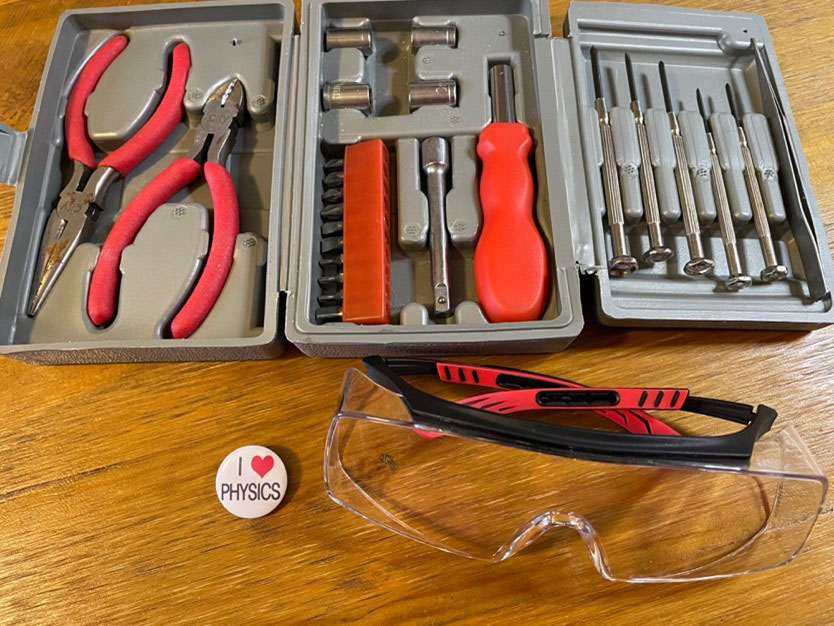
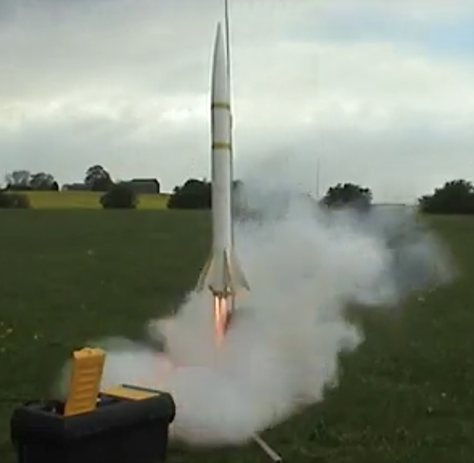
In this spirit of the creative research method that we’re adopting for this project, we are each sharing photographs of artefacts on this webpage that we believe represent our own career transitions.
Impact
We anticipate that the findings from the project will be of interest to: policymakers, HE-related charities, senior university leadership, human resources and organisational development, research development, those who self-identify as pracademics, and those who have pursued academic contracts immediately after completing postgraduate study.
Further information
For further information about the project, please email Professor Dickinson at: s.j.dickinson@leedsbeckett.ac.uk.