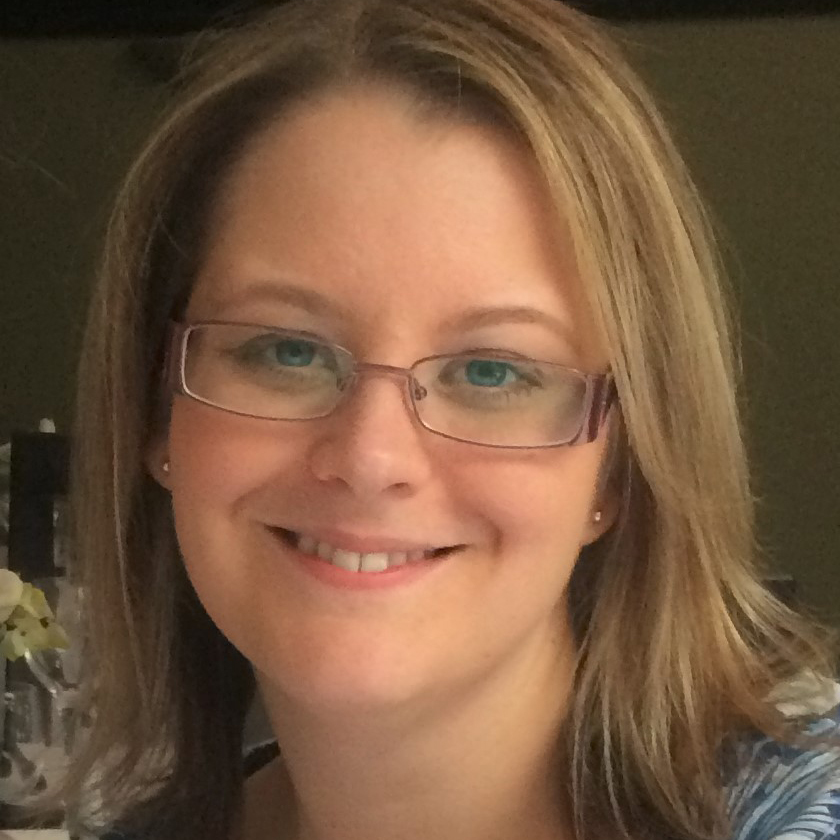
Claire Powlesland

Claire Powlesland

Postgraduate researcher

Claire is a Therapeutic Radiographer and clinical researcher combining a PhD at Leeds Beckett with her role as an Advanced Clinical Practitioner in Gynae Oncology. Her research is focussed on co-designing services to support those living with the adverse late effects of their cancer treatment.

Claire Powlesland
Claire Powlesland

About

Claire is a Therapeutic Radiographer with a specialist interest in gynaecological cancers and their treatment. She has worked in Radiotherapy since 2003 after qualifying from The University of Central England in Birmingham [Birmingham City University]. Claire is an applied clinical researcher currently working as an Advanced Clinical Practitioner at the James Cook University Hospital in Middlesbrough as well as studying at Leeds Beckett University. She is currently undertaking a part time PhD co-funded by the College of Radiographers and Leeds Beckett University.

Prior to commencing her PhD, Claire undertook an MSc in Advanced Clinical Practice with a focus on Gynaecological Cancers. She completed an interpretative phenomenological analysis (IPA) to investigate women’s experiences of information, education and support when undergoing pelvic radiotherapy for gynaecological cancer.

The principal outcome from the IPA was the sense of abandonment that patients feel once treatment is complete. This is reflected in other studies where it is recognised that the burden of ongoing side-effects combined with no longer having daily contact with healthcare professionals can leave patients feeling overwhelmed.

Prior to undertaking this work Claire was aware that whilst health professionals frequently act in what they believe to be in the best interests of the patient, they don’t always ask. By undertaking the IPA, Claire was able to understand the patient’s perspective much more clearly and through this work she became passionate about codesigning services with those who will use them.

Journal articles

Women's experiences of information, education and support when undergoing pelvic radiotherapy for gynaecological cancer: An exploratory qualitative study - Radiography.

Project Description

Developing and Evaluating a Co-Designed Late Effects Service for Those Who Have Completed Radical Chemoradiotherapy and Brachytherapy for Locally Advanced Cervix Cancer

As survival rates increase, with new multi-model radiotherapy regimens so does the significance of prevention and improvement of long-term effects of cancer treatment. The often irreversible (Andreyev, 2007) chronic radiation induced late effects affecting the gastrointestinal, neurological, sexual, and urinary and systems are impacting patient quality of life (Adams et al., 2014; Grover et al., 2012; Lind, Waldenström, et al., 2011; Nicholas et al., 2017; Ntinga & Maree, 2015). The effect of these long-term problems on patient's wellbeing must be understood in order to develop ways of maximising quality of life of those living with the consequences of cancer treatments. Unfortunately, due to the lack of provision of specialised services, these patients do not get the high-quality help that is needed to support the timely management of the late effects of cancer treatments.

Patients with lower self-efficacy and higher disease burden such as those living with the late effects of radical chemoradiotherapy and brachytherapy for cervix cancer, have a lower QoL (Peters et al., 2019).  Health professionals need to provide self-management support to assist patients in living with the long-term late effects of their cancer treatment as higher levels of self-efficacy may lead to enhanced QoL (Peters et al., 2019).

This PhD will seek to address this by both developing and evaluating codesigned late effects services to develop a high-quality evidence-based service to meet the need of patients and to improve the quality of life for those living with the long-term physical, psychological, and social consequences of the late effects of radical chemoradiotherapy and brachytherapy for locally advanced cervix cancer.

Research Team

Research degrees

Research student support

Study for a research degree at Leeds Beckett and you'll join a thriving academic community in an inspiring and supportive environment.

other links
Clock tower at Leeds Town Hall
Image of a male student sat down