

Leeds Beckett University - City Campus,
Woodhouse Lane,
LS1 3HE
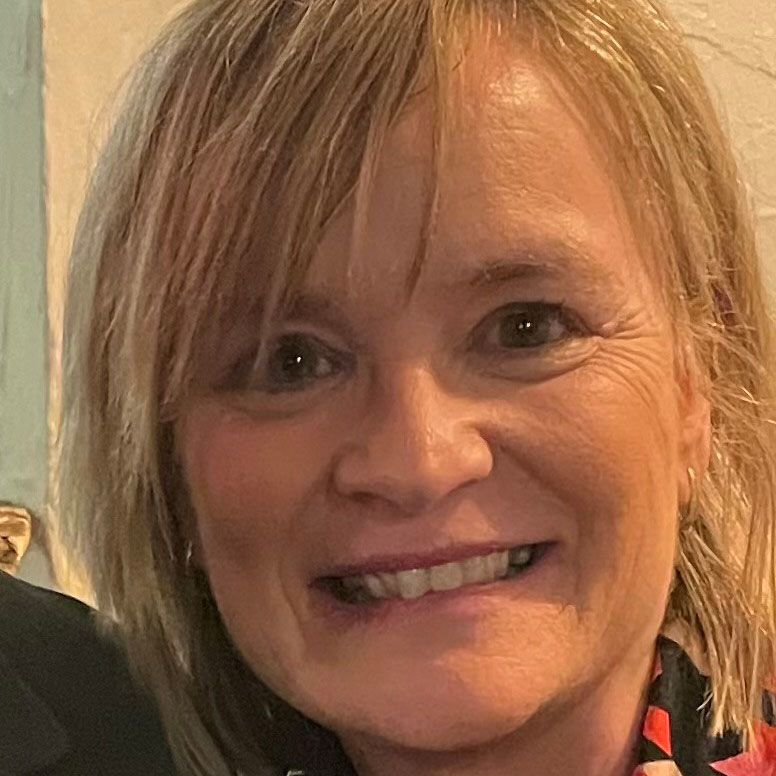
Angela Richardson
Senior Lecturer
Angela is a Senior Lecturer in Mental Health Nursing with extensive experiences in the care of older adults and those living with dementia.
 0000-0002-9490-884X
About
Angela is a Senior Lecturer in Mental Health Nursing with extensive experiences in the care of older adults and those living with dementia.
Angela is a Senior Lecturer in Mental Health Nursing with extensive experiences in the care of older adults and those living with dementia.
Angela joined the nursing team at Leeds Beckett in 2020 and works as a Senior Lecturer in Mental Health Nursing. She is a registered mental health nurse with over thirty years of experience in a variety of clinical, managerial, and educational roles. Before embarking on a career in Higher Education, she worked across many different settings including Mental Health NHS Trusts, the Department of Health, the Alzheimer's Society and the Alzheimer's Association.
Angela is involved in the teaching and assessment of all students and apprentices undertaking the BSc in Adult Nursing and the BSc in Mental Health Nursing. She undertakes module leadership. Her teaching interests include Dementia Care, Mental Health, Health promotion and Health Policy. She is a Fellow of the Higher Education Academy and registered with the Nursing and Midwifery Council as a Teacher.
Related links
Research interests
- Dementia
- Transitional Care
- Care Homes
- Practice Development
Ask Me About
Publications (7)
Sort By:
Featured First:
Search:
Hospital and care home nurse perspectives on optimising care for people living with dementia who transfer between hospitals and care homes
Psychosocial interventions for people with young onset dementia and their carers: a systematic review
 September 2016
International Psychogeriatrics28(9):1441-1454 Elsevier BV
September 2016
International Psychogeriatrics28(9):1441-1454 Elsevier BV
 Richardson A, Pedley G, Pelone F, Akhtar F, Chang J, Muleya W, Greenwood N
ABSTRACT
Background:
Dementia in younger people, known as young (YOD) or early onset dementia (EOD), can pose significant challenges. YOD is often diagnosed in those in paid employment who have relatively young children, leading to different challenges to those for older people. It is therefore very important to provide support tailored to their specific needs. This systematic review aimed to synthesize the literature investigating the impact of psychosocial interventions for people with YOD and their family carers.
Method:
Eight electronic databases were searched and three key journals were also hand searched. Narrative synthesis of the selected articles was undertaken.
Results:
Of the 498 records identified, 495 were ineligible after application of the exclusion criteria. The final sample included three studies, all of which were employment-based. Two were qualitative and one used mixed methods. Study quality was mixed. People with YOD and their carers reported benefits from participating in work-based interventions designed for those with YOD, including improved self-esteem and sense of purpose. Social contact was highlighted. Despite cognitive decline, maintenance in well-being was also reported. Carers described benefits for people with YOD, which extended outside the intervention, e.g. enhanced sleep and mood. The impact of the interventions on carers was not assessed.
Conclusions:
This review suggests work-based interventions providing supported, meaningful work outside the home can be beneficial. However, the dearth of studies, the lack of focus on family carers and their mixed quality demonstrate the need for better quality, mixed methods research with larger sample sizes.
A qualitative study of carers’ experiences of dementia cafés: a place to feel supported and be yourself
December 2017
BMC Geriatrics17(1):164 BioMed Central
Greenwood N, Smith R, Akhtar F, Richardson ABACKGROUND: Unpaid, informal carers or caregivers play an important role in supporting people living with dementia but the role can be challenging and carers themselves may benefit from support. Alzheimer's, dementia or memory cafés are one such form of support . These cafés are usually provided in the voluntary sector and are a place where people with dementia and those supporting them, usually family carers, can meet with others in similar situations. METHODS: Using semi-structured interviews, this qualitative study explored the experiences of 11 carers from five dementia cafés in and around London, England. RESULTS: Thematic analysis resulted in the identification of four key themes. Cafés provide a relaxed, welcoming atmosphere where carers can go where they feel supported and accepted. Café attendance often brought a sense of normality to these carers' lives. Carers and those they care for look forward to going and often enjoy both the activities provided and socialising with others. Other highlighted benefits included peer support from other carers, information provision and support from the volunteer café coordinators. Despite diversity in how the cafés were run and in the activities offered, there were many reported similarities amongst carers in the value ascribed to attending the cafés. CONCLUSIONS: Dementia cafés appear to be a valuable, perhaps unique form of support for carers giving them brief respite from their caring role. Future research incorporating mixed methods is needed to understand the perspectives of those living with dementia.
Innovative practice
Dementia cafés: recommendations from interviews with informal carers
19 October 2017
Working with Older People21(4):236-242 Emerald
Akhtar F, Greenwood N, Smith R, Richardson ADementia cafés (also known as Alzheimer’s or memory cafés) have been running in the UK since 2000. The purpose of this paper is to report on the recommendations from recent research that interviewed family carers on their experiences of using the cafés. The research was carried out in cafés in and around London, and focussed on informal, unpaid carers’ experiences of using them. In total, 11 carers from five different dementia cafés were interviewed, using semi-structured questionnaires. The results were thematically analysed. The findings showed that carers had an overwhelming appreciation of the cafés and what they offered, but several of the findings led to the recommendations about the recruitment and training of café co-ordinators; how cafés present themselves and their services and how they can offer dedicated support to informal carers. These recommendations will be of use to café organisers and commissioners, especially considering the dearth of information currently available in this area.
Stakeholder perspectives of care for people living with dementia moving from hospital to care facilities in the community: a systematic review
December 2019
BMC Geriatrics19(1):202 BioMed Central
Richardson A, Blenkinsopp A, Downs M, Lord KBackground: People living with dementia in care homes are regularly admitted to hospital. The transition between hospitals and care homes is an area of documented poor care leading to adverse outcomes including costly re-hospitalisation. This review aims to understand the experiences and outcomes of care for people living with dementia who undergo this transition from the perspectives of key stakeholders; people living with dementia, their families and health care professionals. Methods: A systematic search was conducted on the CINAHL, ASSIA, EMBASE, MEDLINE, PsychINFO, and Scopus databases without any date restrictions. We hand searched reference lists of included papers. Papers were included if they focused on people living with dementia moving from hospital to a short or long term care setting in the community including sub-acute, rehabilitation, skilled nursing facilities or care homes. Titles, abstracts and full texts were screened. Two authors independently evaluated study quality using a checklist. Themes were identified and discussed to reach consensus. Results: In total, nine papers reporting eight studies met the inclusion criteria for the systematic review. A total of 257 stakeholders participated; 37 people living with dementia, 95 family members, and 125 health and social care professionals. Studies took place in Australia, Canada, United Kingdom (UK), and the United States of America (US). Four themes were identified as factors influencing the experience and outcomes of the transition from the perspectives of stakeholders; preparing for transition; quality of communication; the quality of care; family engagement and roles. Conclusion: This systematic review presents a compelling case for the need for robust evidence to guide best practice in this important area of multi-disciplinary clinical practice. The evidence suggests this transition is challenging for all stakeholders and that people with dementia have specific needs which need attention during this period.
Correction: <i>Experiences of older people dying in nursing homes: a narrative systematic review of qualitative studies</i>
June 2018
BMJ Open8(6):bmjopen-2017-021285corr1 BMJ
[This corrects the article DOI: 10.1136/bmjopen-2017-021285.].
Current teaching
Courses:
- BSc Mental Health Nursing
- BSc Adult Nursing
Modules:
- Health and Wellbeing
- Nursing Science and Practice
- Transition to Registered Nurse





