

Leeds Beckett University - City Campus,
Woodhouse Lane,
LS1 3HE
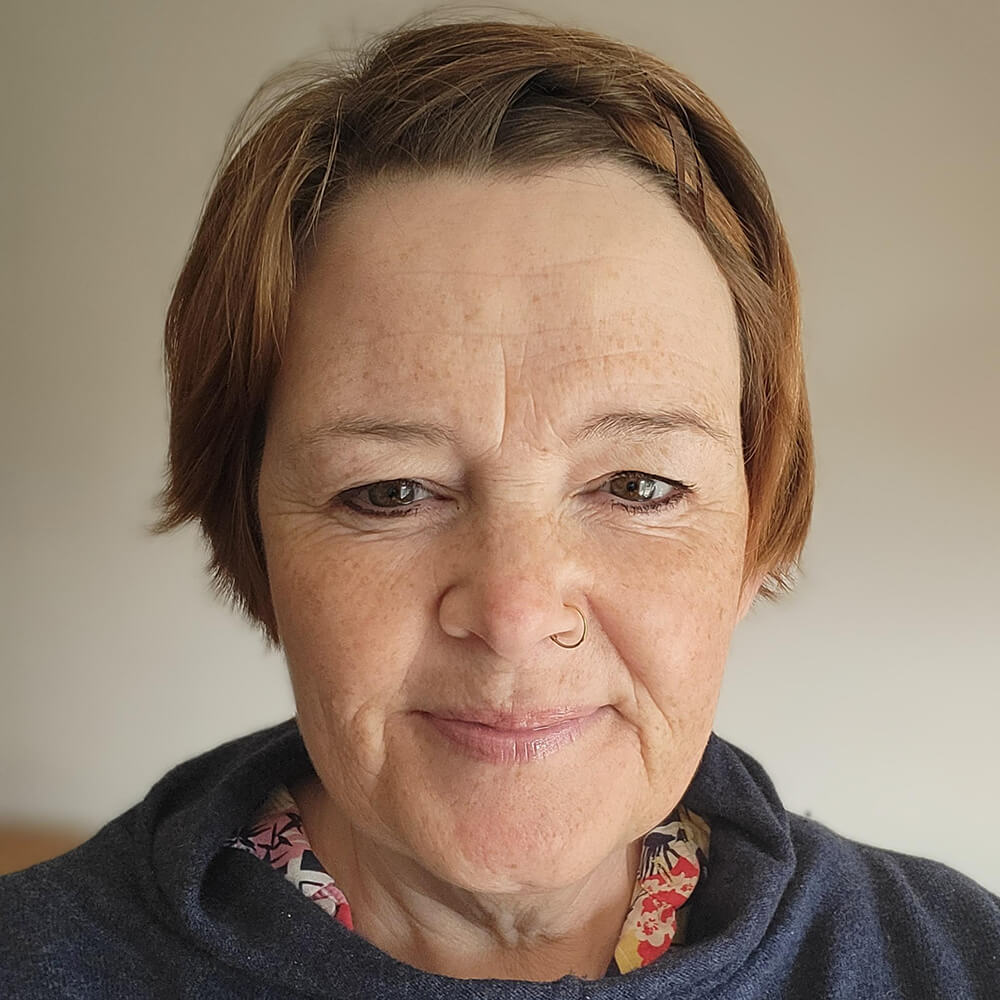
Dr Heather Baglee
Course Director
Dr Heather Baglee is the Course Director for the BSc Occupational Therapy and MSc Occupational Therapy programmes.
About
Dr Heather Baglee is the Course Director for the BSc Occupational Therapy and MSc Occupational Therapy programmes.
Dr Heather Baglee is the Course Director for the BSc Occupational Therapy and MSc Occupational Therapy programmes.
Heather has recently joined the team at Leeds Beckett from the University of Salford. She completed a Professional Doctorate exploring leadership development for occupational therapy students.
Heather used feminist methodology in relation to leadership development and is interested in developing this work further at Leeds Beckett. She enjoys teaching aspects of professional identity and exploring the student journey as a new healthcare professional develops.
Related links
Research interests
Heather's research exploring leadership development will impact on the way in which leadership is explored and taught. Her findings relating to the importance of understanding the personal and professional self will be applied in order to provide effective training in relation to leadership.
Publications (1)
Sort By:
Featured First:
Search:
Gender and Human Occupation
 30 August 2024
Human Occupation Routledge
30 August 2024
Human Occupation Routledge
 Schneider J, Hoshino A, Swiatek D, Liedberg GM, Björk M, Baglee H, Monzeli GA, Brown T
By the end of this chapter, the reader will be able to describe gender perspectives and concepts within historical and cultural contexts, and the relationship of those concepts to occupation and health. The reader will be able to explain factors that may impact cisgender occupational roles, habits, routines, identities, and repertoires, and discuss potential challenges related to cisgender occupational issues. The reader will be guided through an exploration of the relationship between transgender and gender-non-conforming people’s experiences beyond gender norms and explore the subsequent impact on occupation. Heteronormative standards and gender stereotypes are also discussed, in order to provide recommendations for holistic and inclusive occupational therapy. The aim of the chapter is to develop a greater understanding of the dynamic relationship between human occupation and gender and to suggest measures to provide inclusive occupational therapy for individuals who experience occupational disadvantage due to their sexuality and/or gender identity.





