

Leeds Beckett University - City Campus,
Woodhouse Lane,
LS1 3HE
 0000-0003-0692-3060
 Scopus ID: 56573364400
Academic positions
Emeritus Professor
Leeds Beckett University, School of Health, Leeds, United Kingdom | 01 September 2020 - presentProfessor
Leeds Beckett University, School of Health, Leeds, United Kingdom | September 2011 - September 2020Reader
Leeds Metropolitan University, Faculty of Health & Community Studies, Leeds, United Kingdom | September 2008 - September 2011Senior Lecturer
Leeds Metropolitan University, Leeds, United Kingdom | September 1994 - September 2008Lecturer
Sheffield College, Social Sciences, Sheffield, United Kingdom | September 1992 - September 1994
Non-academic positions
Director
Children First, United Kingdom | 1985 - 1992Regional Officer North East
National Playing Fields Association, United Kingdom | 1979 - 1985District Leisure Officer
Middlesbrough Borough Council, Middlesbrough, United Kingdom | 1977 - 1979Projects Co-ordinator
North West Play Association, United Kingdom | 1977 - 1977Playworker
Stenhills Adventure Playground Assoc., Runcorn, United Kingdom | 1974 - 1977
Degrees
PhD
Leeds Beckett University, Leeds, United Kingdom | 2001 - presentBA (Hons) Politics
University of Leeds, Leeds, United Kingdom | September 1971 - June 1974
Related links
Publications (259)
Sort By:
Featured First:
Search:
The Therapeutic Power of Play for Chronically Abused Children
 10 April 2023
Play in Hospitals: Real Life Perspectives Routledge
10 April 2023
Play in Hospitals: Real Life Perspectives Routledge
This chapter reflects on a therapeutic playwork project in post-Ceaușescu Romania. The project aided the recovery of a group of abandoned and chronically abused children living in a Romanian paediatric hospital. The playworkers worked in a specially allocated playroom, using a combination of groupwork and one-to-one techniques. The speed and quality of the developmental changes within the group was quite unexpected, because it contradicted standard child development theory. The chapter makes the case for these changes being due to the approach of the playworkers and the opportunities for playful interaction afforded by the design of the playroom, i.e., the children in effect healed each other.
10 April 2023
Play in Hospitals: Real Life Perspectives Routledge
This chapter serves as an Introduction to the book. It includes a reflection on the significance of play in a child’s life, especially their time in a healthcare setting. Play may be used to prepare a child for a medical procedure and as a distraction during such interventions. It may also be offered as a normalising function, especially where a child is likely to be in hospital for an extended period. The chapter also includes a brief preview of the chapters to be found in the book. It culminates in a plea for hospital authprities to take the child’s right to play seriously.
Aspects of Playwork
11 May 2023
 Authors: Steadman E, Editors: Brown F, Davies S
Within the UK, supervision attendance is mandatory for practising members of counselling and psychotherapy professional bodies. Supervision is a core element of the regulation of the counselling and psychotherapy profession. A significant amount of time and money is invested in supervision attendance. Whilst discourses in the field assign high status to supervision practice, there is a paucity of clarity in existing research regarding aims and impacts. This is amplified within Play Therapy supervision as the literature identifies a significant gap in empirical inquiry in this field. This thesis examines potential meanings and practice implications of play therapists’ experiences of supervision. It includes the perspectives of students, qualified play therapists, supervisors, and supervisors of supervisors (metasupervisors) who work in UK statutory, voluntary, and private sectors. The study involves members of the British Association of Play Therapists (BAPT), Play Therapy United Kingdom (PTUK), and the British Association for Counselling and Psychotherapy (BACP). Constructivist grounded theory method has been used to examine patterns and processes for potential application to the development of Play Therapy supervision in the UK. The main contribution of this study is the creation of a substantive grounded theory which identifies processes and corresponding impacts of Play Therapy supervision in a UK context. Potential meanings for Play Therapy supervision development are identified through analysis of supervisees’ creative representations and interviews. This theory affirms current rhetoric for mandated, regular Play Therapy supervision. However, it also confirms arguments that inadequate and harmful supervision are under-acknowledged and under-addressed. Power relations processes are identified as significant aspects of supervisory relationship facilitating or blocking supervision. The claim that creative exploration within a co-regulated, co-created supervisory milieu and relationship is time- and cost-effective in supervisor wellbeing and professional development is supported. Recognition of these processes has implications for future research and policies regarding supervision and the regulation of Play Therapy. Key Words: supervision, regulation, play therapy supervision, power relations, creative exploration, co-regulated, co-created, metasupervision
Introduction
17 February 2023
Play in Hospitals Routledge
Brown F, Wragg MThis chapter serves as an Introduction to the book. It includes a reflection on the significance of play in a child's life, especially their time in a healthcare setting. Play may be used to prepare a child for a medical procedure and as a distraction during such interventions. It may also be offered as a normalising function, especially where a child is likely to be in hospital for an extended period. The chapter also includes a brief preview of the chapters to be found in the book. It culminates in a plea for hospital authorities to take the child's right to play seriously.
19 July 2019
International Journal of Play8(3):329-330 Taylor & Francis (Routledge)
Book Review: Healthy Attachments and Neuro‐Dramatic Play By Jennings SueLondon: Jessica Kingsley, 2011 ISBN 9781849050142, 272 pp, £18.99 (pb)
03 October 2012
Children & Society26(6):489-490 Wiley
From the Streets of Wellington to the Ivy League: Reflecting on a Lifetime of Play: An Interview with Brian Sutton-Smith
01 January 2024
Brian Sutton Smith Playful Scholar A Centennial Celebration Volume 17
Brown F, Patte MMetaphorical Explorations of Play and Playwork
13 March 2022
International Journal of Play11(1):3-7 Taylor & Francis (Routledge)
01 May 2018
Early Childhood Education From an Intercultural and Bilingual Perspective IGI Global
Authors: Brown FC, Editors: Huertas-Abril C, Gomex-Parra M 14 December 2017
Handbook of Medical Play Therapy and Child Life: Interventions in Clinical and Medical Settings Routledge
Authors: Brown FC, Clark C, Patte M, Editors: Rubin LC November 2018
The Cambridge Handbook of Play: Developmental and Disciplinary Perspectives Cambridge University Press
Authors: Beresin A, Brown FC, Patte M, Editors: Smith PK, Roopnarine JWhat’s Unique About Playwork?
The Importance of Play in the Early Years
21 September 2017
Better Start Bradford Shared Learning Event. Eccleshill Adventure Playground, Bradford
The Thrill of Research in Practice
Working with Abused and Neglected Children
Children Without Play, Children Without Hope” seminar for students at Penn State University, 15th March 2016
“Stories of Children Playing” seminar for students at Penn State University, 27th September 2016
"Developing Playwork in the USA", 3rd Annual Conference of the US Play Coalition. "The Value of Play", Clemson SC, 26th - 29th February 2012
"Adventure Playgrounds: Past and Present, and Future"
2015
41st Annual Conference of the Association for the Study of Play (TASP) 'Play Across the Lifespan'
"Children without Play", 3rd Annual Conference of the US Play Coalition. "The Value of Play", Clemson SC, 26th - 29th February 2012
"Play Spaces With a Kick: Taking a Look Inside Adventure Playgrounds", 3rd Annual Conference of the US Play Coalition, " The Value of Play", Clemson SC, 26th-29th February 2012
"The Child in Playwork: a Perspective on the Play Child" Children, Families and Cultural Diversity Seminar, 6th March, Leeds University
"Stories of Children Playing", Play Wales' Spirit of Adventure Play Conference, 15th - 17th May 2012, Cardiff
"Joy and Trauma in Romania", A Festschrift for Dr Sue Jennings, 13th October, Brisitsh Association of Dramatherapist, Leeds
"Working with Children", Building Toddler Brains Through Play. Seminar, 2nd February 2013, Bath & North East Somerset Council
"What is Playwork?" seminar for UG students at Bloomsburg University, 4/5th March 2013
"Stories of Children Playing", 39th Annual Conference of the Association for the Study of Play (TASP), with 26th Conference of the American Association for the Childs Right to Play (IPA/USA) "Play as a Pathway", Univ. of Delaware, Newark DE, 6-9 March 2013
"Children without Play" Trauma, Abuse, Neglect: Creative Interventions for Children and Teenagers - Exploration of the Healing Power of Play. Centre for Child Mental Health Conference, London 18th May 2013
"The Rhythms of Childrens Play" 40th Annual Conference of the Association for the Study of Play (TASP)
"Whats So Special About Play and Playwork?" Welsh Playworkers Forum 2013, Hawarden, Flintshire, 19 - 20 June 2013
"Transformational Play" Support and Aspiration - Play for All. Seminar 27th November 2013, Bath & North East Somerset Council
"The Roma Children of Translyvania" public presentation at Bloomsburg University, 22nd February 2012
"Working with Abandoned and Abused Children" 40th Annual Conference of the Association for the Study of Play (TASP)
"Children Without Play" seminar for PG students and staff at Penn State University, 20th February 2012
"What is Playwork?" seminar for YG students at Penn State University, 20 February 2012
"Children Without Play" seminar for UG students at Bloomsburg University, 23rd February 2012
Better a Broken Bone Than a Broken Spirit: Exploring Adventure Play in the UK", 38th Annual Conference of the Association for the Study of Play (TASP), "Play in an Era of Negotiation and Compromise" Albuquerque NM, 15th - 18th February 2012
"Loose Parts and Play Facilitation", 38th Annual Conference of the Assosciation for the Study of Play (TASP), "Play in an Era of Negotiation and Compromise", Albuquerque NM, 15-18th February 2012
"Play Deprivation in Transylvania" 38th Annual Conference of the Association for the Study of Play (TASP), "Play in an Era of Negotiation and Compromise", Albuquerque NM, 15-18th February 2012
"What is Playwork?" seminar for UG students at Bloomsburg University, 21st February 2012
"Childrens Play" seminar for the Register of Play Inspectors International, Sports Connexion Coventry, 6th November 2013
"Beware the Green Hatters!" 40th Annual Conference of the Association for the Study of Play (TASP)
"Flexibility and Playwork", Special Seminar, 12th February: University of Brighton
Therapeutic Playwork
Playwork: theory and practice - compound flexibility
Flexibility and Playwork
Play Behaviours of the Roma Children of Transylvania
March 2010
The Association for the Study of Play (TASP) 36th Annual Conference International Journal of Play Georgia State University, USA Taylor & Francis
The Roma children of Transylvania are probably the most materially deprived in Europe. They often live in one-room shacks made from wood and mud, with no running water, no sanitation, and sometimes no heating. Many rely on charity for their food and medicines. But, are they play deprived? This paper summarises an observational study of the play behaviours of children in a small Roma village. It highlights the striking contrast between the abject poverty that characterises their lives and the general happiness of the children. These children live their limited lives to the full. They ‘play everywhere and with everything’, but not in the generally accepted sense of that phrase. The usual niceties of privacy, personal possessions and property boundaries are irrelevant here. Their play is rich in imagination and creativity; it is living proof of Nicholson's theory of loose parts.
Emotional Development and Compound Flexibility
Loose Parts in Theory and Practice
Children Without Play
Introducing Flexibility into School Playgrounds
Play Deprivation
October 2011
Faculty of Health & Social Sciences Seminar Leeds Metropolitan University, Leeds, UK
Aid for Romanian Children Charitable Trust
2016
Play and Arts in Therapy: Creative Care in Romania Impreuna Publications
Authors: Brown FC, Editors: Jennings SPlaywork in Practice
Therapeutic Playwork in Transylvania In: Jennings, S Play and Arts in Therapy: Creative Care in Romania. Bucharest: Pmpreuna Publications
2016
Play and Arts in Therapy: Creative Care in Romania Impreuna Publications
Authors: Brown FC, Editors: JENNINGS SFrom Mental Ill Health to Thriving. Early Intervention for Troubled Infants and Young People to Prevent Lifelong Suffering for Self and Society:
Play in the Past
2011
No Ball Games symposium for the 50th Anniversary World Conference of the International Play Association, Playing Into the Future: Surviving and Thriving Cardiff City Hall
Children in Romania
Play Advocacy: the Playworker's role
April 2011
The Association for the Study of Play (TASP) 37th Annual Conference Strong Museum of Children’s Play, Rochester, USA
What is Playwork?
Therapeutic Playwork
March 2011
Annual Conference - Creativity, Mental Health and the Psychological Therapies Leeds Metropolitan University, Leeds, UK
Reflections on the Impact of Snug at Eureka!
Reflections on the Impact of Snug at Two Schools in Yorkshire
Playwork in Practice
From Mental Ill-health to Thriving
February 2010
Early Interventions for Troubled Infants and Young People to Prevent Lifelong Suffering for Self and Society Centre for Child Mental Health Conference, London
The Snug Schools Research Project: Interim Reflections
Playwork: working in hostile environments - risky, adventurous and beautiful
35 Years of Playwork Education in UK Universities – Is there a Worldwide Potential?
2011
Leeds Met symposium for the 50th Anniversary World Conference of the International Play Association, Playing Into the Future: Surviving and Thriving Cardiff City Hall
The fundamentals of playwork
01 July 2008
Foundations of Playwork Open University Press
Authors: Brown FC, Editors: Brown F, Taylor C... This book invites you to reflect (see Palmer, p51). But above all, it is one that inspires action." Children and Society "Foundations of Playwork is a must read for anyone with an interest in playwork or children's services.
March 2005
Journal of Education35:139-158 (20 Pages) School of Education and Development & School of Adult and Higher Education University of KwaZulu-Natal
Brown FC, Webb SThe Venture: A Case Study of an Adventure Playground
10 May 2007
44 Play Wales
This book examines the long-lived success of The Venture, an adventure playground in urban Wrexham. Written by Fraser Brown, Reader at Leeds Metropolitan University, from conversations with Malcolm King (a founder and current manager of The Venture) and Ben Tawil (one of its recent playworkers).
School Playgrounds
Playwork, Play Deprivation and Play.
Joy and Trauma in Romania
Play And Playwork: 101 Stories Of Children Playing
01 October 2014
200 Open University Press
Put very simply, the concept of this book is to use 101 stories of children playing to examine a range of play and playwork theories. Where this approach has been used previously it has often been contrived, with the stories being made to fit the ...
Life's Like That. Ip-Dip, No 1, Meynell Games: Eastbourne
The Venture - Case Study of an Adventure Playground
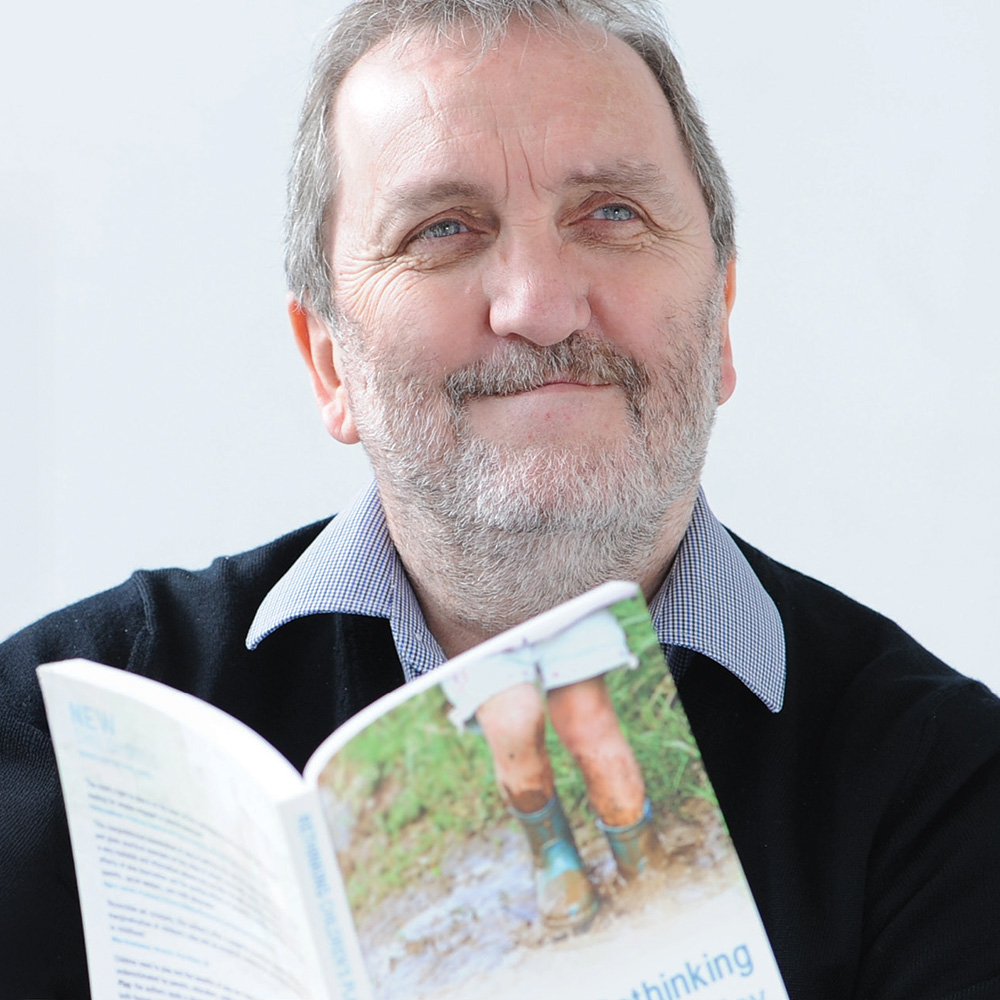
Rethinking Children's Play
17 January 2013
172 Continuum
Brown F, Patte MRethinking Children's Play examines attitudes towards, and experiences of, children's play. Fraser Brown and Michael Patte draw on a wide range of thought, research and practice from different fields and countries to debate, challenge and re-appraise long held beliefs, attitudes and ways of working and living with children in the play environment. Children need to play and the benefits of play are many and varied, but they are too often underestimated by parents, educators, politicians and society in general. The authors apply a playwork perspective to a wide range of settings populated by children, both formal and informal, to explore the idea that children's learning and development derives substantially from their opportunities to engage with a rich play environment that is supportive of the play process. Thoughts are provoked through examples of research, reflections on research, activities, key points and guidance on further reading. Rethinking Children's Play is essential for all those studying childhood at undergraduate and graduate level and of great interest to those working with children in any field.
05 March 2012
Complex Trauma and Its Effects: Perspectives on creating an environment for recovery Pavilion Publishing and Media
Authors: Brown FC, Editors: Johnson RPlay Cues
What is Playwork? CPIS Factsheet No 14. London: National Childrens Bureau
Playwork: ambientes de brincadeira
Play Theories - What So they Tell Us About The Value of Play. NCB Highlight No.223. London National Childrens Bureau
Walking on the Edge - Playwork in romania. Play rights Issue 1/06. London: IPA
Playwork, Theory and Practice
27 December 2002
210 Open Univ Pr
"[An] excellent book... With its breadth of discourse, it held my attention throughout. ... This book is informative, but also challenges views on the play experience and the playwork profession.
Foundations Of Playwork
01 July 2008
316 Open University Press
Brown F, Taylor C... This book invites you to reflect (see Palmer, p51). But above all, it is one that inspires action." Children and Society "Foundations of Playwork is a must read for anyone with an interest in playwork or children's services.
Playwork: A Profession Challenging Societal Factors Devaluing Children's Play.
2010
Play and Culture Studies, Special Edition, Play: A Polyphony of Research, Theories and Issues University Press of America
Authors: BROWN F, PATTE M, Editors: LANHAM MOver the duration of my teaching career I have witnessed the intensification of attitudes devaluing play, and now in my role as a university professor I have visited many school sites that offer little time for child-initiated play. These personal experiences painted a bleak picture for the inclusion of play in the daily lives of children. So while attending The Association for the Study of Play’s conference in 2006, I sought out sessions that focused on issues of play advocacy. As it turned out, a session offered by Fraser Brown titled Children Without Play was just what the doctor ordered. At that presentation I was introduced to the field of Playwork and became intrigued by a profession whose underlying principles were well suited to address the societal factors devaluing children’s play in America.
Children without Play: a Research Project
2008
Foundation of Playwork Open University Press
Authors: Brown FC, Webb S, Editors: Brown F, Taylor C"Stories of Children Playing: What do they tell us about the significance of play and playwork?" Inaugural Lecture. Leeds Metropolitan University. 27th June 2013
27 June 2013
Rose Bowl, Leeds Metropolitan University
This lecture explores how we can deal with the approach that western societies have taken to the study of children and childhood of isolating the problems that individual children pose to society. It looks at the significance of play in childhood and in a child’s world and whether playwork can offer solutions; or is it wrong to ask it to provide solutions when the playwork profession seeks to enable children to find their own play in the world? We can all, as adults, share the experience of having had a childhood and can provide insights into a child’s world but this rarely make us "experts". In reality, each person’s childhood is a unique experience, and it is that which draws us into the complex and often emotional arenas of debate about childhood. The Playwork profession in the UK has always exchanged their experiences of working with children and often reflected for both the children and the playworkers. In this lecture, Professor Brown offers a selection of stories that have been submitted by playworkers for inclusion in his forthcoming book, Play and Playwork: Reflection on Practice. The stories are about children playing. They are always instructive, often funny, and sometimes sad. The stories help us explore complex issues such as risk and the unpredictable nature of play. The introduce us to a number of key theoretical concepts, such as play cues, adulteration and the significance of reference points in children’s lives. Some of the stories illustrate the therapeutic aspects of children’s play. The overall intention is to focus on the connection between theory and practices that is so often misunderstood by politicians. Professor Fraser Brown is the first Professor of Playwork in the UK. He is also the joint course leader of the BA (Hons) Playwork degree at Leeds Metropolitan University. He has presented at conferences across the country and around the world and has produced several key texts in the field of play and playwork. He is the chair and Co-Founder of the Aid for Romanian Children Charitable Trust, and a member of the Executive Board of the Association for the Study of Play (TASP). He has researched into a wide range of subjects, including the concepts of play value, the impact of deprivation on children’s behaviour, and the reasons for the longevity of certain adventure playgrounds. He is probably best known for his research into the therapeutic effects of playwork on a group of abandoned children in a Romanian paediatric hospital. Fraser’s work as an academic, as both tutor and author, is characterised by his gift for making difficult concepts accessible to a wide range of audiences. This should not be seen as trivialising the subject matter, but rather following the principle that there is little point in producing work which your audience cannot understand. His most recent work makes use of real life stories of children playing, and prompted the following response from one reader: “You have a very graphic style of writing. Reading your article feels almost as if I am there, seeing it happen.
The Healing Power of Play: therapeutic work with chronically neglected and abused children
2016
The Role of Play in Children's Health and Development. MDPI AG
Authors: Brown FC, Editors: Navidi UThe Playwork Principles: A Critique
Play and Playwork: Notes and Reflections in a Time of Austerity
09 May 2018
136 Routledge
Brown F, Wragg MBringing together authors from a range of academic disciplines and research backgrounds united as standard-bearers for the child s right to play and set against a backdrop evoking play s critical essence, this book documents the ...
Just Playing, seminar presentation for Canterbury NHS Trust at the Whitecliffs Centre, Folkestone, 19th March 2003
Therapeutic Playwork in Practice, seminar presentation, 20th March 2003, Bicton College (joint presentation with Sophie Webb)
Playwork - theory and Practice, Play Wales Conference Celebrating the Spirit of Adventure Play, 14th - 15th May 2003, Cardiff (joint presentation with Sophie Webb)
Working with Abandoned Children in romania, 11th ENSAC Conference, Equal Play............a Vision for Children, 23rd June 2003, London (joint presentation with Sophie Webb)
Therapeutic Playwork in Extremis, 4th National Conference and Exhibition on the Playwork NVQ & SVQ, 2nd July 2003, Newman College, Birmingham (joint presentation with Sophie Webb)
Playwork in Adversity, Sunderland Childcare Conference, 11th October 2003, Sunderland University (joint presentation with Sophie Webb)
05 February 2015
The Handbook of the Study of Play Rowman & Littlefield
Authors: Brown FC, Editors: Johnson JTherapeutic Playwork in a Romanian paediatric hospital, National Play Research Network Seminar, 8th December 2003, Eden Project Cornwall (joint presentation with Sophie Webb)
Wendy Russell & Stuart Lester: Practice-Based Research in Children’s Play. Publishers Review
2018
A Portrait of the Promise of Play Teachers College Press
Authors: Brown FC, Editors: Nell M, Drew WAddressing the Extremes of Play Deprivation, presentation for Sheffield City Councils Conference on Play Deprivation, 23rd Janaury 2002
Out of the Shadows presentation for 7th South West Play Celebrtation. Take a Chance on Play, 25th May 2002, Chippenham (joint presentation with Sophie Webb)
Romanian Experience - a Therapeutic Playwork Project, Play Wales Conference Spirit of Adventure Play is Alive and Kicking, 12-13 June 2002, Cardiff (joint presentation with Sophie Webb)
Significant Others: Playworkers and Childrens Development, a presentation to the New Researchers in Families and Relationships Conference, 17th September 202, University of Edinburgh, Centre for Research on Families and Relationships
Playwork in Adversity - Working with Abandoned Children in Romania. LMU Biannual Seminar Playwork - Theory and Practice, 23rd November 2002, Leeds (joint presentation with Sophie Webb)
Working with Children: A Playwork Training Pack
The Impact of Therapeutic Playwork on the lives of a group of abandonded children in a romanian Paediatric hospital, Research Conference, 15th December 2003, Leeds Metropolitan University
Três perspectivas sobre a brincadeira
Foundations of Playwork
Children Without Play
2009
British Association of Play Therapists Annual Conference, The Power of Play to Help and Heal: Promoting Development Through Play Therapy Aston Business School and Conference Centre
What is playwork? CPIS factsheet 14
Play Value
Playwork in Romania
Playwork: working at the sharp end - risky, adventurous and beautiful
2008
Perspectives on Play: Learning for Life book launch and seminar Leeds Metropolitan University, Leeds, UK
Brian Sutton-Smith, Playful Scholar: A Centennial Celebration: Volume 17
01 January 2024
1-168
Patte MM, Brown F, Beresin AThis book honors the legacy of Dr. Brian Sutton-Smith, Professor Emeritus of Psychology and Folklore at the University of Pennsylvania. Dr. Sutton-Smith was considered the premier play scholar of his generation, with numerous publications in the fields of developmental psychology, folklore, anthropology, sociology of sport, education, and philosophy. We present an eclectic array of essays written in honor of the centennial of his birth, ranging from the scholarly to the overtly playful. There are essays distilling his work to their key ideas and some that offer a robust and respectful critique. There are personal anecdotes honoring his memory, and original works of fiction celebrating his legacy. The book is a publication in the TASP biannual Play and Culture Studies series and includes photographs of Brian Sutton-Smith, as well as heartfelt appreciation from scores of colleagues.
03 December 2018
Perspectives on Play: Learning for Life Routledge
Authors: Brown FC, Editors: Brock A, Jarvis P, Olusoga EAWhat’s Unique About Playwork?
01 March 2018
44th Annual Conference, The Association for the Study of Play (TASP) Melbourne Beach, Florida
Playwork: Working at the Edge
27 January 2020
Play in American Life, Volume 2: Essays in Honor of Joe L. Frost. Cibolo Creek Press
Authors: Brown F, Editors: Moore MR, Sabo-Risley C 28 April 2020
The Sage Encyclopedia of Children and Childhood Studies Sage Publications
Authors: Brown FC, Editors: Cook DThe Therapeutic Value of Play
17 April 2019
Rhythm, Synchrony and Flow, in the Context of Illness and Health Leeds Beckett University
The Therapeutic Value of Play
2018 Longfellow Lecture: "Giving Children Hope: The Therapeutic Value of Play"
18 May 2009
Encyclopedia of Play in Today's Society Sage Publications
Authors: Brown FC, Editors: Carlisle RPEDITORIAL
02 January 2015
International Journal of Play4(1):1-2 Informa UK Limited
Aid for Romanian Children, Scottish IPA Conference & AGM, 8th June 2004, Camelon Education Centre, Falkirk
"Playwork in Romania", York City Councils Playful Picnic. 14th June 2008, York
"Supportung Vulnerable Children", Childrens Play Councils National Conference, Time to Play: planning for childrens play as part of the integrated agenda, 11th July Birmingham
"Playwork on the Edge", Play Wales 4th Spirit of Adventure Play Conference, 11-12 May 2005, Cardiff
"Playwork on the Edge", SEPA's Spirit of Play Conference 2005, 19th March 2005, The Runnymeade Centre, Slough
Principles of Playwork, 2nd Play-Add conference, 11-12 March, Newquay
Aid for Romanian Children, Skills Active Conference, 24th January 2005, Airport Hotel Edinburgh
"Playwork in Adversity" lecture for University of Southern Florida, 10th April Tampa, USA
"Children Without Play". The Association for the Study of Play (TASP) 32nd Annual Conference, The Power of Play, 17-20 May, Brock University Canada
"Playwork in Adversity: Examining the impact of play on abandoned children in a romanian paediatric hospital". Research in Practice Partnership Conference, Enjoy and Achieve: play to enjoy, play to learn, 9th May 2006, London
Anne-Marie Halpenny & Jan Petersen. Introducing Piaget. Publishers Review
"Fun, freedom and flexibility in childrens playful learning" seminar for undergraduate students at Penn State University, 2nd March 2015
"Working With Abused Children", Carnegie Research Institue Conference, Researching with Children: Ethical Issues and Considerations, 6th April 2006, Leeds Metropolitan University
"Playwork in Adversity", BHPA's Play Dynamics Conference, 25th February 2006, Bristol
Stories of Children Playing: what do they tell us about the importance of play? Play Sufficiency Conference Wrexham, 11th May 2015
"Playwork in Romania", Wakefield Play Forum Seminar, 23rd November 2005
"Stories of Children Playing" Sutcliffe Play Home Show. 9th September 2015
"Therapeutic Playwork" Psychological Therapies Conference, 20th July 2005, Leeds Metropolitan University
Children Playing: The Significance of Play and Playwork. Seminar for Wakefield Metropolitan District Council, 8th October 2015
A Practical Approach to Inspiration, LTA Conference, 16th December 2003, Leeds Metropolitan University
People and Places to Play. Peter Hesletine Memorial Lecture, and IPA Promotion, London Martin Luther King Adventure Playground, 14th October 2015
The Romanian Project and Play Deprivation, The Fourth EYDP Jamboree, 27th March 2004, Somerhill Centre, Hove
Helen Tovey. Playing Outdoors: Spaces and Places, Risk and Challenge. In Children and Society, Vol 22, Issue 4 July 2008
"Play Deprivation", East Yorkshire Playworkers Conference, 16th September, North Ferriby
Peter Smith. Children and Play. In: Children and Society, Vol 23, Issue 6: November 2009
Anonymous author, "Theoretical underpinnings: traditions and contemporary perspectives of children's play". In: Childhoods Today, Vol 5, Issue 1: June 2011
"The Power of Playwork" lecture for University of Central Florida, 14th April, Orlando, USA
Joe Frost, Evolution of American Playgrounds. In: Encyclopedia of Play Science Scholarpedia
"The History of an Adventure Playground", Play Wales 6th Spirit of Adventure Play Conference, 9 - 10 May 2007, Cardiff
Book Review: Jack Lambert and Jenny Pearson. Adventure Playgrounds
"Playwork with the Roma Children of Transylvania" The Association for the Study of Play (TASP) 33rd Annual Conference, 25 - 28 April, Strong Museum of Childrens Play, Rochester, USA"
"Compund Flexibility", East Yorkshire Playworkers Conference, 16th September, N Ferriby
"Working with abused and neglected children" seminar for postgraduate students at Penn State University, 2nd March 2015
"Therapeutic Playwork", Special Seminar, 23rd February 2009, Swansea University
Working with Children, a Playwork Training Pack, Leeds: RMTP
"Playwork: working at the sharp end - risky, adventurous and beautiful, at the Perspectives on Play: Learning for Life book launch and seminar. Leeds Metropolitan University, 3rd September 2008
Playwork: an attempt at definition. Play Action. Spring 2002
Playwork in adversity: working with abandoned children in Romania
2003
Playwork - Theory and Practice Open University Press
Authors: Brown FC, Webb S, Editors: Brown F"Playwork: theory and practice - compound flexibility". The Brimingham Playwork Conference 3rd - 4th March 2009: Playwork Conferences CIC
"Flexibility and Playwork". Playwork Professional Development Seminar, 22nd April 2009, Islington Training Network
Compound Flexibility: the role of playwork in child development
"Children without Play", at the British Association of Play Therapists Annual Conference. The Power of Play to Help and Heal: Promoting Development Through Play Therapy, 27-28 July 2009, at the Aston Business School and Conference Centre
Recent Developments in Play and Playwork at Leeds Metropolitan University, National Play Research Network seminar, 7th June 2044, City Learning Blackpool
Play and Disadvantage - Working in Romania. Play for Wales Journal, Issue 15, Spring (2005): Cardiff
Perry Else. Making Sense of Play. Publishers Review
Play and Playwork in Romania, SkillsActive Conference, 22nd March 2004, Harrogate
"Working with Children" The Magical Carpet. Bath & North East Somerset Play Network Special Conference. 4th February 2012
Observation - Stop and Watch. Nursery World: London
"The Play Behaviours of Roma Children in Transylvania" National Play Research Network bi-annual seminar, 25th January, BTHA Toy Fair, London
ARC Summer Camps for Roma Children. Nursery World: London
"Play in the Past", contribution to the No Ball Games symposium for the 50th Anniversary World Conference of the Internatioanl Play Association, Playing into the Future: Surviving and Thriving, 4-7 July Cardiff City Hall
Nancy Riedel-Bowers. Choices for Children and Their Families. Publishers Review
"Therapeutic Playwork", Psychological Therapies Conference, 10th May Leeds Metropolitan University
Tom Henricks. Play as Self-Realization. Publishers Review
School Playgrounds, London: National Playing Fields Association
"What is Playwork?" lecture fopr Pnn State University, 3rd May, State College PA, USA
Abigail Barragary. Autism Arts: A Drama Syllabus for Children on nthe Autistic Spectrum. Publishers Review
"What is Playwork"? lecture for Bloomsburg University, 2nd May, Pennsylvania, USA
"Play Advocacy : The Playworkers role" The Association for the Study of Play (TASP) 37th Annual Conference, 27th - 30th April, Strong Museum of Childrens Play, Rochester, USA
"The Child in Playwork: a Perspective on the Playing Child", Children, Families and Cultural Diversity Seminar, 1st March Leeds University
"Playwork in Practice", Annual Seminar, 6th February 2009: University of Brighton
"The Venuture: a Case Study of an Adventure Playground", National Play Research Network bi-annual Seminar, 26th Janaury, BTHA Toy Fair London
"Play Deprivation", Faculty of Health and Social Sciences Seminar, 10th October, Leeds
"Introducing Flexibility into School Playgrounds", National Play Research Network bi-annual Seminar, 22nd June, Leeds
"Children Without Play", Play Therapy International World Congress 2010: Making a Difference, 17-20 May. Marrakech (now avaialble on YouTube)
"Foundations of Playwork" Annual Conference of Leeds Play Network, 15th October 2009
"Foundations of Playwork" East London Play Conference, 14th October 2009: Play Association of Tower Hamlets
"Loose Parts in Theory and Practice", Play Wales Spirit of Adventure Play Conference, 5th - 6th May Cardiff
"Emotional Development and Compound Flexibility", Play Scotland Seminar, 27th March West Lothian
"Play Behaviours of the Roma Children of Transylvania", TASP/IPA Annual Conference, 10 - 13 March, Georgia State University, USA
"From Mental Ill-Health to Thriving", Early Interventions for Troubled Infants and Young People to Prevent Lifelong Suffering for Self and Society, 20th February, Centre for Child Mental Health Conference, London
"Playwork in Practice", Brighton City Council Playworkers Seminar, 11th February Brighton
"The Venuture: a Case Study of an Adventure Playground", National Play Research Network bi-annual Seminar, 26th January, BTHA Toy Fair London
"Playwork: working in hostile environments - risky, adventurous and beautiful Just Playing? conference: Eureka 14th Janaury 2009
The Therapeutic Value of Play
08 May 2017
Play Therapy International World Congress, 'Play is the Way' Santiago de Compostela, Spain
What is the Unique Relationship Between Children and Playworkers?
16 February 2017
Pop-Up’s Playwork Campference Eureka Adventure Playground, Val Verde, California
“Therapeutic Playwork” ICG Conference, Digging Deeper. 1st October 2016
Giving Children Hope: The Therapeutic Value of Play
Working With Troubled Children: The Therapeutic Power of Play
07 April 2017
43rd Annual Conference 'Playful Communities', The Association for the Study of Play (TASP) Rochester, New York
“Therapeutic Playwork” seminar for students at Syracuse University, 29th September 2016
“Children Without Play, Children Without Hope” seminar for students at Bloomsburg University, 28th September 2016
“Stories of Children Playing” ICG Conference, Digging Deeper. 30th September 2016
“Researching Ethically in the Field”. seminar for students at Sheffield Institute of Education, 6th April 2016
“Developing While Playing: Now and in the Future”. Play Scotland Symposium, Playing Together, Polmont, 23rd March 2016
“A Tribute”. Brian Sutton-Smith Memorial Panel at 42nd Annual Conference of the Association for the Study of Play (TASP), 17th March 2016
Adventure is in the Mind of the Child
18 February 2017
Pop-Up’s Playwork Campference Eureka Adventure Playground, Val Verde, California
“Children Without Play, Children Without Hope” seminar for students at Bloomsburg University, 16th March 2016
The Therapeutic Value of Play. 4 Play Conference, Victoria Halls, Bradford, 4th March 2016
Compound Flexibility
The Rhythms of Play and Playwork
Play and Playwork
Morrison, J. & Flegel, K. Interviewing Children and Adolescents. Publisher’s Review
Playwork
March 2012
International Journal of Play1(1):6-15 (10 Pages) Routledge
Brown FC, Patte M, Sutton-Smith B 01 January 2013
Perspectives on Play: Learning for Life Taylor & Francis
Authors: Brown FC, Editors: Brock A, Dodds S, Jarvis P, Olusoga YJohn Wall. Ethics in Light of Childhood. In: Children and Society. Vol 25, Issue 3, May 2011
21 June 2011
Children & Society25(4):342-343 Wiley
Michael Rutter. Policy and Practice Implications from the English and Romanian Adoptees (ERA) Study. In: Children and Society, Vol 24, Issue 6: November 2010
04 October 2010
Children & Society24(6):510-511 Wiley
2011
The Journal of Student Wellbeing5(1):58-70 Hawke Research Institute, University of South Australia
Over the duration of my teaching career I have witnessed the intensification of attitudes devaluing play, and now in my role as a university professor I have visited many school sites that offer little time for child-initiated play. These personal experiences painted a bleak picture for the inclusion of play in the daily lives of children. So while attending The Association for the Study of Play’s conference in 2006, I sought out sessions that focused on issues of play advocacy. As it turned out, a session offered by Fraser Brown titled Children Without Play was just what the doctor ordered. At that presentation I was introduced to the field of Playwork and became intrigued by a profession whose underlying principles were well suited to address the societal factors devaluing children’s play in America.
19 April 2012
International Journal of Play1(Special 5th Anniversary Issue):64-74 (11 Pages) Taylor & Francis
The Roma children of Transylvania are probably the most materially deprived in Europe. They often live in one-room shacks made from wood and mud, with no running water, no sanitation, and sometimes no heating. Many rely on charity for their food and medicines. But, are they play deprived? This paper summarises an observational study of the play behaviours of children in a small Roma village. It highlights the striking contrast between the abject poverty that characterises their lives and the general happiness of the children. These children live their limited lives to the full. They ‘play everywhere and with everything’, but not in the generally accepted sense of that phrase. The usual niceties of privacy, personal possessions and property boundaries are irrelevant here. Their play is rich in imagination and creativity; it is living proof of Nicholson’s theory of loose parts.
02 March 2018
International Handbook of Early Childhood Education Routledge
Authors: Brown FC, Greenfields M, Editors: Roopnarine J, Johnson J, Quinn S, Patte MThis chapter aims to contextualize the special circumstances of Roma children’s early education and support needs, with particular reference to the high level of exclusion experienced by members of the communities in Central and Eastern Europe. It presents the impact on households of the social determinants of health which potentially affect child development and well-being. Regardless of ethnicity, the lack of early childhood education leads to serious problems in terms of subsequent educational attainment. In the case of Roma children throughout Central and Eastern Europe this challenge is accentuated by a range of issues, including language, segregation, exclusion and outright racism. Cultural stigmatization has historically led to deep suspicions regarding public bodies and public education on the part of Roma parents, who are themselves likely to have been on the receiving end of discrimination and a poor-quality education. Throughout Europe Roma children are severely under-represented in educational statistics and families frequently report discrimination at all stages of the school system.
May 2018
Early Childhood Education From an Intercultural and Bilingual Perspective IGI Global
Authors: Brown F, Editors: Huertas-Abrtil C, Gómez-Parra MEServices to Childrens Play
2007
Childhood: Services and Provision for Children Longman
Authors: Brown FC, Editors: Jones PThis chapter explores aspects of play provision and seeks to answer the following questions: • How has the nature of play provision in the UK developed in the last 50 years? • What are the implications of this piecemeal approach?.
03 December 2018
Perspectives on Play: Learning for Life Routledge
Authors: Brown FC, Brock A, Jarvis P, Editors: Brock A, Jarvis P, Olusoga EAThis chapter focuses on the developmental usefulness of play for the child, particularly with regard to providing the psychological foundation for the social and intellectual skills that human adults need to function in the increasingly complex social environment that sociologists call ‘the global village’. In this way play is about a flexible, self-directed experience, which serves the needs both of the individual child, and of the future society in which s/he will live in adulthood. The chapter presents three alternative perspectives on the role of play in children’s lives - psycho-social, educational, and playwork - which provide different, but not incompatible, standpoints and constructs for examining the complex concept of play. The linkage of’play’ with ‘the development of behaviour’ is a common focus for developmental researchers. Psychoanalytic theory was originated by Sigmund Freud, who believed that play had an important role in children’s emotional development.
18 May 2009
Encyclopedia of Play in Today's Society Sage
Authors: Brown FC, Editors: Carlisle RPIn the 1950s and 1960s, largely in response to the ideas of C. T. Sorensen, several adventure playgrounds appeared in the United Kingdom. Sorensen envisaged ‘junk’ playgrounds, where children could imagine, shape and create their own reality. Sutton-Smith’s classic text The Ambiguity of Play contains the most comprehensive examination of play theory that has yet been attempted. Sutton-Smith identifies over 100 theories, which he groups under generic headings. Some are respected; others ridiculous. They have one thing in common: they all fall short of providing a full explanation of play. Tim Gill draws attention to developments that have taken place in UK society that have had a negative impact on children’s play, and especially on children’s opportunities to experience risk. S. Nicholson, in developing his ‘theory of loose parts’, explains it thus: ‘In any environment both the degree of inventiveness and creativity, and the possibility of discovery, are directly proportional to the number and kind of variables in it’.
The Venture: a Case Study of an Adventure Playground
2011
National Play Research Network bi-annual Seminar BTHA Toy Fair, London
The Venture is an adventure playground sited in the middle of one of the most deprived estates in Wales, Caia Park in Wrexham. While hundreds of open access play projects have come and gone during the last twenty-nine years, The Venture has moved from strength to strength, and is now one of the most respected projects of its type anywhere in the UK. It now employs around thirty staff, and has an annual turnover of approximately £450,000. The Venture has been used as the model for the programme of integrated children’s centres in Wales, wherein one of the four key aspects is open access play (Welsh Assembly, 2002). A similar process has been adopted in Scotland. Recently the Secretary of State for Wales, Peter Hain.
09 December 2017
Children1(3):474-488 MDPI (Multidisciplinary Digital Publishing Institute)
This article concerns a therapeutic intervention with a group of abandoned children living in a Romanian pediatric hospital. The children, ranging in age from one to ten years old, had suffered chronic neglect and abuse. They had previously spent most of their lives tied in the same cot in the same hospital ward. They were poorly fed and their nappies were rarely changed. Although able to see and hear the other abused children, they experienced little in the way of social interaction. The article focuses on the play-based methods that were employed to aid the children’s recovery, while at the same time highlighting the general benefits of this very specific therapeutic approach to children’s recovery and development. In particular, there is an exploration of concepts such as symbolic representation, negative capability, joining, and the significance of play cues. However, despite the clear value of these individually focused techniques, the article proposes the tentative hypothesis that the most powerful healing factor was the unfettered playful interaction between the children themselves. In other words, the children in a very real sense may have healed each other while playing.
14 February 2017
International Journal of Play6(1):96-111 Taylor & Francis (Routledge)
Brown FC, Beresin A, Henricks T, Meckley A, Patte MOn the final day of the 2015 TASP conference, we heard of the sad passing of our great friend and inspiration, Brian Sutton-Smith. The memorial panel, which was one of the centre-pieces of the 2016 TASP conference, was the first opportunity we had to mark his passing. We did so with a selection of memories and reflections on his life. Brian spent his adult life studying the phenomenon of play in all its forms: child and adult; frivolous and serious; sporting and educational; charming and disgusting. He showed that children are not always innocent in their play, and that adults often feel guilty about theirs. His academic legacy lies in hundreds of articles and over fifty books, including the seminal work The Ambiguity of Play (1997). However, those of us who knew him well also remember the great joy with which he lived his life. The Panel was a mixture of friends, collaborators, ex-students and TASP colleagues. All of them had a story to tell about the way this great supporter of TASP touched their lives.
Introduction
2008
Foundations of Playwork Open University Press
Authors: Brown FC, Editors: Brown F, Taylor CToday, the Internet seems to be everywhere and in the western world is often viewed as ubiquitous. It almost appears that if you are not using the Internet then you are just not with it, a dinosaur from a previous age. Human rights organizations and activists are not immune from this perception. The Internet has become a powerful force in the world and, as in most other walks of life, has had a considerable impact upon how human rights work is accomplished. However, many issues and questions remain-both to be asked and to be answered-concerning the appropriate use of Information and Communication Technology (ICT) 1 and human rights. For example, who is using the Internet in the human rights world and how is it being used? What are the benefits of this new technology for human rights work? What is the impact on developing countries? What dangers does the Internet pose for human rights in terms of privacy, censorship, child pornography and hate material? Does the Internet confer a new potent force which of and by itself will encourage democracy and empower communities? These are just a few of the questions that this book will raise and discuss.
01 December 2024
International Journal of Play13(4):1-14 Informa UK Limited
Stonehouse DP, Burden S, Brown FThe purpose of this research was to identify nurses’ involvement in play for children within the hospital environment in England. Longitudinal focus groups were used to gather data which was analysed using thematic analysis and a ‘pencil-and-paper’ strategy for coding. Themes emerged around play being part of the nurse’s role, time constraints, importance of senior staff support, identifying a play need and referring on; and the concept of ‘passing play.’ It was concluded that play for children in hospital is important. Nursing staff have an important role in recognising this need, making a play referral when required, and participating in ‘passing play.’ There needs to be an increased awareness in nurses and nurse leaders to the importance of play. Nurses need to recognise when a play referral should be made as well as making the most of all opportunities to participate in play with their patients.
Play and Playwork: Notes and Reflections in a Time of Austerity. International Journal of Play, Special Issue. Vol.4:3, December 2015
Editorial
02 September 2015
International Journal of Play4(3):215-216 Informa UK Limited
Play in Hospitals
01 January 2023
1-288 Routledge
Exploring how practitioners make use of play’s developmental benefits and therapeutic healing properties to aid the child’s healthcare journey, this reflective book expands and enhances the knowledge base underlying the practice of play in hospitals. The work of health play specialists and child life specialists in hospitals in the UK and around the world requires a deep level of clinical knowledge, so that preparing children for procedures can be done with skill and precision. It builds on an understanding of both child development and the impact of traumatic experiences so that children’s deepest fears and biggest emotions can be faced without flinching. It also relies on an acceptance that play is the foundation of everything – the child’s safest, most natural space – and from this trust, strength and resilience can grow and be nurtured. This new edited text explores the breadth, depth and skills of these trained healthcare practitioners providing play for babies, children, young people and adults, and places the power of play squarely at the centre of most clinical settings. Its starting point of the theory that underpins practice is explored and developed through a combination of reflective essays, case study chapters from the UK and around the world, and the newly emerging use of play in diverse settings. Drawing on the collective work of over 30 play specialists, child life specialists, play service managers, lecturers and researchers, this book is unique in all it offers to paediatric practitioners and settings, in training and in practice. It is an important resource for healthcare play specialists, playworkers, children’s nurses, occupational therapists and more.
A Plan for Play. An Eye View Series Report
05 October 2023
The Children's Alliance London A Plan for Play. An Eye View Series Report Author Publisher
A Plan for Play is an Eye View Series Report, published by The Children's Alliance. The Eye view Series Reports are authoritative ‘single issue’ studies designed for everyone to learn from and understand – from politicians to professionals, locally and nationally – and of course, parents and carers. The Plan for Play calls for children's play to be prioritised in primary schools, for school staff to receive training on the subject of play and for it to be prioritised beyond the EYFS. The report calls for ring-fenced funding for play, ensuring sufficient opportunities for play across all Local Authority areas, for play to be identified as a protected characteristic within the Equality Act 2010 and for all children to be able to fulfil their right to play when sick, in accordance with the NICE (2012) guidance
Introduction - Childhood and Play
2003
Playwork - Theory and Practice Open University Press
Authors: Brown FC, Cheesman B, Editors: Brown F 01 January 2013
Perspectives on Play: Learning for Life Taylor & Francis
Jarvis P, Brock A, Brown FC 01 February 2018
Journal of Pediatric Nursing41:e33-e38 WB Saunders
Stonehouse D, Piper C, Briggs M, Brown FCTo determine the number of programme specifications which cite play within the curriculum and in what context. Play is an essential part of childhood. Therefore we might expect nurses caring for children to be trained in how to facilitate play within their clinical areas. Programme specifications provide information on course aims, the intended learning outcomes and what the learner is expected to achieve.
November 2018
The Cambridge Handbook of Play: Developmental and Disciplinary Perspectives Cambridge University Press
Charles, M. & Bellinson, J. The Importance of Play in Early Childhood Education: Building Lives. Publisher’s Review
2016
Charles M, Bellinson JBicara, I & Mighalaes, C. Children’s Play and Learning in Brazil. Publisher’s Review
2017
Bicara I, Mighalaes CThe Dialudics of Play and Playwork
14 March 2019
45th Annual Conference, The Association for the Study of Play James Madison University, Virginia, USA
Wragg M, Beresin A, Marjanovic-Shane AMental Health in Childhood.
26 June 2018
All Party Parliamentary Group on a Fit and Healthy Childhood London Mental Health in Childhood.
Clarke HThe Impact of Social and Economic Inequalities on Children’s Health
28 March 2018
The All Party Parliamentary Group on a Fit and Healthy Childhood London The Impact of Social and Economic Inequalities on Children’s Health
Clark HThe National Obesity Framework
25 January 2016
The All Party Parliamentary Group on a Fit and Healthy Childhood London The National Obesity Framework
Clark HChildren's Mental Health Beyond The Green Paper: The Role of Practice Based Evidence
29 January 2019
All Party Parliamentary Group on a Fit and Healthy Childhood London Children's Mental Health Beyond The Green Paper: The Role of Practice Based Evidence
Clark H February 2020
Authors: Stonehouse D, Editors: Fraser Brown , Sarah Burden , Michelle Briggs , Christine Piper Under direction from the Nursing Midwifery Council, nurse education is becoming more generic. With an increasing adult focus there is a risk and concern that issues relevant to children’s nursing may become diluted or removed altogether. When a child is hospitalised, play becomes an important link to home. It is a way they can take control of what is potentially a very painful and distressing time for them. There is concern that children’s nurses may not be taught to assess and plan for the children’s play needs - a key part of being able to provide holistic nursing care. The aim was to investigate the education which pre-registration children’s nurses receive in play in both academic and clinical arenas. To achieve this three research questions were identified. First what experiences of play do pre-registration children’s nurses have whilst out on clinical placement? Secondly what are pre-registration children’s nurses taught in university concerning play? Third, what education in play would pre-registration children’s nurses like to receive to prepare them for their clinical role? A mixed methods design was utilised. Programme specifications and focus groups have been examined using inductive content analysis and thematic analysis. This was the first time that both programme specifications have been examined, and the opinions and experiences of student children’s nurses around play researched. Concerning programme specifications, only 17% cite play. Those that do, make clear links between play and communication and distraction. They do not contain any reference to therapeutic play or the benefits which play in hospital can bring. Focus group discussion centred around two main categories, ‘play within hospital’ and ‘education needs.’ Recommendations are made around a number of areas: the content of teaching of play within the curriculum, placement documentation, increased nurse’s awareness of the importance of play, parents being supported to play with their children in hospital, and the importance and use of the hospital playroom.
Activities (1)
Sort By:
Featured First:
Search:
International Journal of Play
Grants (1)
Sort By:
Featured First:
Search:
Wrexham Play Sufficiency Research Project
Featured Research Projects
The transformational impact of playwork on the lives of disadvantaged
Work with abandoned and abused children in the Transylvania region of Romania, including therapeutic practice and empirical research, which has had an impact on professional practice and public policy around the world.





