Leeds Beckett University - City Campus,
Woodhouse Lane,
LS1 3HE

A Day in the Life of a Leeds Beckett Biomechanist
In this post, Dr Josh Walker, Senior Lecturer in Sport and Exercise Biomechanics, tells us about a day in his life at Leeds Beckett – from helping athletes to recover from injuries to collaborating with NHS Trusts on new research, passing on his research findings through teaching biomechanics students and supervising PhD student projects.


Firstly, let me introduce myself. My name is Josh, and I am a Senior Lecturer in Sport and Exercise Biomechanics in the Carnegie School of Sport, Leeds Beckett University. I’ve held this post since September 2022, although I previously worked as a Lecturer and Research Project Officer in the time before that. In fact, I’ve been at Leeds Beckett since I studied my undergraduate degree in Sport and Exercise Science, which I started in 2013. Since then, I completed my M.Sc. in Sport and Exercise Biomechanics, and shortly after, my PhD in Biomechanics. More specifically, my Ph.D. sought to understand the long-term effects of endurance exercise on the way our muscles and tendons work to make us more efficient.
Quite often, my day will involve a few things: teaching, research, and consultancy. The consultancy work I carry out is part of the Carnegie School of Sport’s Health and Performance Hub, which works to service individuals to improve their performance and help their preparation for a race or an event.
Specifically, I lead the Isokinetic Strength Testing part of this, which is frequently used by athletes recovering from injuries such as hamstring strain injuries or anterior cruciate ligament tears. My testing compares the strength of a joint to either the healthy leg, previous athlete data, or normative scores to understand how well the injury is recovering.
I frequently work alongside club Physiotherapists or Doctors, as this testing informs the next stage of an athlete’s rehabilitation and is often fed into return-to-play decisions. I have been doing this type of testing for around seven years now, and feel it really helps me apply my research and biomechanics knowledge into practice – to make a difference.
This consultancy work is not without its challenges, like when results are not exactly what the athlete or Physiotherapist were expecting. It can make me feel like the bearer of bad news, so sometimes the athletes might not like me! However, I do know that it is an important service that is highly valued by the medical professionals working with those athletes.

Josh performing isokinetic strength testing on an athlete in the Human Movement Laboratory.
I am perhaps most at home when I am in the lab collecting or analysing data. In fact, on a typical day, you can often find me in the Human Movement Laboratory on the top floor of the Carnegie School of Sport Building; that’s if I’m not downstairs in the ‘Atrium’ drinking (another) coffee.
My research spans across a few areas of Biomechanics, but I would probably summarise it by saying that I study muscle mechanics and the interaction between our muscles and our tendons, although this spans from sports performance to clinical problems.
For example, I am currently working on a project investigating Achilles tendon ruptures, collaborating with several Yorkshire-based NHS Trusts to understand the effectiveness of non-surgical management strategies. We recently published an article in Gait & Posture showing that wearing a controlled ankle motion boot could, over time, lead to overuse at other joints, such as your knee or hip.
This research is allowing me to apply my own laboratory skills (e.g., ultrasound imaging of muscles and tendons, isokinetic strength testing, motion analysis) to a healthcare setting. Our research, which collaborates with industry partners like Oped GmbH, will hopefully improve the quality of outcomes for patients who have suffered from an Achilles tendon rupture through staff research studies and ongoing Ph.D. projects.
I supervise other Ph.D. projects that are focussed on the effects or risks of a musculoskeletal injury or condition. For example, I supervise Ph.D. students investigating footwear as a management strategy for patients living with knee osteoarthritis, the variation of muscle-tendon mechanical characteristics throughout the menstrual cycle in female athletes, and ways of mitigating hamstring strain injury risk in professional footballers.
These projects evidently span across a few populations, but all have this underpinning theme of reducing the impact of musculoskeletal injuries and conditions, which I suppose is partly my passion and drive to do research.
This research, of course, supplements our teaching material. I teach students across undergraduate and postgraduate level, so is often a prominent feature in my typical working day! I am lucky enough to teach students from many professional and academic backgrounds, so no two sessions ever seem to be the same.
However, I do my utmost to integrate what we are presently researching in biomechanics into our teaching sessions. This not only keeps students up-to-date with the latest research, but also aims to inspire them to engage with this research too, which means I am able to embed undergraduate and postgraduate taught students into our staff-led and Ph.D. research projects (which is a win-win, in my opinion!)
Carnegie School of Sport Human Movement Laboratory Dr Gareth Nicholson highlights key features of the Human Movement Laboratory. The lab not only benefits our students but also local sporting partners such as Leeds United.


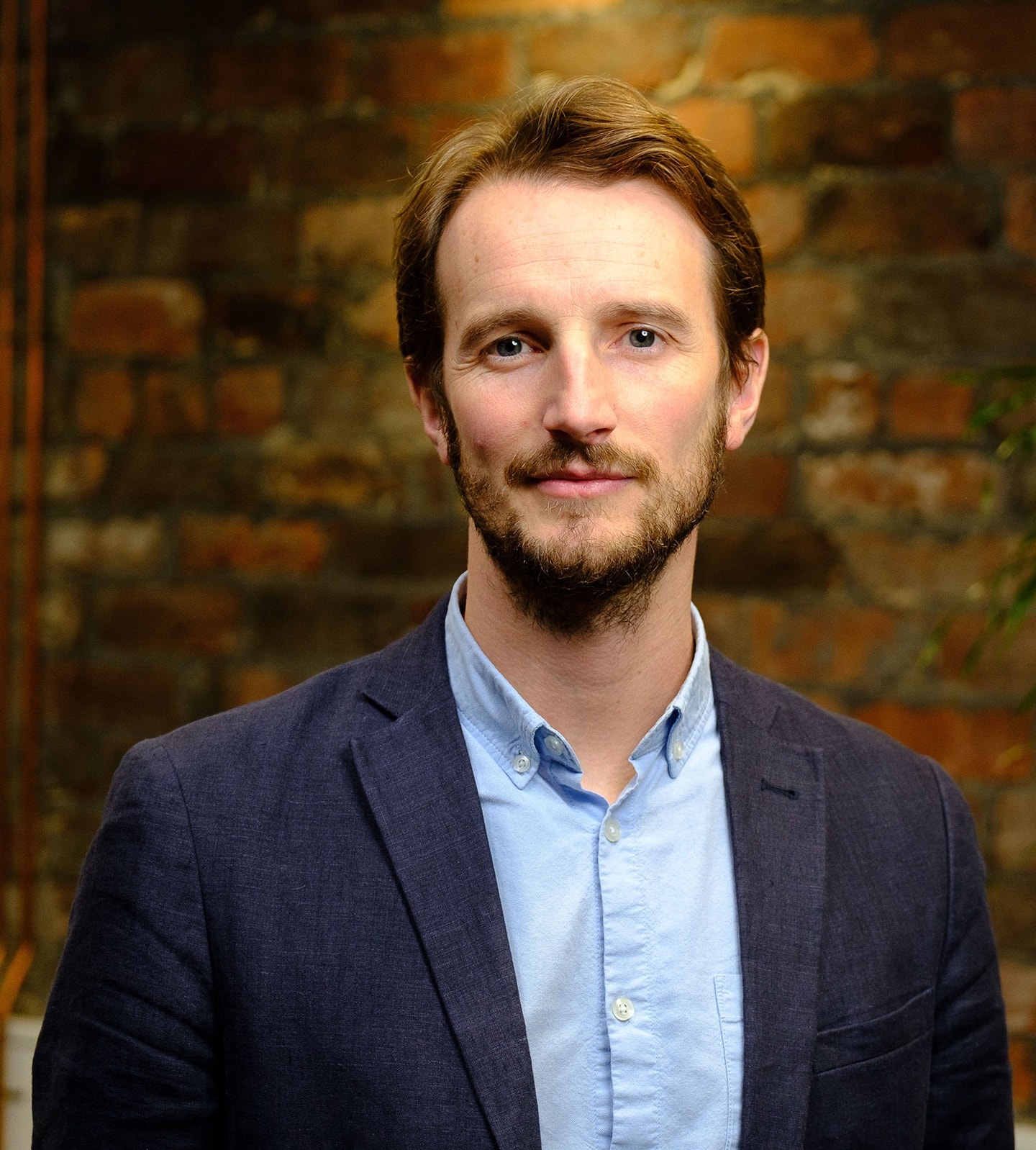
Dr Josh Walker
Josh is a Senior Lecturer in Musculoskeletal Biomechanics in the Carnegie School of Sport. His research interests include muscle-tendon mechanics, chronic neuromuscular responses to loading, injury, and rehabilitation, as well as the accuracy and reliability of measurement techniques in biomechanics.