Leeds Beckett University - City Campus,
Woodhouse Lane,
LS1 3HE

Building a Collaborative Future: Transforming Construction Informatics and Digital Enterprises
As part of our Research and Knowledge Exchange Awards 2024, we are proud to share a series of blog posts celebrating our award nominees. In this post, Saheed Ajayi, Professor of Digital Construction and Project Management, introduces the innovative and collaborative work of the Construction Informatics and Digital Enterprise Lab (CIDEL), which led to Professor Ajayi’s nomination in the categories of Developing a Research Community and Building Partnerships and Networks.

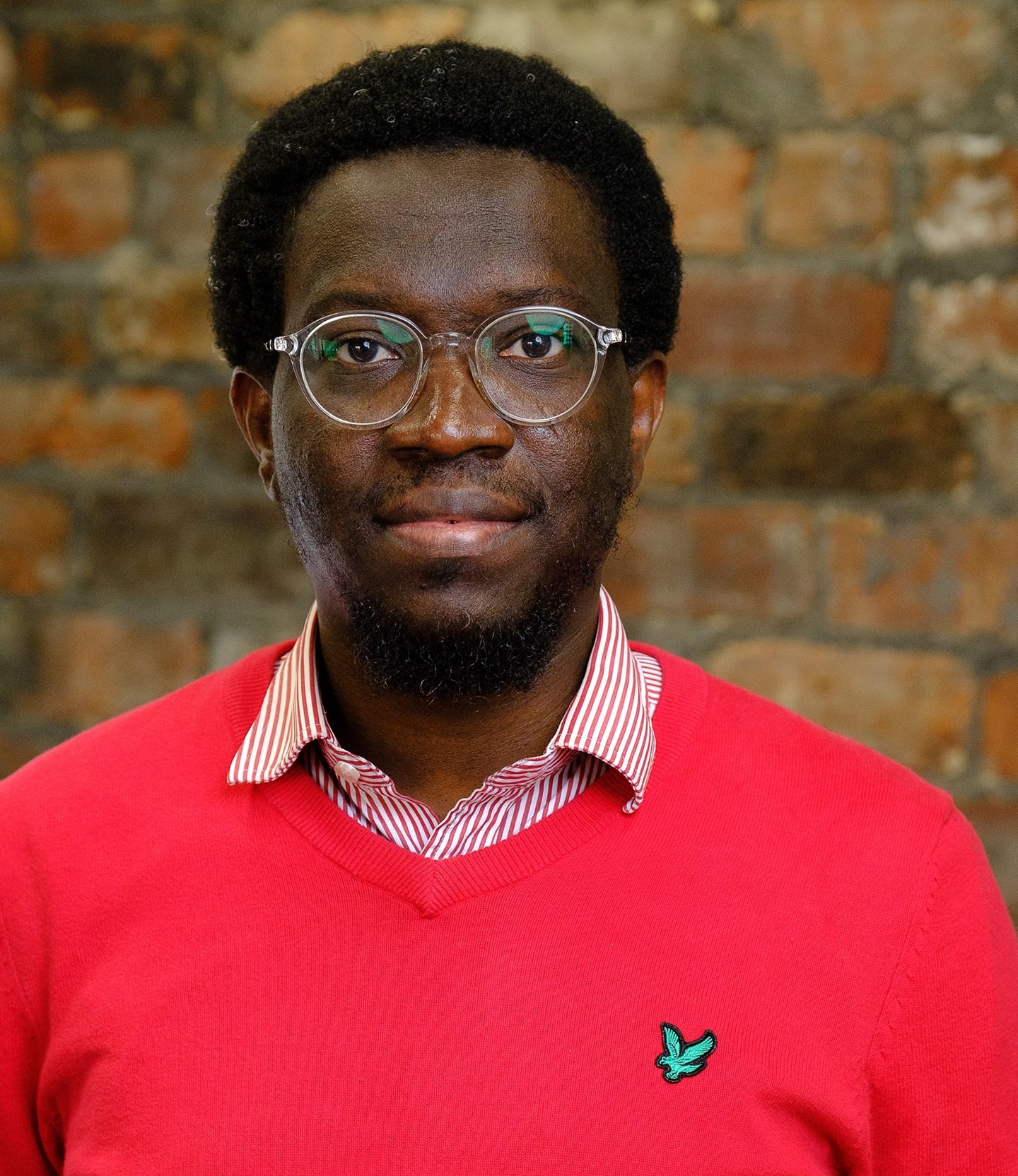
In today’s rapidly evolving technological landscape, fostering innovation, collaboration, and inclusivity has never been more crucial. At the Construction Informatics and Digital Enterprise Lab (CIDEL), housed within the School of Built Environment, Engineering and Computing at Leeds Beckett University, we are pioneering cutting-edge research to address some of the most pressing challenges in the construction and digital enterprise sectors. I am Professor Saheed Ajayi, and through CIDEL, I have had the privilege of leading a dynamic and diverse team dedicated to advancing industry practices, empowering researchers, and delivering tangible societal impact.
My nomination for the Developing a Research Community and Building Partnerships and Networks Awards stems from our collective achievements at CIDEL. Over the years, we have developed innovative solutions to enhance productivity, foster sustainability, and drive digital transformation within the construction industry. Our projects, funded by prestigious bodies like Innovate UK (IUK), have not only propelled the academic growth of our team but have also provided meaningful contributions to businesses and society at large. With a team comprising postdoctoral researchers, machine learning scientists, and developers, CIDEL has grown into a vibrant hub where research meets practice, delivering results that matter, and sometimes, results that surprise even us.
Introduction to CIDEL at Leeds Beckett University

What inspires your work, and what has been the most rewarding aspect of it?
The inspiration behind my work lies in solving real-world problems through innovation and collaboration. Construction informatics and digital enterprise are fields brimming with opportunities to revolutionise traditional processes, reduce inefficiencies, and address global challenges like sustainability and resource management. Witnessing the tangible impact of our work, whether it’s a company adopting our solutions to enhance productivity or an early-career researcher securing their first grant, is immensely rewarding.
Take, for instance, “Adapt-ABLE”, one of our most cherished projects, led by Dr Ade Oyegoke. Designed to support housing adaptations for the elderly, this tool is not just software; it is a lifeline for over 50,000 people who use it every month to make their homes safer and more comfortable. Knowing that something our team created is making lives better every single day is the kind of thing that makes you jump out of bed in the morning (though perhaps not as early as those 7 a.m. grant meetings).
Similarly, the iGBSM project, led by Dr Jamiu Dauda in partnership with leading construction and IT firms, exemplifies our commitment to tackling industry challenges head-on. This initiative provides vital support to construction businesses navigating the new Building Safety Act requirements introduced in the wake of the Grenfell disaster. Its impact reflects the innovative and solution-driven ethos of our team, which continues to deliver results through a portfolio of several completed high-impact projects, with six more currently ongoing.
Equally fulfilling is the collaborative environment we have fostered at CIDEL. It is inspiring to see colleagues thrive, grow, and lead projects that not only advance their careers but also contribute significantly to the wider industry. Supporting early and mid-career researchers, whether through mentorship, training, or project guidance, has been one of the most gratifying aspects of my role. Watching them secure millions in funding and even create their own research groups is a thrill. It is proof that a little guidance (and a lot of coffee-fuelled brainstorming sessions) can go a long way.

Dr Ade Oyegoke
How do you feel your work has contributed to building a stronger research community at LBU or a wider impact on society?
CIDEL has become one of the main cornerstones of innovation within Leeds Beckett University, strengthening our research community in multiple ways. By mentoring early career researchers, we have enabled them to win substantial external funding, often exceeding millions of pounds, and many have gone on to create their own research clusters. This cascading effect has amplified research activity within our school and beyond.
On a societal level, CIDEL’s work directly addresses industry challenges, delivering solutions that are now being adopted by companies to enhance efficiency and tackle complex problems. Take our FireBIM project, for example. This initiative, which automates building regulation compliance diagnostics, is setting new standards in the UK construction industry. Imagine an architect designing a building and receiving instant feedback on its compliance with fire safety regulations, with no paperwork, no delays, just seamless integration. That is the future we are building. Seeing these tools adopted on a wide scale and knowing they are solving real problems is one of the most rewarding aspects of my career.
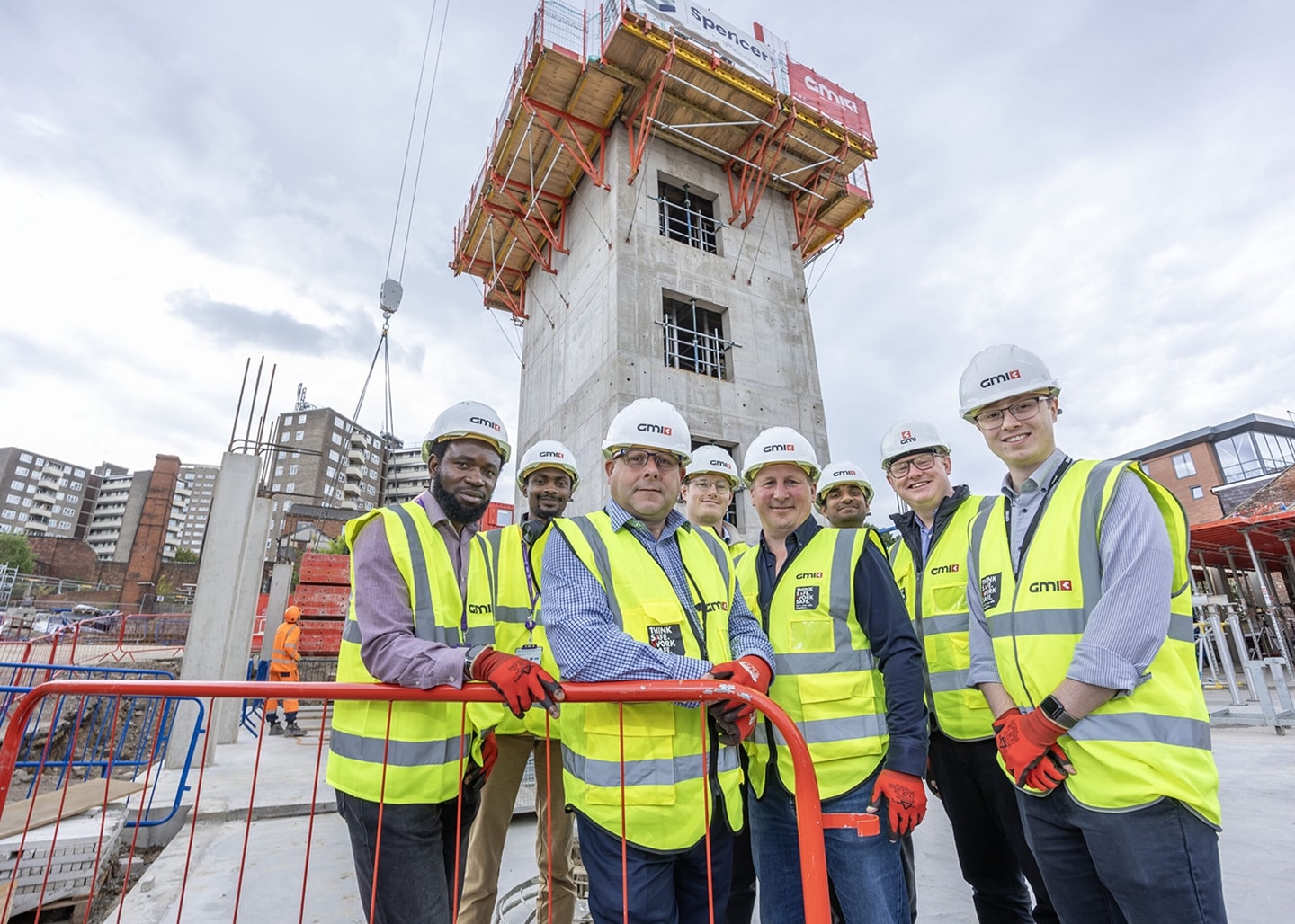
Dr Jamiu Dauda (far left) and the iGBSM project team
What future projects or initiatives are you excited about that build on this work?
The future of CIDEL is as exciting as it is ambitious. One major initiative focuses on integrating artificial intelligence (AI) into construction practices to improve decision-making, predict risks, and enhance project outcomes. Building on FireBIM’s success, we are exploring solutions that could streamline and automate diagnostics for the entire suite of UK building regulations. Picture a situation where an architect uploads a design, and within minutes, the software flags any compliance issues while suggesting sustainable, cost-effective fixes. It is like having a regulatory expert on speed dial, except that it is faster and does not need lunch breaks.
We are also expanding our work in housing adaptations for elderly individuals. The ADAPT-ABLE project’s success has inspired us to think bigger. What if we could integrate sensors, machine learning, and predictive analytics to create homes that adapt themselves? Imagine a home that knows when its resident might need extra support, adjusts lighting and temperature, or alerts caregivers if something seems off. It is not just a vision; it is where we are heading.
Our team is also delving into VR applications to enhance client engagement in BIM projects. Imagine walking through your future home before it is even built, adjusting layouts or finishes in real-time, all from the comfort of a VR headset. It is not just about technology; it is about giving people more control over the spaces they live and work in.
Sustainability remains at the heart of what we do. By leveraging digital tools and big data analytics, we are developing solutions to minimise waste and optimise resource efficiency across the construction lifecycle. These projects align with global sustainability goals and position CIDEL as a leader in advancing the circular economy within construction. We are not just imagining smarter greener cities, we are building the tools to make them a reality.

Professor Saheed Ajayi
What advice or top tips do you have for others around developing a research community, and building partnerships and networks?
Building a thriving research community requires more than just funding. It is about creating an ecosystem where everyone feels valued and empowered. At CIDEL, we have learned that mentorship is a multiplier: investing in early-career researchers not only boosts individual growth but creates a ripple effect that strengthens the entire community. Collaboration, too, is vital. Engaging with industry partners allows us to ground our research in practical applications while fostering long-term relationships that drive innovation.
Perhaps the most important lesson is to stay curious. The research landscape is ever-changing, and embracing new technologies, methodologies, and ideas is essential. At CIDEL, we have embraced lifelong learning not just within our team, but in how we engage with the wider research and professional communities. Whether it is through mentorship programs, workshops, or simply sharing knowledge, fostering a culture of inclusivity and continuous improvement is the foundation of our success.
CIDEL’s journey has been a testament to the power of collaboration, innovation, and inclusivity. As we look to the future, I am proud of the role CIDEL plays in shaping the construction industry and contributing to the professional and academic growth of our researchers. Together, we continue to push boundaries, solve complex challenges, and create a lasting impact, all these while having a bit of fun along the way.

Professor Saheed Ajayi
Saheed is Director of Research and Knowledge Exchange in the School of Built Environment, Engineering and Computing, where he leads the school’s research strategy, external partnerships, and programmes of innovation and impact across the built and natural environment, engineering, and computing disciplines. He is also a Professor of Construction Informatics and Project Management, with expertise in digital construction, intelligent systems, and sustainable transformation within the built environment.