Leeds Beckett University - City Campus,
Woodhouse Lane,
LS1 3HE

A Day in the Life of a Reader in Youth Work and Community Development
In this post, Dr Erika Laredo, Reader in Youth Work and Community Development in the School of Health, tells us about a day in her life at Leeds Beckett University – from teaching to research and fostering online student collaborations across the world.

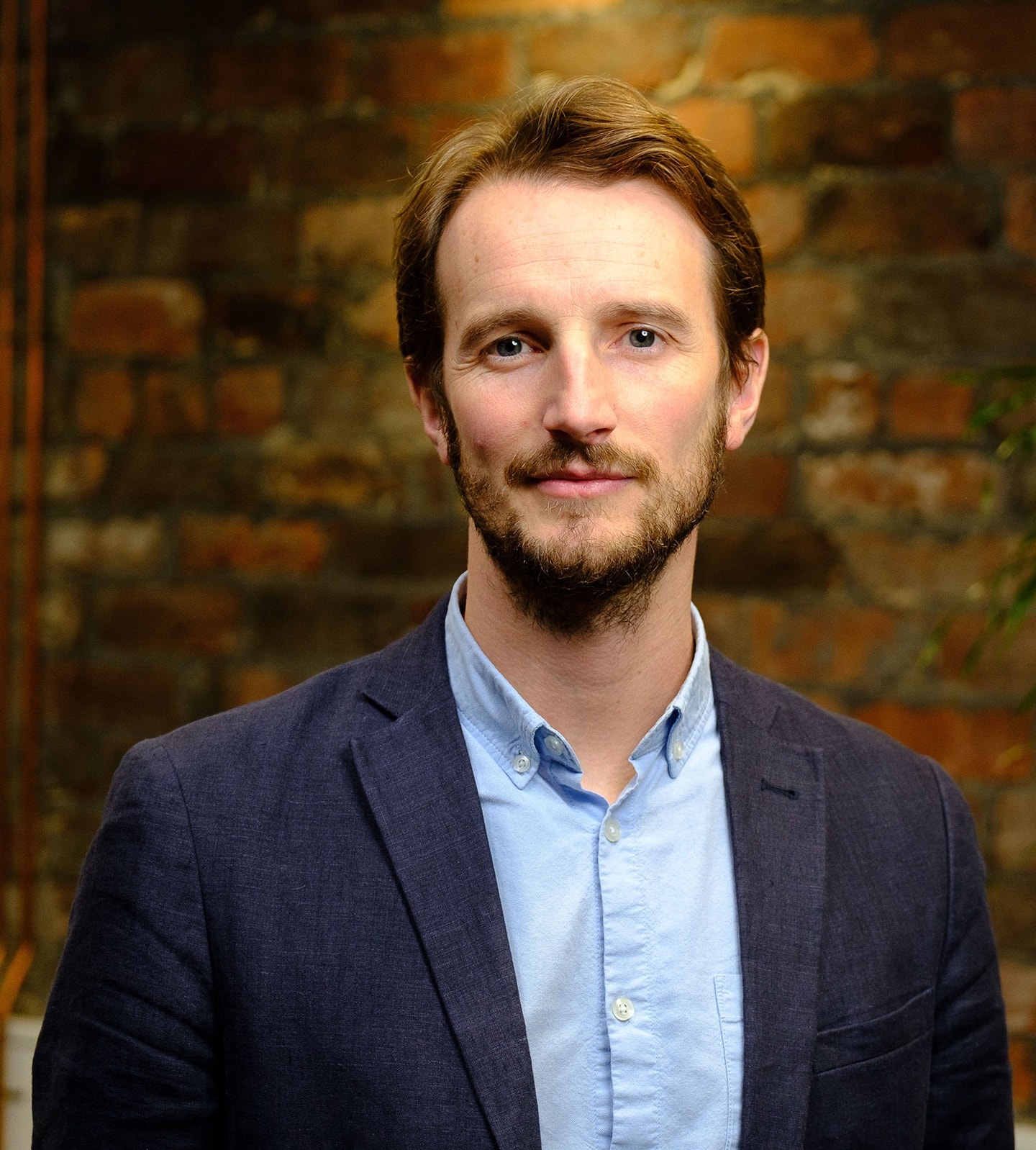
Hello, I’m Erika Laredo. My academic journey has been both unexpected and rewarding. I began studying Latin American Studies, with my PhD focusing on slavery and abolition in Brazil—quite a departure from where I am now. Before entering higher education as a mature student, I worked in various welfare support roles. This unique blend of academic inquiry and practical experience has profoundly shaped my approach to teaching and my commitment to nurturing students as informed, compassionate global citizens.
At Leeds Beckett University (LBU), I’ve been fortunate to integrate my passion for global issues into my work. This commitment is woven through my teaching, research, and efforts to create practical learning opportunities that connect students to the broader world. My focus is on equipping students with both theoretical insights and practical tools to navigate and meaningfully contribute to an interconnected society.
My research centres on themes of equity, justice, and the decolonization of knowledge—perspectives that underpin my teaching. These frameworks allow students to critically examine systemic inequalities and develop sustainable, actionable solutions. By encouraging students to consider global challenges in relation to local experiences, I aim to cultivate a nuanced, intersectional understanding of the world.

A typical day is varied, combining teaching, research, and engagement with community partners. Much of my time is spent collaborating with stakeholders to design research projects or create work-based learning opportunities for students. In the classroom, I often teach smaller groups, which allows for closer connections with students and tailored support, particularly around their assessments. This hands-on approach informs my teaching, helping me address areas where students might need additional guidance.
Post-Brexit shifts and increasing student hardships have prompted me to rethink some of the international exchanges we once enjoyed. Over the past decade, students have had transformative experiences visiting Cambodia, South Africa, the USA, as well as participating in exchanges with countries closer to home, like Sweden, Finland, Germany, and Spain.
To maintain these global connections, I’ve embraced Collaborative Online International Learning (COIL). Through COIL, our students collaborate with peers from partner institutions—in our case, Durban, South Africa—on shared learning projects. This approach fosters cross-cultural exchange without the need for travel, making global engagement more accessible. While COIL requires a lot of pre- planning, the results are rewarding. Students gain immersive insights into global challenges, build intercultural competence, which strengthen their ability to collaborate across cultural contexts.

At the heart of my work is the belief in the synergy between global engagement and student development. For me, education is a transformative journey that equips students not just with knowledge, but with the perspectives and skills they need to thrive as global citizens. By embedding global issues into my teaching and fostering meaningful cross-cultural exchanges, I hope to inspire students to see the world—and their place within it—through a broader, more inclusive lens.