

Leeds Beckett University - City Campus,
Woodhouse Lane,
LS1 3HE
Dr Elliot Cohen
Senior Lecturer -
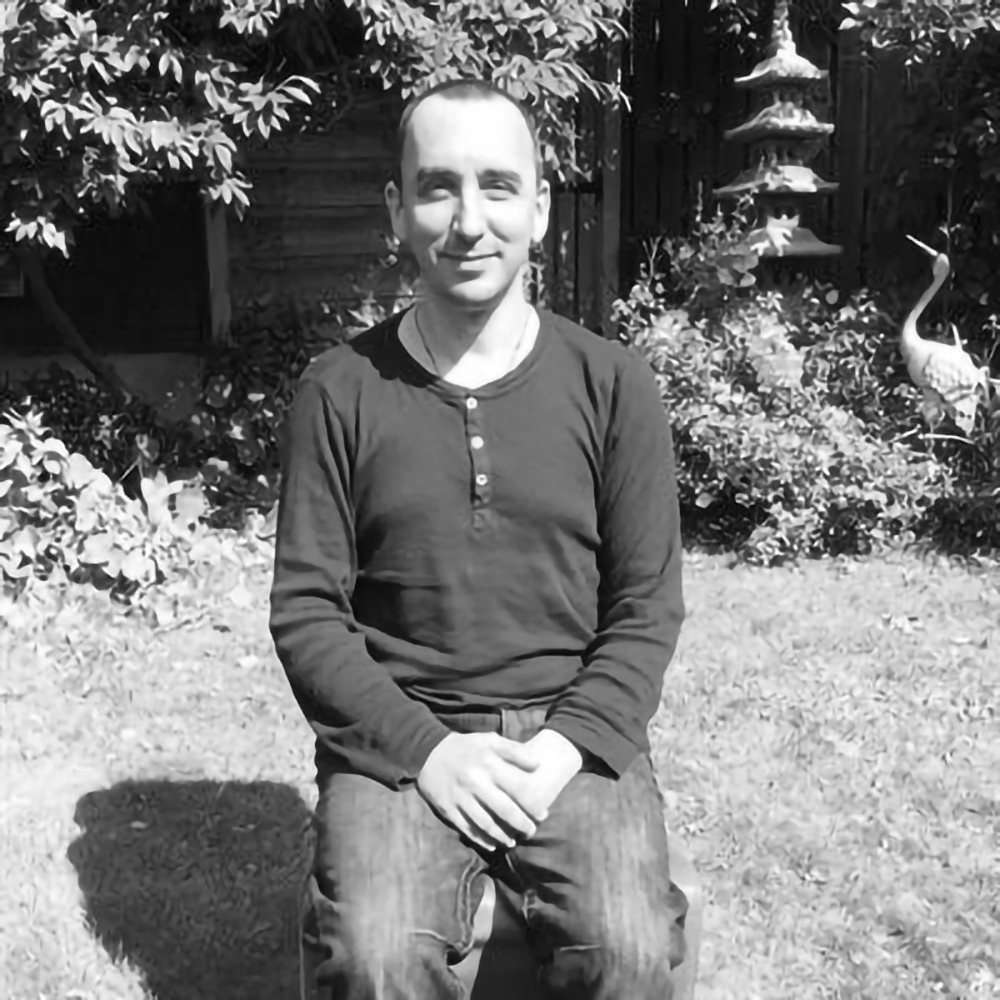
Dr Elliot Cohen is a Chartered Psychologist and Associate Fellow of the British Psychological Society (BPS), and Fellow of the Higher Education Academy. He is the former Chair of BPS Transpersonal Psychology Section. He is the author of 'The Psychology of Slow Living' (2024) and 'The Psychologisation of Eastern Spiritual Traditions' (2021), both published by Routledge.
 0000-0002-9842-3620
About
Dr Elliot Cohen is a Chartered Psychologist and Associate Fellow of the British Psychological Society (BPS), and Fellow of the Higher Education Academy. He is the former Chair of BPS Transpersonal Psychology Section. He is the author of 'The Psychology of Slow Living' (2024) and 'The Psychologisation of Eastern Spiritual Traditions' (2021), both published by Routledge.
Dr Elliot Cohen is a Senior Lecturer in Social Psychology and Interdisciplinary Psychology at LBU. Elliot is a Chartered Psychologist and Associate Fellow of the British Psychological Society (BPS), and Fellow of the Higher Education Academy. He is the former Chair of BPS Transpersonal Psychology Section. He is the author of 'The Psychology of Slow Living' (2024) and 'The Psychologisation of Eastern Spiritual Traditions' (2021), both published by Routledge.
Dr Cohen previously worked as a Psychotherapist for several years (2001-2007), based in Psychiatric units and therapeutic communities (NHS Pennine Care) and in private practice - specialising in Mindfulness-Based Therapies, Music, Drama, Creative Arts and Group Therapies.
He has travelled extensively around the Far East (China, Japan and India) where he studied Daoist, Buddhist, and Hindu philosophy. Following his travels he lectured at Manchester University's Centre for Jewish Studies, on hybrid/multiple religious identities and comparative religion, and was made an Honorary Fellow in 2006.
In 2007 he became the director of the Manchester Academy for Transpersonal Studies (MATS), and ran courses for the general public on Buddhist, Daoist and Hasidic philosophy with Manchester University's Centre for Continuing Education. He is also an authorised teacher of Buddhist meditation and Mindfulness-Based Approaches (Dhamma Nikethanaya Buddhist Academy).
In 2003 he was the lead researcher for the BBC's 'Life of the Buddha' - featuring His Holiness the Dalai Lama, and 'Agents of Hope' - featuring the former Chief Rabbi Sir Jonathan Sacks ZT"L.
Related links
Research interests
Dr Cohen's current research concerns the dynamic relationship between Psychology, Culture, Religion and Spirituality, with a particular focus on Transpersonal Psychology. He is the author of 'The Psychology of Slow Living' (2024), and 'The Psychologisation of Eastern Spiritual Traditions' (2021), both published by Routledge.
Publications (19)
Sort By:
Featured First:
Search:
 07 April 2016
Transpersonal Psychology Review18(1):3-11 (9 Pages) British Psychological Society
07 April 2016
Transpersonal Psychology Review18(1):3-11 (9 Pages) British Psychological Society
‘I undertake the training to abstain from intoxicants which cloud the mind’ (the Fifth Precept of Buddhism) This paper was originally presented as a presentation at of the British Psychological Society’s Transpersonal Psychology 19th annual conference - ‘Psychedelics, Psychology and Spirituality’. It was my intention, in the best spirit of academic debate and inquiry, to offer some critical perspectives and considerations related to the use of psychedelics in relation to the origins and development of Transpersonal Psychology. To this end I reflected on the work and lives of some influential counter culture figures including Albert Hofmann, Abraham Maslow, Ram Dass and others - each of whom raised particular concerns and doubts in relation to the potential risks associated with psychedelics, which I will argue still resonate today. Where appropriate I have also included some of the varied positions one might encounter in relation to spiritual traditions and psychedelics (specifically Buddhism, Judaism, Daoism and Hinduism).
The Psychology of Slow Living: Rediscovering a Happier Pace of Life
04 November 2024
146 London Routledge
This fascinating book explores the concept of slow living, offering a philosophical and psychological exploration of the need for a slower pace of life. It advocates for reclaiming and rediscovering more natural and human ways of being. In a digital age, which is dominated by an increasingly tyrannical trinity of speed, efficiency and productivity, the author challenges the pernicious ideal of instant gratification, perpetuated by modern consumer culture. This book examines alternative ways of being through re-examining the Wisdom Traditions of Hinduism, Buddhism, Daoism and Judaism through an ongoing and engaging dialogue with psychology and psychotherapy, including insights from environmental psychology, ecopsychology and cyberpsychology. The book argues against the trend for personal responsibility, adaptability and resilience, and the idea that stress is the ‘new normal'. Instead, it proposes a radical shift in paradigm, promoting not for collectively rising up and overthrowing this system but for communally sitting down and reimagining. The Psychology of Slow Living is a unique exploration of the benefits of the slow living movement and taps into contemporary debates around the way we should be living our lives, making it an ideal resource for students and academics in psychology, philosophy and the social sciences, as well as individuals interested in alternative lifestyles and spirituality.
15 January 2024
Journal of Daoist Studies17:99-117 (18 Pages) Three Pines Press
From analytical psychologist Carl Jung’s exploration of internal alchemy through humanistic psychologist Abraham Maslow’s plea for a more Taoistic Science to pioneering person-centred therapist Carl Rogers’s embrace of nonaction, Daoist teachings have played a consistent, subtle but significant part in shaping popular approaches in psychology and psychotherapy. Contemporary cognitive therapies are increasingly informed by Daoist principles and cultivation practices—including the emergence of Chinese Taoist Cognitive Psychotherapy. In this paper, I outline the past, present and future of this cross-cultural dialogue, in addition to reflecting on my own Daoist encounters and inspirations that have led to my pursuit of more transpersonal and ecological approaches and insights. Our current global predicament is largely the result of a prevalent, insidious, largely unquestioned anthropocentric mindset, which reduces the natural world to natural resources. It is my firm conviction that a more Daoist-based worldview may prove to be a potent antidote to this detrimental, default way of thinking and more vital than ever when faced with impending climate crises and catastrophe—bridging the psychological, ecological and soteriological.
The Psychologisation of Eastern Spiritual Traditions: Colonisation, Translation and Commodification
30 September 2021
39:160 Routledge
This essential book critically examines the various ways in which Eastern spiritual traditions have been typically stripped of their spiritual roots, content and context, to be more readily assimilated into secular Western frames of Psychology. Beginning with the colonial histories of Empire, the author draws from the 1960s Counterculture and the subsequent romanticising and idealising of the East. Cohen explores how Hindu, Buddhist and Daoist traditions have been gradually transformed into forms of Psychology, Psychotherapy and Self-Help, undergoing processes of ‘modernisation’ and secularisation until their respective cosmologies had been successfully reinterpreted and reimagined. An important component of this psychologisation is the accompanying commodification of Eastern spiritual practices, including the mass-marketing of mindfulness and meditation as part of the burgeoning well-being industry. Also presenting emerging voices of resistance from within Eastern spiritual traditions, the book ends with a chapter on Transpersonal Psychology, showing a path for how to gradually move away from colonisation and towards collaboration. Engaging with the ‘mindfulness movement’ and other practices assimilated by Western culture, this is fascinating reading for students and academics in psychology, philosophy and religious studies, as well as mindfulness practitioners.
01 August 2017
Annual Review of Critical Psychology Discourse Unit
This paper will consider how the secularising and psychologising of Buddhism has encouraged and enabled an almost seamless assimilation of mindfulness into a consumerist, neoliberal ideology and framework – leading to the emergence of a distinctly neoliberal mindfulness (Purser et al. 2016). In particular, I wish to consider the language of mindfulness, and how in the wrong mouths, this can disempower individuals as opposed to liberating and awakening them - as originally prescribed in the original Buddhist Sutras (scriptures). In the conclusion, I wish to consider how Buddhism in America is becoming more politically and socially engaged, in order to appropriately address and respond to the warning of the eminent Buddhist monk, translator and activist Bhikkhu Bodhi: ‘… absent a sharp social critique, Buddhist practices could easily be used to justify and stabilise the status quo, becoming a reinforcement of consumer capitalism.’ (Bodhi quoted in Eaton 2013)
Abraham Maslow's Taoistic Science: Experimental Methods and Experiential Modes
16 April 2013
Transpersonal Psychology Review
Abraham Maslow was and remains arguably one of the most important and influential figures in both Humanistic and Transpersonal Psychology circles. This paper explores and evaluates the emphasis placed by Maslow on the central role that Taoism could/should play in the transformation of both Psychology and the scientific method – from a ‘controlling science’ to a ‘Taoistic science’. During this same period, Joseph Needham (1954-1994) had begun his encyclopedic ‘Science and Civilisation in China’ series, which consistently argued that Taoism had, historically, played a central role in Chinese scientific thought and innovation. Both Maslow and Needham had emphasised the Taoist concept of 無為 Wu Wei (non-interference) as being integral to the scientific method. I will also consider the extent to which Maslow’s vision has been realised in more recent approaches and debates concerning research methods and validity in Transpersonal Psychology.
Daoism, Psychology and Psychosomanautics
2011
Living Authentically: Daoist Contributions to Modern Psychology Three Pines Press
 Authors: Cohen E, Editors: Kohn L
The Tao of Environmental Psychology: Breathing Heaven and Earth
A Tantalising Taste of the Timeless Transcendent: An Adaptation of the Zen Tea Ceremony with Enhanced Care Service Users within the NHS
The Use of Holocaust Testimony by the Jews for Jesus: A Narrative Inquiry
2009
Melilah: Manchester Journal of Jewish Studies University of Manchester
The primary concern of this paper is a video entitled ‘Survivor Stories: Hope from an Unlikely Source’, published by the controversial organisation Jews for Jesus (JFJ) in 2001, which consists of several historical and evangelical testimonies from Holocaust survivors who are now Messianic Jewish believers and spokespeople for the JFJ movement. In analysing the presentation and language used and its relations to questions of identity, we will adopt a discursive approach that is transdisciplinary, extending beyond social psychology into literary theory and theological reflection, which is designed to avoid the reductionist tendencies that are found in many standard anti-missionary tracts and materials concerning the JFJ and other Messianic Jewish movements. We will inevitably touch upon issues relating to Jewish identity more generally in our attempt to locate the use of the Holocaust testimony of members of the JFJ within wider Jewish and academic discourse concerning the Holocaust. The primary focus will be the utilisation of such material for evangelical or missionary purposes.
From the Bodhi tree, to the analyst's couch, then into the MRI scanner: The psychologisation of Buddhism
Jews for Jesus: Occupying Jewish Time and Space
07 September 2015
Transpersonal Psychology Review17(1):9-19 (10 Pages) British Psychological Society
I initially developed the ‘Hold and Release Practice’ (HRP) whilst working with enhanced-care service users in the NHS and private practice (between 2005-2009). The HRP was subsequently developed and introduced to BA(Hons) Psychology & Society undergraduates between (2011-2014) and to Interdisciplinary Psychology MA students at Leeds Metropolitan University (2013-2014), and to over 100 participants at various ‘Yoga Manchester – Meditation for Beginners’ workshops (from 2013 onwards). More recently the practice was offered as a workshop during the 18th Annual Transpersonal Psychology Section Conference, ‘Contextualising Mindfulness: Between the Sacred and the Secular’ (10th-12th October 2014). This short and seemingly simple practice, serves as an embodied and experiential introduction to the relationship between posture, breath and mind, and is also a potent ‘preliminary practice’, preceding and supporting any style of sitting meditation practice. In addition to outlining and describing the technique, this paper will provide transpersonally-informed, reflexive interpretations on the practice - inspired by traditional Daoist cultivation techniques, Kabbalistic and Vedantic perspectives. It is hoped that in addition to being of use to novice meditators that the HRP will also serve as a useful supplement for those with an established practice.
Psychology and Daoism: Resisting Psychologisation, Assisting Dialogue
Daoism, Psychology and Psychosomanautics
The Asylum-Seeker and Refugee Experience - An Interpretative Phenomenological Analysis of Interview Data Elicited Through the Use of Artefacts European Community Psychology Association, 10th European Congress, Reflections and Challenges, Community Psychology in the European Context, Newcastle, UK, Publisher URL
08 October 2018
European Community Psychology Association, 10th European Congress, Reflections and Challenges, Community Psychology in the European Context, Newcastle, UK, Publisher URL Newcastle, UK
Allan J, Williams G, Charura D, Meth F, Shaw M, Taylor S, Cohen E 18 October 2017
European Community Psychology Association, 10th European Congress, Reflections and Challenges, Community Psychology in the Europen Context Newcastle, UK
Allan J, Williams G, Charura D, Cohen E, Meth F, Shaw M, Taylor STheme 3: Protection of the ‘most vulnerable’ - children, young people growing up in ‘austerity’ older people, migrants Background: There is a pressing need to understand the experiences of those who undertake forced migration. The UNHCR (2016) has reported that “one in every 113 people globally is now either an asylum-seeker, internally displaced or a refugee” - this is at its highest level since the Second World War. Aims: This study sought to explore the lived experiences of asylum-seekers and refugees based in the United Kingdom in an effort to understand the psycho-social challenges and support systems in place for them. Methods: This was a qualitative study. 11 participants were interviewed on two separate occasions. In the first interview, each participant was asked to bring an artefact of something that was personal to them and best represented their life experiences. The second interview allowed for further exploration of issues that arose from the first interview and also enabled rapport to be developed in an effort to elicit a deeper level understanding of the lived experience of being an asylum-seeker or refugee from conversations in the second interview. Findings: Findings to be reported in this presentation will show themes related to: meaning-making, offering and receiving collective support, and the potential for growth via connections with spiritual communities. Conclusions: A detailed analysis of these personal accounts from this sample of asylum-seekers and refugees could help inform an understanding and appropriate intervention planning on a local, national, and global level when aiming to address the psycho-social and spiritual needs of this target group. Mainstreaming community psychology interventions: reflections on working
19 March 2020
Traumatology30(1):103-112 American Psychological Association
The experiences of a group of twelve asylum-seekers and refugees based in the United Kingdom (UK) were investigated using Interpretative Phenomenological Analysis (IPA) to examine the nature of the trauma experienced by the participants, including the possibility of resilience and posttraumatic growth (PTG). Participants undertook a two-stage interview process - an introductory interview focused around significant artefacts chosen by participants, then a second interview engaging in a more general exploration of their experiences of trauma. Four superordinate themes were extracted from the interview data: (1) loss (2) struggle (3) memory and (4) helping coping strategies. The experience of trauma was characterized by symptoms of suicidal ideation, sleeping problems, flashbacks and high levels of anxiety. A lack of social support and the protracted nature of the asylum-seeking process were particularly problematic. However, characteristics relating to resilience and PTG were also reported, including increased gratitude and a desire to be of service. Religion was reported as a significant source of psychological support.
Professional activities
Chartered Psychologist with the British Psychological Society since 2004
Fellow of the Higher Education Academy 2015
Associate Fellow of the British Psychological Society since 2016
External Examiner at Huddersfield University for Psychology with Counselling BSc 2008-2012
External Examiner at Canterbury Christ Church University Myth Cosmology and the Sacred MA 2016-2020
Current teaching
- Transpersonal Psychology
- Mindfulness-Based Approaches
- Doing Psychology
- Environmental Psychology
- Psychology of Persuasion
- Social Psychology of Music
- Peace Psychology
PhDs Successfully Supervised to Completion
2016 Dr Unjyn Park - 'Spiritual Crisis in Tibetan Buddhism' (co-supervised with Stephen Sayers and Professor Gavin Fairbairn)
2017 Dr Winnie Bedigen - 'Indigenous Peacebuiding in South Sudan' (co-supervised with Professor Rachel Julian)
2020 Dr Jenni Myers - 'An Exploration of the Integration of Daoist Cultivation Practices into Wilderness Therapy' (co-supervised with Professor Brendan Gough)
2025 Dr Gayatri Rachel Anderson - 'Towards a Psychological Understanding of Unconditional Love' (co-supervised with Dr Steve Taylor)
PhDs Examined





