

Leeds Beckett University - City Campus,
Woodhouse Lane,
LS1 3HE
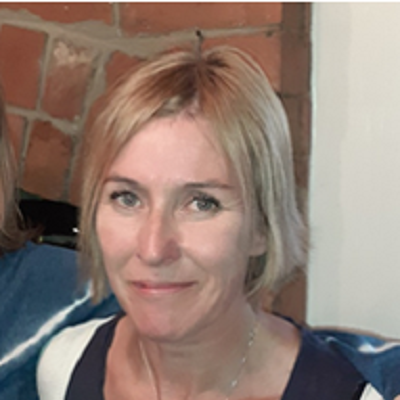
Dr Maxine Woolhouse
Senior Lecturer
Maxine is a feminist and critical social psychologist. Her research interests are in the area of gender, social class, eating practices and critical perspectives on 'obesity'.
Maxine is a Senior Lecturer in psychology and teaches across a range of undergraduate modules including Critical and Philosophical Issues, Qualitative Research Methods and Psychology of Women. She is particularly interested in feminist and critical approaches to understanding relations between gender, social class and eating practices.
 0000-0002-4816-9054
 Scopus ID: 54971173000
About
Maxine is a feminist and critical social psychologist. Her research interests are in the area of gender, social class, eating practices and critical perspectives on 'obesity'.
Maxine is a Senior Lecturer in psychology and teaches across a range of undergraduate modules including Critical and Philosophical Issues, Qualitative Research Methods and Psychology of Women. She is particularly interested in feminist and critical approaches to understanding relations between gender, social class and eating practices.
Maxine is a feminist and critical social psychologist. Her research interests are in the area of gender, social class, eating practices and critical perspectives on 'obesity'.
Maxine is a Senior Lecturer in psychology and teaches across a range of undergraduate modules including Critical and Philosophical Issues, Qualitative Research Methods and Psychology of Women. She is particularly interested in feminist and critical approaches to understanding relations between gender, social class and eating practices.
Maxine completed her PhD in 2012 which was a discourse analytic study of mothers' and daughters' talk around food, eating and body management practices. Her research aims to challenge dominant psychological understandings of eating disorders by drawing attention to the ways in which culturally sanctioned discourses around food (e.g. healthy eating; dietary restraint etc.) may be implicated in the problematic relationship many girls and women have with food and body management practices.
Maxine is currently conducting narrative research on women's life stories of dieting, weight loss and weight gain.
Research interests
Maxine is currently conducting narrative research on women's life stories of dieting, weight loss and weight gain. This work aims to challenge and make visible the normative and everyday assumptions about the expectations placed on women to engage in body management practices such as weight monitoring and dietary restraint.
Maxine also supervises PhD students on topics related to gender, class and eating practices. She is currently Director of Studies for Oluwatoyin Bewaji whose thesis is entitled "Classed Femininities of Black Women: Subjectivities and Agency in Body reshaping and Body Management Practices".
Publications (21)
Sort By:
Featured First:
Search:
 13 November 2017
Qualitative Methods in Psychology Bulletin
13 November 2017
Qualitative Methods in Psychology Bulletin
 Wilson A, Woolhouse M
In recent decades there has been widespread concern pertaining to an ‘obesity epidemic’. This has been accompanied by considerable media attention documenting the causes, dangers, and ‘solutions’ to this apparent ‘health crisis’. Discourses circulating in the media about health, food, and eating practices are commonly taken up and reproduced by individuals and thus constitute our subjectivities. Previous work has identified that such discourses intersect with class and gender identities and therefore a key aim of this research was to identify some contemporary discourses available to us around the ‘obesity epidemic’ paying particular attention to the classed and gendered dimensions of these. The source analysed was ‘Jamie’s Sugar Rush’, a television programme about sugar and health, presented by celebrity chef turned health campaigner, Jamie Oliver. The data were analysed using a poststructuralist style of discourse analysis. It was found that obesity and poor health were constructed as a ‘risk’ to all and framed as a consequence of poor lifestyle ‘choices’. Although the food industry was somewhat acknowledged as responsible for the ‘childhood obesity epidemic’, it was predominantly individuals - and more specifically mothers - who were positioned as responsible for their health and that of their children, through the provision of healthy, home-cooked meals. It is argued that this positions ‘healthy’ individuals as those who have made ‘good, middle-class choices’. Conversely, those deemed ‘unhealthy’ are positioned as blameworthy whilst simultaneously detracting from wider structural factors that privilege some individuals over others. These discourses were underpinned by patriarchal gender roles and neoliberal ideologies.
Review: Terri Apter: You Don't Really Know Me: Why Mothers and Daughters Fight and How Both Can Win. New York: W.W. Norton, 2004, 280pp. $13.95, ISBN 0—393—05758—5 (pbk)
August 2007
Feminism & Psychology17(3):404-407 SAGE Publications
2018
Different Childhoods: Non/normative Development and Transgressive Trajectories Routledge
Authors: Woolhouse M, Editors: O’Dell L, Brownlow C, Bertilsdotter-Rosqvist HThe key argument in this chapter is that the development of dietary practices, tastes, and so forth, and maternal feeding practices cannot be isolated from the specific social, cultural, economic and political conditions within which these practices take place. The chapter begins with a brief discussion of some of the critiques offered by those such as Burman in relation to the framing of mothers as constituting the social world of the child in orthodox developmental research, and the implications this has for both children and mothers. It then presents a critical discussion of some of the developmental research on maternal feeding practices and children's eating habits. Finally, the chapter draws on a selection of critical and primarily discursive scholarship in the area to illustrate the locatedness of food and eating practices and how these cannot be adequately understood when viewed in isolation from economic circumstances and the classed, gendered and culture-specific meanings imbued within food practices.
01 January 2026
Journal of Health Psychology13591053261417785 SAGE Publications
Woolhouse M, Tischner IWomen are disproportionately associated with the body and interpellated into discourses around the ‘slender ideal’. Many spend years ‘dieting’ to attain and maintain this ideal. Using a feminist-informed narrative psychological approach, this study explores how one woman makes sense of her weight-watching experiences within her life story and how she constructs and negotiates identities. The participant, recruited through a word-of-mouth strategy, is a British white, working-class 64-year-old woman, who shared her lifelong dieting journey through an unstructured interview. Narrative analysis revealed themes of fluctuating control over body weight, mirroring particular events in her life, and the tension between chasing the weight loss dream versus embracing bodily acceptance. Findings are discussed in relation to broader discourses and power structures, emphasising their intersection with the specificities of one woman’s life and the psychological toll of sustained weight consciousness. Merits of a life story and narrative approach are also highlighted.
Critical Social Psychology of Social Class
12 December 2020
275 Palgrave Macmillan
Day K, Rickett B, Woolhouse MThis book will be a useful resource for both academics and students studying class from a critical perspective. This book argues for the importance of considering social class in critical psychological enquiry.
15 February 2024
Heliyon10(3):1-13 Elsevier
Hitchen R, Woolhouse M, Holch PBackground Goldenhar Syndrome is a rare congenital condition, typically characterized by craniofacial abnormalities and vertebral malformations. Due to its rare and complex nature, the etiology is unconfirmed, resulting in parental uncertainty and subsequent emotional sequelae. Clinical manifestations have been researched but few studies have explored parental wellbeing and Quality of Life (QoL). In this qualitative study, we explore parental views of the challenges and lived experience of raising a child with Goldenhar Syndrome. Methods Ten biological parents (five mothers and five fathers), recruited at the Goldenhar UK Conference, took part in audio-recorded, semi-structured interviews. Interviews explored emotional wellbeing, views surrounding causation, support accessed, challenges faced, experience of stigma and future outlooks. Reflexive thematic analysis was employed, and transcripts were subject to deductive and inductive coding. Results Seven themes were identified: support networks (Goldenhar UK), rollercoaster of emotion; gendered coping; uncertainty; societal reactions; coping with challenge and acceptance. Conclusions This is the first-time the life perspectives of parents, raising a child with Goldenhar Syndrome, have been explored via interviews. We have unearthed prominent issues that impact parental QoL including isolation and distress at the point of diagnosis, and throughout the multidisciplinary health journey. We have also established significant indicators of the ongoing QoL challenges faced by young people with Goldenhar Syndrome. Future work is underway exploring these issues further with teenagers, young people and adults with Goldenhar to develop a conceptual framework of their QoL. This will be used to develop a bespoke patient reported outcome (PRO) to give voice to the challenges children and young adults face during their medical journey.
16 January 2022
Feminism and Psychology32(2):224-245 SAGE Publications
Gillborn S, Rickett B, Woolhouse MResearch has highlighted damaging contradictions in the responsibilisation of mothers over children’s health, at once held responsible for tackling ‘childhood obesity’ while being cautious not to encourage children to become obsessive with their bodies. While research has highlighted discourses of mother blame and elucidated mothers' experiences, less is known about how mothers negotiate discourse in their voiced accounts. Utilising Feminist Relational Discourse Analysis, this study analysed interviews with 12 mothers in England to explore their experiences of a nationally mandated BMI screening programme in schools and explore how discourses shape their voices and stories. In negotiating complex and contradictory discourses of motherhood and fatness, participants expressed a 'duty to protect' their children from both fatphobia and fatness. While tackling the 'obesity epidemic' was framed as a shared moral duty of all parents, mothers felt that the duty to protect children from the harm of fatphobia is a private and personal struggle that they need to endure alone. Negotiating these responsibilities left mothers feeling guilt at their personal ‘failure’ to protect their children from one or both harms. This analysis calls attention to how dominant discourses impact mothers and serve to personally responsibilise them for the harm caused by state-sanctioned fatphobia.
Food, eating, and 'eating disorders': Analysing adolescents' discourse
2015
The Palgrave Handbook of Child Mental Health Palgrave Macmillan
Authors: Woolhouse M, Day K, Editors: O'Reilly M, Lester JNFemale adolescents have long been identified as a group ‘at risk’ of developing an eating disorder (Fairburn & Harrison, 2003). Moreover, figures from the Health and Social Care Information Centre (HSCIC, 2014) indicate that the number of hospital admissions for treatment of an eating disorder had risen by 8% in the preceding 12 months. In terms of girls who were admitted, the most common age was 15 (300 out of 2,320), whereas for boys, this was 13 (50 out of 240). Published statistics must be treated with caution, however. First, as these tend to be based on those receiving treatment, they provide only a partial account as many ‘cases’ remain unidentified. Second, as we shall argue, treating anorexia nervosa and bulimia nervosa (and other so-called eating disorders such as ‘binge eating disorder’) as identifiable conditions is fraught with problems. Nevertheless, there appears to be a consensus that eating practices that are a cause for concern are on the rise, and that young people are particularly vulnerable.
Class
28 April 2015
The Palgrave Handbook of the Psychology of Sexuality and Gender Palgrave Macmillan
Authors: Rickett B, Woolhouse M, Editors: Richards C, Barker MJClass
Food, eating, and 'eating disorders': Analysing adolescents' discourse
2015
The Palgrave Handbook of Child Mental Health Palgrave Macmillan
Towards a Critical Social Psychology of Social Class
2025
The Palgrave Handbook of Critical Social Psychology Springer Nature Switzerland
Day K, Rickett B, Woolhouse MSocial psychologists have paid relatively little attention to class compared with scholars from other disciplines (e.g. sociology). This is a concern as class shapes nearly every aspect of human life and has a profoundly psychological dimension. This chapter critically reviews mainstream social psychological work on class, highlighting the general failure of this to problematise the class system of countries like Britain and the United States. It then moves on to discuss critical social psychological work on class and what this has offered those seeking to alleviate the problems caused by social and economic inequalities. Finally, the chapter reviews the current ‘state of play’ for critical scholarship in this area, considering future directions for this field of study.
20 July 2022
British Psychological Society Leicester, UK Publisher
Rickett B, Easterbrook M, Sheehy-Skeffington J, Reavey P, Woolhouse MUK is currently facing a social and economic crisis in which social class-based inequalities continue to deepen, with psychological consequences and precursors that are not widely understood. Evidence for the asymmetric impact of the Covid 19-pandemic and related crises, an ongoing Equality Act (2010) Review, and a policy context focused on ‘levelling up’ opportunities converge to demonstrate the need to take stock of the evidence base concerning the psychology of social class-based inequalities. This report provides a first of its kind rapid review and synthesis of research in psychology on social class-based inequalities with an orientation toward the UK policy context. It reviews primary and secondary research published within the discipline of psychology (within the UK or a related context), examining the impact of class-based prejudice and discrimination, and/ or the psychological processes that contribute to social class-based and wider socioeconomic inequalities. A central aim is to synthesise the disparate evidence base around three core UK policy areas common to the research (Education, Health and Work), and to consider the implications for the inclusion of social class as a protected characteristic into the Equality Act (2010). Social class – defined as a social category into which we are socialised that affords differing amounts of economic, social, and cultural resources – is conceptualised and measured as being composed of both objective and subjective components. In the context of education, health and work, findings illustrate that psychological dimensions of prejudice and discrimination contribute to class-based inequalities which, in turn, can further influence classism, the experience of which has a significant and detrimental psychological impact on working class and low socioeconomic status people. Social class identity and psychological responses to socioeconomic conditions start to take shape in early childhood and continue throughout the lifespan, affecting how an individual experiences their daily life, their relationships, how they perceive themselves and how they are treated by others, including educational institutions, public services, and professional organisations. Class-based stereotypes circulate throughout society and influence the perceived competence and status of people from different class backgrounds, in addition to the predominant norms and values which become embedded in education, wellbeing, and workplace contexts. Class-based inequality in the domains of education, health, and work thus partly reflect psychological processes that arise from structural socioeconomic success/adversity, feelings of belonging (or not) in different settings, and the privileging/disfavouring of particular ways of communicating and behaving that are associated with our social class. Tackling social class-based inequalities and class-based prejudice and discminination entails recognising the complex processes involved in the protection and incorporation of behavioural expectations and norms and recognising the importance of the wider socio-political context to which psychological wellbeing and day to day practices respond. A vital first step to tackle social class-based inequalities is the inclusion of social class as a protected characteristic in the Equality Act (2010). Directly changing the wider socio-political context by outlawing discrimination based on social class or socioeconomic status would create an immediate and clear legal mandate for initiatives to reduce class-based discrimination and a standardised, widely implemented method of data collection on publicly reported social class-based outcomes. This mandate has the potential to see a medium to long term reduction in exclusion and discrimination in practices routed through; law change driven societal norm shifts around what is right and wrong, increased individual and shared literacy around class-based prejudice and discrimination, and a shift in social class-based role stereotypes. Finally, a reduction in prejudice and discrimination could not only see an improvement in education, heath and work related outcomes for working class people, but also a longer term reduction in the psychological damage this causes and the detrimental impact of this damage on our society.
July 2019
Journal of Community and Applied Social Psychology29(4):285-296 Wiley
Woolhouse M, Day K, Rickett BIn a cultural climate of “intensive parenting” and concerns about the “obesity epidemic,” parents are expected to take responsibility for their children's health, particularly through the provision of a “healthy” diet. This study involved intergenerational dyad interviews with both middle‐class and working‐class mothers and daughters from the United Kingdom. Analysing the data using discourse analysis informed by feminist poststructuralist theory, we found that mothers were positioned as having prime responsibility for the nurturing of family members, including the provision of a healthy diet. However, providing a healthy diet alone was insufficient; mothers needed to demonstrate that time and effort had been taken in the preparation of meals using fresh ingredients. Those who failed to do so were positioned as “lazy,” thus inviting the blaming of mothers for any current or future health problems encountered by family members (especially children). However, talk from some of the working‐class mothers pointed to the unattainable and “classed” ideals that are set by such cultural expectations.
Class Dismissed: Putting Social Class on the Critical Psychological Agenda
05 August 2014
Social and Personality Psychology Compass8(8):397-407 Wiley
Day K, Rickett B, Woolhouse MDespite persuasive arguments pertaining to the importance of social class in the shaping of human life, this has and continues to be neglected within psychological research. Using primarily a UK focus, we begin by outlining some of the ways in which ‘mainstream’ psychology typically conceptualises class (e.g. socio-economic status) and argue that such an approach has a number of detrimental implications, for example, neglecting structural inequalities and oppression and ‘othering’ the working class. We then present a selection of ‘critical’ and feminist-informed research on social class which, we argue, offers a more holistic and sophisticated understanding of class and, in particular, draws attention to the complexities involved in how people experience, understand and construct class, classed identities and class transitions. Further, such work provides insight into the many ways in which people reproduce, re-work and resist classed discourse in everyday contexts such as the home, work place and beyond. However, we acknowledge the need for investigation into how those with more economic power justify class privilege and discursively protect and maintain their status.
A context-consent meta-framework for designing open (qualitative) data studies
22 May 2019
Qualitative Research in Psychology16(3):483-502 Taylor & Francis (Routledge)
Branney P, Reid K, Frost N, Coan S, Mathieson A, Woolhouse MTo date, open science, particularly open data, in psychology has focused on quantitative research. This article aims to explore ethical and practical issues encountered by UK-based psychologists utilising open qualitative datasets. Semi-structured telephone interviews with eight qualitative psychologists were explored using a framework analysis. From the findings, we offer a context-consent meta-framework as a resource to help in the design of studies sharing their data and/or studies using open data. We recommend secondary studies conduct archaeologies of context and consent to examine if the data available are suitable for their research questions. This research is the first we know of in the study of “doing” (or not doing) open science, which could be repeated to develop a longitudinal picture or complemented with additional approaches, such as observational studies of how context and consent are negotiated in preregistered studies and open data.
Girly girls’, ‘posh girls’ and ‘right bad tomboys’: Negotiating constructions of classed femininities through talk around food, eating and body management practices
11 July 2014
Psychology of Women's Section, British Psychological Society Annual Conference Windsor, U.K
Woolhouse M, Day K, Rickett B 11 April 2017
The Palgrave Handbook of Critical Social Psychology Palgrave
Day K, Rickett B, Woolhouse MSocial psychologists have paid relatively little attention to class compared with scholars from other disciplines (e.g., sociology). This is a concern as class shapes nearly every aspect of human life and has a profoundly psychological dimension. This chapter critically reviews mainstream social psychological work on class, highlighting the general failure of this to problematise the class system of countries like Britain and the United States. It then moves on to discuss critical social psychological work on class and what this has offered those seeking to alleviate the problems caused by social and economic inequalities. Finally, the chapter reviews the current ‘state of play’ for critical scholarship in this area, considering future directions for this field of study.
'Cos girls aren't supposed to eat like pigs are they?' Young women negotiating gendered discursive constructions of food and eating.
January 2012
JOURNAL OF HEALTH PSYCHOLOGY17(1):46-56 Sage
Woolhouse M, Day K, Rickett B, Milnes KWhile psycho-medical understandings of ‘eating disorders’ draw distinctions between those who ‘have’/‘do not have’ eating disorders, feminist poststructuralist researchers argue that these detract from political/socio-cultural conditions that invoke problematic eating and embodied subjectivities. Using poststructuralist discourse analysis, we examine young women’s talk around food and eating, in particular, the negotiation of tensions arising from derogating aspects of hetero-normative femininities, while accounting for own ‘feminine’ practices (e.g. ‘dieting’) and subjectivities. Analysis suggested that eating/dieting was accounted for by drawing upon neo-liberalist discourses around individual choice; however, these may obscure gendered, classed and racialized power relations operating in local and wider contexts.
2020
Journal of Education Policy35(1):3-22 Taylor and Francis
Gillborn S, Rickett B, Muskett T, Woolhouse MRecent‘ obesity’ preventions focus heavily on children, widely regarded as the future of society. The National Child Measurement Programme (NCMP) is a flagship government programme in England that annually measures the Body Mass Index (BMI) of children in Reception (aged 4–5) and Year 6 (aged 10 –11) in order to identify ‘at risk’ children and offer advice to parents. Using Foucauldian discourse analysis this study explore show discourses within the programme construct fatness. The NCMP materials contain three key interrelated themes (concerning the hidden threat of ‘obesity’, the burden of ‘obesity’, and bodies that pose a greater risk) that combine to construct a ‘grotesque discourse’ of apocalyptic public health. ‘Obesity’ is constructed as a social and economic catastrophe where certain bodies pose a greater threat than others. We argue that this discourse has the potential to change health service policy in markedly regressive ways that will disproportionately impact working-class, Black, Asian, and mixed race families.
09 October 2023
Authors: Bewaji O, Editors: Bridgette Rickett This thesis presents research investigating how Black women’s intersecting racialised, gendered, and classed identities shape their body management and body reshaping practices through a critical and feminist relational discourse analytical lens. This represents a move away from positivist and essentialist epistemologies which have been used to subordinate and pathologise Black women’s bodies and body management practices. There is vast scholarship on the subordination and marginalisation of Black women by hegemonic cultural ideals typifying Whiteness, White facial features, and thinness as the ideal standard of beauty. This marginalisation has been posited as disadvantageous and impacting upon Black women’s wellbeing (see Bryant, 2013). There is also a call for research to explore the role of social and cultural identities on body reshaping practices in British ethnic minority women (Swami & Hendrikse, 2013) and in Black women (Tallyrand et al., 2017). It is therefore imperative to understand the discursive negotiations of classed femininities of Black women (i.e., class, gender, and race) in the context of their body reshaping and management practices as there is under-representation of Black women in research on body management practices (Goode et al., 2017). As such, this study aims to examine how Black women’s multiple identities influence their body reshaping and body management practices using a two-study analysis: a media-text study and an interview-based study. For the first study, a Critical discourse analysis (Mullet, 2018) was used to analyse video introductions and talk from the comment sections of five YouTube videos. Three discourses originated from this analysis. First, the curvy body was constructed as natural for African/African-heritage women. Second, the curvy body was constructed as a form of Black female empowerment – where empowerment was constructed through a neoliberal rhetoric of autonomy, choice, and empowerment. As such, participants drew on racialised body discourse and post-feminist/neoliberal discourses. The third discourse pertained to female empowerment and body acceptance. This was found to be contradictory to the second discourse, as female empowerment was related to and performed within a feminist-politics context where body acceptance and self-love were key to doing gender. The second study of this research adopted a Feminist relational discourse analysis (Thompson et al., 2018) to analyse the discourse and voices in the interviews with Black women and their self-written diaries. Two discourses originated from the first phase of the analysis: curvy body as the ideal body, and reshaping as a (un)healthy pursuit. The I-poems in the second phase demonstrated how Black women position themselves within these broad discursive patterns and dominant discourses through several voices, such as guilt, constructing the self as deficient, normalising pain, constructing feelings of injustice and resistance to a class-based deficient self, and, as such, presenting body work as not providing the desired freedom sought but an arterial for continuous domination. In conclusion, this thesis has focused on Black women's voice and posited that the curvy body, and indeed any body ideal, should be seen as potentially both an oppressive ideology and a form of resistance for Black women. Therefore, targeting healthy body reshaping and body management practices in minority communities is paramount, requiring education and health initiatives that consider and properly understand the multiple and often intersecting identities of Black women.
Activities (12)
Sort By:
Featured First:
Search:





