

Leeds Beckett University - City Campus,
Woodhouse Lane,
LS1 3HE
Dr Omar Heyward
Research Fellow
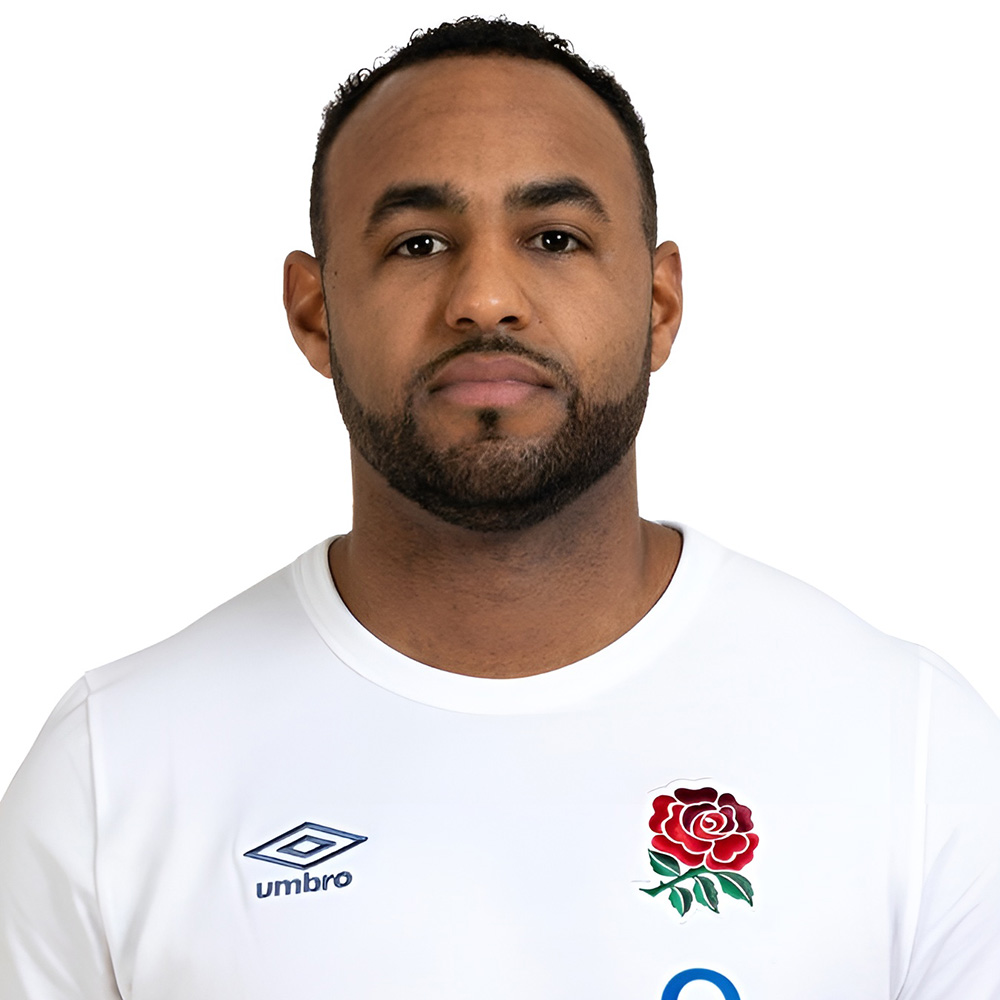
Dr Omar Heyward is a research fellow who works as part of the Carnegie Applied Rugby Research (CARR) centre at Leeds Beckett University.
 0000-0002-7390-6511
 Scopus ID: 57197782078
About
Dr Omar Heyward is a research fellow who works as part of the Carnegie Applied Rugby Research (CARR) centre at Leeds Beckett University.
Dr Omar Heyward is a research fellow who works as part of the Carnegie Applied Rugby Research (CARR) centre at Leeds Beckett University.
Omar's PhD investigated the applied sport science of women's rugby. He is currently involved in injury and performance research in men's and women's rugby and works alongside governing bodies and universities both in the UK and abroad.
Additionally, Omar is a qualified strength and conditioning coach with the Australian Strength and Conditioning Association.
Related links
Ask Me About
Publications (27)
Sort By:
Featured First:
Search:
The effect of load on Achilles tendon structure in novice runners
 July 2018
Journal of Science and Medicine in Sport21(7):661-665 Elsevier BV
July 2018
Journal of Science and Medicine in Sport21(7):661-665 Elsevier BV
 Heyward OW, Rabello LM, van der Woude L, van den Akker-Scheek I, Gokeler A, van der Worp H, Zwerver J
Objectives: To observe the changes in Achilles tendon structure in novice runners, with loading prescriptions of 100% body weight compared to 20% body weight. Design: Randomised crossover. Methods: Twenty novice runners participated in two separate running bouts spaced 14 days apart, one of high load at 100% body weight, and one of low load at 20% body weight. Tendon structure was measured by ultrasonographic tissue characterisation on 6 occasions; immediately prior to each run, 2 and 7 days after each run. Results: The interaction effect of time and condition was not found to be significant for echotypes I–IV [Wald chi-square = 2.8, d.f. = 2, P = 0.247; Wald chi-square = 2.888, d.f. = 2, P = 0.236; Wald chi-square = 1.385, d.f. = 2, P = 0.5; Wald chi-square = 4.19, d.f. = 2, P = 0.123], respectively. A significant effect of time was found for echotypes III [Wald chi-square = 6.785, d.f. = 2, P = 0.0.034] and IV [Wald chi-square = 7.491, d.f. = 2, P = 0.0.024]. Conclusions: The decrease in echotypes III and IV suggest that moderate loads can be applied to the Achilles tendon without compromising tendon structure. Low to moderate loads may be beneficial in the management of Achilles tendinopathy. Further studies should focus on protocols with higher loading and/or repetitive loading in athletic populations with and without Achilles tendinopathy to assess any differences in tendon structure.
Shoulder complaints in wheelchair athletes: A systematic review
21 November 2017
PLoS One12(11):e0188410 Public Library of Science (PLoS)
Authors: Heyward OW, Vegter RJK, de Groot S, van der Woude LHV, Editors: Jan Y-KBackground In recent years the popularity of disabled sports and competition among disabled athletes has grown considerably. With this rise in exposure of, and participation in wheelchair sports comes an increase in related stressors, including musculoskeletal load. External mechanical loading may increase the risk of shoulder complaints. The objective of this literature review was to 1) identify and describe the prevalence and/or incidence of shoulder complaints in wheelchair athletes in the literature, to 2) examine the factors and underlying mechanisms that could be potentially involved, and 3) provide some insights into the development of preventative measures. Methods A literature search was conducted using PubMed, Scopus and Embase databases, to identify relevant published articles. All articles in the English language that contained any type of shoulder complaint in relation with a wheelchair sports player, at any level of status (recreational to elite), of any sport, were included. Articles were excluded if they did not include any statistical analysis. Articles that included studies with wheelchair athletes in combination with athletes of other disability sports were excluded in order to be able to differentiate between the two. Narrative, exploratory and case studies were also excluded. Two reviewers independently assessed articles for inclusion. Thirteen articles matched the selection criteria. These were judged on their quality by use of an adapted version of the Webster checklist. Results Of the included studies the overall quality was low. A relatively high prevalence of complaints was found, ranging from 16% to 76%. Pain was found to be a common complaint in wheelchair athletes. Based on the current literature the cause of shoulder problems is difficult to identify and is likely multifactorial, nevertheless characteristics of the user (i.e. increased years of disability, age and BMI) were shown to increase risk. Preventative measures were indistinct. There may be a role for balanced strength training regimens to decrease risk. Conclusion Shoulder complaints in wheelchair athletes are a common problem that must be addressed further. Future studies on shoulder overuse injuries of wheelchair athletes should be directed towards biomechanical modeling to develop knowledge of load and its effects.
 Featured
19 September 2025
British Journal of Sports Medicine59(22):1-18 BMJ
Shill IJ, Shepherd HA, Eliason PH, Kolstad AT, Heyward O, Martens G, Peek K, Soligon CA, King MG, West SW, Ahmed OH, Blauwet CA, Broglio S, Chintoh A, Galarneau J-M, Hayden KA, Hendricks S, Makdissi M, Palmer D, Sick S, Whittaker JL, Crossley KM, Schneider KJ, Emery CA
Featured
19 September 2025
British Journal of Sports Medicine59(22):1-18 BMJ
Shill IJ, Shepherd HA, Eliason PH, Kolstad AT, Heyward O, Martens G, Peek K, Soligon CA, King MG, West SW, Ahmed OH, Blauwet CA, Broglio S, Chintoh A, Galarneau J-M, Hayden KA, Hendricks S, Makdissi M, Palmer D, Sick S, Whittaker JL, Crossley KM, Schneider KJ, Emery CAObjective To examine prevention strategies and potential modifiable risk factors (MRFs) for sport-related concussion (SRC) and head impact/head acceleration event (HAE) outcomes in female, woman and/or girl athletes. Design Systematic review with meta-analyses and Grading of Recommendations, Assessment, Development and Evaluation. Data sources Medline, CINAHL, PsycINfo, SportDiscus, ERIC, CENTRAL and CDSR. Eligibility Primary data studies with comparison group(s) assessing the association of prevention interventions and/or MRFs for SRC or HAE with ≥1 female/woman/girl in each study group. Results Of the 108 included studies, 67 evaluated a SRC prevention strategy (equipment n=25, policy/rule n=21, training n=10, management n=11) and 41 evaluated potential MRFs (34 distinct MRFs across nine categories). In total, 40/108 (37%) studies (prevention 19/67; MRF 21/41) included female/woman/girl-specific estimates. Three meta-analyses were conducted: two SRC prevention strategies (headgear, eyewear) and one MRF (artificial turf vs grass) based on availability of female/woman/girl-only estimates and similar outcomes and exposure. Headgear was associated with 30% lower SRC rates in adolescent female/girl lacrosse and soccer (IRR=0.70, 95% CI 0.50 to 0.99; very-low certainty). Eyewear use was not protective for SRC (IRR=1.08, 95% CI 0.69 to 1.68; very-low certainty). SRC rates did not differ by artificial turf versus grass (IRR=0.95, 95% CI 0.62 to 1.45; very-low certainty). Conclusion We found limited evidence for prevention strategies and MRFs in female/woman/girl athletes except for very-low certainty evidence supporting headgear use in adolescent lacrosse and soccer. Future studies should consider the design, implementation and evaluation of SRC prevention strategies that target MRFs to guide safe practice recommendations specifically for female/woman/girl athletes.
The Young Female Rugby Player
26 December 2022
The Young Rugby Player Routledge
The popularity of female rugby is increasing rapidly around the world. However, the underpinning female-specific sports science evidence base has not increased concurrently with the game’s growth. The need to increase scientific literature supporting female rugby is paramount due to the unique considerations for female rugby players (e.g., the menstrual cycle, concussion response, increased risk of anterior cruciate ligament injury). Injury, concussion occurrence, risk factors, mechanisms and management have emerged as primary research priorities for female rugby. This is supported by the limited research available in senior female rugby which has established concussion and lower extremity injury (e.g., anterior cruciate ligament injuries) to have the highest injury incidence with the tackle being the most prevalent injury mechanism. The burden associated with concussion and anterior cruciate ligament injuries highlights the importance of identifying injury risk factors specific to females who play rugby as well as strategies to mitigate them. Therefore, this chapter provides three constraint-driven solutions including (1) increasing player and coach education, (2) improving the physical development of youth female rugby players and (3) increasing the minimum standards of provision to reduce the barriers which restrict the management of injury risk factors specific to females who play rugby.
08 April 2024
Authors: Gallagher C, Editors: Scantlebury S, Heyward OWomen’s rugby union is growing in popularity and participation internationally. However, there are still large gaps in the female evidence base, which means training and development are informed by male research despite the distinct physical and physiological differences between sexes. Information on the physical qualities and match demands of women’s rugby union players is crucial for both researchers and practitioners to aid the development of women’s rugby union. The Celtic Challenge competition was created to help develop women’s rugby in Scotland, Ireland, and Wales, and to provide their international players with an alternative elite domestic league to England’s Premier 15s. This study aimed to profile the physical qualities, movement demands and match characteristics of elite women’s domestic rugby in the British Isles and to compare the profile of the Premier 15s and the inaugural Celtic Challenge. Secondary fitness testing, GPS and video match data was collected from three teams in the Celtic Challenge and three teams in the 2022/23 season of the Premier 15s. Premier 15s players were found to be significantly older, more experienced, and faster than Celtic Challenge players during fitness testing and match play. The match characteristics of the two competitions were similar, aside from the number of mauls, which there were significantly more of in the Premier 15s. Findings suggest that Premier 15s players are faster than their CC counterparts; however, despite tactical differences, match characteristics are similar between the two competitions.
12 December 2019
Sports Medicine - Open5(1):51 SpringerOpen
In recent years there has been an exponential rise in the professionalism and success of female sports. Practitioners (e.g., sport science professionals) aim to apply evidence-informed approaches to optimise athlete performance and well-being. Evidence-informed practices should be derived from research literature. Given the lack of research on elite female athletes, this is challenging at present. This limits the ability to adopt an evidence-informed approach when working in female sports, and as such, we are likely failing to maximize the performance potential of female athletes. This article discusses the challenges of applying an evidence base derived from male athletes to female athletes. A conceptual framework is presented, which depicts the need to question the current (male) evidence base due to the differences of the "female athlete" and the "female sporting environment," which pose a number of challenges for practitioners working in the field. Until a comparable applied sport science research evidence base is established in female athletes, evidence-informed approaches will remain a challenge for those working in female sport.
Featured
02 July 2025
European Journal of Sport Science25(7):1-9 Wiley
Jones B, Heyward O, Cross M, Stokes K, McCarthy N, Kemp S, Sheppy E, Greenlees L, Beggs M, Bryan R, Fulton J, Griffiths R, Harris J, Hughes R, Hendricks S, Lambert M, Jones K, Lancaster M, Lee M, Roberts A, Sandhu N, Sherriff T, Twiggs M, Roe GSports invest in research to optimise performance and enhance athlete wellbeing. Involving stakeholders allows research priorities to be determined, maximising the adoption and relevance of research findings. A three‐round modified Delphi process was used to establish wellbeing and performance research priorities for Premiership Rugby (Professional men's rugby union competition in England). Up to 10 research priorities were provided during Round 1 (grouped into higher‐order categories and themes via content analysis). In Rounds 2 and 3, participants ranked higher‐order categories on a one to five Likert scale. Consensus was defined as ≥ 70% agreement. Sixty‐five participants responded in Round 1 (41 and 32 in Rounds 2 and 3). Staff and player experience of working or playing in the Premiership was 11.0 (4.5–16.5) and 7.0 (6.0–8.5) years. Following Round 1, 393 research priorities were provided and 53 higher‐order research priorities and 26 categories were identified, within three themes: performance, wellbeing and injury. Following Round 3, 21 research priorities reached consensus within performance (n = 7), wellbeing (n = 6) and injury (n = 8). Research priorities for a professional sports league, were established by the application of a pragmatic research lens, to ensure priorities were practically minded and also developed with minimal resource requirements, minimal burden for participants and in a short amount of time, which can be applied in other leagues. Research priorities deemed feasible and lacking a relevant evidence base can be addressed in future studies to maximise impact and compliment the ongoing research programmes already established by the professional league and governing body.
Featured
17 September 2025
BMJ Open Sport & Exercise Medicine11(3):1-10 BMJ
Background and aims Within adolescent female rugby union, various effective injury prevention strategies are available to players to mitigate injury. However, little is known regarding the players’ attitudes, beliefs and behaviours towards those strategies, as well as injuries. The primary aim of the study was to investigate the attitudes, beliefs, behaviours and injury-reporting behaviours of adolescent female rugby players regarding injury and injury prevention strategies. The secondary aim was to examine associations between individual factors (eg, player demographics) and injury-reporting behaviours. Methods Participants completed an online cross-sectional survey and were recruited from under-16 and under-18 rugby teams in schools/colleges, clubs and developing player pathway programmes in England. Results 1062 players were contacted to participate, 424 responded and 422 met the eligibility criteria; 79 participants had incomplete responses. 14% of players had not previously reported a suspected concussion to a coach/medical staff member, and 37% of players had previously not reported sustaining one or more musculoskeletal (MSK) injuries to a coach/medical staff member. Factors cited for non-disclosure of concussion and MSK injuries included not wanting to miss rugby sessions (43% and 39%) and not knowing that symptom(s) were related to an injury (11% and 17%). Players held positive attitudes, beliefs and behaviours towards injury and injury prevention, but their understanding of the effectiveness of protective equipment varied. Conclusion This study provides a greater understanding of adolescent female rugby players’ attitudes, beliefs and behaviours towards injury and injury prevention and aids in the development of effective injury prevention initiatives.
Featured
23 December 2025
European Journal of Sport Science26(1):1-8 Wiley
Heyward O, Whitehead S, Roe G, Peace H, Walmsley A, Kemp S, Jones B, Cross M, Denham T, Goonetilleke C, Halloran G, Harris G, Holmes D, Kabongo K, McNally S, McStay L, MacGregor S, Oglethorpe T, Stokes KWomen's sport has seen substantial growth in recent years, with increased attention to athlete performance and welfare. To support the ongoing professionalisation of women's rugby, performance and wellbeing must be prioritised. This study used a three‐round Delphi‐process to establish performance and wellbeing research priorities for Premiership Women's Rugby (PWR) in England. In Round 1, players and staff provided research priorities, which were grouped into higher‐order categories and themes via content analysis. In Rounds 2 and 3, participants ranked higher‐order categories on a 1–5 Likert scale. Consensus was defined as ≥ 70% agreement. Seventy‐seven participants responded in Round 1 (47 and 43 in Rounds 2 and 3). Player and staff experience of playing or working in PWR was 5.0 (2.0–7.0) and 2.5 (2.0–4.0) years. Following Round 1321 research priorities were provided, 32 higher‐order research priorities and 14 categories were identified, within three themes: performance, wellbeing and injury. Following Round 3, nine research priorities reached consensus within performance ( n = 1), wellbeing ( n = 4) and injury ( n = 4). The highest rated priority was ‘ Investigate the impact of being a dual‐career athlete on wellbeing, and any support mechanisms required ’ (79%). Future research should prioritise studies which are feasible and currently lack a comprehensive evidence‐base. This will enable researchers and governing bodies to address relevant knowledge gaps and inform ongoing performance and player safety initiatives. The research priorities identified in this study, by PWR players and staff, could be investigated to support the development of women's rugby domestically. These findings may also be applicable to other women's sports and leagues globally.
01 February 2025
PLOS ONE20(2):1-28 Public Library of Science (PLoS)
Authors: Clark A, Heyward O, Paul L, Jones B, Whitehead S, Editors: Peña JFatigue in team sports has been widely researched, with a number of systematic reviews summarising the acute (i.e., within 48-hours) response in outdoor sports. However, the fatigue response to indoor court-based sports is likely to differ to outdoor sports due to smaller playing fields, harder surfaces, and greater match frequencies, thus should be considered separately to outdoor sports. Therefore, this study aimed to conduct a systematic review on acute fatigue in indoor court-based team-sport, identify methods and markers used to measure acute fatigue, and describe acute fatigue responses. A systematic search of the electronic databases (PubMed, SPORTDiscus, MEDLINE and CINHAL) was conducted from earliest record to June 2023. Included studies investigated either a physical, technical, perceptual, or physiological response taken before and after training, match, or tournament play. One-hundred and eight studies were included, measuring 142 markers of fatigue. Large variability in methods, fatigue markers and timeline of measurements were present. Cortisol (n = 43), creatine kinase (n = 28), countermovement jump (n = 26) and testosterone (n = 23) were the most frequently examined fatigue markers. Creatine kinase displayed the most consistent trend, increasing 10–204% at 24-hours across sports. There is large variability across studies in the methods and markers used to determine acute fatigue responses in indoor court-based team sports. Future researchers should focus on markers that display high reliability and transfer to practice. The robustness of studies may be increased by ensuring appropriate methods and timescale of fatigue marker measurement are used. Further research is required to determine which combination of markers best describes a fatigue response.
Oral contraceptive use in Premiership and Championship women’s rugby union: Perceived symptomology, management strategies and performance and wellness effects
18 August 2022
Women in Sport Congress Science and Medicine in Football Melbourne Taylor & Francis
The aim of this study was to investigate the prevalence of oral contraceptive use in domestic rugby union, to compare symptomology by contraceptive use, and to determine symptom management strategies. Additionally, to characterise the perceived influence of oral contraceptive use and non-use on wellness and performance. A total of 238 Premiership and Championship women’s rugby union players completed an online questionnaire. The survey was comprised of questions relating to player characteristics, hormonal or non-hormonal contraceptive characteristics, perceived symptomology, symptom management strategies, and performance and wellness characteristics. The prevalence of oral contraceptive users was 26%. Non-hormonal contraceptive users reported greater perceived negative symptomology (i.e., back pain, nausea, sore breasts) and performance and wellness effects (i.e., fatigue, stress, mood, concentration, power, match-play) than oral contraceptive users. The most common symptom management strategies were medication (33%), nutritional interventions (20%), and training modulation (20%). Twelve percent of players had previously spoken to staff about their menstrual cycle (i.e., regular and irregular) or contraceptive use. The most common barriers to speaking to staff were ‘male staff’ (29%) and ‘club culture’ (24%). The importance of assisting non-hormonal contraceptive users in managing symptoms is evident. Emphasis on overcoming barriers to staff-player dialogue regarding menstrual/contraceptive cycle is required.
22 December 2022
Science and Medicine in Football8(2):1-8 Informa UK Limited
The aim of this study was to investigate the prevalence of oral contraceptive use in domestic rugby union, to compare symptomology by contraceptive use, and to determine symptom management strategies. Additionally, to characterise the perceived influence of oral contraceptive use and non-use on wellness and performance. A total of 238 Premiership and Championship women’s rugby union players completed an online questionnaire. The survey was comprised of questions relating to player characteristics, hormonal or non-hormonal contraceptive characteristics, perceived symptomology, symptom management strategies, and performance and wellness characteristics. The prevalence of oral contraceptive users was 26%. Non-hormonal contraceptive users reported greater perceived negative symptomology (i.e., back pain, nausea, sore breasts) and performance and wellness effects (i.e., fatigue, stress, mood, concentration, power, match-play) than oral contraceptive users. The most common symptom management strategies were medication (33%), nutritional interventions (20%), and training modulation (20%). Twelve percent of players had previously spoken to staff about their menstrual cycle (i.e., regular and irregular) or contraceptive use. The most common barriers to speaking to staff were ‘male staff’ (29%) and ‘club culture’ (24%). The importance of assisting non-hormonal contraceptive users in managing symptoms is evident. Emphasis on overcoming barriers to staff-player dialogue regarding menstrual/contraceptive cycle is required.
275: INJURY RISK FACTORS AND THEIR PRIORITY FOR MITIGATION IN WOMEN’S NETBALL: A SYSTEMATIC REVIEW AND DELPHI STUDY
17 October 2024
20th SASMA Congress 2024 South African Journal of Sport Medicine Stellenbosch South African Sports Medicine Association
Chesson L, Whitehead S, Mackay L, Jones B, Heyward O, Fox A, Scantlebury S, Van Rensburg DCJBackground: Given the high injury rate of netball, injury prevention is a focus within the sport and for governing bodies. To support the development of appropriate injury mitigation strategies further consideration of the risk factors for injury is needed. Therefore, this study aimed to establish consensus on injury risk factors (RFs) in women’s netball via a combined systematic review and Delphi method approach. 6 Methodology: A systematic search of databases (PubMed, Scopus, MEDLINE, SPORTDiscus, CINAHL) was conducted from inception until June 2023. Twenty-four risk factors (RFs) were extracted from 17 studies and combined with a three-round Delphi approach to achieve consensus. In round-one, experts listed perceived RFs for injury in netball which were combined with the RFs identified via the systematic review. In rounds-two and round-three, experts rated their level of agreement with each risk factor on a 5-point Likert scale (1-strongly disagree to 5-strongly agree). Consensus was defined as >80% agreement (with <10% in disagreement). In round-three, experts also rated the priority for mitigating the risk factor (1- very low to 5-very high). Results: Nineteen experts participated in round-one and round-two, and sixteen participated in round- three (response rate 84%). One-hundred and nine RFs for injury were identified by the systematic review and experts combined. Sixty-one RFs reached consensus, categorised into five groups: ‘individual characteristics’ (n = 22), ‘lifestyle’ (n = 11), ‘training and competition’ (n = 14), ‘sport science and medical provision’ (n = 6) and ‘facilities and equipment’ (n = 8). ‘Poor landing technique/ mechanics’ had a median (interquartile range) mitigation priority rating of 5(1), while all others had median ratings of 3-4.5. Conclusion: This study identifies a range of RFs for injury, provides focus areas for injury prevention and highlights the importance of a multi-disciplinary approach to injury mitigation in netball. Future research is needed to investigate the priority and feasibility of the mitigation of the risk factors in specific environments to support tailored injury prevention strategies.
31 March 2023
Journal of Science and Medicine in Sport26(3):195-201 Elsevier BV
Spiegelhalter M, Scantlebury S, Heyward O, Hendricks S, Cummins C, Gardner AJ, Halkier M, McLeod S, Phillips G, Owen C, Jones BObjectives Identify the frequency, propensity, and factors related to tackle events which result in contact with the head in elite-level women's rugby league. Design Prospective video analysis study. Methods Video footage from 59 Women's Super League matches were analysed (n = 14,378 tackle events). All tackle events were coded as no head contact or head contact. Other independent variables included: area contacting head, impacted player, concussion outcome, penalty outcome, round of competition, time in match and team standard. Results There were 83.0 ± 20.0 (propensity 304.0/1000 tackle events) head contacts per match. The propensity of head contact was significantly greater for the tackler than ball-carrier (178.5 vs. 125.7/1000 tackle events; incident rate ratio 1.42, 95 % confidence interval 1.34 to 1.50). Head contacts occurring from an arm, shoulder, and head occurred significantly more than any other contact type. The propensity of concussions was 2.7/1000 head contacts. There was no significant influence of team standard or time in match on the propensity of head contacts. Conclusions The observed head contacts can inform interventions, primarily focusing on the tackler not contacting the ball-carrier's head. The tackler's head should also be appropriately positioned to avoid contact with the ball-carrier's knee (highest propensity for concussion). The findings are consistent with other research in men's rugby. Law modifications and/or enforcement (reducing the number of un-penalised head contacts), concurrent with coaching interventions (optimising head placement or reducing the head being contacted) may help minimise head contact risk factors for women's rugby league.
26 June 2024
PLOS ONE19(6):1-11 Public Library of Science (PLoS)
Authors: Briscoe T, Darrall-Jones J, Heyward O, Jones B, Allen H, Ramirez-Lopez C, Scantlebury S, Editors: Cè EThis study aims to establish the validity and reliability of the prone Yo-YoIRL1 in elite female rugby league players (part one) and determine the anthropometric and physical characteristics contributing to 15m prone Yo-YoIRL1 performance (part two). Part one, 21 subjects completed one Yo-YoIRL1, one 20m and two 15m prone Yo-YoIRL1 tests over four sessions, with 7–14 days in-between. Part two, ten subjects completed a testing battery, including body mass, height, dual-energy x-ray absorptiometry, isometric mid-thigh pull, isometric bench-press, 10m and 20m sprints and an incremental treadmill test (). The 15m prone YoYoIRL1 demonstrated poor reliability with a typical error of 68m (21%) and a smallest worthwhile change of 54m (9%). Validity analysis found the prone versions of the YoYoIRL1 were not sensitive measures of intermittent running performance. Both prone YoYoIRL1 test distances demonstrated large mean bias (76% and -37% respectively) and typical error of the estimate (19% and 21%, respectively) in comparison to the YoYoIRL1. Body mass (r = -0.89), lean mass (r = -0.64), body fat % (r = -0.68), (l∙min-1) (r = -0.64), IMTP (r = -0.69), IBP (r = -0.15), 10m (r = -0.77) and 20m (r = -0.72) momentum displayed large negative relationships with 15m prone Yo-YoIRL1 performance. Due to the poor validity of the 20m prone YoYoIRL1, the poor validity and reliability of the 15m prone YoYoIRL1, and the anthropometric and physical characteristics which negatively impact performance, practitioners should reconsider the use of the prone YoYoIRL1 test to monitor high intensity intermittent running performance.
Featured
21 July 2022
BMJ Open Sport & Exercise Medicine8(3):e001287 BMJ
Heyward O, Emmonds S, Roe G, Scantlebury S, Stokes K, Jones BObjectives: In part 1, the objective was to undertake a systematic scoping review of applied sports science and sports medicine in women’s rugby, and in part 2 to develop a consensus statement on future research priorities. Design: In part 1, a systematic search of PubMed (MEDLINE), Scopus and SPORTDiscus (EBSCOhost) was undertaken from the earliest records to January 2021. The Preferred Reporting Items for Systematic Reviews and Meta-Analyses (PRISMA) 2020, the PRISMA extension for Scoping Reviews, and the PRISMA extension protocols were followed. In part 2, 31 international experts in women’s rugby (ie, elite players, sports scientists, medical clinicians, sports administrators) participated in a three-round Delphi consensus method. These experts reviewed the findings from part 1 and subsequently provided a list of priority research topics in women’s rugby. Research topics were grouped into expert-based themes and expert-based subthemes via content analysis. Expert-based themes and expert-based subthemes were ranked from very low to very high research priority on a 1–5 Likert scale. Consensus was defined by ≥70% agreement. The median research priority agreement and IQR were calculated for each expert-based theme and subtheme. Data sources: PubMed (MEDLINE), Scopus and SPORTDiscus (EBSCOhost). Eligibility criteria for selecting studies: Studies were eligible for inclusion if they investigated applied sports science or sports medicine in women’s rugby. Results: In part 1, the systematic scoping review identified 123 studies, which were categorised into six sports science and sports medicine evidence-based themes: injury (n=48), physical performance (n=32), match characteristics (n=26), fatigue and recovery (n=6), nutrition (n=6), and psychology (n=5). In part 2, the Delphi method resulted in three expert-based themes achieving consensus on future research priority in women’s rugby: injury (5.0 (1.0)), female health (4.0 (1.0)) and physical performance (4.0 (1.0)). Summary/Conclusion: This two-part systematic scoping review and Delphi consensus is the first study to summarise the applied sports science and sports medicine evidence base in women’s rugby and establish future research priorities. The summary tables from part 1 provide valuable reference information for researchers and practitioners. The three expert-based themes that achieved consensus in part 2 (injury, female health and physical performance) provide clear direction and guidance on future research priorities in women’s rugby. The findings of this two-part study facilitate efficient and coordinated use of scientific resources towards high-priority research themes relevant to a wide range of stakeholders in women’s rugby.
27 July 2021
BMJ Open Sport & Exercise Medicine7(3):e001108 BMJ
Heyward O, Emmonds S, Roe G, Scantlebury S, Stokes K, Jones BWomen’s rugby (rugby league, rugby union and rugby sevens) has recently grown in participation and professionalisation. There is under-representation of women-only cohorts within applied sport science and medicine research and within the women’s rugby evidence base. The aims of this article are: Part 1: to undertake a systematic-scoping review of the applied sport science and medicine of women’s rugby, and Part 2: to develop a consensus statement on future research priorities. This article will be designed in two parts: Part 1: a systematic-scoping review, and Part 2: a three-round Delphi consensus method. For Part 1, systematic searches of three electronic databases (PubMed (MEDLINE), Scopus, SPORTDiscus (EBSCOhost)) will be performed from the earliest record. These databases will be searched to identify any sport science and medicine themed studies within women’s rugby. The Preferred Reporting Items for Systematic Reviews and Meta-analyses extension for Scoping Reviews will be adhered to. Part 2 involves a three-round Delphi consensus method to identify future research priorities. Identified experts in women’s rugby will be provided with overall findings from Part 1 to inform decision-making. Participants will then be asked to provide a list of research priority areas. Over the three rounds, priority areas achieving consensus (≥70% agreement) will be identified. This study has received institutional ethical approval. When complete, the manuscript will be submitted for publication in a peer-reviewed journal. The findings of this article will have relevance for a wide range of stakeholders in women’s rugby, including policymakers and governing bodies.
26 November 2020
Frontiers in Sports and Active Living2:584194 Frontiers Media SA
Female sports have recently seen a dramatic rise in participation and professionalism world-wide. Despite progress, the infrastructure and general sport science provisions in many female sports are behind their male counterparts. From a performance perspective, marked differences in physical and physiological characteristics can be seen between the sexes. Although physical preparation practices for male athletes are known, there are currently no published literature pertaining exclusively to female athletes. This information would provide invaluable data for both the researcher and practitioner alike. This survey therefore aimed to examine current practices utilized in female rugby codes (union, league, and sevens). A questionnaire assessing seasonal physical preparation practices, recovery, monitoring and sport science technology, and unique aspects in female rugby was developed. Thirty-seven physical preparation practitioners (32 males, 5 females) responded to the questionnaire. Most participants (78%) worked with national or regional/state level female athletes. Performance testing was more frequently assessed in the pre- (97%) and in-season (86%), than off-season (23%). Resistance, cardiovascular, sprint and plyometric training, and recovery sessions were all believed to be important to enhancing performance and implemented by most participants (≥ 89%). Sport science technologies were commonly (54%) utilized to inform current practice. Menstrual cycle phase was monitored by 22% of practitioners. The most frequently reported unique considerations in female rugby codes included psycho-social aspects (41%), the menstrual cycle (22%), and physical differences (22%). Practitioners working with female rugby can use the presented data to inform and develop current practices.
Applied sport science and medicine of women’s rugby
15 November 2021
Rugby Science Network, World Rugby London
Heyward O, Emmonds S, Roe G, Scantlebury S, Stokes K, Jones B February 2022
International Journal of Sports Science and Coaching17(1):95-113 SAGE Publications
Despite the importance and complexity of developing sprint performance in football code athletes, there are limited studies exploring practitioners’ practices to improve sprinting. Therefore, this study aimed to describe and evaluate the practices used with elite football code athletes to develop sprint performance. Ninety subjects completed a survey comprised of four sections (coaching demographic, evaluation of training, organisation of training, and training protocols). Survey responses showed that 98% of practitioners monitor sprint performance, and 92% integrated monitoring strategies into sprint development programmes to inform training. All practitioners used combined training methods including specific (e.g., sprints with or without overload) and non-specific (e.g., strength training or plyometrics) methods targeting the underpinning determinants of sprint performance. Most practitioners reported prescribing 1-3 or 2-4 days·wk-1 for sprint development, both in-season and pre-season. Sprint development programmes were uncommon in the off-season. Most specific sprint training sessions were reportedly shorter in duration (5-15 and 15-30 min) than non-specific sprint training methods (30-45 and >45 min) irrespective of the season phases. Sprint development was integrated before and after sport-specific training, regularly using warm-ups and gym sessions. Specific training methods were also implemented in separate sessions. The specific content (e.g., exercise selection, training load prescription) was highly variable between practitioners. This study represents the first detailed survey (practices and justification) of sprint development practices (evaluation and organisation of training protocols) in football code cohorts. These findings present multiple methods of structuring, integrating and manipulating sprint training based on the training aims and the individual context.
Featured
03 January 2025
British Journal of Sports Medicine59(5):1-12 BMJ Publishing Group
Whitehead S, Jones B, Mackay L, Chesson L, Scantlebury S, Heyward O, Fox A, Janse van Rensburg CThis study aimed to establish consensus on injury risk factors in netball via a combined systematic review and Delphi method approach. A systematic search of databases (PubMed, Scopus, MEDLINE, SPORTDiscus, CINAHL) was conducted from inception until June 2023. Twenty-four risk factors were extracted from 17 studies and combined with a three-round Delphi approach to achieve consensus. In round-one, experts listed perceived risk factors for injury in netball which were combined with the risk factors identified via the systematic review. In round-two and round-three, experts rated their level of agreement with each risk factor on a 5-point Likert scale (1-strongly disagree to 5-strongly agree). Consensus was defined as 80% agreement (with <10% in disagreement). In round-three, experts also rated the priority for mitigating the risk factor (1-very low to 5-very high). Nineteen experts participated in round-one and round-two, and sixteen participated in round-three (response rate 84%). One-hundred and nine risk factors for injury were identified by the systematic review and experts combined. Sixty-one risk factors reached consensus, categorised into five groups: ‘individual characteristics’ (n=22), ‘lifestyle’ (n=11), ‘training and competition’ (n=14), ‘sport science and medical provision’ (n=6) and ‘facilities and equipment’ (n=8). ‘Poor landing technique/mechanics’ had a median (interquartile range) mitigation priority rating of 5(1), while all others had median ratings of 3-4.5. This study identifies a range of risk factors for injury, provides focus areas for injury prevention, and highlights the importance of a multi-disciplinary approach to injury mitigation in netball.
Featured
08 May 2025
British Journal of Sports Medicine59(15):1-16 BMJ
Fownes-Walpole M, Heyward O, Till K, Mackay L, Stodter A, Al-Dawoud M, Bussey MD, Gordon L, Hairsine J, Kirk C, Madden R, McBride L, McDaniel A, McKnight P, Mill N, Peek K, Pratt G, Ryan D, Salmon D, Schroeder L, Twentyman C, Versteegh T, Williams E, Jones BHead acceleration events (HAEs) can potentially have adverse consequences for athlete brain health. In sports, in which head injuries have the highest incidence, identifying strategies to reduce HAE frequency and magnitude is a priority. Neck training is a potential strategy to mitigate against the magnitude of HAEs. This two-part study aimed to (1) systematically review the literature of neck training interventions in sport and (2) undertake an expert Delphi consensus on the best practices for neck training implementation to reduce HAEs in sport. Part I: a systematic search of four databases was undertaken from the earliest records to September 2024. The PRISMA (Preferred Reporting Items for Systematic Review and Meta-Analysis) guidelines were followed, and a quality assessment was completed using a modified Downs and Black assessment tool and the GRADE (Grading of Recommendations Assessment, Development and Evaluation). Papers were eligible if they both (1) implemented a reproducible exercise intervention targeting the neck within collision, combat or motor sport, and (2) assessed outcomes relating to either: the physical profile of the neck; head/neck injury incidence; and/or HAEs. Part II: 18 international experts, with experience in research and/or applied practice of neck exercise training, concussion and/or HAEs, reviewed the part I findings before completing a three-round Delphi consensus process. Part I included 21 papers, highlighting the heterogeneity of existing interventions. Part II resulted in 57 statements coded into five categories: contextual factors (n=17), neck training periodisation (n=12), training adaptations (n=10), neck training content (n=15) and athlete adherence (n=3). This study presents recommendations for neck exercise training aiming to reduce HAEs in sport, supporting both practice and future research.
20 August 2025
PLoS ONE20(8):1-43 Public Library of Science (PLoS)
Authors: Wild S, Owen C, Jones B, McCormack S, Heyward O, Scantlebury S, Rotheram D, McCarthy N, Till K, Editors: Fransen JPlayer profiling can aid talent identification and development by highlighting strengths and weaknesses, and evaluation training interventions. However, there is currently no consensus in rugby league on the qualities, skills, and characteristics (i.e., factors) which should be profiled, or the methods to use to assess these factors. Consequently, the aims of this two-part study were to 1) establish the most common factors and methods for profiling rugby league players, through a systematic scoping review, and 2) develop consensus on the factors and methods experts believe should be used when profiling rugby league players. In Part 1, a systematic scoping review of studies profiling rugby league players was conducted according to the PRISMA guideline for Scoping Reviews. In Part 2, a panel of 32 experts were invited to participate in a sequential three-round Delphi consensus, used to identify the factors that they believed should be profiled in rugby league players and associated methods of assessment. Part 1 identified 370 studies, which assessed varying numbers of factors from five higher order themes; physical (n=247, 67%), health-related (n=129, 35%), other (n=60, 16%; e.g., playing experience, level of education), technical-tactical (n=58, 16%), and psychological (n=25, 7%). Only 3% of these studies featured female participants (n=11). In Part 2, 120 factors were initially identified, of which 85 reached consensus (≥70% agreement). This included 22 physical, 22 psychological, 20 technical-tactical, 15 health-related, and six player information factors. Collectively, these findings evidence the multidimensional nature of talent in rugby league, highlighting a range of factors across several domains that should be considered when identifying and monitoring talent in the sport. Furthermore, technical-tactical and psychological factors were identified as areas for future research, due to the large number of factors which reached consensus in these areas and the comparatively low amount of research conducted in them.
846 FO55 – Does a stakeholder informed coaching intervention reduce head-to-head contacts in women’s rugby league?
March 2024
7th IOC World Conference on Prevention of Injury and Illness in Sport, Monaco, 29 February–2 March 2024 Full Oral Abstracts BMJ Publishing Group Ltd and British Association of Sport and Exercise Medicine
Jones B, Owen C, Spiegelhalter M, Scantlebury S, Heyward O, Brown J, Backhouse S, Barrow S, Chesson L, Fairbank L, Gardner A, Hendricks S, Hicks R, Johnston R, Mackreth P, Phillips G, Rotheram D, Stodter A, Stokes K, Till K 04 December 2025
South African Journal of Sports Medicine37(1):1-9 Academy of Science of South Africa
Whitehead S, Chantler S, Mackay L, Jones B, Heyward O, Costello N, Janse Van Rensburg DC, Alexander M, Parmley J, Barlow MBackground: Body composition and bone health are important for netball from a performance and health perspective (e.g., bone stress injury), given the typical characteristics of players and demands of the game. Objectives: The objectives of this study are to quantify and compare the positional group-specific body composition and site-specific bone health outcomes of netball players and to establish within-season changes in these variables. Methods: Forty-seven female netball players (senior: n=23, under-21: n=24) from one Netball Super League (NSL) franchise participated across three seasons (2021-2023). Dual-energy X-ray absorptiometry (DEXA) scans were conducted four times per season. Total body, anteroposterior lumbar spine and total hip scans were performed. General and generalised linear mixed models were used to compare positional groups and age groups, and to investigate within-season changes. Results: Goal circle netball players had greater total mass and bone mass than midcourt netball players at both levels (p<0.05, effect size: moderate to very large), but not when scaled for height. Senior players had greater lean mass, bone mass, total bone mineral density and bone mineral content than under-21 players (p<0.05, effect size: moderate to very large). No group-level significant changes were observed across a playing season, but individual trends varied. Conclusion: These findings highlight the importance of continued physical development in the under-21 squad before progressing to a senior squad, as well as the need for individualised approaches to nutritional and training interventions that support physical development, addressing positional requirements and developmental stages. Future research should explore longitudinal body composition trajectories across career phases and multiple teams to refine normative benchmarks.
October 2025
British Journal of Sports Medicine59(19):1367-1376 BMJ
Spiegelhalter M, Scantlebury S, Heyward O, Owen C, Brown J, Hendricks S, Backhouse SH, Badenhorst M, Barrow S, Chesson LJ, Fairbank L, Gardner AJ, Hicks R, Johnston R, Mackreth P, Phillips G, Rotheram D, Stodter A, Stokes KA, Till K, Vishnubala D, Jones BObjective Within women’s rugby league (n=12 teams), we (1) identified modifiers for head-to-head contacts informed by sport partners (eg, players, coaches, match officials); (2) compared head-to-head contact and concussion rates to the previous two seasons following a one-season tackle technique coaching intervention and (3) explored barriers and enablers of the intervention. Methods A multi-method design was used. Part 1: Mitigation strategies were identified by sport partners reviewing footage of head-to-head contacts, informing the development of a coach-targeted tackle technique intervention. Part 2 evaluated the intervention, comparing head-to-head contact and concussion incidence rates (IRs). Interviews with coaches and players (n=6) explored barriers and enablers to effective implementation and compliance with the intervention. Results Sport partners reported tacklers were more responsible for head-to-head contacts and lowering the tackle height was the most frequently suggested mitigation strategy preintervention and postintervention. Head-to-head contact rates were significantly lower during the intervention than preintervention (IR 59; 95% CI 56 to 62 vs IR 28; 95% CI 25 to 30/1000 tackle events); however, concussion rates showed no difference. Perceived barriers to the intervention included underdeveloped physical and technical foundations of players, lack of knowledge and understanding of the intervention and its purpose, and the environmental context and lack of resources in women’s rugby league. Beliefs about the consequences of the tackle and concussion were perceived as barriers and enablers. Conclusions Head-to-head contact rates were significantly lower; however, concussion rates did not decrease following a tackle technique coaching intervention. Reduced head-to-head contacts are potentially due to an increased focus on head injury reduction and increased player/coach awareness and support.
Teaching Activities (2)
Sort By:
Featured First:
Search:
The physical characteristics of junior and senior rugby league players
01 February 2021 - 31 January 2027
Lead supervisor
Concussion and tackle technique in women's rugby league
01 October 2021 - 31 March 2026
Joint supervisor





