

Leeds Beckett University - City Campus,
Woodhouse Lane,
LS1 3HE
Rachel C. Boyle
Dean of School
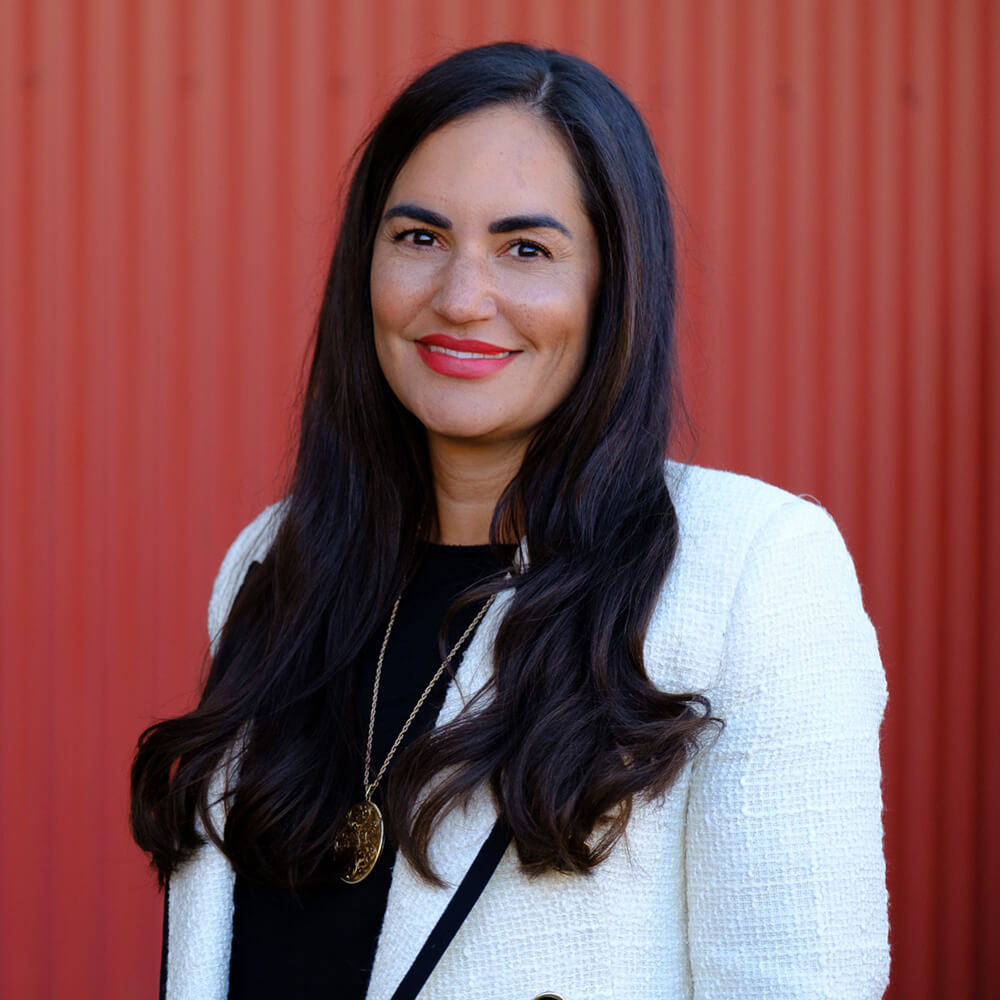
Rachel C. Boyle is the Dean of Education at the Carnegie School of Education, Leeds Beckett University. She is the first woman of colour to be appointed as a Dean in the university's history.
 0009-0006-4961-1832
About
Rachel C. Boyle is the Dean of Education at the Carnegie School of Education, Leeds Beckett University. She is the first woman of colour to be appointed as a Dean in the university's history.
Rachel C. Boyle is the Dean of Education at the Carnegie School of Education, Leeds Beckett University. She is the first woman of colour to be appointed as a Dean in the university's history.
Rachel is a former Primary School teacher who spent many happy years teaching the children of Liverpool before she made the move in higher education in 2010. After ten years working at Edge Hill in Lancashire, she was delighted to join the team at the Carnegie School of Education in 2020.
Rachel's passion and research focuses on race, racism ethnicity and education. She uses critical race theory as a theoretical framework to examine 'race' inequalities in society, specifically in education. The experiences she had growing up as a mixed race child in the 1980s have underpinned her passion for and commitment to addressing racial inequality in education. She has worked with trainee teachers to examine the impact of race, racism and ethnicity on the educational experiences of children and young people. She encourages her students to develop an understanding of the position of the 'other' and to use their voices to ensure that the teaching profession consistently evolves to meet the needs of the children it serves.
More recently, Rachel has worked across the media to provide commentary on societal issues of racism including the death of George Floyd, the Black Lives Matter movement and racism within the UK.
Research interests
Rachel's passion and research focuses on race, racism ethnicity and education. She uses critical race theory as a theoretical framework to examine 'race' inequalities in society, specifically in education. The experiences she had growing up as a mixed race child in the 1980s have underpinned Rachel's passion for and commitment to addressing racial inequality in education. She has worked with trainee teachers to examine the impact of race, racism and ethnicity on the educational experiences of children and young people. Rachel encourages her students to develop an understanding of the position of the 'other' and to use their voices to ensure that the teaching profession consistently evolves to meet the needs of the children it serves.
More recently Rachel has worked across the media to provide commentary on societal issues of racism including the death of George Floyd, the Black Lives Matter movement and racism within the UK.
Ask Me About
Publications (3)
Sort By:
Featured First:
Search:
 01 September 2021
The Psychology of Education Review45(2):17-22 (6 Pages) The British Psychological Society
01 September 2021
The Psychology of Education Review45(2):17-22 (6 Pages) The British Psychological Society

Given the focus of this research, my ontological positioning is central to my response as I am a researcher from a mixed race (Black Caribbean and White British) background. My view of racism has been shaped by personal, professional and academic experiences. Within this article the author, Bunce addresses the position of race in the university experiences of Black students undertaking studies in health and social care related subjects. She charts her brief and seemingly recent journey into developing her understanding of the concept of racism and the ‘unfairness’ of inequality. Through research with her students the author describes their experiences with racism as ‘shocking and deeply saddening’ and provides a narrative of her reflections and actions in response to her new found knowledge and understanding. This article seeks to ‘inform and inspire educational change that promotes racial equality of outcomes both within and beyond [our] classrooms.’
19 May 2022
Education 3-1350(4):471-482 Taylor & Francis
From the moment a child is born, they create a self that it is influenced by their external world, this includes social and political factors. As the sense of self develops one cannot ignore the importance of interpersonal relatedness and social interactions. School experiences are therefore key. This paper addresses the experiences of mixed ethnicity children in primary school in the UK. It presents an initial discussion of how children's agency is both impacted and enhanced by their racialised position. Categories of race/ethnicity may be broad and abstract, and this creates an opportunity for representations to be characterised by their physical appearance. This then has a direct impact on how children see themselves represented in primary school both through the curriculum and in their teachers themselves. The notion of belonging is central to the discussion of children's agency and mixed ethnicity children form their sense of self through interactions with both their peers and their teachers. For mixed ethnicity children to be given the best opportunity to develop agency, three elements are needed: culturally aware teachers; a curriculum in which children see themselves represented; and an ethnically diverse teaching body that truly represents British society.
‘I love a curry’: student-teacher discourse around ‘race’ and ethnicity at a UK university
10 January 2018
Journal of Education for Teaching44(2):162-174 Informa UK Limited
This paper presents aspects of a small-scale study that considered student teachers’ language and discourse around race and ethnicity at a university in the northwest of England. The first part of the paper critiques current education-related policy, context and practice to situate the research and then draws upon aspects of critical race theory and whiteness theory as frames of reference. In the research, 250 student-teachers completed questionnaires that invited responses to statements about race and ethnicity and this was followed by two semi-structured group interviews. A discourse analysis approach was taken to analyse the language used in the questionnaire responses and, in particular, the group interviews. Recurrent discursive configurations were characterised by language that signified othering, correct knowledge, personalisation and discomfort. Hesitations and silences during group discussions perhaps intimated thinking time and also maybe a reluctance to talk about aspects of race and ethnicity, and what was not said remains significant. It is suggested that a reconstruction of a teacher/educator subjectivity that fosters self-reflection on values and racial positioning, is needed in teacher education, alongside critical examination of the silences and discomfort surrounding race and ethnicity. © 2018, Informa UK Limited, trading as Taylor & Francis Group. The attached document (embargoed until 10/07/2019) is an author produced version of a paper published in JOURNAL OF EDUCATION FOR TEACHING uploaded in accordance with the publisher’s self- archiving policy. The final published version (version of record) is available online at the link below. Some minor differences between this version and the final published version may remain. We suggest you refer to the final published version should you wish to cite from it.
News & Blog Posts
Leeds Beckett partners with Calderstones School for World Book Day Event celebrating global storytelling

The new home for Carnegie School of Education

Leeds Beckett University’s Professor Vini Lander wins the BERA Equality in Education Award

Leeds Beckett partners with Liverpool City Council to expand anti-racist professional network





