

Leeds Beckett University - City Campus,
Woodhouse Lane,
LS1 3HE
 0000-0002-5683-363X
About
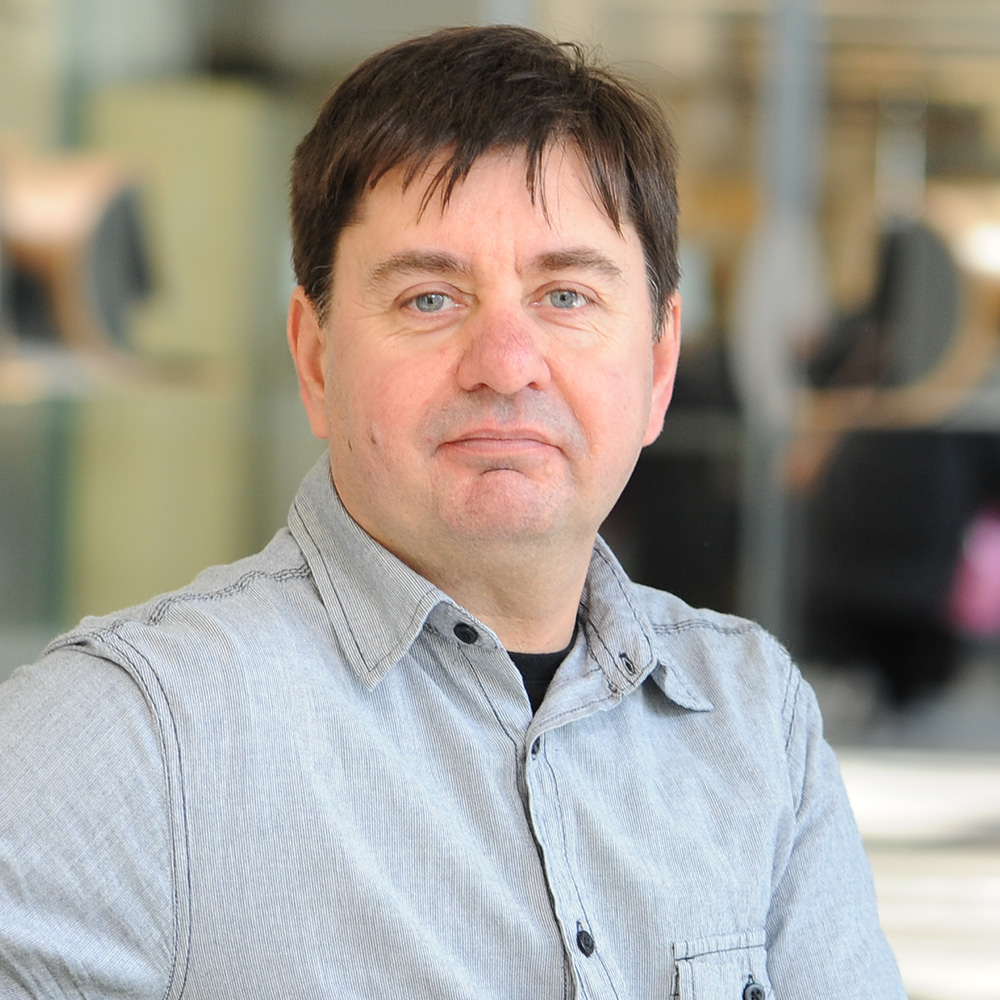
He has significant experience in evaluating mens health and other community based interventions, often using realistic evaluation approaches. He has expertise in a range of qualitative methods and a particular interest in abductive reasoning and critical realist inspired methodologies.
Steve has strong links with international colleagues and has worked and produced publications with fellow academics, policy makers and practitioners from Australia, the United States and Canada. He was a founding member of the European Mens Health Development Foundation, and he has also acted as a consultant on gender and mens health to the UK Department of Health and to WHO (Europe). He is Editor-in-Chief of the International Journal of Mens Health.
Publications (203)
Sort By:
Featured First:
Search:
Introduction
 2010
Men, masculinities and health: critical perspectives Routledge
2010
Men, masculinities and health: critical perspectives Routledge
 Authors: Robertson S, Gough B, Editors: Gough B, Robertson S 03 December 2015
American journal of men's health11(5):1536-1546 Sage
Roy P, Tremblay G, Robertson S, Houle J
Authors: Robertson S, Gough B, Editors: Gough B, Robertson S 03 December 2015
American journal of men's health11(5):1536-1546 Sage
Roy P, Tremblay G, Robertson S, Houle JFarming is often considered one of the most stressful occupations. At the same time, farming men symbolically represent a strong, traditional or hegemonic form of masculinity based on stoicism, resourcefulness and resilience to adversity. A contrast is observed between this social representation and their health status, marked by higher levels of stress, social isolation, psychological distress and suicide than many other subgroups of men. A salutogenic approach was taken in this study to enable the investigation of the social contexts in which farming men positively engage in health-promoting behaviors that may prevent or ameliorate mental health problems. A focus was placed on how farming men cope with stress on their own, and the relationship of this to their popular image of being resourceful and resilient. Thirty-two individual in-depth interviews with farming men and a focus group with five key informants working in rural areas within the Province of Quebec, Canada were carried out. Self-distraction and cognitive strategies emerged as the most relevant for participants. Notably, taking work breaks conflicted with the discourse of the ‘relentless worker’ that farmers are expected to be. Pathways to positive coping and recovery implied an ambivalence between contemplation of strategies aligned with negative aspects of traditional masculinity norms in North America and strategies aligned with more positive, progressive aspects of these norms based on the importance of family and work life balance. Health promotion and future research should investigate how various positive masculine practices can be aligned with farmers’ health and wellbeing and that of their family.
The impact of a gender-specific physical activity intervention on the fitness and fatness profile of men in Ireland
01 December 2019
European Journal of Public Health29(6):1154-1160 Oxford University Press (OUP)
Kelly L, Harrison M, Richardson N, Carroll P, Robertson S, Keohane A, Donohoe AAbstract
Background
Amid increasing concerns about rising obesity rates and unhealthy lifestyle behaviours, physical activity (PA) is seen as a prophylactic to many chronic conditions affecting men. Men respond best to community-based PA programmes, using gender-specific promotional and delivery strategies. ‘Men on the Move’ (MOM) was developed on this basis and targeted inactive adult men in Ireland.
Methods
Sedentary men (n = 927; age = 50.7 ± 10.9 years; weight = 92.7 ± 16.0 kg; METS = 6.06 ± 2.13) were recruited across eight counties: four ‘intervention group’ (IG; n = 501) and four ‘comparison-in-waiting group’ (CG; n = 426). The MOM programme involved structured group exercise twice weekly for 12 weeks (W), along with health-related workshops with the groups maintained up to 52 W. Primary outcome measures [aerobic fitness, bodyweight and waist circumference (WC)] together with self-administered questionnaires were used to gather participant data at baseline, 12, 26 and 52 W.
Results
Results show a net positive effect on aerobic fitness, bodyweight and WC, with significant (P < 0.05) net change scores observed in the IG compared to the CG (METS: 12 W = +2.20, 26 W = +1.89, 52 W = +0.92; weight: 12 W = −1.72 kg, 26 W = −1.95 kg, 52 W = −1.89 kg; WC: 12 W = −4.54 cm, 26 W = −2.69 cm, 52 W = −3.16 cm). The corresponding reduction in cardiovascular disease risk is particularly significant in the context of a previously inactive and overweight cohort. The high ‘dropout’ (42.7% presenting at 52 W), however, is of particular concern, with ‘dropouts’ having lower levels of aerobic fitness and higher bodyweight/WC at baseline.
Conclusions
Notwithstanding dropout issues, findings address an important gap in public health practice by informing the translational scale-up of a small controllable gender-specific PA intervention, MOM, to a national population-based PA intervention targeting inactive men.
09 January 2017
American Journal of Men's Health11(4):1224-1236 SAGE Publications
Mackenzie CS, Roger K, Robertson S, Oliffe J, Nurmi MA, Urquhart JMen’s Sheds is a growing international movement aimed at providing men with places and activities that facilitate social connectedness. Despite Men’s Sheds’ focus on males, little attention has been paid to masculinities within the specific context of these settings. The current study used a gender relations framework to explore the ways in which attendees discussed Men’s Sheds, with particular attention to discussions that were complicit and counter to traditional, hegemonic views of masculinity, and diverse positions in between these binaries. The data consisted of transcripts and field notes from four focus groups comprised of mostly older, White, retired male members of a Canadian shed (N = 22). The analysis revealed three overall themes: (1) focus on work, (2) independence, and (3) need for male-focused spaces. These themes and associated subthemes suggest that shed members ascribe to dominant masculine values and ideals, but also support more fluid and flexible views of masculinity. Implications are discussed for how working with an array of masculinities within the Men’s Sheds movement will be helpful with respect to their future growth in Canada and internationally.
Masculinities, men and public health policy
2007
Int. J. Interdiscip. Soc. Sci.2(2):361-368 Common Ground Research Networks
Robertson S, Williams RThis paper draws upon two critical qualitative empirical research studies (Williams, 2005; Robertson, 2003) which were undertaken with men of differing social class, ethnic, sexual orientation, able-bodied/disabled backgrounds, and men within differing stages during the lifecourse. Differing sample groups were chosen for these studies in order to enable exploration of the interactive affects of social structures and human agency, and to enable analysis of men's complex and diverse experiences of health. Using Connell's (2005) work on masculinities, which provides a framework for understanding relationships between masculinities within the context of unequal gender relations, it is argued that masculinities may enable and constrain men's health beliefs and practices regarding health, illness, social connectedness, and access to services. Findings have implications for research, policy and practice with men around their health. Specifically, it will be argued that health policy at the UK level is insufficiently grounded in a gender relations perspective, and findings challenge the reductionist conceptual and practice focus on 'behaviour' and 'choice'. A perspective for policy and practice is developed which integrates concepts of masculinities and public health in a way that enables policy and practice for health improvement with men, without disempowering women. © Common Ground.
Understanding the value of a PhD for post‐doctoral registered UK nurses: A survey
31 May 2022
Journal of Nursing Management30(4):1011-1017 Hindawi Limited
Hampshaw S, Cooke J, Robertson S, Wood E, King R, Tod AAims This study investigated, ‘What is the perceived value of a PhD to doctoral and postdoctoral nurses in the UK?’ Background Little is known about what happens to the careers of nurses who undertake a doctorate and whether they use these skills in the next career steps. Methods Nurses (n = 47) with doctorates were recruited via professional networks and twitter (@NMAHP_DoctorateStudy). Qualitative responses from the nurses were analysed using thematic analysis. Results Three themes emerged from qualitative analysis: impact on career, utilization and value, and impact on self. Conclusions This study provides one of the few insights into how doctoral trained nurses understand and experience the value and utility of their studies to themselves and others. Implications for nurse management Nurse managers can play a crucial role in generating a research-led culture within their clinical setting. This would include promoting an understanding of research as something directly related to patient benefit rather than an abstract, intellectual activity.
Nursing care left undone in community settings: Results from a UK cross‐sectional survey
November 2020
Journal of Nursing Management28(8):1968-1974 Wiley
Senek M, Robertson S, Ryan T, Sworn K, King R, Wood E, Tod AAim: To demonstrate the prevalence of care left undone and its relationship to registered nurse staffing levels within community nursing. Background: Much research has been completed on nursing care left undone in the acute sector. Little has been done in the community nursing context. Method: Secondary analysis from a cross-sectional survey of 3,009 registered nurses working in the community and care home sector was completed. Measures reported are ‘care left undone’, ‘nurse staffing levels’ and ‘type of shift’. Results: Only 37% of community respondents, and 81% of care home staff, reported having the planned number of nurses on their last shift. Prevalence of care left undone was 34% in the community sector, 33% in the care home sector and 23% in primary care. Care left undone increased as the proportion of registered nurses fell below planned numbers. Conclusion: Care left undone is a significant issue across the community nursing context and is related to registered nurse staffing levels. Implications for Nursing Management: This work is the first to look directly at the relationship of registered nurse staffing levels to care left undone in the community. Current policy on safe staffing needs to ensure consideration of the community nursing context.
Codesign and Launch of ‘On the Ball’: An Inclusive Community‐Based ‘Testicular Awareness’ Campaign
30 June 2024
Health Expectations27(3):1-10 (10 Pages) Wiley
Saab MM, Shetty VN, McCarthy M, Davoren MP, Flynn A, Kirby A, Robertson S, Shorter GW, Murphy D, Rovito MJ, Shiely F, Hegarty JIntroduction Increased awareness of testicular diseases can lead to early diagnosis. Evidence suggests that men's awareness of testicular diseases is low, with many expressing their willingness to delay help-seeking for symptoms of concern. The risk of testicular diseases is higher in gender and sexual minority groups. In this study, we discuss the codesign, refinement and launch of ‘On the Ball’, an inclusive community-based ‘testicular awareness’ campaign. Methods The World Café participatory research methodology was used. Individuals from Lesbian, Gay, Bisexual, Transgender and Queer+ friendly organisations, testicular cancer survivors, policymakers, media/marketing experts and graphic designers were recruited. Participants were handed a brief for ‘On the Ball’, which was designed based on feedback from a previous World Café workshop. They were assigned to three tables. Participants rotated tables at random for three 20-min rounds of conversations. Each table had a facilitator who focussed on one element of the campaign brief. Data were collected using audio recorders and in writing and were analysed thematically. Results Thirteen individuals participated in the workshop. The following themes emerged from the data: (i) campaign identity, (ii) campaign delivery and (iii) campaign impact. Participants recommended enhancements to the campaign logo, slogan, social media posts and poster. They suggested delivering the campaign online via social media and offline using various print and broadcast media. Participants recommended targeting areas with a large number of men such as workplaces. To help measure the impact of the campaign, participants proposed capturing social media analytics and tracking statistics relating to testicular diseases. Recommendations were used to refine the ‘On the Ball’ campaign and launch it in a university. In total, 411 students engaged with the various elements of the campaign during the soft launch. Conclusions ‘On the Ball’ campaign visuals ought to be inclusive. Online and offline campaign delivery is warranted to reach out to a wider cohort. Campaign impact can be captured using social media analytics as well as measuring clinical outcomes relating to testicular diseases. Future research is needed to implement the campaign online and offline, explore its impact and evaluate its feasibility, acceptability, cost and effect on promoting testicular awareness. Patient or Public Contribution The ‘On the Ball’ campaign was codesigned and refined with members of Lesbian, Gay, Bisexual, Transgender and Queer+ friendly organisations, testicular cancer survivors, health policymakers, media and marketing experts and graphic designers using the World Café participatory research methodology.
31 December 2022
Discover Psychology2(1):1-7 (7 Pages) Springer Science and Business Media LLC
Fisher K, Seidler ZE, King K, Oliffe JL, Robertson S, Rice SMAnxiety disorders are the most prevalent mental health disorder experienced by men. If left untreated, anxiety is predictive of psychiatric disorders including depression and associated suicide risk. Despite the prevalence and impact of men’s anxiety, it remains largely overlooked in the field of men’s mental health. Globally, men are reported to have lower rates of anxiety disorders compared to women; however, these sex-differences do not reflect the complexity and nuance of men’s experiences. There is early evidence to suggest a male-type anxiety phenotype which may go undetected with generic diagnostic classifications. Masculine norms (i.e., stoicism, toughness, invulnerability) appear to be central to men’s experiences and expressions of anxiety as well as men’s help-seeking and coping behaviours. This is particularly concerning given anxiety increases men’s risk of physical and psychological comorbidities and suicide risk. The effective assessment, detection and treatment of men’s anxiety is therefore critical to improve mental health outcomes across the male lifespan. We propose three key recommendations for the field of men’s anxiety: (i) to develop a theoretical model surrounding men’s experiences of anxiety, (ii) broaden mental health resources, interventions and suicide prevention strategies to encompass men’s gendered experiences of anxiety (e.g., sentiments of shame, physical symptom manifestation), and (iii) utilise informal supports (i.e., friends and family) as an avenue of intervention to improve men’s anxiety outcomes. Without a substantial research agenda in men’s anxiety, we will fail to recognise and respond to men’s gendered experiences of anxiety and ultimately fail to reduce male suicides.
28 April 2023
Primary Health Care Research & Development24(2):1-7 Cambridge University Press
King R, Laker S, Alden S, Ryan T, Wood E, Tod A, Senek M, Taylor B, Robertson SBACKGROUND: The nursing associate role was first deployed in England in 2019 to fill a perceived skills gap in the nursing workforce between healthcare assistants and registered nurses and to offer an alternative route into registered nursing. Initially, trainee nursing associates were predominantly based in hospital settings; however, more recently, there has been an increase in trainees based in primary care settings. Early research has focussed on experiences of the role across a range of settings, particularly secondary care; therefore, little is known about the experiences and unique support needs of trainees based in primary care. AIM: To explore the experiences and career development opportunities for trainee nursing associates based in primary care. METHODS: This study used a qualitative exploratory design. Semi-structured interviews were undertaken with 11 trainee nursing associates based in primary care from across England. Data were collected between October and November 2021, transcribed and analysed thematically. FINDINGS: Four key themes relating to primary care trainee experiences of training and development were identified. Firstly, nursing associate training provided a 'valuable opportunity for career progression'. Trainees were frustrated by the 'emphasis on secondary care' in both academic content and placement portfolio requirements. They also experienced 'inconsistency in support' from their managers and assessors and noted a number of 'constraints to their learning opportunities', including the opportunity to progress to become registered nurses. CONCLUSION: This study raises important issues for trainee nursing associates, which may influence the recruitment and retention of the nursing associate workforce in primary care. Educators should consider adjustments to how the curriculum is delivered, including primary care skills and relevant assessments. Employers need to recognise the resource requirements for the programme, in relation to time and support, to avoid undue stress for trainees. Protected learning time should enable trainees to meet the required proficiencies.
09 January 2023
Primary health care research & development24:1-8 Cambridge University Press
Robertson S, King R, Taylor B, Laker S, Wood E, Senek M, Tod A, Ryan TAim: To explore higher education institution (HEI) perspectives on the development and implementation of trainee nursing associates (NAs) in the primary care workforce in England. Background: Current shortages of primary health care staff have led to innovative skill mix approaches in attempts to maintain safe and effective care. In England, a new level of nursing practice, NAs, was introduced and joined the workforce in 2019. This role was envisaged as a way of bridging the skills gap between health care assistants and registered nurses and as an alternative route into registered nursing. However, there is limited evidence on programme development and implementation of trainee NAs within primary care settings and HEI perspectives on this. Methods: This paper draws from a larger qualitative study of HEI perspectives on the trainee NA programme. Twenty-seven staff involved in training NAs, from five HEIs across England, were interviewed from June to September 2021. The interview schedule specifically included questions relating to primary care. Data relating to primary care were extracted and analysed using a combined framework and thematic analysis approach. Findings: Three themes were developed: ‘Understanding the trainee role and requirements’, ‘Trainee support in primary care’ and ‘Skills and scope of practice’. It is apparent that a more limited understanding of the NA programme requirements can lead to difficulties in accessing the right support for trainees in primary care. This can create challenges for trainees in gaining the required competencies and uncertainty in understanding what constitutes a safe scope of practice within the role for both employers and trainees. It might be anticipated that as this new programme becomes more embedded in primary care, a greater understanding will develop, support will improve and the nature and scope of this new level of practice will become clearer.
Male farmers with mental health disorders: A scoping review
2013
Australian Journal of Rural Health21(1):3-7 Wiley
Roy P, Tremblay G, Oliffe JL, Jbilou J, Robertson SThe issue of male farmers' mental health raises many concerns including high rates of psychological distress and suicide amid the poor uptake of health services among this subgroup. Gender is an important social determinant of health, and this paper provides an overview of connections between farming and masculinities in the context of men's mental health disorders. This scoping review summarises findings drawn from 46 studies to discuss male farmers' mental health disorders, psychosocial interventions and barriers to help-seeking. In providing the review, recommendations are made including the need for an array of study and intervention approaches to advance the mental health and well-being of male farmers and their families.
31 July 2024
Nursing Open11(7):1-9 Wiley
Wood E, King R, Robertson S, Tod A, Senek M, Taylor B, Ryan TAims To examine changes in advanced nurse practitioner (ANP) well‐being, satisfaction and motivation over a four‐year period. Design Longitudinal Cohort study. Methods Surveys were carried out each year from 2019 to 2022 with the same cohort of ANPs in the United Kingdom (UK). The survey consisted of demographics, questions on contemporary issues in advanced practice, National Health Service (NHS) staff survey questions and validated questionnaires. A core set of questions were asked every year with some changes in response to the COVID‐19 pandemic. Results Response rate ranged from 40% to 59% and appeared to be affected by COVID‐19. Staff satisfaction with pay and the well‐being score were stable throughout. Other questions on well‐being, job satisfaction and motivation saw statistically significant reductions after 4 years. Open‐ended questions about ongoing well‐being concerns show participants are concerned about exhaustion levels caused by workload, staffing issues, abuse from patients and colleagues' mental health. Conclusion The findings highlight a decline in ANP well‐being, job satisfaction and motivation post‐COVID‐19. Reasons for this, explored in the qualitative data, show that ANPs have faced extremely difficult working conditions. Urgent action is required to prevent a workforce retention crisis as many nursing staff are close to retirement and may not be motivated to remain in post. Impact This study has followed ANPs through the most challenging years the NHS has ever seen. Job satisfaction, motivation and enjoyment of the job all significantly reduced over time. In many areas, the ANP role has been used to fill medical workforce gaps, and this will become harder to do if ANPs are dissatisfied, disaffected and struggling with stress and burnout. Addressing these issues should be a priority for policymakers and managers. Patient or public contribution None as this study focussed on staff. Staff stakeholders involved in the design and conduct of the study.
31 May 2020
Journal of Nursing Management28(4):959-967 Hindawi Limited
Wood E, King R, Robertson S, Allmark P, Senek M, Tod A, Ryan TAIMS: To create a cohort of advanced practice nurses from across the UK and to report the initial questionnaire including demographics, work experiences and well-being. BACKGROUND: In the UK, advanced nursing practice is not regulated. This has led to the concern that advanced nurses are working in very different ways with different levels of autonomy and support. METHODS: Participants were recruited via university and Royal College of Nursing mailing lists, and social media adverts. They completed the initial questionnaire about their background and workplace, work experiences, credentialing and well-being. RESULTS: A total of 143 nurses were recruited to the cohort and 86 completed the survey. Over 40 job titles were reported, across five pay bands. Job title was not correlated with pay band (p = .988). Participant well-being was not significantly different from the UK general population, but they reported high rates of work-related stress (44.2%) compared with the National Health Service national average (37.9%). CONCLUSION: There is a wide disparity in pay, which is not reflected in title or setting. The high levels of work-related stress require further exploration. IMPLICATIONS FOR NURSING MANAGEMENT: The range of experiences reported here should encourage managers to evaluate whether title, pay and support mechanisms for Advanced Practice Nurses in their organisations align with suggested national standards set by Royal Colleges and government departments.
Understanding gender equity in the context of men’s health policy development, Letter
2010
Health Promotion Journal of Australia21(1):76 CSIRO Publishing
SMITH JA, ROBERTSON S, RICHARDSON NThe achievement of gender equity is central to improving health outcomes across the world. Indeed, this will be a foundation principle within the men's and women's health policies currently being developed by the Australian Government. For this to be meaningful and relevant to the 21st Century, it will be important to clearly define what gender equity means in the context of both men's and women's health. This is not just a case of ensuring that one policy does not have a bias over the other, but is about recognising that gender equity is fundamentally about sets of relations. The editorial in the August 2009 issue of the Health Promotion Journal of Australia5 seems somewhat limited in its interpretation of gender equity, failing to recognise the contested nature of the concept6 and collapsing all discussion down to one particular relation – men's propensity toward violence. Men and violence (both in terms of those who perpetrate and those who are victims) is clearly a key public health issue that requires serious and integrated policy action. Yet, it is by no means the only issue of concern for addressing gender inequities to improve men's (and women's) health in Australia in the 21st Century
Men's health promotion: A new frontier in Australia and the UK?
2008
Health Promotion International23(3):283-289 Oxford University Press (OUP)
SMITH J, ROBERTSON SThe field of men's health has grown markedly over the past few decades. Increased activity specifically relating to men's health promotion in both Australia and the UK has been noted during this period. There has, however, been a reticence to critically examine men's health promotion work within a broader discourse relating to gender and gender relations. Indeed, the vast majority of health-related gender discussion to date has been focused on women's health experiences and their health practices. In this paper, we argue that grounding men's health within this broad gender discourse is important for building an evidence base in, and advancing, men's health promotion work at a range of levels. We specifically explore the research, practice and policy contexts relating to men's health in Australia and the UK, and describe the facilitators for, and barriers to, promoting men's health. We conclude by suggesting that a critical gender lens ought to be applied to current men's health promotion work and provide strategies for researchers, practitioners and policy makers to move towards this new frontier. © The Author (2008). Published by Oxford University Press. All rights reserved.
Consequences of understaffing on type of missed community care- a cross-sectional study
31 December 2022
International Journal of Nursing Studies Advances4:1-11 (11 Pages) Elsevier BV
Senek M, Robertson S, Taylor B, Wood E, King R, Ryan TBackground: Resource cuts to primary and community care in combination with a decline of those working in community settings is compromising quality of care and patient safety in the UK. It is reported that the negative consequences of understaffing and underfunding have worsened due to the COVID-19 pandemic. Objective: This is a cross-sectional study that aimed to examine short and long-term District and Community nursing working conditions. The objectives were to assess the prevalence of understaffing and missed care and the relationship between individual and organisational factors and their association with missed care outcome. We further explored the relationship between additional caseload, staffing levels and missed care. Methods: We developed a questionnaire based on the validated MISSCARE survey. Outcome measures were, number of vacancies per team, staffing levels, reported incidence of missed care, type of missed care, length of shift and overtime. Results: Only 23% of teams reported having no vacancies. The mean staffing ratio was reported at 60%, including agency/bank staff (0.59±1.5). Prevalence of missed care was relatively high (60%≈). The distribution of types of missed care was spread evenly across all types of nursing care. A backward stepwise regression analysis showed that the Proportion of Permanent staff capacity OR=7.9 (95% CI 0.09-0.65), Active Caseload Size OR= 5.5 (95% CI: 1.0 – 1.003), Number of RNs on the team (OR 4.8 (95% CI:1.003-1.058) and Amount of Overtime worked (OR= 3.9 (95% CI:0.98-1.0) variable are statistically significant predictors of missed care. The analysis showed an increase in additional allocated cases per RN as the permanent staff proportion decreased to 70%, at which point the likelihood of reported Missed Care outcome peaks. Conclusion: The compromised quality of care related to human resources and organisational aspects of the nursing process. Where RNs worked longer hours to make up for the backlog of cases, the prevalence of missed care was more likely. Longer working hours in the community increased the risk of compromised care and sub-optimal patient care. The aspects of the nursing process identified as ‘missed’ related to The World Health Organisation's three main pillars of community nursing (health promotion, patient education and screening). As such, significant components of the two first pillars are, according to these data, being undermined.
Embodied masculinities in the context of cardiac rehabilitation
2010
Sociology of Health and Illness32(5):695-710 Wiley
Robertson S, Sheikh K, Moore AInterest continues to gather in relation to the sociology of the body, gendered embodiment and the theoretical links between these in both health and ill-health contexts. However, the available empirical work that links embodiment, masculinities and health remains sparse. This paper presents secondary data analysis from an original study that aimed to consider the similarities and differences in the experience of a continuing (phase four) cardiac rehabilitation programme for individuals choosing to participate in either an exercise or yoga component. The data presented are derived from two in-depth interviews, carried out a year apart, with each of the 34 men who completed the original study. Watson’s (2000)‘male body schema’ was used to guide initial data coding and the subsequent analysis generated four overarching themes: ‘embodied emotionality’; ‘renegotiated embodiment’; ‘embodiment and fitness’ and ‘knowing the hidden body’. An approach that theorises from, rather than about, men’s bodies is fostered, and questions are raised about previous work that suggests men are emotionally ‘disconnected’ from their bodies and/or that they have a wholly mechanistic view of bodily function.
What next for men’s health research?
2009
Men, Masculinities & Health: Critical Perspectives Palgrave Macmillan Ltd.
Authors: ROBERTSON S, GOUGH B, Editors: ROBERTSON S, GOUGH BMen’s Health in Canada. European Men’s Health Forum Men's health around the world: a review of policy and progress across 11 countries
Men's Health in Canada
2009
European Men's Health Forum Men's Health around the world: a review of policy and progress across 11 countries European Men's Health Forum
ROBERTSON S, FRANK B, MCCREARY D, OLIFFE J, TREMBLAY G, NAYLOR T, PHILLIPS MMasculinity, 'men's health' policy: the contradictions in public health
Men, public health and health promotion: some critical perspectives considered
2009
Men, masculinities and health: critical perspectives Palgrave Macmillan
ROBERTSON S, WILLIAMS R'The concept of 'masculinity' and it's utility for understanding men and health'
'Understanding health' stream of work in collaboration with the Irish Social Sciences Platform
Rural men's mental health
2010
Promoting Men's Mental Health Radcliffe Publishing
Authors: ROBERTSON S, ELDER K, COOMBS R, Editors: Conrad D, WHITE APlenary Session ‘Men and health-seeking practices: what do we know and what does it mean for policy and practice?
Exploring access to sexual health services for men in East Lancashire – preliminary findings of a pilot study
October 2008
Men’s Health and Well-Being Conference University of Central Lancashire, Preston
Flannigan J, Carter B, Robertson SMasculinities, men and public health
July 2007
2nd International Conference on Interdisciplinary Social Science Granada, Spain
Williams R, Robertson STalk about health! Interviewing men in health research
Understanding Men and Health: Musings on Contradictory Masculinities (Inaugural Lecture)
23 May 2013
Leeds Metropolitan University, Leeds, UK
Concerns about “men's health”, particularly men's shorter life expectancy, first became an issue of significance in1993. In the UK, men's average life expectancy remains four years behind that of women. There are high rates of male suicide and an anxiety that mental distress often goes undetected in men until a crisis occurs. Men also have higher rates of premature death across a range of conditions. The reasons for gender differences in health practices, health experiences, and health outcomes are undoubtedly complex. 'Masculinity' is frequently presented as the villain in the story. This lecture will explore how understanding the relationship between men and health in a more nuanced way provides greater insight into the factors that generate health damaging and health promoting practices. It aims to disrupt some of the 'common-sense' assumptions that underpin much of the current rhetoric. In particular, it raises questions about the homogeneity of men, about the pejorative view of masculinity that prevails and about the problems associated with individualistic approaches to health promotion work with men. I begin by reflecting on my own journey into the “men's health” field. Using work from research projects completed over the last fifteen years, I will then explore some of the main contributions this work has made to the field. These contributions include recognising the dilemmas men face in relation to help-seeking, understanding the role men's health promotion initiatives can play in replicating aspects of hegemonic masculinity and highlighting emerging issues about men and emotional wellbeing. I conclude by considering what the programme of research for men's health in the next ten years could look like and what contribution I might make to this. Professor Steve Robertson Steve joined Leeds Metropolitan University in 2008 as Co-Director of the Centre for Men's Health. His main research centralises around social theories of gender and their application to health and illness but he has also worked on: masculinity and disability; the sociology of (male) bodies; fathers and fathering; men, emotions and mental well-being; men, sport and health; and evaluations of men's health promotion interventions. Steve has collaborated internationally with fellow academics, policy makers and practitioners. He has acted as a consultant on gender and men’s health to the Department of Health and WHO (Europe) and is Editor-in-Chief of the International Journal of Men's Health.
Relating well? Men, emotions and health
May 2007
Mobile Masculinities: Spatial, Intimate and Bodily Transitions’ Symposium University of Sheffield
The concept of ‘masculinity’ & its utility for understanding men & health
Men’s Health in Canada
2009
Men's health around the world: a review of policy and progress across 11 countries European Men’s Health Forum Publisher
Robertson S, Frank B, McCreary DR, Oliffe JL, Tremblay G, Naylor T, Phillips MTheories of masculinities and men's health-seeking practices
Let’s get beyond statistical simplicity and talk about men’s lives
2008
The European Man's Health Forum
By basing our arguments on aggregated data, there's a danger of stereotyping and of missing the real stories about how men are and how they're changing, argues Steve Robertson.
Men in health visiting
Fathers and health visitors:'it's a secret agent thing'
Mens health: present practice and future hope
1998
British Journal of Community Nursing3(1):45-49
The UK's largest online archive of peer-reviewed nursing articles.
Health Information for Men project evidence review
2010
Men’s Health Forum/Department of Health Leeds Metropolitan University
Robinson M, Robertson S, Raine GRelating well? Men, emotions and health
Masculinity and reflexivity in health research with men
Masculinity, responsibility and promoting health for men
Lay men, health and well-being
Joint working to develop R&D capacity in a rural research network
November 2003
UK Federation of Primary Care Research Networks Annual Conference Birmingham
Robertson S, Hornby C, Jones RWorking with men: a theoretical base for meeting their needs
Establishing a national men’s health research agenda for England
March 2002
United Kingdom Public Health Association Annual Conference Glasgow
Williamson P, Robertson SMen's health in Canada: a 2010 update
2010
Journal of Men's Health7(3):189-192 MRE Press
OLIFFE J, ROBERTSON S, FRANK B, McCREARY DR, GILLES T, GOLDENBURG SLMen, masculinities and disability
2013
Disabling Barriers - Enabling Environments
Authors: Robertson S, Smith B, Editors: Swain J, French S, Barnes C, Thomas CExploring access to sexual health services for men aged 25-40yrs in East Lancashire. (Unpublished report)
Exploring journeys into and out of offending behaviour in young women
2008
Urban Regeneration Programme Faculty of Health, University of Central Lancashire; Dept. of Criminology, Manchester Metropolitan University
Hacking S, Robertson S, Smythe GPreston Neighbourhood Renewal Fund Health & Wellbeing Programme Evaluation
The difference that makes a difference: Evaluation Report
A Corporate Health Needs Assessment of Lancaster Castle Prison and Lancaster Farms Young Offenders Institution
Men managing health
Joint working to develop R&D capacity in three rural primary care trusts
Masculinities, men and promoting health through primary care
Men's Health: A handbook for community health professionals
Men and disability
18 March 2004
Disabling Barriers, Enabling Environments Sage Publications Limited
Authors: Robertson S, Editors: Barnes C, Thomas C, French S, Swain JMen's health: more than some of his parts.
Men's Discourses of Depression.
Men's Health: Body, Identity and Social Context
Reconceiving the Second Sex: Men, Masculinity and Reproduction
Men and the War on Obesity: A Sociological Study.
Understanding Men and Health: Masculinities, Identity and Well-being
01 September 2007
178 Open University Press
A catalogue record of this book is available from the British Library ISBN–13: 9780335221561 (pb) 9780335221578 (hb) ISBN–10: 0335221564 (pb) 0335221572 (hb) Library of Congress Cataloguing-in-Publication Data CIP data applied for ...
The importance of retaining a focus on masculinities in future studies on men and health
2012
Future Perspectives for Intervention, Policy and Research on Men and Masculinities Men’s Studies Press
Authors: Robertson S, Williams R, Editors: Tremblay G, Bernard FMasculinity and reflexivity in health research with men
Evaluation of the Weight Watchers Men Only Pilot Schemes
Evaluation of a NRF 'Health and well-being' programme
Evaluation of the Weight Watchers Men Only Pilot Schemes.
September 2011
Faculty of Health and Social Sciences, Leeds Metropolitan University
Raine G, Robertson S'Masculinity and emasculation for black men in modern mental health care'
Triangulation in nursing research: tying theory into practice
Men’s health: a non-homogenised agenda
Father’s needs: a priority for practice
October 1998
Community Practitioners and Health Visitors Annual Conference Harrogate
Williams R, Robertson SMen’s health: never mind the bollocks
October 1997
Community Practitioners and Health Visitors Annual Conference Torquay
Robertson S, Williams R"Not living life in too much of an excess”: Men understanding health and well-being
October 2007
Invited address, Prostate Cancer Foundation of Australia, Men’s Health Promotion Forum Adelaide, Australia
Men, health promotion and masculinity: looking back to think ahead
Masculinities and embodiment in the context of cardiac rehabilitation
Opening the gates: men engaging with health
Masculinity and emasculation for black men in modern mental health care
September 2008
IISNO (International Institute for Special Needs Offenders) International Conference: Innovative Leadership through Best Practices Niagara, Ontario, Canada
Mckeown M, Robertson S, Habte-Mariam Z, Stowell-Smith MThe importance of retaining a focus on masculinities in future studies on men and health (Plenary speaker)
March 2011
International Conference on Men & Masculinities Université Laval, Quebec City, Canada
Men engaging with health care: what do we know and why does it matter?
Evaluation of a Neighbourhood Renewal Fund, Health & Well-being Programme
2009
1st International Congress on Nurse Education Research and Practice, Thessaloniki, Greece
Monks R, Robertson SIntelligent effort: Involving citizens in planning for quality in nursing
Embodied heterosexual masculinities, Part 2: Foregrounding men's health and emotions
2012
Sociol. Compass6(2):151-165 Wiley
Robertson S, Monaghan LFThis paper extends our previous discussion on embodied heterosexual masculinities, men’s emotional lives and health (Monaghan and Robertson 2012). First, we foreground writings on men’s health within and outside of heterosexual relationships given the interrelations between masculinities and other structures (e.g. the political economy). Second, we critically consider writings on masculinities, male bodies and emotions in a relational context. In conclusion, we underscore the need for future research. Such research would foreground men’s corporeal meanings, practices and relations while also critiquing global neoliberalisation, a pernicious process that impacts everyday lives within and beyond heterosexual configurations of body-reflexive practice.
Embodied heterosexual masculinities, Part 1: Confluent intimacies, emotions and health
2012
Sociol. Compass6(2):134-150 Wiley
Monaghan LF, Robertson SThis and an accompanying article (Robertson and Monaghan forthcoming) constitute a developmental 'think piece' on embodied heterosexual masculinities, emotions and health. After highlighting the imbrications of heterosexual intimacy, hegemonic masculinity and health - alongside a note on the relevance and limitations of existing literature - our discussion includes: a critical acknowledgement of (different) feminist scholarship and queer theory; reflections on the 'pure relationship' and 'confluent' or 'liquid love'; the 'individualisation thesis' and the rise of 'abstract knowledge'; the separation of love from sex as a possible masculine ruse; corporeality, eroticism and the rationalisation of sex. In conclusion, we underscore the need for more research on embodied masculinities, heterosexualities and emotions. © 2012 Blackwell Publishing Ltd.
Economic evaluation of ‘Men on the Move’, a ‘real world’ community-based physical activity programme for men
01 February 2021
European Journal of Public Health31(1):156-160 Oxford University Press (OUP)
Kelly L, Harrison M, Richardson N, Carroll P, Egan T, Ormond G, Robertson SAbstract
Background
Physical activity (PA) interventions capable of producing health benefits cost effectively are a public health priority across the Western world. ‘Men on the Move’ (MOM), a community-based PA intervention for men, demonstrated significant health benefits up to 52-weeks (W) post-baseline. This article details the economic evaluation of MOM with a view to determining its cost-effectiveness as a public health intervention to be rolled out nationally in Ireland.
Methods
Cost-effectiveness was determined by comparing the costs (direct and indirect) of the programme to its benefits, which were captured as the impact on quality-adjusted life-years (QALYs). For the benefits, cost–utility analysis was conducted by retrospectively adapting various health-related measures of participants to generate health states using Brazier et al.’s (2002) short form-6D algorithm. This in turn allowed for ‘utility measures’ to be generated, from which QALYs were derived.
Results
Findings show MOM to be cost-effective in supporting an ‘at risk’ cohort of men achieves significant improvements in aerobic fitness, weight loss and waist reduction. The total cost per participant (€125.82 for each of the 501 intervention participants), the QALYs gained (11.98 post-12-W intervention, or 5.3% health improvement per participant) and estimated QALYs ratio costs of €3723 represents a cost-effective improvement when compared to known QALY guidelines.
Conclusions
The analysis shows that the cost per QALY achieved by MOM is significantly less than the existing benchmarks of £20 000 and €45 000 in the UK and Ireland respectively, demonstrating MOM to be cost-effective.
20 September 2018
International Journal of Men's Social and Community Health1(1):e1-e14 Dougmar Publishing Group
Robertson S, Carroll P, Donohoe A, Richardson N, Keohane A, Kelly L, Michael HMen’s health and life expectancy, particularly for those men from lower socioeconomic groups, remains an issue of concern in Ireland. This concern is reflected in the recent National Men’s Health Action Plan where important priority has been placed on finding appropriate ways to garner sustained involvement in health promotion interventions for men. Physical activity (PA) has been shown to be a useful ‘hook’ to assist with such engagement. ‘Men on the Move’ (MOM) is a 12 week, community-based, gender-sensitised, PA programme established as a pragmatic controlled trial and aimed at improving the health and well-being of inactive men. The programme was co-created with Local Sports Partnerships (LSP), delivered by experienced PA Coordinators (PACs), and often supported by local community champions. This paper reports on the process evaluation of the MOM programme using data collected from focus groups with the LSP’s and those involved in delivering MOM from all eight counties that took part. Findings highlight the importance of negotiated partnerships at and between national and local levels in terms of providing support, consistent guidance and appropriately branded materials to the LSP’s. The underpinning inclusive ethos of MOM, embodied by the PAC’s, led to the creation of a fun, inclusive and comfortable atmosphere that helped sustain men’s involvement. This was aided by the use of male familiar settings through which to deliver the programme. While PA focused, findings here suggest a much wider impact on mental well-being and social connection and that this was achieved in a very cost-effective way. Importantly, men’s health training (ENGAGE) was a key factor in programme design and implementation assisting in building capacity among service providers to work with men. Joined up service provision and drawing on existing, trusted, local community networks were vital to recruiting men into the programme. Finally, the potential for MOM to signpost and offer an aftercare plan to community support for the men beyond the 12-week programme was noted as important particularly where there is increased need of these among more marginalised groups of men. This process evaluation provides a good example of how health promotion interventions need to recognise and exploit the fact that health and well-being are integrally linked to the communities where people live out and experience their daily lives. Ensuring that MOM was embedded within existing community structures, and supported by community champions with the requisite skills and local knowledge, underpinned programme success and sustainability.
I’ve been like a coiled spring this last week”: embodied masculinity and health
'I've been like a coiled spring this last week': Embodied masculinity and health
2006
Sociology of Health and Illness: a journal of medical sociology28(4):433-456 Wiley: 24 months
This paper draws on research exploring lay men's and community health professionals' attitudes towards 'masculinity' and 'preventative health care' conducted in the northwest of England. It is specifically concerned with the findings from the men's narratives that relate to male embodiment and the relevance of this to health and wellbeing. Whilst there is a burgeoning interest in the 'sociology of the body' it is only relatively recently that debates about embodiment have been supported by empirical research. Empirical work on male embodiment remains minimal and even less work has been done in considering the links between masculinity, embodiment and health. A series of focus groups and interviews were conducted with men that captured narratives about the lived (male) body in everyday life and its relation to health. These data allowed for greater insight into b1Watson's (2000) previous empirical work on the 'male body schema'. Current findings presented here suggest that male bodies need to be considered as both material and representational, and that these two modes are not distinct but continually interact, with each other and with men's conceptualisations of health, to influence health practices and wider social interactions that impact on health and wellbeing. © 2006 Foundation for the Sociology of Health & Illness/Blackwell Publishing Ltd. Published by Blackwell Publishing Ltd.
08 September 2020
International Journal of Mens Social and Community Health3(2):e19-e31 Dougmar Publishing Group, Inc.
Kilvington-Dowd L, Robertson SThis paper aims is to demonstrate how Bourdieu’s conceptual tools of habitus, capital and field can facilitate the operationalisation of intersectionality. Following an appreciation of the methodological issues arising from the practical application of intersectionality, we introduce data from an Australian study of husbands caring for wives with dementia. With care often being constructed as a feminine practice, men’s caregiving experiences are frequently said to be in tension with many hegemonic masculine practices. However, men are not homogenous, rather their experiences are shaped by intersections of gender, age, class and other identity-defining categories. To help explore some of these intersections, 16 interviews, six of which were enhanced by photo-elicitation methods, were undertaken with a purposive sample of retired husbands caring for a spouse with dementia. Thematic analysis was then employed. In this paper, we present data and themes relating to the husband’s experiences around independence and self-sufficiency and coping strategies and emotional autonomy. However, the main purpose of the paper is not to focus on these empirical findings per se. Rather, we draw on these data to illustrate how Bourdieu’s work was utilised to help address some of the concerns that have been encountered when applying intersectional theory to empirical research; that is to say, this is primarily a methodological paper. The empirical findings highlight the complex and class influenced ways that husband carers look to sustain independence and autonomy. They further illustrate how the cultural capital accrued through past experiences facilitates or restrains coping mechanisms and associated emotional autonomy during their caregiving journeys. Methodologically, we use these empirical data to demonstrate how Bourdieu’s notions of habitus, capital and field can overcome three specific criti-cisms when applying intersectionality in research studies: (1) its supposed inability to adequately address agency and privilege; (2) its apparent lack of a heuristic device illustrating how time, location and context constrain and empower social actors; and (3) an alleged lack of methodological tools to illustrate the interrelated and generative nature of structure and agency.
Connecting masculinity and depression among international male university students
2010
Qualitative Health Research20(7):987-998 SAGE Publications
Oliffe JL, Robertson S, Kelly MT, Roy P, Ogrodniczuk JSInternational university students can experience isolation amid academic pressures. Such circumstances can manifest as or exacerbate depression. This qualitative study involved 15 international male students at a Canadian university who were diagnosed or self-identified as having depression. Individual interviews revealed men’s perspectives about causes, implications, and management of depression. Participants intertwined sex- and gender-based factors in detailing causes, and emphasized the potential for parents to impact depression. Implications of depression for embodying traditional masculine roles of breadwinner and career man influenced many men to filter details about their illness within “home” cultures. This practice often prevailed within Canada despite the men’s perceptions that greater societal acceptance existed. Masculine ideals underpinned self-management strategies to fight depression and regain control. Counter to men’s reluctance to disclose illness details were participants’ self-management preference for peer-based support. Study findings highlight how masculine ideals and cultural constructs can influence depression experiences and expressions.
'Not living life in too much of an excess': Lay men understanding health and well-being
2006
Health10(2):175-189 SAGE Publications
While research on lay perspectives of health now has a wellestablished history, specific empirical data on male lay perspectives of health and well-being are largely absent. Drawing on focus group data and in-depth interviews with 20 lay men (including sub-samples of gay men and disabled men), and seven health professionals, this article explores how the men conceptualized 'health' and the gendered nature of such conceptualizations. Specific emphasis is given to considering notions of 'control' and 'release', and the associated issues of 'risk' and 'responsibility', in the participants' health narratives. A conceptual model for understanding 'masculinity' and 'health' is presented. Copyright © 2006 SAGE Publications.
16 April 2014
Sociologia Ruralis54(4):460-476 Wiley
Roy P, Tremblay G, Robertson SIn many ways, male farmers can be considered to be a vulnerable group in relation to mental health, experiencing high rates of suicide, psychological distress and low use of health services. This study highlights important connections between rurality, farming and masculinities in the context of men's mental health. In-depth interviews with 32 male farmers from Quebec, Canada were completed focusing on stress and coping strategies. Findings include informal and formal strategies. Many participants had previous positive experience of formal help and would be willing to use such help again and to recommend it to others in need. Those without such experience are sceptical about services but recognise the courage it requires to seek help. Pride and lack of knowledge about services are the main barriers to help-seeking, but it can be legitimated in certain contexts, such as divorce or other psychosocial crisis, and by alignment with particular male ideals. Role models at national or local levels can also help farmers prioritise their own and their family's wellbeing over stigmas and rigid, traditional masculine ideals. Furthermore, gender-based strengths and recommendations for practice are also discussed.
24 November 2016
American Journal of Men’s Health11(4):888-899 SAGE Publications
Oliffe JL, Creighton G, Robertson S, Broom A, Jenkins EK, Ogrodniczuk JS, Ferlatte OMen’s high suicide rates have been linked to individual risk factors including history of being abused as a child, single marital status, and financial difficulties. While it has also been suggested that the normative influences of hegemonic masculinities are implicated in men’s suicide, the gendered experiences of male suicidality are poorly understood. In the current photovoice study, 20 men who previously had suicidal thoughts, plans, and/or attempts were interviewed as a means to better understanding the connections between masculinities and their experiences of suicidality. The study findings revealed injury, interiority, and isolation as interconnected themes characterizing men’s suicidality. Injury comprised an array of childhood and/or cumulative traumas that fueled men’s ruminating thoughts inhibiting recovery and limiting hopes for improved life quality. In attempting to blunt these traumas, many men described self-injuring through the overuse of alcohol and other drugs. The interiority theme revealed how suicidal thoughts can fuel hopelessness amid summonsing remedies from within. The challenges to self-manage, especially when experiencing muddled thinking and negative thought were evident, and led some participants to summons exterior resources to counter suicidality. Isolation included separateness from others, and was linked to abandonment issues and not having a job and/or partner. Self-isolating also featured as a protection strategy to avoid troubling others and/or reducing exposure to additional noxious stimuli. The study findings suggest multiple intervention points and strategies, the majority of which are premised on promoting men’s social connectedness. The destigmatizing value of photovoice methods is also discussed.
A tale of two bridges: Factors influencing career choices of trainee nursing associates in England: A longitudinal qualitative study
30 September 2022
Nursing Open9(5):2486-2494 Wiley
King RL, Taylor B, Laker S, Wood E, Senek M, Tod A, Ryan T, Snowden S, Robertson SAim The nursing associate role has created a new second-level nursing role and provided an alternative route into registered nursing. For some, this provides a previously inaccessible opportunity for career progression. The aim of the study was to understand the factors that influence career choices of trainee nursing associates. Design A longitudinal qualitative study of trainee nursing associate motivations, experiences and career aspirations. Methods Semi-structured interviews with trainee nursing associates from across England, UK, in February 2020 (N = 14) and March 2021 (N = 13). Diary data were also collected. Interview and diary data were analysed thematically. Reporting has followed COREQ guidelines. Results Nursing associate training was viewed by some as a bridge into registered nursing. Role ambiguity led several to seek perceived security offered by the Registered Nurse profession. Those preferring to remain as nursing associates were keen to embed the bridging role between healthcare assistants and Registered Nurses, valuing a positive workplace culture.
Physicians’ views on men's mental health and the role of counselling services – a pilot study
23 November 2006
Counselling and Psychotherapy Research6(4):258-263 Routledge
Smith JM, Robertson S, Houghton BThis pilot study aimed to explore how physicians understand men's avoidance of mental health counselling services and to elicit physicians’ views on pairing mental health assessment with routine physical examination. Initially, physicians’ views on men's avoidance of mental health counselling services were explored through a focus group. A short survey exploring views on pairing mental health assessment with a routine physical examination was then developed and sent to 125 physicians at a local medical centre. Physicians discussions indicated that male socialisation processes, the stigma of needing help, and ignorance about counselling sessions, all contribute to men's avoidance of mental health counselling services. The survey results suggest that combining a mental health assessment with an annual physical examination was viewed positively by most physicians (80%), that they would encourage this approach (75%), and would appreciate the support of counselling services in this process (80%). However, these survey results were influenced by the age and sex of the physician. The focus group suggestion to pair mental health assessments with routine medical examinations, with support from counselling services, was viewed by most physicians as a positive way to engage men. Preliminary services could be established that utilise this approach and examine its efficacy.
01 February 2017
Health Education Journal76(1):102-113 SAGE Publications (UK and US)
Robertson S, Baker PDespite overall improvements in life expectancy, rates of premature male mortality, particularly for men in areas of deprivation, remain an important issue of concern in the United Kingdom (UK). Interventions to engage men and promote their health and wellbeing have developed, albeit sporadically, over recent decades in response to this health inequity. This paper provides a ten year update on the state of men’s health promotion in the UK. It begins by highlighting changes in male life expectancy, and possible explanations for these shifts, including a relative failure to address mental health promotion and male suicide, before providing detail about how practice approaches to men’s health promotion have evolved over the period 2005-2016. Such changes are not removed from the wider socio-economic context. The paper therefore then considers movements in the policy context and possible influences of this before exploring the challenges that remain in men’s health promotion in the UK. We suggest that, despite certain improvements in the practice of men’s health promotion and in men’s health outcomes, issues remain in terms of premature mortality particularly for certain groups of men. We further suggest that many of the difficulties in improving and promoting the health of men further lie with a market-driven neoliberal policy context that engenders inequality through the inequitable distribution of and access to material resources and through individualistic approaches to health promotion that serve men from economically and socially disadvantaged locations least well.
C.A. Ogden and S. Wakeman (eds) Corporeality: The Body and Society. Chester: University of Chester Press. 2013. xv1+163pp. £12.99 (pbk) ISBN: 9781905929979
July 2013
Sociology of Health and Illness: a journal of medical sociology35(6):972-973 Wiley
Men's health promotion in the UK: a hidden problem.
1995
Br J Nurs4(7):382,-401 Mark Allen Group
Health promotion services for men are often medically oriented or sporadic in nature. To meet men's health needs, issues of changing socioeconomic patterns and patriarchal dominance need to be addressed. An understanding of the basis for destructive male lifestyles, combined with innovative health promotion initiatives, must be implemented if men's health is to improve.
Men and health promotion in the UK: Ten years further on?
2005
Health Education Journal64(4):293-301 SAGE Publications (UK and US)
Robertson S, Williamson PWithin the UK, health promotion work with men is well established with examples now dating back for over twenty years. Ten years ago, Robertson wrote a review of the state of health promotion services for men in the UK. However, much has changed in policy and practice since this time. This brief paper therefore provides a periodic review of how such services have developed and progressed in the last ten years. The reasons for these developments are explored before consideration is given to what current challenges remain in health promotion work with men. The paper suggests that, despite innovative changes in practice, and a policy agenda that facilitates more holistic approaches, there is little change in men's health related practices and subsequent health outcomes. The reasons for this are considered, as are the opportunities that currently exist to help improve future health promotion services for men.
Reaching beyond the ‘worried well’: pre-adoption characteristics of participants in ‘Men on the Move’, a community-based physical activity programme
01 June 2019
Journal of Public Health41(2):e192-e202 Oxford University Press (OUP)
Kelly L, Harrison M, Richardson N, Carroll P, Robertson S, Keohane A, Donohoe AAbstract
Background
Issues surrounding gender and men’s health have become an increasing focus of public health globally. Unhealthy lifestyles and lower engagement in health promotion initiatives contributed to lower life expectancy and higher mortality rates among men. This study presents the pre-adoption characteristics of men who registered for ‘Men on the Move’—a community-based physical activity (CBPA) programme, to ascertain whether the programme reached its intended target group, i.e. ‘at-risk’ adult men who did not meet physical activity (PA) guidelines and were likely to have multiple risk factors for cardiovascular disease (CVD).
Methods
Multiple recruitment strategies were adopted to engage the target group and baseline data collection included a range of demographic, self-report and outcome measures.
Results
The recruitment strategy succeeded in reaching the target group, with the majority (n = 927) presenting being previously inactive (89.0%), overweight/obese (89.7%) and having multiple CVD risk factors (53.1% ≥ 2 risk factors). However, the strategy was less successful in engaging ‘hard-to-reach’ groups, with the majority being middle-aged, white, married/cohabiting, educated and employed.
Conclusions
A gender-sensitized, partnership and community outreach recruitment strategy can maximize the reach and recruitment of an ‘at-risk’ cohort for CBPA initiatives, but more targeted approaches are needed to recruit marginalized groups of men.
A mixed-methods study of the health-related masculine values among young Canadian men
30 July 2019
Psychology of Men and Masculinity20(3):310-323 American Psychological Association
Oliffe JL, Rice S, Kelly MT, Ogrodniczuk JS, Broom A, Robertson S, Black NMasculinity frameworks in men’s health research have focused on masculine ideals and norms to describe men’s health practices. However, little attention has been paid to inductively deriving insights about what constitutes health-related masculine values among young men. A sequential exploratory mixed-methods design, comprising a qualitative lead to derive health-related masculine values with a follow-up quantitative arm to test the items, was used. Drawing on a sample of 15–29-year-old Canadian male interview participants (n = 30) and survey respondents (n = 600), 5 health-related masculine values were highlighted: (a) selflessness, (b) openness, (c) well-being, (d) strength, and (e) autonomy. Selflessness was characterized by caring for and helping others. Openness included the willingness to gain exposure from new experiences, ideas, and people. Well-being was linked to fitness and masculine body ideals and aesthetics. In terms of strength, men endorsed intellectual, emotional, and physical strength. Regarding autonomy, there was consensus men should be self-sufficient and decisive, whereas being independent drew less endorsement. Highlighting the interdependency of these domains, exploratory factor analysis yielded 2 overarching reliable quantitative dimensions characterized by domains of being inclusive (openness and selflessness; α = .88) and empowered (well-being and autonomy; α = .85). Some inductively derived and pilot-tested values ran counter to long-standing claims that young men are typically hedonistic, hypercompetitive, and estranged from self-health. Study findings are discussed detailing how the evaluation of specific health-related masculine values in subgroups of men might advance masculinities-focused men’s health research and inform the next generation of targeted gender-sensitized services.
26 November 2015
American journal of men's health11(5):1512-1524 Sage
Lefkowich M, Richardson N, Robertson SIn Ireland, men’s health is becoming a priority. In line with global trends, indicators of poor mental health (including rates of depression and suicide) are increasing alongside rates of unemployment and social isolation. Despite the growing awareness of men’s health as a national priority, and development of the first National Men’s Health Policy in the world, there is still a concern about men’s non-engagement with health services. Health and community services often struggle to appropriately accommodate men, and men commonly avoid health spaces. A growing body of literature suggests that a persistent lack of support or resources for service providers contributes to their inability to identify and meet men’s unique health needs. This study aims to provide further insight into the ways in which this gap between men and health services can be closed. Semi-structured, qualitative interviews were conducted with nine project partners (n=9) of a successful men’s health program in Dublin. Interviews captured reflections on what processes or strategies contribute to effective men’s health programs. Findings suggest that gender-specific strategies – especially related to community- engagement and capacity building - are necessary in creating health programs that both promote men’s health and enable men to safely and comfortably participate. Moreover, including men in all aspects of the planning stages helps to ensure that programs are accessible and acceptable for men. It is envisaged that these findings will be operationalized into a user-driven resource to illustrate evidence-informed strategies and guiding principles that could be used by practitioners hoping to engage with men
Across the water.
January 2015
Appetite84:113-119 Elsevier
Mróz LW, Robertson SNutrition plays an important role in the health of men diagnosed with prostate cancer and dietary interventions can therefore be a significant part of prostate cancer survivorship supportive care. Family food provision, however, involves complex social interactions, which shape how men engage with their diets and dietary interventions. The role that gender plays in shaping prostate cancer couples' food practices and men's diets after a prostate cancer diagnosis is thought to be important but is little understood. This study explored couples' accounts of nutrition information seeking and diet change to gain a better understanding of how gender relations shaped men's food practices after prostate cancer diagnosis. Qualitative health interviews with men and their partners were conducted and analysed using interpretive descriptive methods. Findings demonstrated how couples navigated food change journeys that involved seeking information, deciding what changes were warranted and implementing and regulating diet changes. Two overarching themes that illustrated couples' food negotiations were called 'Seeking information and deciding on food changes' and 'Monitoring food changes'. Additional sub-themes described who led food changes, women's filtering of information, and moderation or 'treats'. Throughout these food change journeys interactions between men and women were at play, demonstrating how gender relations and dynamics acted to shape couples food negotiations and men's food practices. Findings reveal that attention to gender relations and the men's family food dynamics should inform diet interventions for men with prostate cancer in order to improve uptake.
If I let a goal in, I’ll get beat up: contradictions in masculinity, sport and health
'If I let a goal in, I'll get beat up': Contradictions in masculinity, sport and health
2003
Health Education Research18(6):706-716 Oxford University Press (OUP)
This paper presents a critical exploration of the relationship between masculinity, sport and health by reporting findings from a wider qualitative study on lay men's and health professionals' beliefs about masculinity and preventative health care. Recent years have seen a surge of interest in relation to 'men's health'. In particular, the Department of Health has highlighted how men's connection to sport, fitness and competitiveness can be used in health promotion initiatives to introduce facets of health. In contrast, work in the sociological and feminist literature has raised issues of concern about the relationship between men, masculinity and sport, particularly the links to aggression, misogyny and homophobia. It would appear then that a straightforward 'men + sport = health' relationship cannot be assumed. Focus groups and interviews with health professionals and men, including gay and disabled men, were undertaken to facilitate examination of the socially integrative meanings of sport and masculinity, and their relationship to health. Socializing, 'macho' culture and the body emerged as three main themes, and the implications of these empirical findings for health promotion are discussed.
Masculinity and emasculation for black men in modern mental health care
2008
Ethnicity and Inequalities in Health & Social Care1(1):42-51 Emerald
MCKEOWN M, ROBERTSON S, HABTE-MARIAM Z, STOWELL-SMITH MThis paper reports on key findings from the practice survey wing of a broader knowledge review into mental health advocacy with African and Caribbean men funded by the Social Care Institute for Excellence (SCIE). Selected themes from the analysis are discussed in the light of theory regarding ethnicity, masculinity and mental health. Conclusions are drawn that suggest that understandings of mental health and advocacy within black communities are congruent with ideologies of holism, recovery and transformational goals for services and society at large. This is in contrast to experiences in mainstream mental health services which privilege a relatively narrow medical model and treatments that are emasculating. The empowerment and emancipatory potential wrapped up in both individual and collective notions of advocacy can be seen as one part of a resistance to oppressive practices and a means of reclaiming personal efficacy and potency by virtue of challenging emasculation in services.
Men's health, inequalities and policy: Contradictions, masculinities and public health in England
2009
Crit. Pub. Health19(3-4):475-488 Informa UK Limited
Williams R, Robertson S, Hewison AThe aim of this paper is to consider 'New' Labour's socio-economic and health policies, discuss how they influence preventive health strategies aimed at men, and identify the implications for managers, researchers and practitioners working to improve public health in the primary care sector in England. Policy, theoretical work and empirical research are analysed, critically, to develop the arguments in the paper. Although men may be perceived as a 'hard to reach group', insufficient consideration has been given to how health policy facilitates or restricts successful preventive health work with men. The 'gender duty', which has recently been introduced in England, presents an opportunity to build on earlier successful public health work with men. There is some evidence that innovative public health strategies, informed by an understanding of gender, with men are being developed. This may enable primary care trusts to more successfully, and creatively, target and engage men in health improvement activities. However, the current dominant ideology in public health policy in England is grounded in a perspective that emphasises biomedical, neo-liberal and psychological explanations of health and which neglects the relationship between gender and health inequalities. Recognition of the links between gender, poverty, and the concomitant inequalities, is a priority when planning preventive health work with men. If such inequalities are to be redressed, social and economic policies underpinned by values of equity and social justice are needed, incorporating a more nuanced understanding of the role of gender in health. © 2009 Taylor & Francis.
Middle-aged men's health.
03 August 2023
International Nursing Review71(1):1-10 Wiley
Robertson S, King R, Taylor B, Laker S, Wood E, Senek M, Tod A, Ryan TAIM: To explore the experiences of university employees on the development and implementation of the nursing associate programme. BACKGROUND: As part of wider policy initiatives to address workforce shortages, provide progression for healthcare assistants and offer alternative routes into nursing, England recently introduced the nursing associate level of practice. Little research has yet considered university perspectives on this new programme. METHODS: An exploratory qualitative study reported following COREQ criteria. Twenty-seven university staff working with trainee nursing associates in five universities across England were recruited. Data, collected via semi-structured interviews from June to September 2021, were analysed through a combined framework and thematic analysis. RESULTS: Three themes developed: 'Centrality of partnerships' considered partnerships between employers and universities and changing power dynamics. 'Adapting for support' included responding to new requirements and changing pedagogical approaches. 'Negotiating identity' highlighted the university's role in advocacy and helping trainees develop a student identity. CONCLUSIONS: Nursing associate training in England has changed the dynamics between universities and healthcare employers, shifting learners' identity more to 'employee' rather than 'student'. Universities have adapted to support trainees in meeting academic and professional standards whilst also meeting employer expectations. While challenges remain, the ability of nurse educators to make adjustments, alongside their commitment to quality educational delivery, is helping establish this new training programme and thereby meet government policy initiatives. IMPLICATIONS FOR NURSING POLICY: The international movement of apprenticeship models in universities has the potential to change the status of the learner in nursing educational contexts. National policies that encourage this model should ensure that the implications and challenges this change of status brings to learners, employers and education institutions are fully considered prior to their implementation.
Development of the nursing associate professional identity: A longitudinal qualitative study
07 March 2024
Nursing Open11(3):1-13 (13 Pages) Wiley Open Access
King R, Laker S, Taylor B, Ryan T, Wood E, Tod A, Senek M, Snowden S, Robertson SAim The aim of this study was to understand the factors that contribute to the development of the nursing associate professional identity. Design A 3-year longitudinal qualitative study of trainee nursing associates. Methods Trainee nursing associates in England were interviewed remotely annually in February 2020, March 2021 and March 2022. They also provided diary entries. Data were anonymised, transcribed and analysed thematically. Results Nursing associate professional identity was developed through: increased knowledge, skills and responsibility; and self-perceptions of identity alongside responses to the role by colleagues. Tensions arose when the scope of practice expected by organisations differed from that expected by the nursing associates. Frustrations occurred when nursing associates were perceived as substitutes for Registered Nurses in the context of nursing workforce shortages. Conclusion Nursing associates in this study clearly valued their new knowledge, skills and responsibility, enabling them to provide enhanced patient care. Increased clarity of role boundaries is necessary in enhancing the professional identity of nursing associates and reducing inter-professional tensions arising from role ambiguity within health and social care organisations. Implications for the Profession National guidance and employers should provide clarity on the boundaries of the nursing associate role which will strengthen their professional identity and mitigate role ambiguity within health and social care organisations. Reporting Method The Consolidated Criteria for Reporting Qualitative Research has been used to guide reporting. Patient of Public Contribution A patient and public involvement group was consulted during the initial study design stage. Impact This study aimed to understand the factors which contribute to the development of a nursing associate professional identity. Nursing associate professional identity is developed through increased knowledge, skills and responsibility, and the perceptions of identity by participants themselves and their colleagues. The findings should inform the implementation of initiatives to clarify nursing associate role boundaries and the development of similar roles internationally.
Intersectionality and gender mainstreaming in international health: Using a feminist participatory action research process to analyse voices and debates from the global south and north
2012
Social Science and Medicine74(11):1825-1832 Elsevier BV
Tolhurst R, Leach B, Price J, Robinson J, Ettore E, Scott-Samuel A, Kilonzo N, Sabuni LP, Robertson S, Kapilashrami A, Bristow K, Lang R, Romao F, Theobald SCritiques of gender mainstreaming (GM) as the officially agreed strategy to promote gender equity in health internationally have reached a critical mass. There has been a notable lack of dialogue between gender advocates in the global north and south, from policy and practice, governments and non-governmental organisations (NGOs). This paper contributes to the debate on the shape of future action for gender equity in health, by uniquely bringing together the voices of disparate actors, first heard in a series of four seminars held during 2008 and 2009, involving almost 200 participants from 15 different country contexts. The series used (Feminist) Participatory Action Research (FPAR) methodology to create a productive dialogue on the developing theory around GM and the at times disconnected empirical experience of policy and practice. We analyse the debates and experiences shared at the seminar series using concrete, context specific examples from research, advocacy, policy and programme development perspectives, as presented by participants from southern and northern settings, including Kenya, Mozambique, India, the Democratic Republic of Congo, Canada and Australia. Focussing on key discussions around sexualities and (dis)ability and their interactions with gender, we explore issues around intersectionality across the five key themes for research and action identified by participants: (1) Addressing the disconnect between gender mainstreaming praxis and contemporary feminist theory; (2) Developing appropriate analysis methodologies; (3) Developing a coherent theory of change; (4) Seeking resolution to the dilemmas and uncertainties around the 'place' of men and boys in GM as a feminist project; and (5) Developing a politics of intersectionality. We conclude that there needs to be a coherent and inclusive strategic direction to improve policy and practice for promoting gender equity in health which requires the full and equal participation of practitioners and policy makers working alongside their academic partners.
Time-use diaries are acceptable to parents with a disabled preschool child and are helpful in understanding families’ daily lives
2010
Child: Care, Health and Development37(2):168-174 Wiley
THOMAS M, HUNT A, HURLEY M, ROBERTSON S, CARTER BBackground: In order to provide services for children with disabilities which are family focused, strengthening and enabling families in addition to meeting the child's identified needs, it is important to understand families' lives. This study investigates whether time-use diaries can provide an acceptable tool to explore the daily lives of parents with a disabled child. Methods: A precoded time-use diary divided into 15min time slots was designed. Father-mother pairs with a preschool child with either autism (ASD) or technology dependence (TD) were asked to complete a 7-day diary independently, over the same time period. Each parent was then interviewed separately to ascertain their experiences of using the diary. Participants were identified through their involvement with a Child Development Centre. Results: Twenty-six parents (13 father-mother pairs) were invited to participate. Eighteen parents agreed to be involved; 16 completed the diaries and interviews. Three father-mother pairs in the ASD group and one father-mother pair in the TD group declined to be involved. One father-mother pair from the TD group withdrew from the study. Of the 18 parents who agreed to participate, 15 found the diaries acceptable and either easy or straightforward to complete. One parent with dyslexia and one who described himself as a non-reader completed the diaries successfully, finding the colour coding helpful. Parents spent between 10 and 60min a day completing the diaries, with the median 20-30min. The diaries provided information on the total amount of time spent on different activities and how much time parents spent together, with their other children, at home or elsewhere. Conclusion: The time-use diaries designed for this study were acceptable to the majority of parents and provided detailed information about their daily lives. © 2010 Blackwell Publishing Ltd.
Men: showing willing
2009
Community Practitioner the Journal of the Community Practitioners Health Visitors Association82(4):34-35
ROBERTSON S, WILLIAMS RFormal health services in informal settings: findings from the Preston Men's Health Project
2007
J. Men's Health Gender4(4):440-447 SAGE Publications
Kierans C, Robertson S, Mair MDBackground: Increasing concerns regarding the health of men - in particular, the rising prevalence of male-related conditions and men's suggested poor access and uptake of health services - has focused the minds of health practitioners and policy makers on understanding the role of masculinity in shaping men's health and on promoting greater gender-sensitivity and equality of access to health services. However, taking a gendered approach to health service delivery necessarily requires the development of effective strategies for accessing and engaging different constituencies of men. While a series of new initiatives and pilots to bridge the gap between men and their service needs has been established throughout the UK, as elsewhere in the world, few of these have been formally evaluated. This paper reports on the qualitative findings from one such initiative in the North of England: the Preston Men's Health Project. Methods: Taking account of age, ethnicity and sexuality, the Preston Men's Health Project was established as a response to the diverse health needs of men living in socially marginalised areas of inner-city Preston. Using a combination of focus groups, semi-structured and narrative interviews with project staff and service users, this article focuses on men's health as an embedded social practice and describes how men's health is mediated by family and community structures. Results and Conclusions: The Preston men's Health Project demonstrates how the successful deployment of outreach approaches provides a first-contact for men who wish to gain greater control over their health through a dual focus on formal services and informal supports, thus providing a bridge to healthcare-access for groups who traditionally fall outside the reach of orthodox service delivery. Crown Copyright © 2007.
Promoting ‘testicular awareness’: Co‐design of an inclusive campaign using the World Café Methodology
25 October 2023
Health Expectations27(1):1-15 (15 Pages) Wiley
Saab MM, Shetty VN, McCarthy M, Davoren MP, Flynn A, Kirby A, Robertson S, Shorter GW, Murphy D, Rovito MJ, Shiely F, Hegarty JIntroduction: Testicular cancer is the most common cancer in men aged 15 to 44 years in many countries. Most men with testicular cancer present with a lump. Testicular symptoms are more likely to occur secondary to benign diseases like epididymo-orchitis, a common sexually transmitted infection. Gender and sexual minorities are at an increased risk of testicular diseases and health disparities. The aim of this study was to co-design an inclusive community-based campaign to promote testicular awareness. Methods: This study uses the World Café methodology. Participation was sought from Lesbian, Gay, Bisexual, Transgender, and Queer+ friendly organisations, testicular cancer survivors, health policy makers, media and marketing experts, and graphic designers. Participants engaged in three rounds of conversations to co-design the campaign. Data were collected using drawing sheets, artefact cards, sticky notes, coloured markers, and a voice recorder. Deductive thematic analysis was conducted. Results: Seventeen individuals participated in the study. Six themes emerged from the analysis as follows: (i) online communication; (ii) offline communication; (iii) behavioural targeting and education; (iv) campaign frequency and reach; (v) demographic segmentation; and (vi) campaign identity. The use of social media for campaign delivery featured strongly in all conversations. Participants also recommended offline communication using posters and radio/television advertisements to scale up the campaign and achieve wider reach. Advertisements to overcome embarrassment surrounding testicular health were particularly recommended. Participants emphasised that campaign delivery must be dynamic whilst ensuring that the health promoting messages are not diluted or lost. They stressed the importance of being inclusive and tailoring the campaign to different age groups, gender identities, and sexual orientations. Conclusions: Study recommendations will be used to design and deliver the campaign. Future research will be needed to evaluate the feasibility, acceptability, cost, and effect of the campaign on promoting testicular awareness and early detection of testicular diseases. Patient or Public Contribution: A participatory research approach was used to co-design the campaign with members of Lesbian, Gay, Bisexual, Transgender, and Queer+ (LGBTQ+) friendly organisations, LGBTQ+ student bodies, LGBTQ+ staff networks, LGBTQ+ sports clubs, men's health organisations, testicular cancer survivors, health policy makers, media and marketing experts, and graphic designers.
31 July 2021
Journal of Nursing Management29(5):1073-1080 Hindawi Limited
Wood E, King R, Robertson S, Senek M, Tod A, Ryan TAIMS: To examine and explore organisational and role conditions that promote or inhibit job satisfaction and workplace well-being for advanced practice nurses. BACKGROUND: The advanced practice role is common across the world. Research shows it is well regarded by patients and improves patient outcomes, but there is little evidence about what the role is like for nurses. METHODS: A subsample of an existing cohort of advanced practice nurses were invited for interview. Twenty-two nurses were interviewed over the phone. Interviews transcripts were analysed using thematic analysis. RESULTS: Four themes were derived from the data; 'the advanced nurse role and professional identity', 'feeling exposed', 'support for the advancement of the role' and 'demonstrating impact'. CONCLUSION: Nurses report considerable dissatisfaction with role identity and concerns relating to isolation on a daily basis, and these negatively affect well-being. However, they also identified significant satisfaction with the role, particularly when well supported and able to recognize the unique contribution that they made to the lives of patients and to their organisations. IMPLICATIONS FOR NURSING MANAGEMENT: Clear role definitions, provision of high-quality clinical supervision and addressing issues of isolation are likely to improve the job satisfaction of advanced practice nurses.
Men engaging with health care: what do we know and why should it matter
2010
Journal of Men's Health7(3):298 MRE Press
Nurses' tending instinct as a conduit for men's access to mental health counseling
2006
Issues Ment. Health Nurs.27(5):559-574 Informa UK Limited
Smith JM, Robertson SNo article has been found melding the phenomenon of nurses' tending instinct and men's mental health counseling access. This theoretical article presents nurses' tending instinct as a viable rationale to support men in utilizing mental health counseling services. Nurses can be the conduit that assists men in accessing mental health counseling when the need arises. An amalgamation of related topics, including nurses' tending instinct, men's illness/injury/disease profile, psychological medicine, and counselor skills, were forged together to unify this innovative theoretical consideration. Implications for nursing practice also were explored. Copyright © Taylor & Francis Group, LLC.
Endowed: Regulating the Male Sexed Body
August 2009
FEMINIST LEGAL STUDIES17(2):237-238 Springer Science and Business Media LLC
An opportunity to exchange ideas with Canadian colleagues
2009
Nursing Standard23(32):78 RCN Publishing Ltd.
Men's health is a prominent topic in UK nursing literature, but not so in Canada, partly due to different research funding mechanisms.
‘I think boys would rather be alpha male’: Being male and sexual health experiences of young men from a deprived area in the UK
September 2013
Health Education Journal72(5):635-643 SAGE Publications
Watkins F, Bristow K, Robertson S, Norman R, Litva A, Stanistreet D To explore the experiences of young men aged 16–19, living in an area of high deprivation, when accessing local sexual health services. A qualitative design drawing on ethnographic methods. A local college. A multi-method approach was adopted using: one-to-one semi-structured interviews with young men and stakeholders; focus groups with young men; and participant observation in the areas surrounding the college clinics. While a number of the young men constructed their masculinity as dominant, promiscuous and deliberately unfeminine, this was not widespread and was often a conscious performance. This was possibly a response to boredom that the young men frequently mentioned but also because they felt it was expected of them. The young men in this study demonstrated the need to take responsibility for their actions, recognized the importance of making good judgements, and to have respect for their partner in relationships. They understood that taking alcohol and drugs could affect their ability to act in a sexually responsible manner. It was also clear that, while targeted sexual health messages remain a beneficial public health strategy, there remained a perception that existing sexual health services were still aimed at women and not suited to the young men. The young men in this study demonstrated adherence to aspects of hegemonic masculinity but this was extremely complex and suggests a nuanced approach is needed to understand young men’s attitudes to sexual health services. By taking this approach strategies for enabling men to access services will be more appropriate and potentially more successful. Objective:
Design:
Setting:
Methods:
Results:
Conclusion:
Men's health promotion in Canada: Current context and future direction
2010
Health Education Journal68(4):266-272 SAGE Publications
ROBERTSON S, GALDAS P, MCCREARY D, OLIFFE J, TREMBLAY GThe issue of ‘men’s health’, and how best to promote it, has been gaining increasing attention in both academic and media arenas across the globe. Whilst commentaries on the state of health promotion for men have been provided in countries including Australia and the United Kingdom, no corresponding Canadian-specific insights have yet been published. This article provides such an overview, focusing on research, policy and practice and suggesting what future direction men’s health promotion in Canada might take.
03 March 2016
International Journal of Men’s Health
Robertson S, Williams B, Oliffe JWithin the health research literature there is increasing attention focussed on how the concept of “masculinities” can be employed to understand health and illness and used to inform health care practice and policy. At the same time, valuable critiques of masculinities frameworks have emphasised that there is often, within the published literature, a lack of rigour in defining and using these ideas, a tendency towards rigid and essentialist notions about men and gender but also recognition that some approaches specify masculinities as the “cause” of poor health outcomes for men, women and children. We consider and respond to these important questions and, using examples from empirical studies, make the case that it is important to advance the use of masculinities in men’s health research both as a means to describing the challenges to men’s health and the strengths men draw upon to promote their health and remedy illness. We argue, first of all, that masculinities be operationalised as “configurations of social practice” and understood as part of the dynamic processes involved within the “gender order.” Second, configurations of social practice are diverse, dynamic and hierarchical in terms of the material and representational benefits they bring to men. Third, configurations of social practice are relational and negotiated within institutions and other structures wherein the doing of masculinities and health and illness can be co-constructed, contested and/or constrained. Finally, we suggest some practice implications and applications for further conceptualising masculinities to the field of men’s health
Content and discourse analysis
18 April 2011
Designing and conducting gender, sex, and health research Sage Publications, Inc
Authors: Gough B, Robertson S, Editors: Oliffe JL, Greaves LMen, Masculinities and Health
2010
251 Palgrave MacMillan
Men drink too much alcohol, eat unhealthy food and avoid going to the doctors until they are seriously ill. Indeed, some say being masculine is bad for men's health. But is the situation so simple? This deeply engaging book explores both the psychological and sociological factors that affect men and their health. It investigates how notions of 'maleness' impact on the individual's approach to health and take-up of services, and provides clear foundations for best practice in care. Part 1 of the book explores and sets the theoretical scene. It asks why disparate fields have not previously been brought together and what theoretical frameworks could be utilised to assist in this process. Parts 2 and 3 consider empirical work in relation to men, health and illness, providing critical rather than simply descriptive accounts. Bringing together an international collection of contributors, Men, Masculinities and Health provides fresh ideas for practice; creating a fertile terrain for future debate that will excite all those interested in gender issues.
11 December 2019
Routledge International Handbook of Masculinity Studies Routledge
Authors: Robertson S, Monaghan L, Southby K, Editors: Gottzen L, Mellstrom U, Shefer TThis chapter outlines the historical development of scholarly work on masculinities and disability, paying attention to conceptual shifts in thinking on this relationship. In doing so, it challenges a view that the only gender identity options open to men with impairments are as ‘failed’, ‘spoiled’ or in need of reformulation. Through consideration of how masculinities and disability studies intersect, and using case-study examples of learning impairment and ‘cyborg bodies’, we highlight how connections of similarity and difference around disability and gender are complex and interact to support and reinforce, but also to challenge and undermine, each other.
25 September 2021
Nursing Open9(2):900-907 Wiley
Taylor B, South J, Robertson S, Ryan T, Wood E, King RL, Senek M, Tod A, Seymour JAIM: This article describes the development and implementation of a virtual consensus development project to address current challenges in adult nursing care in the UK. DESIGN: This is a Consensus Development Project (CDP). METHODS: The five stages of this CDP were: develop questions (informed by PPI representatives and a documentary review), generate evidence reviews, recruit and orient the lay panel, host consensus seminars, and consult with panel members and stakeholders. RESULTS: To the best of our knowledge, a CDP has not previously been conducted in a UK nursing context, and this is the first of its kind to be hosted virtually. This article contributes a detailed outline of the consensus development methodology and constructive commentary to support future consensus development projects. Learning points include reflections on the impact of hosting this event virtually, the relationship between the project coordinator and chair, and the composition of the lay panel.
Male Mental Health: The Significance of 'Masculinity'
29 June 2021
Front Sociol6:697356 Frontiers Media
Gough B, Robertson S, Luck HWhile the contemporary therapeutic discourse inveigles us to talk about our personal problems, a countervailing neo-liberal healthist discourse, aligning with conventional masculinity norms, presumes that we will manage any issues independently. This discursive tension can be difficult to navigate, especially for men confronted with still powerful traditional expectations around masculinity (e.g., self-reliance; personal control; restricted emotionality). Although qualitative research has examined how men negotiate masculinities with respect to depression, to date there has been scant attention focused on men experiencing anxiety. This article reports on an interview study with men, some with anxiety diagnoses and some without (N = 17). Thematic analysis highlights that participants can and do talk about their anxieties, most readily with significant women in their lives (e.g., partners; mothers)-although this is not always straightforward. Talking to other men was more fraught, and while participants were wary of sharing problems with male friends, or signaled issues indirectly, they also highlighted situations where they would open up e.g., workspaces where they felt safe; with best friends. Those who had gone through a therapeutic process over many years tended to me more comfortable talking to others, male or female, about their mental health-and were also keen to other support to others where they could. Our analysis suggests that despite stereotypical notions of silent, self-contained men, there are many contexts where men may feel comfortable sharing their stories of pain and suffering. This chimes with wider cultural changes and the reported experiences of some mental health initiatives.
The men's health policy contexts in Australia, the UK and Ireland: Advancement or abandonment?
2009
Crit. Pub. Health19(3-4):427-440 Informa UK Limited
Smith JA, White AK, Richardson N, Robertson S, Ward MThe state of men's health, internationally, is a deep public health concern. Despite pressure from the World Health Organisation that all health policy should consider the specific needs of both men and women through their push for 'gender mainstreaming', and increased interest in men's health, there have been relatively few gendered policy responses relating to men's health. In this article, we compare the men's health policy contexts in Australia, the UK and Ireland. We show that different advocacy groups have lobbied for men's health policies in these three jurisdictions and that different approaches have been adopted in order to advance or abandon men's health policy work. The absence of men's health policies or gender mainstreaming has severely limited the capacity to develop well-co-ordinated national programmes that meet the health needs of men and their families. © 2009 Taylor & Francis.
27 August 2019
International Journal of Mens Social and Community Health2(1):e45-e54 Dougmar Publishing Group, Inc.
Utoblo B, White A, Robertson S, Serrant LBackgroundSchizophrenia is a severe mental health condition that impacts more heavily on men. In Nigeria, studies on men and health have mainly focused on sexual health, in contrast, men’s experience of schizophrenia and the role of gender in influencing beliefs about their recovery has rarely been studied. This study explored men’s perceptions of developing schizophrenia in northern Nigeria and what emerged as facilitating factors in their recovery. MethodThis qualitative study utilized semi-structured interviews with 30 male outpatients with a previous diag-nosis of schizophrenia and 10 mental health professionals. All were recruited through Nigerian psychiatric hospital clinics. A thematic approach informed analysis of the data collected. ResultsA commitment to flexibility in gender-relations emerged as a key finding. Within household members, the meeting of financial needs was talked about interchangeably. This flexible gender-relations was then associ-ated with household poverty reduction, which was previously seen as influencing the men’s recovery from the mental illness. In particular, providing for family needs became a shared responsibility, with departure from traditional gender expectations imposing fewer family hardships. This was also reported as having a bearing on the men’s willingness to access services, which aided recovery. ConclusionThe influence of flexible gender-relations demonstrated in this study has practice implications for under-standing men’s management of recovery from schizophrenia. Community-focused gender transformative programs for the men and those involved in their care in Nigeria could help engage participants in discus-sions relevant to facilitate changes in gender expectations.
Photophillia- What our reactions to a family photograph say about our attitudes to men and care
Improving the mental health of BME men - researching men’s experiences. ISMH World Congress 2010 Abstract 075.
2009
NHS Sefton PCT Leeds and Preston
Robertson S, Hacking S, Robinson MThis summary presents the findings of an independent evaluation of the ‘Working our Way to Health’ programme. This programme was delivered by Sefton PCT, funded through the Neighbourhood Renewal Fund, and was aimed at improving the health of men in three of the most deprived wards in its locality. It aimed to encourage men to be health aware and increase access to health and leisure services in order to improve key lifestyle behaviours and advance gender equity. The programme included: • Community agency and health staff training • Peer mentoring programme • Healthy lifestyle programme It aimed to promote community partnerships to assist the expansion of health advice and services into a new community arena and engage a previously unattainable section of the male population in healthier lifestyle interventions.
Ethnicity, gender and mental health
2011
Diversity in Health & Care8(2):81-92
ROBINSON M, KEATING F, ROBERTSON SThis paper reports on primary research that focused on men from specific black and minority ethnic (BME) groups. The project aimed to provide a better understanding of the men's beliefs about mental health and their experiences of mental health services. The paper presents key findings and issues in interpreting the experiences of BME groups. It considers the complexities of men's gendered identities and the interplay of these with 'race', ethnicity and cultural influences. Twelve focus groups, each consisting of men from specific BME groups, were convened in various locations in London and the West Midlands. The ethnic groups were as follows: two AfricanCaribbean groups, two African groups, two Indian groups, two Pakistani groups, two Bangladeshi groups and two Chinese groups. The findings include BME men's narratives of well-being, which highlight the importance of relational and normative aspects and the influences of gender and ethnicity on aspirations, identity and values. Factors contributing to mental illness relate to gendered and racialised social expectations, economic factors, generational and gender issues, and experiences of services. The paper concludes that a complex mix of gendered and racialised experiences, including social stigma, the coercive power of institutions, and men's own perceptions of services, and vice versa, can contribute to cycles of disengagement and isolation for marginalised BME men with mental health problems. Specific recommendations are made for breaking out of the cycle. For research, it is suggested, the priority should now turn to identifying and assessing initiatives that address the issues, and in particular, identifying models of support towards recovery.
August 2010
Psychology & Health25(Supple):164-? Taylor & Francis
Branney P, Robertson S, Jain SObjectives: Treatment choice can be particularly difficult in localised prostate cancer because of the uncertainty involved. Indeed, some men prefer maintaining their masculine identity and quality of life to potentially securing longer-term survival through surgery or radiotherapy. UK health services are now obliged to leave the choice of treatment to the patient and the aim of this study is to improve understanding of patients’ experiences of choosing treatment. Methods: A one-day participative workshop where men of six months post-diagnosis design and conduct audio and video interviews on each other about their experiences of choosing treatment. Results: The findings show that treatment choice is a complex process combining emotional and rational elements. Information gathering and delegation to professional expertise were two key themes that emerged. Conclusions: The findings emphasise that treatment choice for localised prostate cancer is little like the traditional notions of consumerism from which it is derived. Importantly, the results illustrate, from a patient perspective, how health professionals can engage in their roles as information providers and as experts.
Evaluation of a gender-segregated, commercial, community based, weight management pilot
Evaluation of the Supporting Self-care in General Practice programme: Supplementary Data Analysis
Tackling men’s health: a research, policy and practice perspective
Evaluation of a Gender-Segregated, Commercial, Community Based, Weight Management Pilot
Improving the health of BME men – researching men’s experiences
Tackling men’s health: a research, policy and practice perspective
2011
Public Health125(7):399-400 Elsevier BV
Mental health and wellbeing: focus on men's health.
24 November 2016
British Journal of Nursing25(21):1163-1169 Mark Allen Publishing Ltd.
Patrick S, Robertson SAll nurses have a responsibility to ensure that they actively promote both mental and physical health and wellbeing. This article aims to bring together current thinking and evidence about nursing and men's mental health promotion. Key areas of concern outlined are the high rate of suicide in men, the expression of depression in men and the problems of masculinity when related to seeking help for mental health. The article highlights the importance of language and the normalising of distressing feelings when working with men and suggests that nurses need to recognise how men can experience depression differently, actively identify and address suicidal thinking, and provide gender-sensitive interventions. Additionally, nurses working with men need to demonstrate 'male-positive' values and offer future-focused and action-oriented interventions (such as solution-focused, coaching or cognitive behavioural therapy approaches) that contribute to a sense of agency, promote hope and are more engaging for many men.
01 March 2014
Health Education Journal73(2):150-158 Sage
Robinson M, Robertson SObjective: To understand the views of men and service providers concerning the health information needs of men. Design: A men's health programme was implemented aimed at developing new health information resources designed for use by local organizations with men in socially disadvantaged groups. Research was carried out at the scoping stage to assess the views of men and other programme stakeholders. Setting: The research was conducted within the north of England between Manchester, Bradford and Leeds. The region was selected as it is characterized by socio-economic and ethnic diversity. Method: A structured evidence review was conducted on current provision of health information. Qualitative interviews were carried out with men (n = 46) across four groups, young men (aged 16-21), new fathers (25-45), middle-aged men (40-55), and older men (60+). Telephone interviews were carried out with stakeholders with expertise in men's health, including health professionals, service providers and commissioners (n = 20). All interviews were fully transcribed and analysed thematically. Results: Key themes emerging concerned: routines men follow for engaging with health information; support required for making effective use of information; preferred settings and media approaches; and what men would like to see in the future. The importance of personalization and settings-based approaches was explored, and factors engendering trust were outlined. Conclusion: The research outlined common themes and differences among men according to age and life stage. There is a need for targeting materials to more fine-grained 'segments' of men. The project contributes to producing actionable insights, while it remains important to explore complexities of men's health information needs. © 2013 The Author(s).
Extending the Comfort Zone: Building Resilience in Older People With Long-Term Conditions
04 August 2017
Journal of Applied Gerontology38(6):825-848 SAGE Publications
Robinson M, Hanna ES, Raine G, Robertson SThis article examines how a 6-week mental health resilience course for people with long-term conditions (LTCs; diabetes, heart disease, and arthritis) increased perceived resilience of older participants. This article examines how peer support assisted participants to develop resilience, considers gender issues, examines the importance of course activities, and explores how resilience enhances quality of life. A mixed methods approach was used. A before-and-after questionnaire was administered 3 times, including 3-month follow-up. Interviews were held with 24 program participants, aged 45 to 80 years. Diaries were kept by participants over 3 months. Survey findings showed significant gains in perceived resilience, at the end of the course, with no significant drop-off after 3 months. Interview and diary narratives highlighted positive experiences around well-being, condition management, and social engagement. Peer support was key to effective processes. Challenges concern ongoing support in communities, and considering age and gender variables when researching what improved resilience means to older people with LTCs.
Working towards men’s health: Findings from the Sefton men’s health project.
2010
Health Education Journal69(2):139-149 SAGE Publications
ROBINSON M, ROBERTSON S, MCCULLAGH J, HACKING SObjective: To evaluate a health improvement initiative aimed at enhancing the health of men in deprived areas.
Design: A healthy lifestyle programme was undertaken with men to increase their health knowledge, and encourage behaviour modification and access to health improvement services. A peer mentoring programme was implemented and a training programme delivered to community and public sector staff.
Setting: The programme was delivered in the most deprived wards in Sefton (Liverpool, UK).
Method: Qualitative interviews were conducted with men in the lifestyle and peer mentoring programme five months into the programme ( n = 6). Further telephone interviews with men took place towards the project’s end ( n = 14). Interviews with community staff and health professionals who attended the training were completed ( n = 5), fully transcribed and analysed thematically to meet the evaluation aims.
Results: The key themes emerging were issues related to influences on participation (including settings and social networks), experiences of participation (including, for men, issues around control and physical activity) and for staff, the opportunity for reflection. Outcomes for men included: changed bio-medical body condition; increased functional capacity; and improved emotional and experiential well-being. Outcomes for staff included: planned change around individual practice; and networking and organizational change.
Conclusion: Men liked the convenient settings for the healthy lifestyle programme and its activities, although peer mentoring involves challenges over recruitment and support, and staff also benefited. Men made recommendations for acceptable locations, support for marginalized men, and appropriate incentives.
The Application of Social Marketing to Promoting Men's Health: A Brief Critique
01 April 2010
International Journal of Men's Health9(1):50-61 Men's Studies Press, LLC
Robinson M, Robertson SThis article introduces a critical view of some social marketing approaches in men's health policy and practice. The key concepts of social marketing are introduced, and the application of marketing approaches to men's health reviewed with specific examples. From a men's health perspective, we suggest social marketing becomes problematic if it uses homogenised images of hegemonic masculinity consistently as a promotional tactic to influence individual men's behaviour, in place of rigorous social marketing planning procedures, critically informed by current men's health research. The article concludes with a call to develop a critical social marketing practice more consistent with current men's health research, and more closely aligned with current models of health literacy, and for further research on sophisticated SM strategies promoting alternative models of masculinity. © 2010 by the Men's Studies Press, LLC. All rights reserved.
September 2010
“Health in context”: 24th Annual Conference of the European Health Psychology Society PSYCHOLOGY & HEALTH Cluj-Napoca, Romania Informa UK Limited
Branney P, Robertson S, Jain SObjectives: Treatment choice can be particularly difficult in localised prostate cancer because of the uncertainty involved. Indeed, some men prefer maintaining their masculine identity and quality of life to potentially securing longer-term survival through surgery or radiotherapy. UK health services are now obliged to leave the choice of treatment to the patient and the aim of this study is to improve understanding of patients’ experiences of choosing treatment. Methods: A one-day participative workshop where men of six months post-diagnosis design and conduct audio and video interviews on each other about their experiences of choosing treatment. Results: The findings show that treatment choice is a complex process combining emotional and rational elements. Information gathering and delegation to professional expertise were two key themes that emerged. Conclusions: The findings emphasise that treatment choice for localised prostate cancer is little like the traditional notions of consumerism from which it is derived. Importantly, the results illustrate, from a patient perspective, how health professionals can engage in their roles as information providers and as experts.
Improving the mental health of BME men - researching men’s experiences.
Working towards common goals and shared strategies for men's health
2010
Trends in Urology & Men’s Health1(1):10-12 John Wiley & Sons, Ltd.
With the end of the first decade of the 21st century comes a good opportunity to reflect on where we have come from and where we appear to be going with regards to men’s health. Copyright © 2010 Wiley Interface Ltd
Young men's health promotion and new information communication technologies: Illuminating the issues and research agendas
2010
Health Promotion International25(3):363-370 Oxford University Press (OUP)
Robinson M, Robertson SThe article examines the use of newer, interactive information and communication technologies (ICTs) in young men's health promotion (HP), drawing on gender theory, HP research and evidence on young men's Internet usage. The focus is on highlighting an agenda for research in terms of emerging issues. New forms of social media ICT (for example ‘web 2’-based on-line social networking sites, micro-blogging services, i-phones and podcasts) have the potential to enable young men to engage with health information in new and interesting ways. Given concerns about young men's engagement with health services, innovative ICT formats, particularly using the Internet, have been tried. However, issues persist around surfing ‘addiction’, quality control and equal access. Approaches to HP using new ICTs offer distributed control over information content and quality and a lay social context for accessing information. Online communities can potentially legitimize young men's participation in discourses around health, and support sustained engagement. The article discusses how this could support young men to re-conceptualize healthy choices in the context of masculine imperatives and responsible citizenship if specific conditions are met (for trusting engagement) and risks addressed (such as commercial disinformation). The skill requirements for young men to engage effectively with new ICTs are explored, focusing on health literacy (HL). It is predicted that social marketing approaches to HP for young men will increasingly include new ICTs, making specific requirements for HL. These approaches may appeal narrowly to hegemonic masculinities or broadly to multiple masculinities, including those historically marginalized. Recommendations are made for future research.
01 January 2014
Social Theory and Health12(4):339-360 Springer
Robinson M, Robertson S©2014 Macmillan Publishers Ltd. This article considers how understandings of health promotion with men may be assisted by engagement with Bourdieu's theoretical work. The article outlines leading concepts within Bourdieu's work on 'field', 'habitus' and 'capital'; considers subsequent critical debates among gender, feminist and sociological theorists around structure and agency; and links these to discussions within men's health. A particular focus concerns structural disruption of, and movement of social actors between, 'fields' such as family, work and leisure settings. The article examines, through Bourdieu's critical legacy, whether such disruption establishes conditions for transformative reflexivity among men in relation to previously held dispositions (habitus), including those inflected by masculinities, that affect men's health practices. Recent work within Bourdieu's heritage potentially facilitates a re-framing of understandings of men's health practices. The article specifically explores masculine ambivalence within accounts of reflexivity, identities and practice, and considers how social and symbolic (masculine) capital are in play. Implications of Bourdieu's leading concepts for theorising settings-focused approaches to men's health promotion are exemplified with reference to a men's health project in a football stadium leisure setting. The article considers the benefits and challenges of applying gendered critical insights drawing on Bourdieu's work to men's health promotion, and discusses emerging theoretical dilemmas.
26 December 2013
Journal of AIDS and Clinical Research OMICS Publishing Group
Jbilou J, Robertson S, Jazebizadeh H, Gallant L, Robinson M, Pakzad S, Tremblay GApproximately 65,000 people live with HIV/AIDS (PLWHA) in Canada and around 82% of declared cases (52,932 cases) of HIV and AIDS are men. Without evidence-based specific interventions, HIV will continue to spread. This scoping review aims to identify evidence on best practice programs for sexual and reproductive health promotion (i.e. HIV/AIDS) targeting men, and to document the best channels for reaching men. English and French language literature indexed in relevant electronic databases was systematically searched. This was complemented by a manual search through five periodicals specializing in men's health. A total of 6608 articles were identified and 39 articles that met all inclusion and exclusion criteria were retained in the synthesis. Three reviewers independently extracted information on: health topic (i.e. HIV/AIDS), design of services (structure and resources), modes of delivery, content of intervention and main outcomes. The preventive practices with the strongest supportive evidence included, just in time information available through electronic channels (website or cell phone). Interventions designed for men only, showed significantly greater effectiveness compared to interventions targeting both men and women. We derived practical recommendations to design an integrated evidence-based preventive intervention targeting men. © 2013 Jbilou J, et al.
April 2012
Faculty of Health and Social Sciences, Leeds Metropolitan University Publisher
Robinson M, Robertson S, Braybrook DThe Centre for Men’s Health at Leeds Metropolitan University, with consultants from MRC Social and Public Health Sciences Unit, Glasgow, and Men’s Health Forum, Scotland (MHFS), were appointed to conduct the Choose Life (North Lanarkshire) evaluation, beginning in March 2011. The key evaluation questions are: 1. How has the social marketing approach to increase awareness of crisis service numbers and de-stigmatise understandings and attitudes about suicide worked? 2. Has the programme as implemented been effective? Which aspects of the programme have been particularly effective? 3. Has this programme been of benefit to the community, in particular young men aged 16-35? 4. What contribution has the community made to the effectiveness of the programme?
Men and lung cancer: a review of the barriers and facilitators to male engagement in symptom reporting and screening
2011
Journal of Men's Health8(2):93-99 MRE Press
BRAYBROOK D, WITTY K, ROBERTSON SBackground: Lung cancer is the second most common cancer in UK men and is the leading cause of cancer death in the UK. Cancer prognosis is generally improved with earlier detection, thus men should be aware of symptoms and be willing to seek help for these. Methods: A literature search was conducted using online databases, and information on lung cancer awareness-raising programmes was pursued via the internet. Results: Evidence suggests that men are less likely to utilise population-level cancer screening programmes. Lack of awareness of lung cancer symptoms is more prominent amongst UK men than women, and non-specific symptoms may cause further misinterpretation or non-recognition. Men's fear of appearing un-masculine may result in them ignoring symptoms, yet some literature reports no gender difference in patient delay. Stigma attached to lung cancer may also hinder help-seeking behaviour. Factors that facilitate men's cancer awareness and help-seeking include family members' and female partners' influence, a close family member suffering with cancer, and health promotion campaigns. Conclusions: An innovative approach is required to improve men's lung cancer awareness and likelihood to engage in screening. " Push" and " pull" strategies, involving elements such as social marketing, co-production and X-ray efficiency reviews may be of benefit. Focussing campaigns on important changes such as marriage, becoming a father, bereavement or physical impairment may influence men, and it is particularly important not to position men as ignorant or exclude certain groups of men. Lung cancer programmes must utilise in-depth independent evaluation methods to report their failures and successes, rendering results valuable in ongoing developments. © 2011 WPMH GmbH.
01 January 2014
Journal of Public Mental Health13(1):40-50 Emerald
Robinson M, Braybrook D, Robertson SPurpose – The purpose of this paper is to report findings from a formative evaluation of a suicide prevention public awareness campaign – Choose Life, North Lanarkshire. The focus is on preventing male suicide. The paper explores how the public campaign supports a co-ordinated and community-based direction for suicide prevention work, and examines how good practice can be identified, spread, and sustained. Design/methodology/approach – The paper draws on data collected from March to November 2011, using mixed primary research methods, including a quota survey, discussion groups with the general public, and stakeholder interviews. Findings – The campaign effectively raised the suicide awareness of a substantial proportion of those targeted, but with regional variations. It also affected the attitudes and behaviour of those who were highly aware. However, men and women engaged somewhat differently with the campaign. The sports and leisure settings approach was effective in reaching younger men. Practical implications – The paper discusses emerging considerations for suicide prevention, focusing on gender and approaches and materials for engaging with the public as “influencers”. There are challenges to target audiences more specifically, provide a clear call to action, and engage the public in a sustained way. Originality/value – This paper reflects on insights from a complex programme, exceptional in its focus on targeted sections of the public, especially young males. The paper indicates the importance for research and practice of intersecting dimensions of male identity, stigma and mental health, and other risk and protective factors which can inform campaigns highlighting talk about suicide among men.
23 September 2013
Mental Health Review Journal18(3):115-127 Emerald
Robinson M, Braybrook D, Robertson SPurpose – The purpose of this paper is to examine the contribution of public awareness campaigning in developing community capacity toward preventing male suicide and explores emerging considerations for suicide prevention programme development. Design/methodology/approach – The paper draws on campaign evaluation data, specifically qualitative discussion groups with the general public, to report results concerning campaign processes, and “interim” effectiveness in changing public awareness and attitudes, and then discusses how progress is to be lasting and transformational. Findings – The campaign raised the awareness of a substantial proportion of those targeted, and affected attitudes and behaviour of those who were highly aware. The community settings approach was effective in reaching younger men, but there were challenges targeting the public more selectively, and engaging communities in a sustained way. Practical implications – The paper discusses emerging considerations for suicide prevention, focusing on gender and approaches and materials for engaging with the public as “influencers”. There are challenges to target audiences more specifically, provide a clear call to action, and engage the public in a sustained way. Social implications – The paper discusses emerging considerations for suicide prevention, focusing on gender and approaches and materials for engaging with the public as “influencers”. There are challenges to target audiences more specifically, provide a clear call to action, and engage the public in a sustained way. Originality/value – The paper adds fresh evidence of gendered communication processes, including their effects on public awareness, attitudes and engagement. Application of a theory of change model leads to systems level findings for sustaining programme gains.
28 July 2015
The Movember Foundation Evidence for a gender-based approach to mental health programmes: Identifying the key considerations associated with “being male”
Robertson S, Bagnall A, Walker MAims The aim of the evidence check was to find out what the evidence base is relevant to testing the proposal that “being male” is a key consideration for understanding mental health outcomes and service development i.e. that a gender-based approach to mental health programmes is defensible, especially for prevention, early intervention and stigma reduction. Methods Four electronic databases were searched for journal articles, as well as relevant websites and specific journals. Studies were selected if they were about being male, mental health, and inclusive of a broad array of programmes, campaigns and public health initiatives, and not limited to clinical interventions on referral. Once the main themes had been identified, supplemental searches were carried out where themes were felt to lack depth. Two researchers selected studies for inclusion, and one researcher coded the included papers for key information and collated the evidence. Key Findings • It is important that programmes take a gender-based approach to working with men because there is a strong relationship between adherence to traditional masculinity and poorer MH help-seeking, higher levels of MH stigma, suicide attempts and body image concerns • Programmes should pay particular attention to approaches that help men to become emotionally expressive because difficulty in expressing emotions is the element of masculinity most linked to negative MH help-seeking, endorsement of MH stigma and likelihood of suicide. (This holds true amongst different groups of men, including ethnic groups of men and gay men, where discrimination may increase the impact of these negative aspects) • Programmes should also pay attention to approaches that help men develop or sustain feelings of self-esteem, control and responsibility (for example around work and family) as these are linked to more preventative self-care behaviours and to positive coping with stressful life events • Programmes should ensure they view men as positive assets and use male positive approaches (e.g. presenting help-seeking as ‘rational’ and as a strength) and language (e.g. using ‘regaining control’ rather than ‘help-seeking’) as this helps engage and sustain involvement in interventions (though caution should also be taken that these approaches don’t act to reinforce negative traditional male views) • Part of using male positive approaches includes involving men in ‘doing’, in action-based approaches, especially doing traditionally male activities. Such approaches act to create a safe space that generates trust and thus facilitates talking and ‘opening-up’ emotionally. • Furthermore, such action-based interventions also act to facilitate positive male social engagement which affects, and is affected by, the ability to be emotionally open and helps improve self-esteem through feelings of enjoyment and having a valued male identity
Mental health in adult men
2015
A review and resource of mental health from the cradle to the grave
Authors: Robertson S, Robinson M, Raine G, Gough B, Editors: Steen M, Thomas M 06 July 2017
British Journal of Guidance and Counselling46(5):1-9 Taylor & Francis
Athanasiadis C, Gough B, Robertson S© 2017 Informa UK Limited, trading as Taylor & Francis Group The lower reported prevalence of depression in men has been related to depression not being as well-recognised in men as it is in women. We sought to understand the clinical under-recognition of depression in men by reviewing some of the key evidence on male depression, concentrating on practices in the UK. Additionally, we aimed to draw conclusions that would contribute to the improvement of health promotion and of the diagnosis for male depression. Our perusal of the available evidence has revealed that some depressed men experience significant difficulties not only in disclosing but also in identifying their depression and that men often exhibit atypical symptoms such as anger. Furthermore, depressed men are often involved in attempts to self-manage their depressive symptoms. This stoic approach compromises the well-being of depressed men and it discourages them from accessing appropriate support resources. We conclude with suggestions for practice and research.
Leeds Teaching Hospitals Trust Health & Wellbeing Survey 2012
August 2012
Faculty of Health and Social Sciences, Leeds Metropolitan University
Robertson S, Riley J, Raine G, Wilson AD, Zwolinsky SHealth Information for Men project final report
2010
Men’s Health Forum/Department of Health Leeds Metropolitan University
Robinson M, Robertson S, Seaman H, Nicolson S, Johnson S, Witty K 02 February 2015
The Movember Foundation in association with Leeds Beckett University and the Men’s Health Forum London, UK The mental health and wellbeing of men and boys: Proceedings of the expert symposium
White A, Seims A, Robertson S 2015
Evidence Based Midwifery13(3):92-99 RCM
Steen M, Robinson R, Robertson S, Raine GBackground: During the childbirth continuum pregnant women and new mothers can be at increased risk of mental health problems. Exploring ways to build resilience to promote health and wellbeing is an important aspect of care. The links between mental health, physical health and social support need to be taken into consideration. Mind, Mental Health Charity, UK, has recently developed a triad model for building resilience to promote better mental health. This model encompasses health and wellbeing, psychological therapies and social support aspects and introduces a range of coping strategies, which build self-esteem and confidence. Methods: Pregnant women and new mothers completed a pre and post survey as part of a mixed methods study evaluation. Four pilot sites representing a diverse population within urban and rural regions in England were selected. Following ethical approval a structured questionnaire comprising of 3 sections of measures relating to wellbeing, how positive women felt about solving problems and achieving goals and levels of social support was used to collect baseline and post-intervention post data. A combined overall score was calculated by adding together the totals from the 3 sections representing the dimensions of resilience. 95% confidence intervals of the mean change in scores from pre to post stage were calculated. Paired (related samples) t-tests were used to assess statistically significant differences in mean scores. Results: A sample of 108 pregnant women and new mothers returned the pre and post survey questionnaire. Survey results show that by attending a building resilience programme for mental health, participating pregnant women and new mothers developed and maintained resilience. Results across all the three dimensions of resilience (wellbeing, coping strategies and self efficacy and social connections) for the four pilot programmes show a statistically significant improvement in pre to post measurements scores. Conclusions: The Mind Build resilience Model promotes engagement in positive activities, helps to build social connections and learning about mood and mind has assisted pregnant women and new mothers to build and maintain some resilience to stay well.
01 June 2016
Journal of Men's Health12(2):15-24 Elsevier
Zwolinsky S, Raine G, Robertson SObjective: Men – more than women - engage in unhealthy lifestyle practices that place them at greater risk of developing non-communicable disease. This paper aims to explore the prevalence, co-occurrence and clustering of four core lifestyle risk factors and examine the socio demographic variation of their distribution, among men living in two central London boroughs. Method: A stratified street survey was undertaken with N=859 men. Prevalence odds ratios calculated risk factor clustering and a multinomial logistic regression model examined the socio-demographic variation. Results: Over 72% of men presented with combinations of lifestyle risk factors. Physical inactivity combined with a lack of fruit and vegetables was the most common combination. Co-occurrence was more prominent for unemployed, widowed, divorced/separated and white British men. Clustering was evident for adherence and non-adherence to UK health recommendations. Conclusion: Men may benefit from targeted health interventions that address multiple – rather than single – health related behaviours.
Evaluation of the Supporting Self Care in General Practice Programme: Interim Report
2010
Faculty of Health and Social Sciences, Leeds Metropolitan University
ROBERTSON S, WHITE A, SOUTH J, WITTY K 01 March 2017
Qualitative Health Research27(4):584-590 SAGE Publications
Braybrook D, Mróz LW, Robertson S, White A, Milnes KIn this article we outline methodological considerations for conducting research interviews with couples. We draw from two qualitative men’s health studies, both developed to explore social interactions between men and their partners of either sex in relation to their health practices. We utilized a combination of separate interviews and joint couple interviews. From these studies we offer insight into our experiences of using both types of interview styles, addressing four key areas which span elements across the research project journey: (a) choosing a mode of interview; (b) ethical concerns in couple research; (c) the interview as a platform for disclosure; and (d) analyzing data from couple research.
Negotiating harmony: partner influence on health and help-seeking practices in committed gay relationships
July 2014
Men, health & wellbeing: critical insights international conference Leeds
Braybrook D, Robertson S, White AK, Milnes KNegotiating identities: Gay men influencing their partner’s health through social control
July 2014
Men, health & wellbeing: critical insights international conference Leeds
Braybrook D, Robertson S, White AK, Milnes KPoster
Negotiating Harmonious Relationships Through Health-related Practices
April 2014
BSA Changing Society Annual Conference University of Leeds
Braybrook D, Robertson S, White AK, Milnes K 07 November 2015
International Journal of Men's Health
Jankowski G, Braybrook D, Gough B, Robertson S 23 September 2015
Unlimited Potential Salford Dadz: Year 2 External Evaluation
Robertson S, Woodall J, Hanna E, Rowlands S, Long T, Livesley J 23 December 2016
Health Promotion International33(3):daw090 Oxford University Press
Robertson S, Woodall J, Henry H, Hanna E, Rowlands S, Horrocks J, Livesley J, Long TAlthough under-researched and under-theorised compared to other settings, there is potential for the family setting to be harnessed to support the development of healthy children and societies and to reduce health inequalities. Within this setting, the role of fathers as health facilitators has yet to be fully understood and considered within health promotion. This paper draws on a two year evaluation of a community embedded intervention for fathers and children in an area of multiple deprivation in North West England. The evaluation integrated a variety of qualitative methods within a participatory evaluation framework to help understand the development and impact of a programme of work co-created by a social enterprise and fathers from within the community. Findings suggest that allowing fathers to define their own concerns, discover solutions to these and design locally appropriate ways to share these solutions can result in significant change for them, their children and the wider community. Key to this process is the provision of alternative spaces where fathers feel safe to share the substantial difficulties they are experiencing. This improved their confidence and had a positive impact on their relationships with their children and with significant others around them. However, this process required patience, and a commitment to trusting that communities of men can co-create their own solutions and generate sustainable success. We suggest that commissioning of services delivered ‘to’ people could be replaced, or supplemented, by commissioning appropriate organisations to work with communities to co-create solutions to needs they themselves have recognised.
31 October 2016
Journal of Gender Studies27(5):562-573 Taylor & Francis
Hanna ES, Robertson S, Woodall J, Rowlands SThis paper explores the qualitative perspectives of women about a community embedded fathers initiative in Northern England. Projects to improve the wellbeing of men and their children are less common within the landscape of parent and child support, with mothers more often being the target recipients. Asking women about their perceptions of an initiative for fathers then offers original insights from women who are positioned as ‘related outsiders’, in that they were ‘outside’ the project but ‘inside’ the family and community. Findings suggest that women are able to see the positive impact of such a project, identifying that it offers a shared space for men and children, time for mothers without their children and can help with shifting roles and attitudes around child care and emotional labour in the home. The initiative was also seen by the women as offering men more healthy means of coping, including men moving away from traditional hegemonic practices, which in turn shifted some women’s long held gendered beliefs about men as fathers. This research then offers a relational gendered backstory to a father’s initiative, demonstrating how such initiatives can potentially ‘undo’ gender and the positive implications this could have for families.
Men’s health promotion interventions: what have we learned from previous programmes?
01 November 2013
Community Practitioner86(11):38-41
Robertson S, Witty K, Zwolinsky S, Day REConcern persists in health-related literature about men’s reduced life expectancy and higher premature death rates; this is often linked to difficulties in engaging with men as a client group. However, some innovative projects and programmes, often led by health visitors or other community based nurses, have developed successful health promotion work with men. This article collates existing tacit knowledge (previous learning) about men’s health interventions by integrating interview data from nine practitioners who have established such initiatives with data from 35 men’s health project reports to consider ‘what works’. Five themes stood out as being significant across the data reviewed: using the right setting (often outside statutory services); ensuring the right approach (drawing on malespecific interests and language); actively listening to what local men say; appropriate training (initial and ongoing) for those involved in such work; and partnership working with local community groups, businesses and statutory service providers. While not a panacea for working with any and all men, these themes form a good basis for successful engagement with men and align well with what a recent review of health visitor interventions suggest works in helping bridge service provision-uptake gaps.
21 September 2015
Mental Health Review Journal20(3):185-198 Emerald
Robinson M, Robertson S, Steen M, Raine G, Day RPurpose This paper presents findings from an evaluation of a mental health resilience intervention for unemployed men aged 45-60. The focus is on examining the place of activities within a multi-dimensional men’s mental health programme, and exploring interactions between social context factors and models of change. Design The paper draws on before and after survey data and qualitative interviews, to report results concerning effectiveness in changing men’s perceived resilience, to consider project processes concerning activities, social support and coping strategies, and to situate these within wider environments. Findings The programme significantly raised the perceived resilience of participants. Activities were engaging for men, while the complex intersection between activities, social networking, and coping strategies course provided opportunities for men to develop resilience in contexts resonant with their male identities. Practical implications The paper discusses emerging considerations for resilience building, focusing on gender-sensitive approaches which can engage and retain men by focusing on doing and talking, in the contexts of men’s life-course, highlighting embodied (male) identities not disembodied ‘mental states’, and facilitating social support. There are challenges to recruit men despite stigma, support men to speak of feelings, and facilitate progression. Social implications Potential exists for gender-aware programmes to sustain salutogenic change, co-producing social assets of peer support, male-friendly activities, and context sensitive course provision. Originality/value The paper adds fresh evidence of gendered intervention approaches, including effects on male resilience. Application of a context-sensitive change model leads to multi-component findings for transferring and sustaining programme gains.
Reducing Lifestyle Risk For Men In Sporting Settings
May 2013
MEDICINE AND SCIENCE IN SPORTS AND EXERCISE
Zwolinsky S, Pringle A, McKenna J, Daly-Smith A, Robertson S, White AInitial Effects of a National Men's Health Programme Delivered in English Premier League Football Clubs
2012
Medicine and Science in Sport and Exercise44(5):2229
Pringle A, Zwolinsky S, Smith A, McKenna J, Robertson S, White ASupporting Lifestyle Risk Reduction: Promoting Men’s Health through Professional Football
02 November 2016
Football and Health Improvement An Emergent Field Routledge
Authors: Zwolinsky S, McKenna J, Pringle A, Daly-Smith A, Robertson S, White A, Editors: Parnell D, Pringle AThe contributors to this volume share some of the challenges and the benefits of using professional football settings as a channel for connecting people to health improvement opportunities.
Effect of a national programme of men's health delivered in English Premier League football clubs
2013
Public Health127(1):18-26 Elseiver
Pringle A, Zwolinsky S, McKenna J, Daly-Smith A, Robertson S, White AOBJECTIVES: To investigate the impact of a national programme of men's health delivered in/by English Premier League (EPL) football clubs on health profiles. STUDY DESIGN: Health promotion interventions were delivered to male supporters with heightened health risks, and hard-to-engage men who were not using primary care and health information services. Interventions included educational activities on match days and weekly lifestyle classes at the football stadia/training venues. Activities were led by the health trainers in 16 EPL football clubs. METHODS: Pre- and post-intervention, men completed validated self-report measures for demographics and health behaviours. Intention-to-treat (ITT) analysis was performed alongside a standard per-protocol (PP) analysis based on pre- vs post-intervention differences over 3 months. Descriptive statistics were used to show demographics pre-intervention and changes in the health profiles of participants. RESULTS: Predominantly, recruits were White British men aged 18-44 years. Most men (78%, 909/1159) did not see themselves as having health problems. Around 35% (364/1044) never consulted a general practitioner (GP), while 57% (591/1040) reported that they never used health advice services. In men providing pre-intervention responses, the proportions who failed to meet the recommendations for healthy behaviours were as follows: physical activity, 85% (1106/1301); sitting time, 68% (623/907); consumption of fruit/vegetables, 88% (948/1072); smoking, 33% (422/1262); alcohol consumption, 30% (203/679); and body mass index (BMI), 63.8% (570/893). ITT and PP analyses demonstrated the significant increases in weekly physical activity (P < 0.001) and daily consumption of fruit and vegetables (P < 0.001), and significant decreases in daily sitting time (P < 0.001), weekly alcohol consumption (P < 0.001) and BMI (P < 0.05). CONCLUSION: A national programme of men's health delivered in EPL football clubs reached men failing to meet health guidelines. Interventions engaged men who neither consulted a GP nor used health information services. Positive changes were found for an array of activity-related and other health behaviours on PP analysis and the more stringent evaluation condition of ITT analysis.
Initial Effects of a National Men’s Health Programme Delivered in English Premier League Football Clubs
02 June 2012
ACSM's 59th Annual Meeting and 3rd World Congress on Exercise is Medicine Medicine and Science in Sport and Exercise San Francisco, California, USA
Pringle A, Zwolinsky S, Smith A, McKenna J, Robertson S, White AHow to reach out to young men
October 2011
World Congress on Men’s Health Vienna, Austria
Pringle A, White A, Smith A, Zwolinsky S, McKenna J, Robertson SAssociations between sitting time and the prevalence and clustering of lifestyle risk factors in men
June 2012
ACSM's 59th Annual Meeting and 3rd World Congress on Exercise is Medicine San Francisco, USA Medicine and Science in Sports and Exercise
Zwolinsky S, Pringle A, Daly-Smith A, McKenna J, Robertson S, White AMen’s health is adversely influenced by the ‘amplification effect’ of multiple problematic lifestyle risk factors (LRFs), including smoking, poor diet, physical inactivity and excessive alcohol consumption. Further, too much sitting, irrespective of time spent in physical activity (PA), is connected with all-cause mortality, CVD, obesity, type 2 diabetes and the metabolic syndrome. PURPOSE: To determine associations between sitting time and the prevalence of LRFs. METHODS: Men aged 18-71(n=584) provided data for analysis. Data was collected prior to engagement in interventions at professional soccer clubs in the UK. Analysis identified LRFs totals; men sitting <4.7 hours (classed as low risk sitting, LRS), are compared with those spending >4.7 hours sitting daily (higher risk sitting, HRS). LRFs were recorded for men who did not achieve (i) 30+ minutes of MVPA on five days in the last week, (ii) ate less than 5+ portions of fruit/vegetables daily, (iii) drank ≥21 units of alcohol weekly and (iv) were current smokers. Associations between LRS and HRS groups were examined by calculating the odds ratio (OR, 95% CI). Statistical differences in LFR prevalence were identified using independent t-tests.
Premier League Health: A national programme of men’s health promotion delivered in/by professional football clubs: Final Report
2012
Football Foundation Centre for Men’s Health & Centre for Active Lifestyles, Leeds Metropolitan University Publisher
White A, Zwolinsky S, Pringle A, McKenna J, Daly-Smith A, Robertson S, Berry REvaluation of the Supporting Self Care in General Practice Programme: Final Report
2011
Faculty of Health and Social Sciences, Leeds Metropolitan University
ROBERTSON S, WITTY K, LOWCOCK D, BRAYBROOK D, RAINE G, SOUTH J, WHITE A'It's coming at things from a very different standpoint': evaluating the 'Supporting Self-Care in General Practice Programme' in NHS East of England.
April 2013
Primary Health Care Research & Development14(2):113-125 Cambridge University Press
Robertson S, Witty K, Braybrook D, Lowcock D, South J, White AAim: To undertake a service evaluation of the NHS East of England Supporting Self-Care in General Practice programme. Background: The number of people purported to live with long-term conditions continues to rise generating increasing policy emphasis on the importance of self-care. Previous work has highlighted barriers to implementing self-care interventions in general practice, including a lack of organisational approaches to providing self-care and limited engagement and training of healthcare professionals. In response to these barriers and policy drivers, NHS East of England Strategic Health Authority developed and commenced the Supporting Self-care in General Practice (SSCiGP) programme, which seeks to transform the relationships between people with long-term conditions and primary care practitioners. Methods: This was a mixed methods study, carried out over two phases, which included interviews, survey work and practice-based case studies. Results: This paper focuses on findings related to clinician and practice level change. Clinicians reported changes in their perceptions and in consultation practices following attendance on the SSCiGP programme. These changes were linked to empathy and patient-centredness that mirrored what patients valued in interactions with clinicians. There were qualitative and descriptive differences, but no statistically significant differences between clinicians who had and had not attended the SSCiGP programme. Time was recognised as a significant barrier to implementing, and sustaining skills learnt from the SSCiGP programme. Greater impact at practice level could be achieved when there was whole practice commitment to values that underpinned the SSCiGP programme. There was evidence that such approaches are being incorporated to change practice systems and structures to better facilitate self-care, particularly in practices who were early programme adopters. Conclusion: This evaluation demonstrates that training around clinician change can be effective in shifting service delivery when sat within a cultural framework that genuinely situates patients at the centre of consultations and practice activity.
21 November 2015
Health education research29(3):503-520 Oxford University Press (OUP)
Pringle A, Zwolinsky S, McKenna J, Robertson S, Daly-Smith A, White A"Unhealthy behaviours represent modifiable causes of non-communicable disease. In men, concern focuses on those (i) demonstrating the poorest health, exacerbated by a lack of awareness of the risks that their lifestyles pose and (ii) who neither consult their doctor nor use health services. Classed as ‘hard-to-engage’, distinctive strategies are needed to reach these men. Impact and process evaluations assessed the effect of a programme of men’s health-delivered in/by English Premier League football clubs. Men attended match-day events and/or weekly classes involving physical activity and health education. Validated self-report measures for demographics and lifestyle behaviours were completed pre- and post-intervention. Intention-to-treat analysis was performed on pre-versus-post-intervention differences in lifestyle profiles, whereas interviews (n = 57) provided men’s accounts of programme experience. Participants were predominantly white British (70.4%/n = 2669), 18–44 (80.2%/n = 3032) and employed (60.7%/n = 1907). One-third (n = 860) ‘never’ visited their doctor. Over 85% (n = 1428) presented with combinations of lifestyle risk factors. Intention-to-treat analysis showed improvements (P < 0.001) in lifestyle profiles. Interviews confirmed recruitment of men who were hard-to-engage and unhealthy. Men were attracted through football and/or the clubs, whereas specific design factors impacted on participation. Limitations include use of self-reports, narrow demographics, small effect sizes, lack of follow-up and the absence of non-completers in interviews."
01 November 2013
Qualitiative Research in Sport, Exercise and Health5(3):419-439 Taylor & Francis
Robertson S, Zwolinsky S, Pringle A, McKenna J, Daly-Smith A, White AConcerns about gender inequalities in longevity, particularly premature male mortality, have prompted a range of innovative approaches to health promotion work dating back to the 1980s. In developing such work, sport, and football in particular, has emerged as a gendered cultural field that has utility for engaging men in community health initiatives. Evaluations of such work have shown that health initiatives using football settings, football interventions or even club branding can have positive impact on various health measures in the short and longer term. However, little work to date has looked at the underlying mechanisms that generate success in such projects. This paper presents secondary analysis of data collected during the evaluation of the Premier League Health (PLH) programme specifically focusing on these underlying mechanisms and how/where gender (masculinities) appears in these processes. We draw on interview data with 16 staff who had been involved in the delivery of the PLH initiative and 58 men who took part. Thematic analysis highlighted two overarching (and underpinning) themes: 'Trust', what processes it was key to and how it was developed and sustained; and 'Change', including what it was facilitated by and what impact it had. The paper adds to our understanding of how active listening, flexibility and sustained engagement are key to community-based sports projects' success. Furthermore, it demonstrates how the physicality and sociability of involvement, rather than any direct focus on 'health', are important in acting as a springboard for facilitating reflection and aiding lifestyle changes for men. © 2013 Taylor & Francis.
Delivering men's health interventions in english premier league football clubs: Key design characteristics
2013
Public Health127(8):716-726 Elseiver
Pringle A, Zwolinsky S, McKenna J, Daly-Smith A, Robertson S, White AObjectives: To investigate the key design characteristics of Premier League Health (PLH), a national programme of men's health improvement delivered in/by 16 English Premier League (EPL) football clubs. Study design: Health Trainers (HTs) were hired by EPL clubs to deliver PLH. HTs were the focus of investigations aimed at identifying the active design characteristics of male-specific health promotion interventions. Methods: Semi-structured interviews led by researchers were performed with 13/16 HTs and identified the key design characteristics influential in (I) reaching and (II) helping participants adopt health improvement interventions delivered in professional football club settings. Results: HTs believed that combining the appeal of football alongside EPL clubs, offered a unique opportunity to reach adult males, including hard-to-engage-men (HTEM). Awareness raising events held on match days aimed to connect with men, but outreach activities were especially important for engaging participants. Following initial reach,familiar settings, such as the club stadia and community venues were also important for ensuring regular involvement in health improvement sessions. Interventions shaped around men's health needs and delivered at times when participants could more easilyattend, were factors which helped to engage men. Supportive social environments and a range of exercise modes and delivery options were also seen by HTs as being similarlyimportant. Both the informality and familiarity of EPL clubs were viewed byHTsas having substantial advantages over conventional NHS settings for reaching andengaging men. Importantly, HTs contributed substantial skills to the delivery of PLH. Conclusion: Although, top flight professional football clubs can recruit men, including those regarded as hard-to-engage into health improvement programmes, considerable attention to delivery refinement is needed to support male participants adopting interventions aimed at promoting healthy lifestyles. © 2013 The Royal Society for Public Health.
01 May 2014
MEDICINE AND SCIENCE IN SPORTS AND EXERCISE Ovid Technologies (Wolters Kluwer Health)
Pringle A, Zwolinsky S, McKenna J, Daly-Smith A, Robertson S, White A 01 October 2015
Soccer and Society17(2):183-195 Taylor & Francis
Zwolinsky S, McKenna J, Pringle A, Daly-Smith A, Robertson S, White AFor men, unhealthy lifestyle behaviours including physical inactivity, a poor diet, smoking and excess alcohol represent major, modifiable causes of non-communicable disease worldwide. Innovative approaches that seek to overcome the barriers that men experience when attempting to deploy more self-care to manage these behaviours are required. This study assessed the outcomes of a 12-week men’s health promotion intervention delivered in and by professional football clubs. Data comprised self-reports from 1667 men aged 18–75 years from 16 English Premier League and Championship football clubs. A multinomial logistic regression model estimated the probability of self-reporting a number of baseline lifestyle risk factors compared to a reference group with none. Wilcoxon signed-rank tests assessed differences in lifestyle risk profiles. Over 85% of participants presented with multiple risk factors. Men aged ≥35 years were least likely to present all four risk factors (OR: 0.45, 95% CI: 0.23–0.88), whereas unemployed men (OR: 3.64, 95% CI: 1.78–7.51) and those with no social support network (OR: 5.10, 95% CI: 2.44–10.50) were most likely to self-report all four lifestyle risks. The prevalence of risk factors was significantly reduced post-intervention (z = −7.488, p < 0.001, r = −0.13), indicating a positive effect, and potential public health significance. Findings show that men can respond positively to behaviourally-focused interventions delivered in familiar and local settings, like professional football clubs.
The pre-adoption demographic and health profiles of men participating in a programme of men's health delivered in English Premier League Football Clubs
2011
Public Health125(7):411-416 Elsevier
Pringle A, Zwolinsky S, Smith AJW, Robertson S, McKenna J, White AObjectives: To investigate the pre-adoption demographic and health profiles of men participating in a programme of men’s health delivered in English Premier League (EPL) football clubs. Study design: A series of match day and programmed health promotion interventions held in EPL clubs (n = 16), including awareness-raising activity days for supporters, weekly healthy lifestyle classes, and outreach activities targeted in local communities. Interventions were delivered at football stadia, club training venues and community facilities. Interventions were run by health trainers who received specific training in men’s health and behavioural change activities. Methods: Participants completed self-report measures for demographics and lifestyle behaviours, including physical activity, consumption of fruit and vegetables, smoking, height, weight, consumption of alcohol and perception of health. Measurement occurred before the interventions. Data were independently analysed and used to assess adoption of the interventions and pre-intervention health profiles of participants. Results: Nine hundred and forty-six men adopted the interventions, but the mode of engagement led to variations in the sample size. Demographics showed that 89% (n = 783/875) were aged 18–44 years and 78% (n = 685/878) were White British. In a subsample, the percentages of men failing to meet health guidelines were as follows: physical activity, 79% (n = 351/440); consumption of fruit and vegetables, 82% (n = 315/380); smoking, 28% (n = 103/373); high body weight, 67% (n = 245/358); and high alcohol consumption, 40% (n = 112/279). Sixty-nine percent of men (n = 242/348) considered that they had no health problems, but 67% (n = 208/310) presented with three or more risk factors for coronary heart disease. Over 40% (n = 125/307) reported never going to see their general practitioner. Conclusion: A national programme of men’s health promotion interventions delivered in EPL football clubs was effective in reaching target audiences. Interventions were predominantly adopted by men not meeting health guidelines.
Optimizing lifestyles for men regarded as 'hard-to-reach' through top-flight football/soccer clubs.
June 2013
Health Educ Res28(3):405-413 Oxford University Press (OUP)
Zwolinsky S, McKenna J, Pringle A, Daly-Smith A, Robertson S, White AThis study assessed the effect of a 12-week behavioural intervention delivered in and by English Premier League football/soccer clubs, and its influence on lifestyle behaviours, in men typically regarded as hard-to-reach. One hundred and thirty men aged 18 years or older engaging in the programme self-reported data on optimal lifestyle behaviours (OLBs) (physical activity, diet, smoking and alcohol consumption) at pre- and post-intervention. Logistic regression models were used to predict the likelihood of OLBs post-intervention. Healthy behaviours were uncommon at baseline, yet at 12 weeks, 19% (n = 24) of men displayed positive change in one behaviour and 67% (n = 87) had changed ≥2. A combination of improving diet (odds ratio [OR] = 2.76; 95% confidence interval [CI] = 1.65-4.63) and being employed (OR = 4.90, CI = 1.46-16.5) significantly increased the likelihood of reporting ≥150 min of physical activity per week. Increased physical activity significantly increased the likelihood of self-reporting a healthy diet (OR = 2.32, CI = 1.36-3.95). This study shows that a 12-week behavioural intervention can reach and engage a proportion of at risk men. Further, among such men, the intervention helped to stabilize and improve several of the most important lifestyle behaviours that impact mortality and morbidity.
The importance of sitting time and physical activity on BMI in hard to reach men
June 2012
Medicine and Science in Sport and Exercise44(5):2625
Smith A, Zwolinsky S, Pringle A, McKenna J, Robertson S, White A 01 December 2012
Journal of Men's Health9(4):261-267 MRE Press
Zwolinsky S, Pringle A, Daly-Smith A, McKenna J, Robertson S, White ABackground: Understanding the reciprocal role that multiple problematic behaviours play in men's health is important for intervention delivery and for reducing the healthcare burden. Data regarding the concurrence of problematic health behaviours is currently limited but offers insights into risk profiles, and should now include total time spent sitting/day. Methods: Self-reported data on lifestyle health behaviours was collected from 232 men aged ≥18 years who engaged in a men's health promotion programme delivered by 16 English Premier League Clubs. Results: Men at risk due to high sitting display multiple concurrent lifestyle risk factors, 88.6% displayed at least two ancillary risk factors and were three times more likely to report ≥2 lifestyle risk factors (OR. =3.13, 95% confidence interval (CI). =1.52-6.42) than those with low sitting risk. Significant differences in the mean number of risk factors reported between those participants in the higher risk (2.43. ±. 0.90) and lower risk (2.13. ±. 0.96) sitting categories were also found (P=0.015). Conclusions: Hard-to-reach men displayed multiple problematic concurrent behaviours, strongly linked to total sitting time. © 2012 WPMH GmbH.
Associations between sitting time and the prevalence and clustering of lifestyle risk factors in men.
June 2012
Medicine and Science in Sports and Exercise44(5):2631 Ovid Technologies (Wolters Kluwer Health)
Zwolinsky S, Pringle A, McKenna J, Daly-Smith A, Robertson S, White AEvaluation of the Supporting Self Care in General Practice programme
2011
Faculty of Health and Social Sciences, Leeds Metropolitan University
ROBERTSON S, WITTY K, LOWCOCK D, BRAYBROOK D, SOUTH J, RAINE G, WHITE A 15 June 2015
Centre for Men’s Health, Leeds Beckett University Leeds
Robertson S, White A, Gough B, Robinson R, Seims A, Raine G, Hanna EIn May 2014 the Movember Foundation commissioned the Centre for Men’s Health, Leeds Beckett University, in collaboration with the Men’s Health Forum (England & Wales), to gather the current research evidence and practical (‘tacit’) knowledge about the core elements that make for successful work with boys and men around mental health promotion, early intervention and stigma reduction.
20 August 2016
Health Promotion International33(2):334-344 Oxford University Press
Robertson S, Gough B, Hanna E, Raine G, Robinson R, Seims A, White AThere remains significant concern about men’s mental health, particularly in terms of personal and societal barriers to help-seeking, negative coping mechanisms and high suicide rates. This paper presents findings from a multi-phase study looking at ‘what works’ in mental health promotion for men. Work here reports the collection and analysis of the tacit knowledge of those working within mental health promotion interventions for men. A ‘multiple hub and spoke’ approach was used to assist data collection. Thirteen key players, active in the men’s mental health field, half from the UK and half beyond, formed an Investigative Network collecting data, mainly through interviews, from wider geographical and professional community contexts where they had networks. The focus of data collection was on ‘what works’ in mental health promotion for men. Data was analysed using thematic analysis techniques. Findings suggest that settings which created safe male spaces acted to promote trust, reduce stigma and normalise men’s engagement in interventions. Embedding interventions within the communities of men being engaged, fully involving these men, and holding ‘male-positive’ values engendered familiarity and consolidated trust. Using ‘male-sensitive’ language and activity-based approaches allowed for positive expressions of emotions, facilitated social engagement, and provided a base for open communication. Appropriate partnerships were also seen as a necessary requirement for success and as crucial for maximising intervention impact. The importance of gender and ‘masculinity’ was apparent throughout these findings and taking time to understand gender could facilitate positive ways of working alongside men, increasing levels of engagement and successful outcomes.
Teaching Activities (2)
Sort By:
Featured First:
Search:
Integrated physical and mental health care: a need to tackle mental health illness in Leeds and improve patients’ experience care
01 October 2014 - 30 September 2019
Lead supervisor
Negotiating Harmony: Partner's experiences of health related social control in committee gay relationships
01 October 2011 - 30 September 2015
Lead supervisor
Grants (7)
Sort By:
Featured First:
Search:





