Leeds Beckett University - City Campus,
Woodhouse Lane,
LS1 3HE

If a harm is foreseeable, significant and preventable, do we have a responsibility to act?
Professor Rachel Armitage, Professor of Law and Social Justice, and Kate Astall, Senior Lecturer in Leeds Law School, examine the often-overlooked harms experienced by children and non-offending family members caught up in the consequences of criminal investigations and subsequent media reporting.

If a harm is foreseeable, significant and preventable, do we have a responsibility to act?
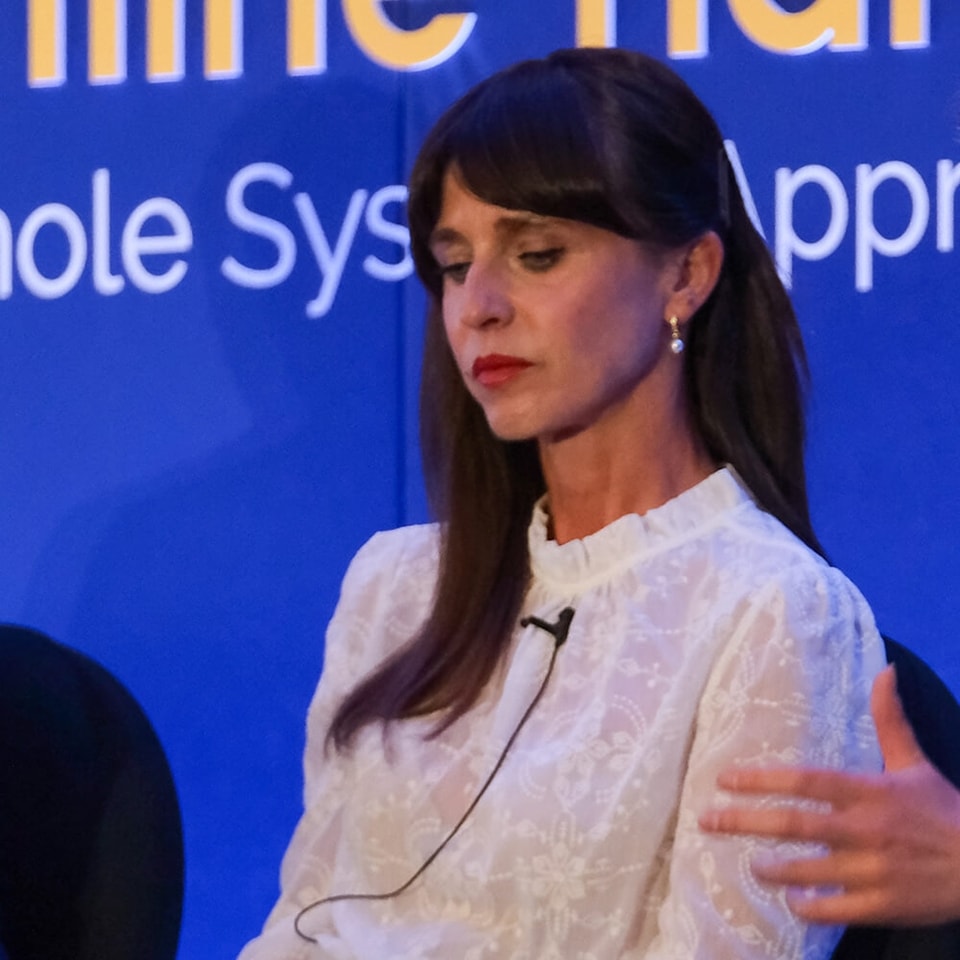
This question brought together parliamentarians, academics, advocacy organisations and people with lived experience at a recent parliamentary roundtable on Proportionate Crime Reporting: Recognising the Full Range of Victims and Their Rights. The event was convened by myself, Professor Paul Wragg, Professor Belinda Winder and Kate Astall to explore an issue that is too often overlooked in discussions of crime, justice and victims' rights.
The event was only possible because of the courage and generosity of five women with lived experience who shared deeply personal accounts of the impact that media intrusion had on their lives. As partners, former partners and adult children of individuals convicted of online child sexual abuse offences, they spoke powerfully about the stigma, isolation, fear and long-term harms experienced by family members who find themselves thrust into the public spotlight through no fault of their own. Their testimonies ensured that the discussion remained grounded in the human realities behind the research, policy and legal debate.
The focus of the roundtable was on children who experience profound and long-lasting consequences following criminal investigations and subsequent media reporting, despite having committed no offence themselves. Drawing on research, legal expertise and lived experience, we explored how some children witness traumatic police warrants, experience educational and social disruption, and can become identifiable through reporting of cases involving a parent or family member, yet are not recognised as victims and are not afforded the protections available to them. The discussion benefited enormously from contributions from Professor Belinda Winder, Professor Paul Wragg, Kate Astall, UNLOCK and the Press Justice Project, helping to ensure a balanced, evidence-informed and constructive conversation. We were delighted that the event was chaired by Jess Asato MP and attended by MPs, members of the House of Lords, and government representatives, including safeguarding minister Alex Davies-Jones MP. Their engagement reflects a growing recognition that the experiences of non-offending family members deserve greater attention within policy and practice.
The ask is a simple one. Not to weaken press freedom. Not to undermine open justice. But to consider whether current frameworks strike the right balance, and whether more can be done to protect children and non-offending family members from avoidable harm. The briefing shared with attendees calls for stronger anonymity protections for affected children, greater recognition of secondary victims, and a review of reporting practices that can inadvertently identify innocent family members. Thank you to everyone who contributed to such a thoughtful discussion and to the Ministers who have invited us to follow up meetings.

Professor Rachel Armitage
Rachel's research is inter-disciplinary in nature, be that the interface between design and offender decision making; or the multi-agency approaches to reducing the impacts of online child sexual abuse and the devastation this brings to the families of those involved.