Leeds Beckett University - City Campus,
Woodhouse Lane,
LS1 3HE
Postgraduate MSc
Sport and Exercise Physiology
Study the functions and responses of the main human systems during exercise and develop your data collection and analysis skills.

Course overview
-
L27 -
Headingley Campus Beckett Park -
Full-Time -
12 Months -
20 Sep 2027
Taught at one of the largest providers of sport in UK higher education – this course will give you an in-depth understanding of the physiological and metabolic effects of exercise and training. You’ll develop the practical skills required to meet the specific needs of the client, be it optimal performance or improved health.
As part of your course, you’ll:
- Build knowledge, expertise and applied experience from working with athletes
- Develop clinical exercise physiology skills working alongside physiologists and doctors on a research project
Or
- Gain clinical exercise physiology skills working with athletes through the university's commercial screening services
Tailor your learning
With the flexibility to select from a range of modules covering different aspects of sport and exercise physiology, you’ll be able to specialise in an area matched to your career ambitions.
If you’re studying the MSc, you’ll explore different research methods before conducting a major independent study related to your specific area of interest.
International recognition
We've been ranked in the top 100 institutions in the world for Sports-Related Subjects in QS's World University Rankings by Subject. QS are an international higher education benchmarking agency.
Why study the MSc Sport and Exercise Physiology course at Leeds Beckett University...
- Develop practical skills to meet specific needs of clients, from optimal performance to improved health
- Work alongside a dedicated and highly experienced course team on hands-on modules
- Tailor your course to your needs by selecting optional modules
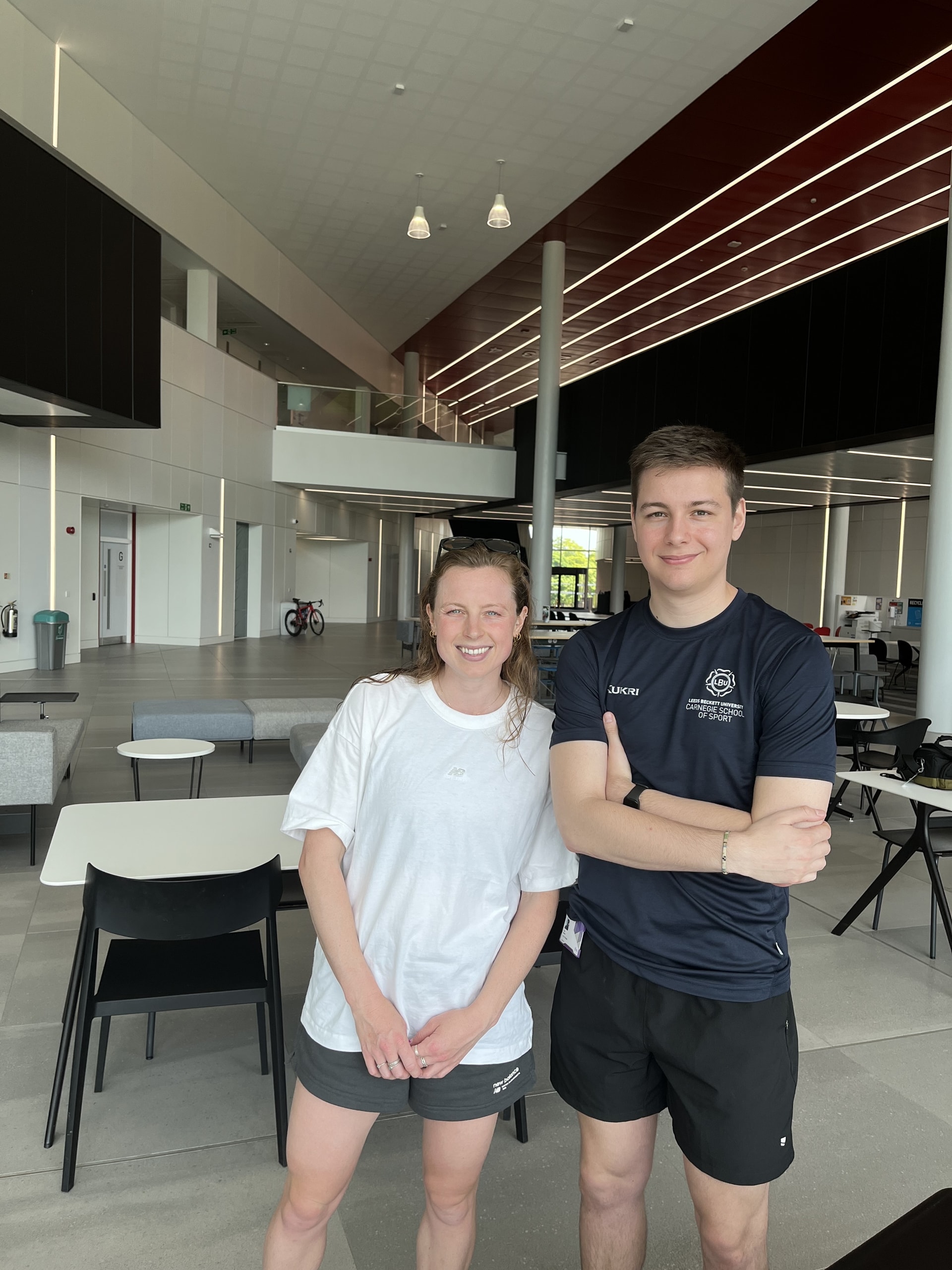
- Take advantage of our state-of-the-art Carnegie School of Sport building
- Sport volunteering opportunities, which have previously included global events such as the Olympics, World Athletics Championships and Commonwealth Games
Explore videos and blogs
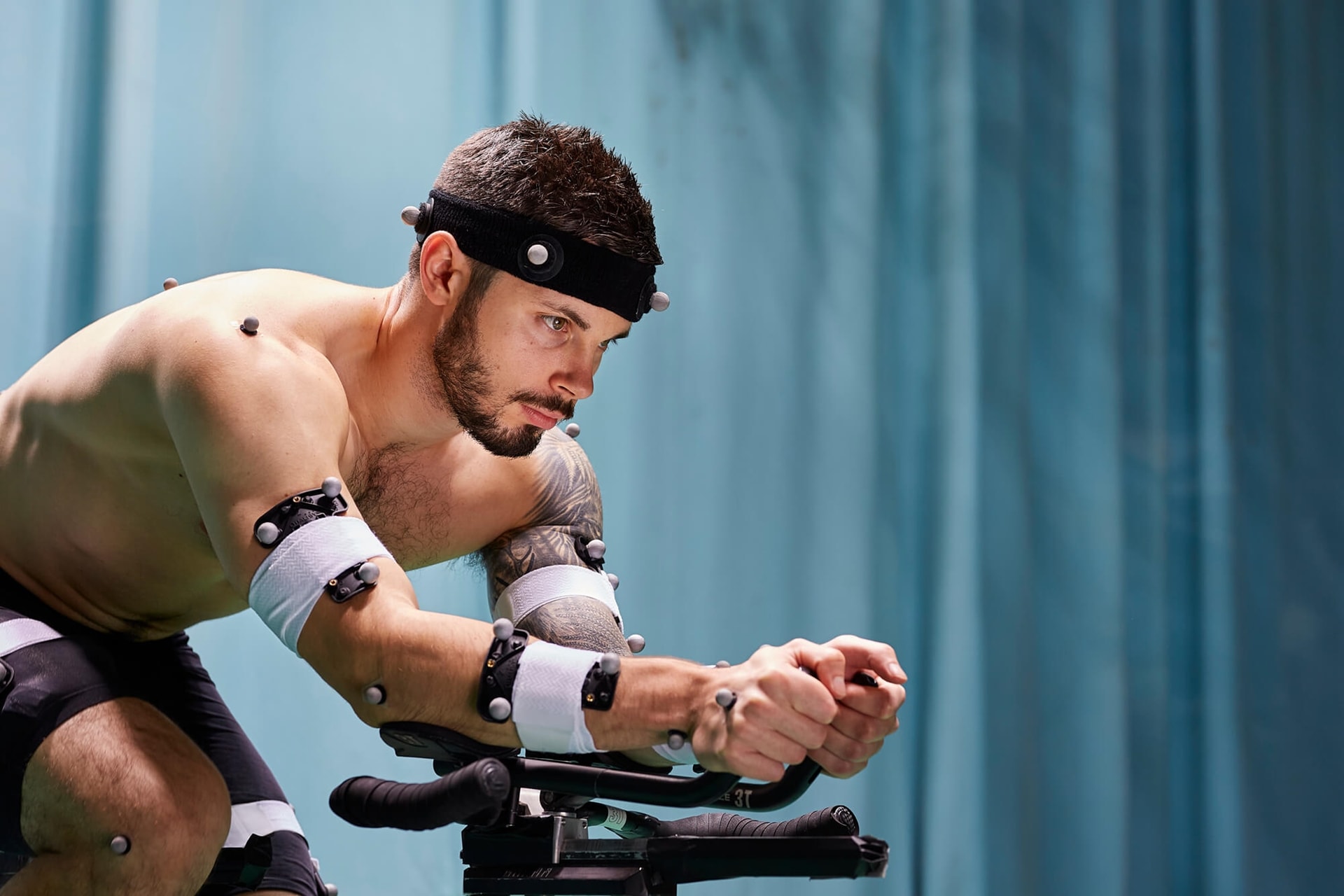
Carnegie School of Sport | Sport & Exercise Physiology Laboratory Course Director Dr Matt Barlow speaks about the state-of-the-art equipment available in the Sport & Exercise Physiology Laboratory.
Everything you need to know
Discover all there is to know about the course, from entry requirements and fees to exploring the school you’ll be joining - we’ve got it covered.
Entry requirements
Applicants should either have at least a second class honours degree in the cognate subjects of Sports Science, Exercise Science, Physical Education, Human Physiology, Biochemistry, Physical Sciences, Physics, Physiotherapy, Medicine or Sports Therapy, at least a second class honours degree in a non-cognate subject supported by evidence of an aptitude for the subject applied for, or have equivalent experience or training, normally from within the work environment.
All applications should be supported by a reference, either academic or professional; you can download our reference template for completion.
All applicants should satisfy our English Language requirements. Please note the IELTS requirement for this course are IELTS 6.5 with no skill below 6.0. Further details about acceptable equivalent qualifications can be found on our International Student information pages.
IELTS
All applicants should satisfy our English Language requirements. Please note the IELTS requirement for this course are IELTS 6.5 with no skill below 6.0. Further details about acceptable equivalent qualifications can be found on our International Student information pages.
Selection Criteria
We may use selection criteria based on your personal attributes; experience and/or commitment to the area of study. This information will be derived from your personal statement and reference and will only be used if you have met the general entry requirements.
Independent study is a crucial part of learning at university and you will be required to undertake many hours of self-directed research and reading, and preparation and writing of assessments. Your course is delivered through a number of modules, which will help you to plan your time and establish a study routine. Outside of your lectures, workshops and tutorials, a range of support is available to assist with your independent study. Our subject-specific librarians will be on hand to direct you to the specialist learning and study-skill resources. You’ll also be assigned an academic advisor to give you tailored feedback and support.
Modules, teaching and learning
What you'll learn
Explore different styles and approaches to designing research and analysis in the field of sport, exercise and physical activity. You'll develop a critical perspective on theory and evidence, providing the foundation for your own master's level research. Upon completion, you'll be able to analyse and synthesise the strengths and weaknesses of various quantitative and qualitative methodologies, as well as methods of data collection and analysis. You'll also have the know-how to propose and justify alternative solutions and modifications to address contemporary research questions and practical challenges.
Gain an in-depth and critical understanding of the acute physiological responses of the exercising human body in a systemic approach. You'll focus on the integrated responses of the cardiovascular, respiratory, muscular and metabolic systems in a variety of contexts: health and disease, sea level and altitude and under thermoregulatory stress.
Examine the evidence supporting advanced exercise testing and prescription methods. You'll discuss technological advancements and their application to sports physiology with the aim to enhance elite performance. This module provides the theoretical knowledge and critical skills for you to evaluate and apply such methods within the field of sports physiology.
Gain a detailed and critical understanding of the application of cardiopulmonary exercise testing (CPET) in populations with cardiovascular and pulmonary conditions. You'll explore the use of interpretative algorithms for the cardiopulmonary test data. As well as an intensive introduction to electrocardiography, you'll study survival statistics as they are used in clinical exercise physiology research. You'll also evaluate the contribution of exercise testing to diagnosis and prognosis for the above conditions.
Study the mechanisms that connect chronic exercise training and physical inactivity with health and disease. You'll gain new insight and an appreciation of the importance of physical activity in preventing and treating cardiometabolic disorders. You'll achieve further development through reflection and critical awareness of contemporary issues and analytical techniques used in disease management and research. Upon completion, you'll have a greater understanding of the symbiotic relationship between high quality research and optimal practice in health and disease management.
This module aids the development of early career evidence-informed practitioners aligned with the professional standards and ethical codes required by relevant accrediting bodies and job roles. It supports your continuing professional development, enabling progression towards professional registration or further study. Alongside studying this module, you could gain specific professional qualifications to raise your awareness of the interdisciplinary nature of the practitioner's role.
This is your opportunity to demonstrate independent thinking, critical analysis, and the ability to conduct sustained, meaningful research. Through the development and submission of a research project, you'll showcase the knowledge and understanding gained throughout your MSc. With guidance from a subject-specific supervisor, you'll carry out an in-depth investigation in your chosen area, evidencing your ability to synthesise ideas, apply theory, and contribute original insights to your field.
What you'll learn
Engage with a range of emerging issues and trends shaping contemporary sport psychology. By critically evaluating key psychological theories, concepts, and principles, you'll deepen your understanding of human behaviour within sporting environments. You'll also develop the skills needed to critically review research literature and effectively communicate psychological insights to both academic and professional audiences.
Study the general principles, concepts and underpinning theory in nutrition and biochemistry for the development of performance nutrition strategies. During the module, there is strong emphasis on developing applied practitioners through formative and summative activities. These activities will enable you to demonstrate the ability to understand and apply current sports nutrition theory to practice in a variety of contexts.
Investigate the principles underpinning the function and operation of a range of biomechanical equipment. This module covers key aspects of kinematics, kinetics and other biomechanical techniques, such as electromyography. You'll grasp the core concepts of these techniques and evaluate how biomechanical methods can be used to study motion in a variety of contexts. Through data collection and analysis, you'll reflect on both traditional and contemporary approaches to research, theory and practice in sport and exercise biomechanics.
Explore specific aspects of the structure and function of the neuromuscular system and their relationship with intrinsic and extrinsic factors. You will learn about the mechanical basis of joint and muscle function, as well as developing an understanding of the relationship between external and internal loading factors that can lead to injury.
Explore how exercise influences behaviour, mental health, and psychological well-being. You'll consider both the positive effects of exercise- such as improved mood, cognitive function, and mental health conditions – and the potential negative consequences, including exercise dependence. By the end of the module, you'll be able to critically apply behaviour change theories to design interventions that target priority health challenges.
Critically evaluate the impact of a variety of nutritional strategies. Drawing on contemporary research, you'll explore the complex relationship between dietary manipulation strategies and specific ergogenic aids or food supplements on metabolism, sports performance and health. By completing an experimental task, you'll devise valid and reliable methods to test a hypothesis of the potential impact of dietary manipulation or supplement on performance. During this process, you'll also learn to work collaboratively as you interact effectively with other group members.
Develop an understanding of the biomechanics of human gait. This module provides you with critical knowledge of normal, pathological and competitive gait. You'll improve your knowledge of the internal and external factors that can affect gait, such as fatigue, footstrike patterns, footwear-surface interaction and ageing. Finally, you'll complete a range of laboratory-based activities to observe human gait and to assess common biomechanical methods used in gait analysis.
Fees and funding
£10,710
UK
The tuition fee for the year for students entering in 2027/28 is £10710. The amount you will pay may increase each year to take into account the effects of inflation.
£18,995
International 2027
The tuition fee for the year for students entering in 2027/28 is £18995. The amount you will pay is fixed at this level for each year of your course.
Fees and funding
£10,710
For students entering in 2027
The tuition fee for the year for students entering in 2027/28 is £10710. The amount you will pay may increase each year to take into account the effects of inflation.
Additional course costs
Tuition Fees
Your tuition fees cover the cost of registration, tuition, academic supervision, assessments and examinations.
The following are also included in the cost of your course:
- 24/7 Library and student IT support
- Free wifi via eduroam
- Skills workshops and resources
- Library membership, giving access to more than 500,000 printed, multimedia and digital resources
- Access to software, including five free copies of Microsoft Office 365 to install on your PC,laptop and MAC, and access to free high-end software via the Leeds Beckett remote app
- Loan of high-end media equipment to support your studies
Access to course resources, equipment and facilities, including:
- Sports facilities and equipment linked to your studies, including our specialist sports science labs.
In many cases, costs associated with your course will be included in your course fee. However, in some cases there are ‘essential’ additional costs (those that you will be required to meet in addition to your course fee), and/or ‘optional’ additional costs (costs that are not required, but that you might choose to pay). We have included those essential or optional additional costs that relate to your course, below.
Optional Costs
- Access to membership and annual student conference of the Chartered Association for Sport & Exercise Science (CASES) (annual student membership costs £26 for Direct Debit and £31 for non-Direct Debit).
- Course branded sportswear (prices start from £20).
- ISAK Body Composition Level 1 training (£345 for a three-day course).
- Placement locations and experiences will vary throughout the course and you'll need to pay for any additional travel costs.
Other study-related expenses to consider: materials that you will need to complete your course such as books (whilst the library provides access to readings recommended for your modules, you may wish to purchase your own copies of some books); you can also make suggestions for books to be added to Library stock; placement costs (these may include travel expenses and living costs); student visas (international students only); printing, photocopying and stationery (you may need to pay for multiple copies of your dissertation or final project to be printed and bound); events associated with your course such as field trips; study abroad opportunities (travel costs and accommodation, visas and immunisations). Other costs could include academic conferences (travel costs) and professional-body membership (where applicable). The costs you will need to cover for graduation will include gown hire and guest tickets, and optional extras such as professional photography.
As well as your mobile phone, you will also need access to a desktop computer and/or laptop to complete assignments and access university online services such as MyBeckett, your virtual learning environment. You can book and borrow AV equipment through the media equipment service accessed online via the student hub and located in the library at each campus. Equipment includes: 360 Cameras, iPads, GoPros, MacBooks, portable data projectors, portable projection screens, flipchart stands, remote presenters, digital cameras and camcorders, SLR cameras, speakers, microphones, headphones, headsets, tripods, digital audio recorders and PC/laptops (a laptop loans service is provided on campus in the library on both campuses). Student laptops are also available from the laptop lockers located in the libraries.
This list is not exhaustive, costs are approximate and will vary depending on the choices you make during your course. Any rental, travel or living costs are also in addition to your course fees. If you choose to study via distance learning, you may not be able to access all of the facilities listed if you are not able to visit us on campus.
£18,995
For students entering in 2027
The tuition fee for the year for students entering in 2027/28 is £18995. The amount you will pay is fixed at this level for each year of your course.
Additional course costs
Tuition Fees
Your tuition fees cover the cost of registration, tuition, academic supervision, assessments and examinations.
The following are also included in the cost of your course:
- 24/7 Library and student IT support
- Free wifi via eduroam
- Skills workshops and resources
- Library membership, giving access to more than 500,000 printed, multimedia and digital resources
- Access to software, including five free copies of Microsoft Office 365 to install on your PC,laptop and MAC, and access to free high-end software via the Leeds Beckett remote app
- Loan of high-end media equipment to support your studies
In many cases, costs associated with your course will be included in your course fee. However, in some cases there are ‘essential’ additional costs (those that you will be required to meet in addition to your course fee), and/or ‘optional’ additional costs (costs that are not required, but that you might choose to pay). We have included those essential or optional additional costs that relate to your course, below.
Access to course resources, equipment and facilities, including:
- Sports facilities and equipment linked to your studies, including our specialist sports science labs.
Optional Costs
- Access to membership and annual student conference of the Chartered Association for Sport & Exercise Science (CASES) (annual student membership costs £26 for Direct Debit and £31 for non-Direct Debit).
- Course branded sportswear (prices start from £20).
- ISAK Body Composition Level 1 training (£345 for a three-day course).
- Placement locations and experiences will vary throughout the course and you'll need to pay for any additional travel costs.
Other study-related expenses to consider: materials that you will need to complete your course such as books (whilst the library provides access to readings recommended for your modules, you may wish to purchase your own copies of some books); you can also make suggestions for books to be added to Library stock; placement costs (these may include travel expenses and living costs); student visas (international students only); printing, photocopying and stationery (you may need to pay for multiple copies of your dissertation or final project to be printed and bound); events associated with your course such as field trips; study abroad opportunities (travel costs and accommodation, visas and immunisations). Other costs could include academic conferences (travel costs) and professional-body membership (where applicable). The costs you will need to cover for graduation will include gown hire and guest tickets, and optional extras such as professional photography.
As well as your mobile phone, you will also need access to a desktop computer and/or laptop to complete assignments and access university online services such as MyBeckett, your virtual learning environment. You can book and borrow AV equipment through the media equipment service accessed online via the student hub and located in the library at each campus. Equipment includes: 360 Cameras, iPads, GoPros, MacBooks, portable data projectors, portable projection screens, flipchart stands, remote presenters, digital cameras and camcorders, SLR cameras, speakers, microphones, headphones, headsets, tripods, digital audio recorders and PC/laptops (a laptop loans service is provided on campus in the library on both campuses). Student laptops are also available from the laptop lockers located in the libraries.
This list is not exhaustive, costs are approximate and will vary depending on the choices you make during your course. Any rental, travel or living costs are also in addition to your course fees. If you choose to study via distance learning, you may not be able to access all of the facilities listed if you are not able to visit us on campus.
Funding support for your studies
Discover more about our range of postgraduate funding options including a Master's Loan of up to £13,206, and our 20% alumni discount*
*Terms apply
Carnegie School of Sport AlterG Room Dr Amy Brightmore, Senior Lecturer, explains how the AlterG Anti-gravity treadmill works using NASA technology. Undergraduate, postgraduate, and research students use this equipment as part of their studies to understand how weight baring therapy helps athletes in recovery and as part of their strength and conditioning training.


Carnegie School of Sport Physiology Research Laboratories Dr Barney Wainwright, Senior Research Fellow, talks about the four Physiology Research Laboratories which facilitate high-quality research undertaken by undergraduate, postgraduate and PhD students within The Carnegie School of Sport.

Carnegie School of Sport Biochemistry Laboratory Dr Theocharis Ispoglou talks about the biochemistry laboratory in Carnegie School of Sport, used by students to analyse the biochemical basis of health effects in exercise.

Carnegie School of Sport Body Composition Lab In the body composition lab, Carnegie School of Sport staff and students work with athletes and sports team to measure their body composition, identifying muscle and fat levels using various high-tech pieces of equipment.


Career prospects
There’s a lot to consider when choosing a course. Take a look at the team you’ll be working with, employability statistics and career prospects to help make up your mind.
Career Prospects
With your advanced knowledge, research experience and a range of transferable vocational and scientific skills, a wide variety of roles will be open to you. Your career choices could include leading fitness testing programmes for teams and elite athletes, involvement in public health initiatives or employment with national governing bodies.
- Exercise Physiologist
- Sports Development Officer
- Health and Wellbeing Physiologist
- Community Sports Coach

During my Physiology Placement I had the opportunity to work with clients of ranging athletic abilities from recreational athletes to World Champions and Olympians, on top of this I worked on a series of research and commercial projects. After graduating, I had interviews for a series of funded PhDs, full-time and part-time jobs, all of these interviews I feel I would not have secured without these placement experiences.

Dr Jamie Matu
Reader

Costas Tsakirides
Senior Lecturer / Carnegie School of Sport
Costas is a Senior Lecturer (Exercise Physiology). He teaches across a range of (mainly clinical) exercise physiology modules, manages the provision of Cardiac Screening services at the Carnegie School of Sport, and engages in research in exercise testing and exercise training in relation to cardiovascular and metabolic health.
Beckett Careers Team
Our careers service is not just there for undergraduates, we support our postgraduate taught and research students too.
Your postgraduate degree will boost your CV and help you stand out from the crowd. Whether you're just starting out on your chosen career path, changing careers or moving to the next level, we can provide you with expert advice and resources to help you take the next steps to achieving your goals.
Student life
At Leeds Beckett your experience is important to us, find out more about what to expect from your time on this course and life at uni.
Why Leeds for Sport? Discover what the city of Leeds has to offer and why it’s a great choice for students studying sport.


Experience Leeds Beckett
Our state-of-the-art facilities and learning environments give you everything you need to succeed – whether that’s completing your current studies or joining our cutting-edge research teams.



Why Leeds?
With great music venues, culture, shopping, and parks - we've got it all. Leeds city centre has been named one of the Best Places to Live in the UK*.
*The Sunday Times Best Places to Live Guide, 2026


Thinking of staying at home for your studies?
It’s a great option for lots of our local students