

Leeds Beckett University - City Campus,
Woodhouse Lane,
LS1 3HE
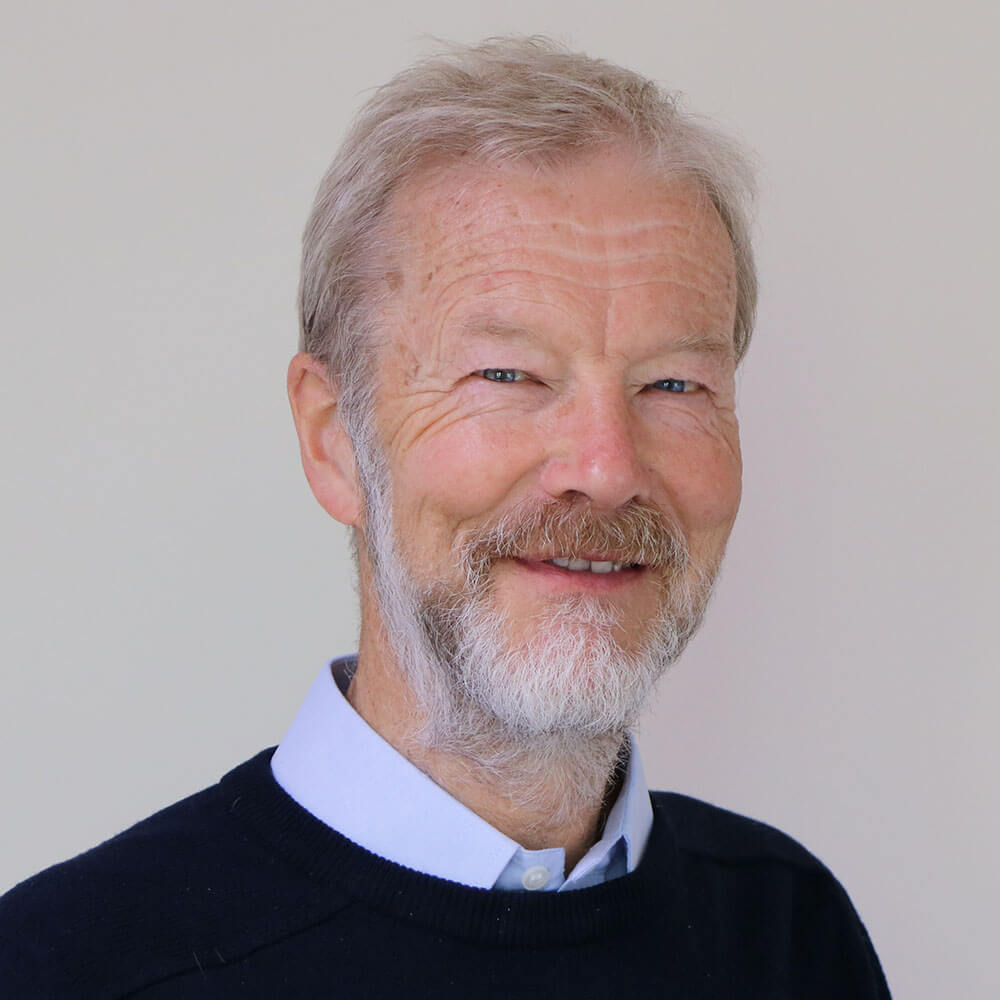
Professor Jonathan Long
Emeritus
Jonathan Long is an Emeritus Professor in the Institute for Sport, Physical Activity and Leisure. Throughout his career his research has been in leisure studies with a focus on social justice with a particular interest in racial equality.
 0000-0001-5220-1152
 Scopus ID: 7403447434
About
Jonathan Long is an Emeritus Professor in the Institute for Sport, Physical Activity and Leisure. Throughout his career his research has been in leisure studies with a focus on social justice with a particular interest in racial equality.
Jonathan Long is an Emeritus Professor in the Institute for Sport, Physical Activity and Leisure. Throughout his career his research has been in leisure studies with a focus on social justice with a particular interest in racial equality.
Having initially trained as a geographer, he became Research Director at the Tourism and Recreation Research Unit and the Centre for Leisure Research in Edinburgh. His experience embraces all stages of the research process from design to dissemination and his research utilises both quantitative and qualitative research techniques. He has managed over sixty external contracts for organisations like the Arts and Humanities Research Council, the Department for Culture Media and Sport, the sports councils, local authorities and third sector bodies like national governing bodies of sport and Sporting Equals. His personal research interests centre on sport and leisure policy, social inclusion, social capital and racial equality.
Apart from being a well-known author in his own right (including Researching Leisure, Sport and Tourism for Sage), Jonathan has made major contributions editing and publishing. He was a founding member of the Editorial Boards of Leisure Studies and The Journal of Policy Research in Tourism, Leisure and Events , and has also served on the editorial boards of Managing Leisure, the Malaysian Journal of Sport Science and Recreation. He is currently series editor (with Kevin Hylton) for Routledge Critical Perspectives on Equality and Social Justice in Sport and Leisure. He was appointed a Fellow of both the Higher Education Academy (FHEA) and the Academy of Social Sciences (FAcSS).
Academic positions
Emeritus Professor
Leeds Beckett University, Leeds, United Kingdom | 01 June 2017 - present
Research interests
Since ‘retirement’ his research interests continue with projects on: the intersections between music and sport; migrant communities and music; Jewish involvement in sport and physical activity; racism and Islamophobia through online football sites. Amongst other things his work on equality and social justice led to him being appointed to the Accreditation Panel for the Equality Standard for Professional Football Clubs, run by Kick It Out. The longrunning 'Fields of Vision' initiative has led to a book, two special issues of Sport in Society and a manifesto (https://artsinsport.wordpress.com/a-manifesto-for-the-arts-and-sport-together/).
Publications (155)
Sort By:
Featured First:
Search:
 08 May 2017
Sport, Leisure and Social Justice Routledge
08 May 2017
Sport, Leisure and Social Justice Routledge
Principles of Social Justice for Sport and Leisure
08 May 2017
Sport, Leisure and Social Justice Routledge
 Authors: Wetherly P, Watson R, Long JA, Editors: Long J, Fletcher T, Watson R
Introducing sport, leisure and social justice
08 May 2017
Sport, Leisure and Social Justice Routledge
© 2017 Taylor & Francis. All rights reserved. Social inequalities are often reproduced in sport and leisure contexts. However, sport and leisure can be sites of resistance as well as oppression; they can be repressive or promote positive social change. This challenging and important book brings together contemporary cases examining different dimensions of inequality in sport and leisure, ranging from race and ethnicity to gender, sexual orientation, disability, religion and class. Presenting research-based strategies in support of social justice, this book places the experiences of disadvantaged communities centre stage. It addresses issues affecting participation, inclusion and engagement in sport, while discussing the challenges faced by specific groups such as Muslim women and LGBT young people. Including original theoretical and methodological insights, it argues that the experiences of these marginalised groups can shed a light on the political struggles taking place over the significance of sport and leisure in society today. Sport, Leisure and Social Justice is fascinating reading for students and academics with an interest in sport and politics, sport and social problems, gender studies, race and ethnicity studies, or the sociology of sport.
05 October 2018
Annals of Leisure Research22(3):404-407 Taylor & Francis (Routledge)
28 August 2020
Sport in Society24(1):1-18 Informa UK Limited
Clavane A, Long J© 2020 Informa UK Limited, trading as Taylor & Francis Group. The paper examines two ‘turns’ in English national sporting culture, ‘Beckhamisation’ and ‘Southgatism’, and their contribution to an ‘imagined community’ through processes of ‘banal nationalism’. It examines the critiques of various academic and media commentators to demonstrate the link between the trappings of sport (in this case football), and people’s understanding of ‘us’ and ‘them’. Music/songs, flags, language, multi-cultural representation, team ethos and espoused values, are not just signifiers, but have a pivotal part to play in representing, repressing and resisting particular forms of Englishness. The focus here is on those national sporting occasions that all too often have been associated with virulent forms of nationalism. We conclude that Southgatism holds out more hope for a progressive sporting patriotism than did its Beckhamite predecessor, but that this has yet to be tested in the febrile cauldron (the ‘hostile environment’ for immigrants and Brexit) currently forging English national identity.
Home is where the music is: Migrants and belonging in Leeds
27 September 2018
Taylor & Francis (Routledge)
Tourism and Economic Regeneration: The role of skills development
May 2001
International Journal of Tourism Research3(3):229-240 Wiley
Thomas R, Long JAbstract
An increasing number of local economic development agencies in the UK are turning to tourism as a means of urban regeneration and employment creation. Although initiatives vary, there is a nationally inspired emphasis on the development of employee skills as a core element of many regeneration strategies. This paper reports the findings of a qualitative study of the demand for and utilisation of skills by tourism firms in East London, an area that is the recipient of substantial urban aid funding, a proportion of which has an overt focus on skills enhancement designed to develop the tourism sector. It then examines the processes of skills supply within the locality. The paper concludes by identifying the key issues likely to be important if regeneration programmes are to be effective. Copyright © 2001 John Wiley & Sons, Ltd.
Improving Competitiveness
February 2000
Local Economy: The Journal of the Local Economy Policy Unit14(4):313-328 SAGE Publications
Thomas R, Long JFor a variety of reasons an increasing number of local authorities and other agencies have turned to tourism as a means of economic development. To date, however, the level of activity among policy makers has not been matched by research that might inform their deliberations. Although the importance of demand-related issues — such as the promotion of particular destinations — is recognised, this paper shifts the focus to the neglected issue of sector supply. It argues that if tourism is to contribute to economic development that is sustainable, private- and public-sector facilities (such as attractions or hotels) must be nationally — and often internationally — competitive. The paper proposes a model for understanding the competitiveness of organisations in the sector and reports the findings of its application in a case study of east and south-east London.
2007
Prepared for CCPR by the Carnegie Faculty, Leeds Metropolitan University
Welch M, Long JThis research was carried out by the Carnegie Research Institute at Leeds Metropolitan University together with Wharton Consulting, at the behest of the CCPR. The research was carried out in the period January - March 2005. All organisations in membership of CCPR were invited to provide a copy of their most recent accounts. Sixty NGBs/NSOs did so, of which 46 were analysed in accordance with a standard template in order to enable comparisons between organisations. Many of the members of CCPR also provided copies of their most recent Annual Report, which supplemented the information obtained through the interview process. 14 National Governing Bodies / National Sports Organisations were identified for in-depth analysis. Face-to-face semi-structured interviews were arranged and conducted with representatives of each of these organisations.
2006
ADOZ Journal of Leisure Studies30:49-53
Long J, Bramham PIn the UK the public sector has had a long history of both providing leisure opportunities and also regulating and encouraging activities of other agents through legislation, enforcement and subsidy. What we seek to do in this paper is to address some of the recent shifts in public sector operation so that readers can perform a comparative analysis with recent developments in their own nation state. Our basic argument is that the experience of the last two decades has been characterised by: i. a gradual fragmentation of the ‘leisure project’ ii. a growing instrumentalism in public policy which increasingly deploys leisure in order to secure wider social goals. iii. an invasive centralisation of policy and a reduction of the power of the local state. These processes are interrelated and are associated with a proliferation of more short term pragmatic policies. These in turn find expression in more centralised project funding and contracting arrangements. The shift away from traditional leisure policy and towards a contract culture was centrally driven in the UK by iconoclastic neoliberalist policies. They were the hallmark of Margaret Thatcher’s years of governance (1979-1990) .This policy direction has been continued, arguably refined and sharpened, by the three successive ‘New Labour’ governments of Tony Blair (1997-2006).
1990
Leisure, Labour and Lifestyles; International comparisons, Vol 2: Work Leisure and Lifestyles Leisure Studies Association
Authors: Parry J, Long JA, Editors: Parker SWhat is 'leisure'? The debate has raged for some time, and shows no sign of abating. One of the main problems is that there is no consistency of definitional subject. One of the current authors has observed that leisure not only seems to mean different things to different people, but that it has also on occasion meant different things to the same person at different times (Long, 1982). This can apparently be said, too, of leisure scholars (including that same author and his various colleagues) in their research and writing. This paper is an attempt to make some progress in this definitional morass. One of its central claims will be that there is not as much disagreement around as at first seems.
2007
Prepared for CCPR by the Carnegie Research Institute, Leeds Metropolitan University London
Welch M, Long JAn analysis of the economic and social impact of voluntary sports clubs in England, the benefits provided by volunteers working within those clubs and the key factors impacting on them.
Taking a Part: An Evaluation of the Ability of Cultural Activities to Promote Social Inclusion
September 2003
Access and Inclusion in Leisure and Tourism Leisure Studies Association
Authors: Long JA, Welch M, Editors: Snape R, Thwaites E, Williams CResearching and evaluating sports development
2008
Sports development: policy, process and practice Routledge
Authors: Long J, Editors: Hylton K, Bramham PEl legado social de los macro-eventos deportivos y los juegos olimpicos y paralimpicos de Londres 2012
2010
Citius, Altius, Fortius: Humanismo, Sociedad y Deporte: Investigaciones y ensayos3(1):19-38
Hughes K, Kirk D, Long JACultural Projects and Social Inclusion
Taking a part: an evaluation of the ability of cultural activities to promote social inclusion
Positioning Anti-Racism in Sport and Sport in Anti-Racism
2011
Sport and Challenges to Racism Palgrave Macmillan
Authors: Long JA, Spracklen K, Editors: Long J, Spracklen KAmbiguities in the Relationship between Sport and Social Capital
2008
Sport, Leisure, Culture and Social Capital: Discourse and practice LSA Publications
Authors: Long J, Editors: Collins M, Holmes K, Slater AThe social benefits of sport
So what has changed (and what has to change)?
2010
Sport and challenges to Racism Palgrave Macmillan
Authors: Long JA, Spracklen K, Editors: Long J, Spracklen KWorking Around Leisure: Home-based work, leisure and confusing male and females spaces
2001
Gender Issues in Work and Leisure Leisure Studies Association
Authors: Dart J, Long J, Editors: Anderson J, Lawrence LSport and the Aging Population: Do older people have a place in driving up participation in sport?
2004
Driving up Participation: The challenge for sport Sport England
Authors: Long J, Editors: England SThe Social Benefits of Sport - Where's the Proof?
Retirement and Serious Leisure
2002
Leisure Studies: Trends in theory and research Leisure Studies Association
Authors: Long J, Scraton S, Editors: Lawrence L, Parker SResearching Leisure, Sport and Tourism. The essential guide
Researching and Evaluating Sport Development
18 March 2013
Sports Development: Policy, process and practice Routledge
Authors: Long JA, Editors: Hylton KTaking a part: an evaluation of the ability of cultural activities to promote social inclusion
2003
Access and Inclusion in Leisure and Tourism LSA
Authors: Long JA, Welch M, Editors: Snape R, Thwaites E, Williams CChanges in Lifestyle and the Future of Outdoor Recreation
2001
Enjoyment and Understanding of the Natural Heritage: Finding the Balance between Rights and Responsibilities The Stationery Office
Authors: Butterfield J, Long J, Editors: Usher MResearching and Evaluating Sports Development
2007
Sports Development. Policy, Process and Practice Routledge
Authors: Long J, Editors: Hylton K, Bramham PBocce alone: leisure and social capital in a Brazilian neighbourhood
October 2012
Sport and Leisure Ethics, Rights and Social Relationships Leisure Studies Association
Authors: Pereira A, Long JA, Amaral S, Editors: Spracklen K, Adams ASport’s ambiguous relationship with social capital: The contribution of national governing bodies of sport
Research positions, postures and practices in Leisure Studies
01 January 2020
Routledge Handbook of Leisure Studies
In accord with one contemporary research style, this paper is in part a personal story of a journey through what I have previously referred to as inter-paradigmatic space (Long, 2007). As narratives are now accepted as a more credible form of research it might be possible to present this chapter purely as a series of reflections on a career in research during which fields and habitus have continually locked horns. I shall refrain from surrendering entirely to that temptation. However, to deny the significance of personal experience would be perverse, and it is worth emphasizing that any piece of Social science writing must involve elements of individual narrative, whether or not it is recognized as such. To deny that would be akin to positivist attempts to assert an objectivity that cannot be. Of course I shall have to return to such a value-laden statement at various times in this chapter, but it is in accord with calls for reflexivity (e.g., Dupuis, 1999; Watson and Scraton, 2001) that have come to the fore over the past two decades. And if I didn't know it before, my research into racism has screamed the importance of appreciating the need for reflexivity. However, if pressed, I would still position myself somewhere close to the kind of critical realist position of Ramazanoglu and Holland (2002: 72), who maintain that 'reality exists independently of people's consciousness of it, but the connections between what is real, what is thought and what is experienced cannot be easily disentangled'.
December 2013
Fields of Vision: The Arts in Sport Leisure Studies Association
Authors: Long JA, Editors: Sandle D, Long J, Parry J, Spracklen KThe introduction of the Super League in 1996 heralded a more commercial era for professional rugby league in the United Kingdom (Meier, 2000). Part of the associated package has been an entertainments programme around games. Initially hesitant following a near disastrous first Super League season, Leeds Rhinos (the brand name adopted by Leeds Rugby League Football Club) have embraced this initiative. An MC introduces a bill that variously includes: the team’s mascot, Ronnie the Rhino; a dance team and community dance groups; children’s mini rugby; local singers and tribute acts; silly games featuring people from the crowd; presentations of former stars and special appearances (e.g. the Forces). While very deliberately identifying the persistence of some rationalist/modernist dimensions of Super League rugby Denham (2000: p. 289) observes of this development: Part of the attraction is to sell more than the game by adding entertainment and additional spectacle through cheerleaders, mascots and fireworks. Postmodernism has been seen as reflecting the fragmentation and diversification of culture and, along with it, the breakdown of older categories and binary divisions that have been associated with modern culture, such as high/low... One of the most successful elements of the wider entertainment package at Leeds’ games has been ‘Opera Man’. This is the nickname given to John Innes, the classically-trained singer, by the crowd at Headingley Stadium (the home of the Rhinos). Some seem unsurprised by the success of this initiative, but it piqued my curiosity as an unlikely coming-together of two leisure interests. As a fan my initial reaction was similar to what one of my respondents described: “When he first came in you could see in the crowd it was ‘You what? An opera guy coming to sing at rugby league?’. And then he became a cult figure … Who would have thought that rugby league would have been the home for Opera Man?” (Chrissy). On one of the blog sites Jerry Chicken commented: “Opera Man” as he has become known to your average rugby league fan who, it has to be said, would in all other circumstances call John Innes and his ilk “big puffs” has introduced the concept of the aria to the sport so much so that the crowd actually sing along with him now, even though they know not the words and simply make the sounds. http://jerrychicken.blogspot.co.uk/2007/10/opera-man.html [last accessed 27th January 2013] To explore what underlies the apparent success of this Heston Blumenthal recipei, this paper borrows concepts from Bourdieu (1984).
May 2015
Landscapes of Leisure: Space, Place and Identities Palgrave
Authors: Pereira A, Long JA, Editors: Elkington S, Gammon S 1996
Carnegie National Sports Development Centre, Leeds Metropolitan University
Welch M, Butterly R, Callicot R, Long JA, Oxley D, Smears E 2006
Malaysian Journal of Sport Science and Recreation2(1):55-82
Long J, Robinson POver the past few years there has been a clear shift in governmental focus on the role of sport within British society. The old maxim of ‘sport for sport’s sake’ has been largely superseded by an approach emphasising the role of sport in helping to create a more inclusive social environment (Department for Culture, Media and Sport / Strategy Unit, 2002; Local Government Association, 2001). Sporting excellence is no longer enough on its own, rather sport is seen as a tool to be used in addressing the underlying factors which lead to the exclusion of certain individuals and communities. It is our contention that this political positioning and the related search for funding leads to over ambitious claims for what can be achieved. As the sport with the highest media and public following, football (soccer) is increasingly being challenged regarding its role in addressing this social agenda. In this paper we review some of the available evidence relating to the contribution of football and sport more generally. To do this we shall first examine how ‘social inclusion’ is interpreted; then, adopting a more questioning view of both football and sport, summarise what their contribution to social inclusion might realistically be. We contend that this has to mean considering a more differentiated interpretation of both sport and social inclusion.
2007
Prepared for CCPR by the Carnegie Research Institute, Leeds Metropolitan University London
Welch M, Long JNo racism here? A preliminary examination of sporting innocence
2000
Managing Leisure5(3):121-133 Informa UK Limited
The issue of racism in sport has been receiving a lot of attention recently, but there is a tendency to be distracted by high-profile cases in football that grab the headlines. In this paper attention is directed not just to conspicuous incidents, but to the 'everyday racism' that is insidious and difficult to address. Drawing on empirical research (particularly in rugby league and cricket), existing literature and media coverage, the paper examines the various attempts to rationalize claims of racism in sport. The paper identifies the process of denial by many within sport that serves to inhibit moves to counter racism and reviews some of the most common attempts to explain away what is perceived as racism.
01 July 2005
Leisure Studies24(3):239-258 Taylor & Francis
Blackshaw T, Long JStarting from the overwhelming welcome that Putnam's (2000) treatise on social capital has received in government circles, we consider its relative merits for examining and understanding the role for leisure in policy strategies. To perform this critique we identify some of the key points from Putnam's work and also illustrate how it has been incorporated into a body of leisure studies literature. This is then extended to a discussion of the methodological and theoretical underpinnings of his approach and its link to civic communitarianism. We suggest that the seduction of the 'niceness' of Putnam's formulation of social capital not only misses the point of the grimness of some people's lives but it also pays little attention to Bourdieu's point that poorer community groups tend to be at the mercy of forces over which they have little control. We argue that if the poor have become a silent emblem of the ways in which the state has more and more individualised its relationship with its citizens, it is they who also tend to be blamed for their own poverty because it is presumed that they lack social capital. This in turn encourages 'us' to determine what is appropriate for 'them'. As a critical response to this situation, we propose that Bourdieu's take on different forms of 'capital' offers more productive lines for analysis. From there we go on to suggest that it might be profitable to combine Bourdieu's sociology with Sennett's recent interpretation of 'respect' to formulate a central interpretive role for community leisure practitioners - recast as cultural intermediaries - if poorer community groups are to be better included. © 2005 Taylor & Francis Group Ltd.
08 March 2016
Journal of Policy Research in Tourism, Leisure and Events8(2):176-195 Taylor & Francis
A national (UK) policy to expand higher education has changed the demographic composition of communities in many university towns and cities and the social forces operating thereon. As the economy and services adapt, those already resident in such areas may be quite comfortable accommodating the changes. Those who are not may leave (exit/flight) or stay and either ‘hunker down’ (loyalty) or act to protect what it was they had come to value about the area (voice). The case examined here is that of a part of Leeds where the consequent ‘studentification’ prompted the exit of many residents, thereby making way for further students. Some residents, with strong roots in the area, remained loyal and it is their views, along with those of business people, councillors and others, that are examined in this paper. This study of reactions to student lifestyles was initially prompted by Cohen’s notion of ‘moral panic’ that gradually revealed a contestation over the right to determine the character, the soul, of the area. In so doing it considers how, as soft or symbolic power ebbed, attempts were made by local residents to shape a policy response. However, in that arena too, the locus of control is shown to be elusive.
Shaping Cultural Policy
February 2009
Journal of Policy Research in Tourism, Leisure and Events1(1):79-89 Taylor & Francis
Long J, Jowell T, McMaster BIn addition to providing a means of disseminating research on policy we also want the journal to contribute to fostering debate around the formulation of policy by publishing carefully argued position statements and critiques of underlying issues. These might well be more personal and rhetorical than conventional academic articles, but should still be characterised by critical analysis. The intention is that these should normally be 20-30% the length of a full paper. © 2009 Taylor & Francis.
It Depends Who You Are: On asking difficult questions in Leisure Research
2003
Loisir et Société / Society and Leisure26(1):169-182 Informa UK Limited
Long J, Wray SWe know that social researchers are not independent of the research process. In this paper, we use research on the potentially very sensitive subjects of identity and racism to reflect on the significance of the interaction of the researcher’s own cultural biography with that of the participant. Awareness of that is an important step in devising procedures of communication and interpretation. The paper addresses the associated challenges involved in the various stages of initial engagement with respondents/participants, data gathering and analysis. In doing so, it argues the importance of interrogating our own inter-operations just as we review critically the accounts of respondents. The paper offers some indicators of how an awareness of the complexities of working in sensitively charged areas can suggest a way forward. Perhaps because of the sensitivity of the subject areas of this research such issues are easier to recognise here, but they apply to social research more generally. © Presses de l’Université du Québec.
Research Positions, Postures and Practices in Leisure Studies
16 April 2013
Routledge Handbook of Leisure Studies Routledge
Authors: Long JA, Editors: Blackshaw TThis book contains original work from key scholars across the globe, including those working outside the Leisure Studies mainstream.
01 January 2006
Policy and Politics34(1):133-151 Polity Press
Long J, Bramham PThis article outlines New Labour's policy discourse about social exclusion and the confusing challenge it poses to local cultural projects. Government now demands hard evidence to measure the impact of cultural projects on performance indicators such as education, employment, crime and health. However, community-based workers are hard pressed to collect valid and reliable data that evaluate projects against clear criteria for social inclusion. This article outlines possible criteria for social inclusion. Then, drawing on data collected from two 'Arts in Health' projects, we examine how contributions to social inclusion might have been effected. Considerable energy is required to form new alliances and health partnerships to resolve the dilemmas posed by a confused policy discourse and by fragile funding streams. © The Policy Press, 2006.
Sport's Ambiguous Relationship with Social Capital: The contribution of national governing bodies of sport
2008
Sport and Social Capital Butterworth-Heinemann
Authors: Long J, Editors: Nicholson M, Hoye RDespite the importance of sport as a social, economic and political institution, research into sport and social capital has not been extensive. Sport and Social Capital is the first book to examine this increasingly high profile area in detail. It explores the ways in which sport contributes to the creation, development, maintenance and, in some cases, diminution of social capital. Written by an internationally renowned author team who are leading figures in this area of study, this engaging and far-reaching text brings leading research from around the world into one comprehensively edited volume. Themes covered in the book include: education, gender, policy, community, youth sport, diversity and many more. It is essential reading for sport management, sport development and sport sociology students around the globe and offers fascinating and invaluable insight to interested stakeholders from industry, community and government.
Sustainable tourism: the role of the small firm
01 September 1996
International Journal of Contemporary Hospitality Management8(5):15-19 Emerald
Horobin H, Long JReports the preliminary findings of a study examining the relationship between issues of sustainable development and the operations of small tourism businesses. Indicates that detailed questionnaires were administered to owner managers of small tourism firms in the Yorkshire Dales National Park. States that the survey sought to establish information levels, attitudes towards sustainability, and action taken to protect the environment. Reveals that the research then sought to establish what characteristics of the firms and their owner managers might lie behind these. Suggests that although there is a lot of sympathy with the general principles of sustainability, there is general confusion around the term “sustainability” and even “environmental concern”. Reports a range of actions, but a lack of appreciation of how these might relate to a coherent business strategy, aggravated by a surprising lack of information, which is clearly something that needs to be addressed by the various public agencies in the field. Suggests that it may be possible to identify the characteristics of those business owners who are most likely to be receptive to the principles of sustainable tourism.
Review of 'Researching Social Life' by N. Gilbert (ed)
2009
Journal of Policy Research in Tourism, Leisure and Events1(1):102-103 Taylor & Francis
On the Moral Economy of Racism and Racist Rationalizations in Sport
December 2004
International Review for the Sociology of Sport39(4):405-420 Sage
Long J, McNamee MJThis article draws on and extends a series of empirical studies into the nature and extent of racism in selected sports and philosophical explorations of certain virtues and vices in sports more generally. In particular, the article explores dispassionately questions of responsibility and culpability for both committed and unacknowledged racism in sports, and critically evaluates sportspersons’ attempts to rationalize it. We argue that it is necessary to examine: some of the underpinning ‘logic’ of empirical and conceptual research; certain unchallenged assumptions about the moral repugnance of racism; and certain undifferentiated moral responses to racisms of lesser and greater viciousness. The aim of this article, then, is to offer a clearer conceptual schema for evaluating beliefs and behaviour in this highly charged arena. We examine critically certain definitions of racism, and evaluate the ethical standing of a range of actions and practices that characteristically fall under the labels ‘racist’ and ‘racism’.
Book Reviews
August 1999
Sociology33(3):676-678 SAGE Publications
‘Abide With Me’: being an Insider in the Habermasian lifeworld
20 March 2026
Leisure Sciencesahead-of-print(ahead-of-print):1-8 Informa UK Limited
Long J, Bingham KHaving begun his contribution to leisure sciences with his PhD research on the part played by rugby in constructing (ideas of) community and masculinity, Spracklen has returned to this ‘field’ of rugby league many times. Given the white working-class male image of the game it is not surprising that his research expanded to ethnic dimensions of identity. We consider here how he developed the idea of rugby league as an imagined and imaginary community and then moved to deploying Habermas’s ideas of communicative and instrumental rationality. We follow his path to assess the game as a potentially exclusionary cultural space where traditions, identities and everyday meanings are negotiated. Throughout, his approach has been one of reflexive ethnography that has obliged him to consider his part in these processes, not just as an academic researcher but also a white, male fan.
Discretionary Time: A New Measure of Freedom
April 2010
Managing Leisure15(1-2):156-158 Informa UK Limited
Leisure, Sport and Tourism, Politics, Policy and Planning (3<sup>rd</sup>ed.)
July 2011
Managing Leisure16(3):245-247 Informa UK Limited
New directions in the arts and sport? Critiquing national strategies
11 August 2022
Interrelationships Between Sport and the Arts Routledge
Long J, Bianchini FTaking as its starting point the Fields of Vision initiative’s interest in promoting the potential benefits of bringing sports and arts closer together, this paper reviews how national (English) policy addresses that challenge. Four key strategic documents (the Government’s Sport Strategy and its Culture White Paper as well as the strategies of Arts Council England and Sport England) are examined. That is supplemented by the views of significant individuals from this interface, including the research network funded by the Arts and Humanities Research Council (AHRC). Noting the similar social remit ascribed to sport and the arts by the government, shortcomings in the current strategies are identified as barriers to integration. ‘Play’ and ‘movement’ are briefly discussed as integrating concepts alongside our assessment of the potential of the arts/sport nexus, in areas including aesthetic innovation, promoting health and wellbeing, and encouraging wider participation and engagement. Having challenged existing national policies the paper suggests possible future directions.
Investigating the interrelationships between sport and the arts
11 August 2022
Interrelationships Between Sport and the Arts Routledge
Long J, Sandle DFields of Vision started because its founders identified their shared interest in both sport and the arts even though they are thought of so separately in the fields of education, philosophy, research, policy and provision and people excelling in one are not expected to excel, or even show interest, in the other. The cover of the earlier collection of papers features an artwork by Jason Minsky, who, in 2007, was artist in residence to Leeds Rugby and Headingley Carnegie Stadium, home of the rugby league team, Leeds Rhinos, the rugby union team Yorkshire Carnegie and also Yorkshire Cricket. Using a variety of media and processes he endeavoured to capture the life of a stadium that hosts three different sports on its adjacent international standard rugby and cricket pitches, and the presence of a double sided stand. Stephen Arch challenges the Cartesian dualism of a mind–body split, certainly insofar as it relates to sport as an embodied practice.
A critical examination of the advantages of investigating community and leisure from a social network perspective
1998
Leisure Studies17(4):233-248 Informa UK Limited
Blackshaw T, Long JIn an attempt to appreciate the contribution that social network analysis might offer to the study of leisure, four distinctive, though not mutually exclusive, approaches to social network analysis are considered and an overall critique of the approach offered, paying special attention to the work of Wellman. Within this critique is a discussion of the ontological, epistemological and methodological problems confronting the social network perspective, particularly the works of those analysts, such as Stokowski (1994), who have attempted to merge structural analysis with more action-based perspectives. Some comparisons are made with figurational sociology and structuration theory, and attention is drawn to three central explanatory tools deployed within network analysis: the strength of weak ties, sociometry, and network density.
Back to literacy
2000
Leisure studies19(4):227-245 Informa UK Limited
Long J, Blackshaw TOne of the seminal works in the development of British cultural studies was Richard Hoggart's The Uses of Literacy , in which he presents a vision of working class communities in the 40 years since the First World War. To do this he drew particularly on his experiences of Hunslet in South Leeds. In this paper we revisit South Leeds 40 years on to examine continuities and changes in the community as evidenced through people's leisure and compare this with Hoggart's analysis. To do this we have drawn on census and other official statistics and our own observation and interviews in the field. In order to interpret today's communities in South Leeds we make use of theoretical developments in the interim. We suggest that in what Bauman (1997) refers to as ‘two nations society mark two’ people try to reinvent community and it is through leisure in particular that this is evidenced. We therefore conclude that any attempt to understand ‘community’ at the millennium must place leisure centre stage.
Mission or Pragmatism? Cultural Policy in Leeds Since 2000
2009
Sport, Leisure and Culture in the Postmodern City Ashgate
Authors: Long JA, Strange I, Editors: Bramham P, Wagg S November 2010
The Yorkshire and Humber Regional Review19(2):26-27
Bradford raised a few eyebrows with its bid to be City of Culture in 2008, but then demonstrated that its claim could not be so easily dismissed. In recent years, several of the region’s towns and cities have put cultural policies at the heart of their corporate visions and strategies in an effort to unite, develop and promote. This article reports on recent research on cultural policy making in Leeds, a city that clearly has a considerable 'cultural offer', but which has been making rather less of it than several of its northern rivals.
The Glory of their Times: Black Rugby League Players, Imagined Communities and the Invention of Tradition
2010
Recording Leisure Lives: Sports, games and pastimes in 20th Century Britain Leisure Studies Association
Authors: Spracklen K, Timmins S, Long JA, Editors: Snape R, Pussard HPromoting Racial Equality within Sports Organisations
2005
Journal of Sport and Social Issues29(1):41-59 SAGE Publications
Long J, Robinson P, Spracklen KIn an attempt to promote racial equality policies in national sports organizations in England, the Racial Equality Charter for Sport was introduced in 2000. This article reports on progress in achieving the associated Standard in different sports and different levels of sport. Questionnaires and interviews suggest that there has been some measure of success but that this has been slow and is vulnerable to personnel change and competing demands on resources. The article also adopts a critical sociological approach to the structures of sport to examine the limitations on the success of those interventions to conclude that more than organizational change is required—cultures need to change to become more inclusive.
Remembering, Telling and Reconstructing: Oral Histories of the Northern Working-Class at Leisure in Rugby League
2009
Recording Leisure Lives: Histories, Archives and Memories of Leisure in 20th Century Britain Leisure Studies Association
Authors: Spracklen K, Long J, Timmins S, Editors: Snape R, Pussard H 01 October 2010
Leisure Studies29(4):397-414 Taylor & Francis
Spracklen K, Timmins S, Long JRugby league is part of the white, working-class (male) culture of the north of England, and is a sport that is used by its supporters to (re)produce both an imagined community of nostalgic northernness and an imaginary community of locally situated hegemonically masculine belonging. The invented traditions of its origins link the game to a white, working-class twentieth-century culture of mills, pits, terraced houses and pubs; a culture increasingly marginalised, reshaped and challenged in this century. In this paper we use two medium-term, ethnographic research projects on rugby league (one from Spracklen; the other an on-going project by Timmins) to explore northernness, blackness, whiteness and our own roles in the ethnographies as 'black' and 'white' researchers researching 'race' and identity in a community that remains (but not exclusively) a place for a working-class whiteness to be articulated. We argue that our own histories and identities are pivotal in how we are accepted as legitimate ethnographers and insiders, but those histories and identities also posea critically real challenge to us and to those in the community of rugby league with whom we interact. © 2010 Taylor & Francis.
Using Charters and Standards to Promote Anti-Racism in Sport
2010
Sport and Challenges to Racism Palgrave Macmillan
Authors: Spracklen K, Long JA, Editors: Long J, Spracklen KRemembering, Telling and Reconstructing: Oral Histories of the Northern Working-class at Leisure in Rugby League
March 2008
Recording Leisure Lives Conference - Histories, Archives and Memories of Leisure in 20th Century Britain Bolton, UK
Spracklen K, Long J, Timmins SSport and Challenges to Racism
2010
288 Basingstoke Palgrave Macmillan
Long J, Spracklen KWith an international line-up of contributors, this book examines challenges to racism in and through sport.
The Glory of their Times
April 2009
Recording Leisure Lives Conference - Sports, Games and Pastimes in 20th Century Britain Bolton, UK
Spracklen K, Timmins S, Long J 1996
Bulletin of Physical Education32(1):18-23
Long J, Spracklen KChappell (1995) has drawn attention to research that has identified the ways in which racial stereotyping can dictate the involvement of black athletes in British sport. Following Cashmore (1982) he suggests that stereotyping serves to present sport as a legitimate area for success for young blacks, but that stereotyping also serves to restrict the positions in which black athletes are allowed to play (Wedderburn, 1989 & Maguire, 1991). We now have further evidence of the racial dimension of sport from a study of rugby league recently conducted by a team from Leeds Metropolitan University on behalf of the Rugby League, the Commission for Racial Equality, and Leeds City Council (Long et al, forthcoming). That study involved: a) a postal questionnaire sent to the chairman, secretary, coach and head physio/trainer, or their equivalent, at each club in the Rugby League (with a response rate of 60%); b) a survey of rugby league fans via self-completed questionnaires administered at four matches (2,634 completed questionnaires represented an overall response rate of 70%); and, c) in depth interviews with 16 players (eight black and eight white).
Cycling and Health Innovation Pilot Project: Interim Report
2010
Cycling England (led by the Directorate of Public Health, East Midlands and the Carnegie Research Insitute)
Ingle L, Rivett M, Long JAThe Cycling and Health Innovative Pilot Project (CHIPPS) provided cycle training for adults in Nottingham and Northamptonshire from 2007 to 2010. The Primary Care Trusts in each area have delivered these projects in collaboration with partners. In Nottingham collaboration with Ridewise delivered the Cycling for Health Project that aimed to involve people from deprived communities and employees of the Primary Care Trust; in Northamptonshire the Easy Rider project delivered via Age UK was also aimed at those living in deprived areas and middle-aged people. Throughout the three years the initiative was evaluated by the Carnegie Research Institute of Leeds Metropolitan University. Those taking part completed questionnaires at the outset, at the end of their training, three months later and finally after a year. In addition, a mix of one-to-one interviews and focus groups were conducted with policy makers, those delivering the projects and participants (including those who dropped out).
2011
Government Regional Office East Midlands
Ingle L, Rivett M, Long JAThe Cycling and Health Innovative Pilot Project (CHIPPS) provided cycle training for adults in Nottingham and Northamptonshire from 2007 to 2010. The Primary Care Trusts in each area have delivered these projects in collaboration with partners. In Nottingham collaboration with Ridewise delivered the Cycling for Health Project that aimed to involve people from deprived communities and employees of the Primary Care Trust; in Northamptonshire the Easy Rider project delivered via Age UK was also aimed at those living in deprived areas and middle-aged people. Throughout the three years the initiative was evaluated by the Carnegie Research Institute of Leeds Metropolitan University. Those taking part completed questionnaires at the outset, at the end of their training, three months later and finally after a year. In addition, a mix of one-to-one interviews and focus groups were conducted with policy makers, those delivering the projects and participants (including those who dropped out).
Crucial Findings from the 4W Model of Drowning for Practical and Teaching Applications
2010
XIth International Symposium for Biomechanics and Medicine in Swimming Kjendlie PL, Stallman RK, Cabri J Oslo Norwegian School of Sport Science
Authors: Avramidis S, McKenna J, Long JA, Butterly R, Llwellyn D, Editors: Kjendlie PL, Stallman RK, Cabri JYoung People's Voices in Physical Education and Youth Sport
03 June 2010
Young People S Voices in Physical Education and Youth Sport Routledge
Authors: Long J, Carless D, Editors: O'Sullivan M, MacPhail AHearing, listening and acting
2010
Young People’s Voices in Physical Education and Sport Routledge
Authors: Long J, Carless D, Editors: MacPhail A, O'Sullivan MWe both did all right in physical education and sport while at school; if not the very best, at least more likely to be picked than picked on. (Well, DC was a bit better than that, as we suspect were the other authors in this collection.) Like the other contributors we might be seen as establishment insiders from the perspective of the young people in these research projects, though not perhaps by the teachers/deliverers. It is interesting that it is us - and ‘people like us’ - who take on the task of understanding and making sense of the experiences of young people who are perhaps not having a similarly positive experience in physical education or sport.
29 February 2024
Leeds Beckett University Leeds The Active Through Football Playbook: A Guide to the Development and Implementation of Place-Based Physical Activity Interventions
Counting the real costs of cutbacks on culture
Opening-up: Engaging people in evaluation
2001
International Journal of Social Research Methodology4(1):71-78 Informa UK Limited
While advocating the adoption of qualitative approaches to evaluation, it is important to reflect on the practice. This paper draws on the work of a diversionary project to involve young people at risk in leisure and sporting activities using one to one mentors. The approach adopted was one that was designed to address potentially sensitive issues and place the experience of the key players central to the enquiry. Hence, the intention was that the young people and their mentors should be treated as knowers and actors rather than the objects of the research. The approach discussed here stops short of treating them as 'partners' in the research as discussed previously in this journal, arguing instead for an approach in which skilled researchers actively engage all parties. Such an approach can offer insights inaccessible to more conventional evaluation techniques.
What’s the Score? Using sport and leisure as diversion
14 December 2015
British Psychological Society Division of Sport and Exercise Psychology Conference Leeds, UK
Whitaker L, Backhouse SH, Long JOBJECTIVES: To qualitatively explore the phenomenon of doping in sport through the lived experience of a professional sportsman. DESIGN: Qualitative design underpinned by the social ecological model. METHODS: A semi-structured interview was conducted with a professional team athlete who spoke openly about his willingness to dope and the context within which his doping vulnerability emerged. Interview data was analysed via thematic analysis. RESULTS: Three main themes emerged regarding Harry’s experiences: 1) the occupational necessity of doping, 2) normative influence and 3) family as protection. Harry was aware of several players who were using, or rumoured to be using, a prohibited substance. Doping elicited anger in Harry as he believed he had been denied sporting success because of the cheating behaviour of his peers. He also articulated a feeling of helplessness in preventing doping. Beyond normative pressures, Harry shared that his coach had encouraged him to use a prohibited substance and this encouragement exposed his willingness to dope. In turn, this led Harry to seek counsel from his parents. CONCLUSIONS: Harry’s accounts bring to light the day-to-day pressures of being a professional athlete earning a living through sport. Situational factors may lead athletes to develop a willingness to dope just to ‘keep up’ with others in their sport who are using prohibited substances. However, this study highlights that having strong social support from family members who uphold the view that ‘doping is cheating’ can protect athletes against doping, even when others are doping, believed to be doping or encourage doping.
A qualitative examination of athletes' willingness to dope: a choice or imperative?
26 October 2015
Play The Game Conference Marselis Hotel, Aarhus
Whitaker L, Backhouse S, Long JIntroduction: doping is a complex behaviour that occurs as a result of a combination of individual, social and situational factors. Drawing upon the tenets of the Prototype Willingness Model (Gibbons, Gerrard Lane, 2003), this paper acknowledges that individuals who dope are not necessarily ‘bad people’ looking to cheat. An athlete may have no intention of doping but may develop a willingness to dope under certain conditions. Whilst research has identified critical incidents during an athlete’s career that might make them vulnerable to doping (e.g., injury, career transitions, poor performance; Kirby et al., 2011; Bloodworth & McNamee, 2010), our understanding of how the complex interactions between an individual and their environment influence doping willingness in the lead up to and during these incidents is limited. This paper presents findings from a study that provided athletes with the opportunity to draw upon their own sporting histories to gain insight into what influences an athlete’s willingness to dope. Specifically, we qualitatively examined national level athletes’ perceptions of what makes individuals in their sport willing to dope and in doing so investigated the concept of choice in relation to doping. Method: nine national level UK athletes from rugby league (n= 5) and track and field athletics (n= 4) participated in semi-structured interviews. Thematic analysis (Braun & Clarke, 2006) established the main themes within the data. Results: four key themes emerged, suggesting that those interviewed felt that in certain situations, athletes in their sport may feel they have no choice but to dope. Concerns about having to leave the sport and therefore seeing doping as an occupational necessity, injury woes, pressure from others, and believing everyone else is doing it were all perceived to increase an athlete’s willingness to dope. However, participants believed that if faced with a risk-conducive situation and alternative options were available (e.g., recovery techniques, professional advice/support, opportunity to train harder or change coach), most athletes would choose the alternative rather than doping. Equally, family members were perceived as a protective factor against doping. Conclusion: based on the perceptions of the athletes interviewed, steps can be taken to help reduce the likelihood of an athlete developing a willingness to dope. Promoting dual careers could help prevent athletes from being concerned about making a living beyond sport and thus avert the development of the belief that doping is an occupational necessity. Similarly, increasing access to resources such as physiotherapy, nutrition advice and strength and conditioning will help to provide athletes with alternative options to doping. Equally, the findings highlight a need to equip athletes with life skills to enable them to deal with periods of instability, which may lead to doping if attractive alternatives are unavailable. Seemingly, an athlete’s doping behaviour is not necessarily driven by a desire to cheat, but instead by a perceived need to ‘keep up’.
Characterising performance enhancing substance users
2010
British Psychological Society, Division of Sport and Exercise Psychology UK British Psychological Society
Whitaker L, Long JA, Petroczi A, Backhouse SHCharacterising performance enhancing substance users
2010
2010 Division of Sport & Exercise Psychology Conference Holiday Inn London, UK
Whitaker L, Long JA, Petroczi A, Backhouse SH 14 December 2020
European Journal for Sport and Society18(3):1-19 Informa UK Limited
This paper examines the nature and extent of antisemitism in community sporting environments in one British city. Drawing on interviews (n = 20) and focus groups (n = 2), we explore with participants their Anglo-Jewish identity in sports-related activities and settings. So as not to inflate the salience of antisemitism, we approach the issue obliquely through questions relating to their engagement in sport and identity. We consider the stereotype of the non-sporting Jew and find it is without foundation. Participants described limited but significant instances of antisemitism in sport and a decline in terms of the frequency and severity of antisemitic abuse encountered. We discuss the different responses of our participants when they encountered antisemitism and how sporting organisations were seemingly unaware of the Shabbat and the main Jewish holidays. Participants called for better education and awareness raising on what constituted antisemitic abuse.
Integration or Special Provision? Positioning disabled people in sport and leisure
01 April 2017
Sport, Leisure and Social Justice Routledge
Authors: Fitzgerald HF, Long J, Editors: long J, Watson R, fletcher T 10 November 2022
Annals of leisure research27(4):471-489 Taylor and Francis Group
This paper examines the involvement of members of South Asian communities in cricket (in Bradford and Leeds, UK). The England and Wales Cricket Board (ECB) identified that despite the high level of interest in cricket within these communities, relatively few were participating in opportunities provided through ECB structures; instead, they were engaged in various forms of ‘informal’ cricket. Using data from a small-scale survey and group interviews, this paper speaks to issues of diversity and equality utilizing Rowe’s theory of sporting capital framed with insights from Critical Race Theory (CRT). We argue that Rowe’s model should be refined by incorporating the concepts of cultural competence and cultural wealth. Doing this can safeguard against deficit models of capital that stress what people lack rather than what they possess. This provides the sporting establishment with better insight to how their sport is perceived and engaged with by those outside the mainstream.
Old Skills in New Heritage: An analysis of skills supply, demand and utlisation in the UK's heritage sector
2002
Tourism Destination Planning DIT
Authors: Thomas R, Long J, Parsons D, Jameson S, Editors: Andews N, Flanagan S, Ruddy JDelivering Equality in Sport and Leisure
Predicting Athletes' Willingness to use Performance Enhancing Substances
'Race' and Ethnicity
Shades of White: An examination of whiteness in sport
2002
Leisure Studies21(2):87-103 Taylor & Francis
Apart from millennium concerns about what it means to be English, 'whiteness' has largely escaped examination, particularly in the leisure literature. Where 'black' people have been seen as the significant other in British sport, 'whiteness' could be seen as the 'silent' other. This paper begins to redress this by drawing on the experience of a suite of studies conducted by the Centre for Leisure and Sport Research into racism in sport. During those we solicited self-definitions of ethnicity and explored perceived characteristics not just of Asian and African-Caribbean, but also of white footballers and cricketers. From this we examine personal identity in the context of normalized, privileged 'whiteness' and demonstrate the processes by which these operate in sporting environments. Examining 'whiteness' more closely should allow researchers to make it visible and open to discussion. Moreover, an understanding of its construction generates the possibility of a clearer understanding of the processes of racism, hence a better chance of disrupting them. The paper demonstrates the complexity of these processes and their interpretation, which cannot, of course, be achieved independently of the researchers' own blackness and whiteness.
2002
Department for Culture, Media & Sport
This study was set up to examine claims made for the ability of cultural projects to promote social inclusion (cultural projects are here taken to include those incorporating sport, the arts, media, heritage and outdoor adventure). This was to be achieved primarily by collecting evidence from a sample of 14 projects selected from some 200 that had volunteered their services. The report to the government’s Social Exclusion Unit (SEU) from the Policy Action Team (PAT10) (1999) noted the potential. In his foreword, Chris Smith (then Secretary of State for the Department for Culture Media and Sport (DCMS)) wrote: “… art and sport can not only make a valuable contribution to delivering key outcomes of lower long term unemployment, less crime, better health and better qualifications, but can also help to develop the individual pride, community spirit and capacity for responsibility that enable communities to run regeneration programmes themselves”. Similar statements have followed from other politicians, particularly in the recent Commons debate on sport and social exclusion (22/11/01), and again in the public health debate (13/12/01). However, the PAT 10 report also came to the same conclusion as previous commentators (e.g. Glyptis, 19893; Allison & Coalter, 19964; Long & Sanderson, 1998) that there is little ‘hard’ evidence of the social benefits that accrue.
01 January 2014
Leisure Studies33(4):379-399 Taylor & Francis
The paper addresses the implications of using the process of systematic review in the many areas of leisure where there is a dearth of material that would be admitted into conventional Cochrane Reviews. This raises important questions about what constitutes legitimate knowledge, questions that are of critical import not just to leisure scholars, but to the formulation of policy. The search for certainty in an area that lacks conceptual consensus results in an epistemological imperialism that takes a geocentric form. While clearly, there is a need for good research design whatever the style of research, we contend that the wholesale rejection of insightful research is profligate and foolhardy. A mechanism has to be found to capitalise on good quality research of whatever form. In that search, we draw upon our experience of conducting a review of the material available on participation in sport and physical recreation by people from Black and minority ethnic groups. The paper concludes with a proposal for a more productive review process that makes better use of the full panoply of good quality research available. © 2012 © 2012 Taylor & Francis.
2002
Department for the Culture Media and Sport
This study was set up to examine claims made for the ability of cultural projects to promote social inclusion (cultural projects are here taken to include those incorporating sport, the arts, media, heritage and outdoor adventure). This was to be achieved primarily by collecting evidence from a sample of 14 projects selected from some 200 that had volunteered their services. The report to the government’s Social Exclusion Unit (SEU) from the Policy Action Team (PAT10) (1999)2 noted the potential. In his foreword, Chris Smith (then Secretary of State for the Department for Culture Media and Sport (DCMS)) wrote: “… art and sport can not only make a valuable contribution to delivering key outcomes of lower long term unemployment, less crime, better health and better qualifications, but can also help to develop the individual pride, community spirit and capacity for responsibility that enable communities to run regeneration programmes themselves”. Similar statements have followed from other politicians, particularly in the recent Commons debate on sport and social exclusion (22/11/01), and again in the public health debate (13/12/01). However, the PAT 10 report also came to the same conclusion as previous commentators (e.g. Glyptis, 19893; Allison & Coalter, 19964; Long & Sanderson, 19985) that there is little ‘hard’ evidence of the social benefits that accrue.
Race, Sport Leisure: Lessons from critical race theory
January 2005
Leisure Studies24(1):81-98 Informa UK Limited
This paper presents and explores critical race theory (CRT) as an ontological starting point for the study of sport and leisure. CRT is based on five precepts outlined by Solorzano and Yosso that centre 'race' and racism, social justice, plurivocality, transdisciplinarity and challenge orthodoxies. There have been a number of recent criticisms and debates amongst leisure and sports studies writers that challenge their general focus of study as narrow and myopic. The five precepts have been fundamental to radical shifts in critical legal studies over the past fifteen years and have significance for the development of critical sport and leisure theory. CRT and 'race' critical perspectives are drawn out, clarified and their mutual agendas focussed. It is argued here that researchers and writers need urgently to centralize 'race' and racism as core factors in the study of social relations in sport if Birrell's optimism in the development of sport (and leisure) theory is to be realised.
Systematic Review of the Literature on Black and Minority Ethnic Communities in Sport and Physical Recreation. Summary Report
Primary and secondary barriers to physically active healthy lifestyles for adults with learning disabilities
1999
Disability and Rehabilitation21(9):409-419 Informa UK Limited
PURPOSE: Evidence shows that those with a learning disability are typically amongst the most inactive and sedentary members of the population, yet few studies have focused on the determinants of physical activity. The aim of the present study was to establish whether a group of 24 adults with mild and moderate learning disabilities receive adequate support to be able to make choices to lead a physically active lifestyle. METHOD: A descriptive study was used based on interviews with 24 adults with learning disabilities (mean age of 34 years) triangulated by day time and residential care workers. Participants volunteered from two residential homes and one social education centre (SEC) in a city in the North of England. RESULTS: The participants face a set of primary barriers that prevent them from having a choice to adopt the Department of Health's recommendations for physical activity. Identified barriers included: unclear policy guidelines in residential and day service provision together with resourcing, transport and staffing constraints; participant income and expenditure; and limited options for physically active community leisure. CONCLUSIONS: These are barriers that are widely acknowledged and understood by day and residential staff and participants in the study, but are arguably poorly understood by policy makers, health promotion agencies, commissioners and providers of learning disability services. The current lack of resources and inadequately specified responsibilities associated with community care deny many people with learning disabilities real choices to live a physically active healthy lifestyle.
Secondary barriers to physical activity for adults with mild and moderate learning disabilities
2000
Journal of Learning Disabilities4(3):247-263 SAGE Publications
Physical inactivity as a risk factor for coronary artery disease is comparable with the other three primary risk factors (hypertension, hypercholesterolemia and smoking history), but is significantly more prevalent. Evidence shows that people with learning disabilities are typically amongst the most inactive and sedentary members of the population, yet few studies have explained why. The aim of the present study was to establish whether adults with learning disabilities receive adequate support to be able to make choices to lead a physically active lifestyle. Participants volunteered from two residential homes and one social education centre in two cities in the north of England. Interviews were conducted with 24 adults with mild or moderate learning disabilities (mean age of 34 years). The interviews were recorded and transcribed and the content was analysed. An emerging theme was barriers to exercise, which were subsequently subdivided into primary and secondary barriers. Identified secondary barriers included: differences in how `ordinary living principles' were interpreted by day and residential carers; parental influence; arguments associated with integrated versus segregated leisure provision; and what is meant by `age appropriateness'.
1997
Leeds Metropolitan University
Long JA, Nesti M, Carrington B, Gilson NSince the start of the 1993/4 football season the 'Let's Kick Racism Out of Football’ has had some success in persuading clubs and players to recognise racism in the game and act to counter it. This summer, following our own research (Long et al, 1995) the Rugby Football League and the Commission for Racial Equality launched a 13-point Action Plan for professional clubs to adopt. Within cricket 'Hit Racism for Six' (HR46) was set-up last year to act as a pressure group to stimulate discussion about racism in cricket. Issues of race and racism in sport have recently attracted considerable media attention and stimulated popular debate. Emotion has run high over the articles by Robert Henderson (1995) and Roger Bannister (Connor 1995), the continuing confrontation between Raymond Illingworth and Devon Malcolm, the Botham/Lamb v Khan court case and the trouble on the terraces at Headingley during the summer of 1996. The balance attempted by programmes in the Radio 5 series on ‘Race around the UK’ represented one attempt to encourage a more considered approach, but throughout it has been clear that there is still a shortage of substantive research on race in sport. The Carnegie National Sports Development Centre conducted a study of black and ethnic minorities in cricket in Yorkshire that focused on issues of participation and sports development. Following the success of our rugby league project, Leeds City Council were keen for us to try to explore the more sensitive issues around race and racism. While the study of rugby league had been on the professional game this study of cricket was to be of local league cricket. Within the region this is how most people experience their cricket with some 1,300 teams affiliated to the Yorkshire Cricket Association. To establish views on race and racism we sought responses from: a) the secretaries of local league clubs b) Asian, black and white players in the leagues c) league umpires
Active for Life: Implications and issues for the promotion of physical activity with older adults
21 May 2008
Active for Life: Towards Age Friendly Sports and Leisure Facilities in Ireland Seminar, National Council for Older People Dublin Ireland
Pringle A, Long JAgeism as a barrier to older people's participation in sport and physical activity
Community Evaluation of Physical Activity in School-aged Young People
01 December 2015
Journal of Policy Research in Tourism, Leisure and Events8(2):202-208 Taylor & Francis
© 2015 Taylor & Francis This section of the journal encourages discussion between several authors on a policy-related topic. The same question may, therefore, be addressed from different theoretical, cultural or spatial perspectives. Dialogues may be applied or highly abstract. This Dialogue starts with this contribution and is followed by three comments by Herman Ouseley doi.org/10.1080/19407963.2015.1115951; Daryl Adair doi.org/10.1080/19407963.2015.1115952 and, finally, Jacco van Sterkenburg's reflections prompted by the observations of fellow contributors doi.org/10.1080/19407963.2015.1115953.
What Choice: A Consideration of the Level of Opportunity for People with Mild and Moderate Learning Disabilities to Lead a Physically Active Healthy Lifestyle
June 1999
British Journal of Learning Disabilities27(2):73-77 Wiley
This paper addresses two questions. Firstly, do inequalities of opportunity exist between the general population and adults with mild and moderate learning disabilities to lead a physically active lifestyle? Secondly, should the provision of equivalent opportunities be considered a human right? For the learning disability population the right to opportunities to be physically active can be divided into primary and secondary rights, the former is the right to opportunities, the latter is whether and how the opportunities are taken up. The principle of distributive justice gives people with a learning disability the same right as others to be physically active. Realisation of such a right would bring the potential for tangible health benefits. This review suggests that care in the community is insufficiently resourced to provide adequately beyond basic needs and that significant inequalities do exist between the general and learning disability populations in relations to opportunities and choices to be physically active.
2003
Conducted for Sport England by the Centre for Leisure and Sport Research Leeds Metropolitan University
Authors: Bolton S, Jackson D, Long J, Robinson P, Robson S, Totten M, Welch M, Editors: Long J, Robinson PDaily physical activity in adults with mild and moderate learning disabilities: Is there enough?
1998
Disability & Rehabilitation20(11):424-427 Informa UK Limited
Purpose: Whilst the health benefits associated with regular physical activity are well known, little objective evidence exists regarding the activity profiles of adults with mild and moderate learning disabilities. The aims of the present study were to establish 7 day physical activity profiles for 24 adults with mild and moderate learning disabilities and to compare them with the general population and current Department of Health recommendations for physical activity. Method: A descriptive study was used, based on interviews with 24 adults with learning disabilities (mean age 34 years) triangulated by daytime and residential care workers. Participants volunteered from two residential homes and one social education centre (SEC) in a city in the North of England. Results: The physical activity profiles show that the participants led sedentary lifestyles that were more exaggerated than those of the general population. Twenty-two participants (93%) performed significantly less than the minimum daily levels of physical activity recommended by the Department of Health. Conclusions: Few adults with learning disabilities can choose to walk to work, go for a run or visit the local swimming pool without adequate support. This study suggests that there may not be enough moderate or vigorous physical activity choices available in day and residential care settings to empower adults with mild and moderate learning disabilities to meet the minimum recommendations of the Department of Health. Hence some people with learning disabilities have no alternatives to a sedentary lifestyle and the health risks associated with physical inactivity.
31 January 2018
Sport in Society22(5):1-20 Taylor & Francis
Long J, Bianchini FTaking as its starting point the Fields of Vision initiative’s interest in promoting the potential benefits of bringing sports and arts closer together, this paper reviews how national (English) policy addresses that challenge. Four key strategic documents (the Government’s Sport Strategy and its Culture White Paper as well as the strategies of Arts Council England and Sport England) are examined. That is supplemented by the views of significant individuals from this interface, including the research network funded by the Arts and Humanities Research Council (AHRC). Noting the similar social remit ascribed to sport and the arts by the government, shortcomings in the current strategies are identified as barriers to integration. ‘Play’ and ‘movement’ are briefly discussed as integrating concepts alongside our assessment of the potential of the arts/sport nexus, in areas including aesthetic innovation, promoting health and wellbeing, and encouraging wider participation and engagement. Having challenged existing national policies the paper suggests possible future directions.
Physical activity, exercise and health of adults with mild and moderate learning disabilities
1998
British Journal of Learning Disabilities26(1):17-22 Wiley
The aim of the study was to evaluate the cardiorespiratory fitness, levels of obesity, daily levels of physical activity and barriers to a physically active lifestyle in a group of 24 adults with mild and moderate learning disabilities (aged 23–47 years, mean age 34). The efficacy of two community-based exercise intervention programmes for the group was also evaluated. The results showed that overall 50% of the men and 70% of the women were overweight, of whom 57% of the men and 100% of the women were obese. Mean cardiorespiratory fitness levels were 20% to 28% lower for the men and 42% lower for the women compared with average values for the general population. Physical activity profiles indicated that 22 of the participants were below recognised minimum levels of physical activity. Barriers to physical activity specific to the learning disability population included transport needs, staffing ratios, financial resources and unclear policy guidelines for day and residential service provision.
Online Racism and Islamophobia in English Professional Football
25 February 2026
This British Academy funded study examines how online racism and Islamophobia are manifest, enabled, experienced and tackled. It comprises a focus on, 1) Fan Forums Content Analysis 2) Twitter/'X' Social Network Analysis 3) English Premier League and English Football League Interviews
School Day Physical Activity Levels In Children: Active Commuting Day Vs Non-active Commuting Day
May 2009
Medicine & Science in Sports & Exercise41(5):444 Ovid Technologies (Wolters Kluwer Health)
07 November 2025
International Journal of Sport Policy and Politics18(1):1-22 Informa UK Limited
Engaging those most disaffected from participation in sport and physical activity is an enduring challenge for policymakers and practitioners. The barriers to participation are most acute for individuals and groups that experience a complex and emergent set of social, cultural and economic issues within their local communities. In light of these challenges, in the UK over the past decade, there has been a proliferation of funding and strategic buy-in for place-based working. A place-based approach is now often advocated as the model for community-based provision, though the evaluation of place-based approaches delivered through community sport systems remains limited. This paper illustrates novel insights into how a process evaluation, when integrated with a place-based programme, can increase the chances of securing public health benefits that incorporate considerations of equity. To do this we reflect critically on the national evaluation of the Active Through Football (ATF) programme which began delivery in 2022. The paper presents a generic theory of change for place-based physical activity interventions based on our accumulated learning across 25 ATF place-based programmes. Our findings demonstrate how activities within a place-based approach contribute to a range of outcomes through the activation of key underlying programme mechanisms. This theory of change will be useful for those who wish to emulate ATF’s place-based approach, or evaluate key processes within place-based practice. This understanding of programme mechanisms is central to the continued accumulation of practical and theoretical knowledge to guide place-based sport practice and policy.
01 January 2014
Journal of Ethnic and Migration Studies40(11):1779-1797 Taylor & Francis
At times of economic uncertainty the position of new migrants is subject to ever closer scrutiny. While the main focus of attention tends to be on the world of employment the research on which this paper is based started from the proposition that leisure and sport spaces can support processes of social inclusion yet may also serve to exclude certain groups. As such, these spaces may be seen as contested and racialised places that shape behaviour. The paper draws on interviews with White migrants from Poland and Black migrants from Africa to examine the normalising of whiteness. We use this paper not just to explore how leisure and sport spaces are encoded by new migrants, but how struggles over those spaces and the use of social and cultural capital are racialised.
17 July 2014
Leisure Studies34(1):114-129 Taylor & Francis
This paper offers a critique of the much-vaunted claims of sports ability to integrate new migrants by generating social capital. By examining a growing literature base alongside new empirical evidence, we explore whether the experiences of new migrants actually reflect the hypothetical claims made by some policy-makers and scholars about the role of sport in tackling exclusion, promoting inclusion and constructing interculturalism. We demonstrate that the claims made about the value of sport are not found in the experiences of most of our respondents from new migrant communities living in Leeds, UK. We question whether sport truly is communicative in the Habermasian sense, contributing to identity projects, and so counsel caution in using it as a panacea to promote belonging and cohesion. This was a purpose for which leisure opportunities seemed more suited (at least for participants) in our research.
01 August 2006
Journal of Sport and Social Issues30(3):289-305 Sage
Despite greater attention to racial equality in sport in recent years, the progress of national sports organizations toward creating equality of outcomes has been limited in the United Kingdom. The collaboration of the national sports agencies, equity organizations and national sports organizations (including national governing bodies of sport) has focused on Equality Standards. The authors revisit an earlier impact study of the Racial Equality Standard in sport and supplement it with another round of interview material to assess changing strategies to manage diversity in British sport. In particular, it tracks the impact on organizational commitment to diversity through the period of the establishment of the Racial Equality Standard and its replacement by an Equality Standard that deals with other diversity issues alongside race and ethnicity. As a result, the authors question whether the new, generic Equality Standard is capable of addressing racial diversity and promoting equality of outcomes. © 2006 Sage Publications.
Integration and Othering: The Experiences of Black and White New Migrants
'Asians Cannot Wear Turbans in the Scrum': Explorations of Racist Discourse within Professional Rugby League
1997
Leisure Studies16(4):249-259 Informa UK Limited
Long J, Carrington B, Spracklen KSince sport is accorded such a significant position within national popular culture, it assumes corresponding importance in producing, reproducing and challenging racial myths. This paper explores how dominant notions of black physicality are embedded in sports practice and how such assumptions may be challenged. To do this we shall offer a critique of existing literature and, importantly, draw on empirical evidence from a recent study of the nature and extent of racism in rugby league. Together these allow us to explore tacit racism, that which is hidden and normalized by language and culture. At the heart of this are stereotypes of 'race' and racial qualities, created by white hegemonic culture with their significance perpetuated by society, including the people who experience the stereotyping. These cultural productions maintain inequalities even after the caricatures they portray may have changed. We examine how these historically specific images are formed and justified (and thereby normalized) and how they have material effects through the actions of coaches, managers, chairmen and players. Finally, we shall review how the sports arena can be used to challenge racist stereotypes to offer necessary, though not sufficient, conditions to begin to change social relations more generally. © 1997 Taylor © Francis Group, LLC.
1995
The Rugby Football League, Leeds City Council, The Commission for Racial Equality and Leeds Metropolitan University Leeds Metropolitan University
Long J, Tongue N, Spracklen K, Carrington BAt the start of the 1993/4 season the Commission for Racial Equality (CRE) and the Professional Footballers' Association launched the 'Let's Kick Racism Out of Football' campaign which subsequently gained the support of the Football Association, the FA Premier, the Endsleigh League and the Football Trust (CRE/PFA, 1994). That campaign led to discussions between the Rugby Football League (RFL), Leeds City Council and the Commission for Racial Equality (CRE) with a view to taking action to address racism in rugby league. Some sports though have become renowned as being sites for racialist confrontations, most notably football, as recorded in Hill's (1989) account of John Barnes' experiences and Holland's (1994) work on the terraces at Newcastle, Leeds and Bolton. General impressions suggested that the position in rugby league was not as bad as in football, but racist abuse and occasional incidents of banana throwing and monkey chants have all been recorded at rugby league matches. Concern about racism at matches has also been expressed recently in the letters pages of the rugby league press and players have talked about their own experiences on television. Since we live in a racist society it would be remarkable if there was no evidence of racism in sport. Nonetheless, as the National Governing Body of the sport, the RFL recognised that this was not a reason for taking no action if it were demonstrated that there are cases of racism in rugby league. However, before embarking on direct action it was decided that information was needed on the nature and extent of racism within the game. To that end Leeds Metropolitan University was asked to survey attitudes and it was agreed that this investigation should have three main components: a) the attitudes of the clubs b) the attitudes of (black and white) players c) the attitudes of spectators At this stage we have been concerned only with the professional game, thoug
20 August 2019
Leisure Studies38(6):762-774 Taylor & Francis (Routledge)
In this paper, we draw on research conducted in Wales to consider reasons for participation and non-participation in sport and physical activity among Black and minoritised ethnic (BME) groups. This study exposes the challenge at the heart of sports policy in relation to ‘race’ and ethnicity in Wales that, if not addressed, may lead to the marginalisation of attempts to increase BME participation in sport and physical activity despite good intent. It points to a disjuncture between supply and demand and leads us to question the extent to which such policies resonate with the interests, needs and lived experiences of people from different BME communities in Wales. We draw on testimonies of policy-makers and implementers, as well as individuals from various BME communities in five regions of Wales, to consider the extent to which national sports policy encourages strategies to increase participation among different ethnic groups. We suggest that increasing participation among BME communities and other ‘hard-to-reach’ groups must go beyond accounting for the supply aspects of sport and physical activity to consider more critically the plethora of barriers and exclusions facing many BME communities. We conclude by arguing that for racial inequalities to be reduced, and promises such as ‘sport for all’ to be realised, the analysis of policy needs to be related to broader relations of power in the culture of both sport and society.
2000
Kick it out Leeds: School of Leisure & Sport Studies, Leeds Metropolitan University
23 February 2016
Psychology of Sport and Exercise24:159-167 Elsevier
Whitaker L, Petróczi A, Backhouse SH, Long J, Nepusz TObjectives: To examine athletes’ implicit and explicit prototype perceptions of performance enhancing substance (PES) users and non-users. Design: A cross-sectional mixed-method study. Methods: Competitive athletes from 39 sports (N=226; mean age= 27.66±9.74 years; 59% male) completed four self-report questions and two Brief Implicit Association Tests online, assessing prototype favourability and similarity of PES users and non-users. Results: Athletes explicitly associated themselves with a non-user (M= 3.13±0.92) more than a PES user (M= 0.56±0.88) and perceived a non-user (M= 89.92±14.98) more favourably than a PES user (M= 13.18±21.38). Indexing behaviour on self-reports, doping contemplators did not differ from ‘clean’ athletes in their perceptions of PES user prototypes while dopers perceived PES users favourably and similar to themselves. In comparison, doping contemplators paired the concept of 'dopers' easier with themselves than with others, while clean athletes and dopers had no preference for either pairing (D = -0.33, -0.08 and 0.01, respectively). All groups demonstrated some degree of preference for ‘good and doper’, moving from slight to moderate to strong preference in the groups of clean athletes, dopers and contemplators, respectively (D = -0.20, -0.37 and -0.80, respectively). Conclusions: Results suggest that doping contemplators may have a positive bias towards doping which is not endorsed in self-reports. Implicit preferences, along with the disparity between the implicit and explicit measures of athletes’ doping-related prototype perceptions advance understanding of doping behaviour and make a unique contribution to research methodology. Factors influencing the interplay between explicit and implicit endorsements of PES user prototypes warrant further research.
13 July 2017
Performance Enhancement and Health5(4):134-141 Elsevier BV
Whitaker L, Backhouse SH, Long JBehaviour is shaped by the interactions between a person, their social sphere and their environment. Yet research into doping in sport has largely focused on the athlete and the individual factors that influence prohibited substance use. Owing to the stigma associated with doping, it can be difficult to undertake research with those who have committed anti-doping rule violations. However, a lot can be learnt from the experiences and reflections of those who are immersed within a specific context and sporting environment. Therefore, the purpose of this study was to explore national level athletes’ perceptions of what influences willingness to dope in athletics and rugby league. Through semi-structured interviews, nine national level athletes drew upon their sporting histories to identify specific situations in their sport where they thought athletes might be willing to dope. Whilst considering the behaviour of others, they also drew upon their own personal experiences and the resources available to them as national level athletes to consider how these might give rise to doping vulnerability. In doing so, participants were empathetic and shared their perceptions of why some athletes might intentionally dope in their sport. These shared perceptions further our understanding of the complexity of doping in sport and underscore the importance of optimising the environment in order to help athletes cope with the demands of sport and thwarting the development of a self-fulfilling prophecy.
16 December 2013
British Psychological Society Division of Sport and Exercise Psychology Conference Manchester, UK
Whitaker L, Backhouse SH, Long JObjectives: This paper qualitatively explores national level athletes’ perceptions of their role in keeping sport clean. Design: A qualitative design was utilised to enable an in-depth examination of athletes’ views on reporting doping behaviour. Method: Following ethical approval, semi-structured interviews were conducted with nine national level athletes from rugby league (n = 5) and athletics (n = 4; female = 2). Thematic analysis established the main themes within the data. Results: Contextual differences existed around the role that athletes perceived they would play in keeping sport clean. The track and field athletes indicated that they would adopt the role of a whistleblower whereas the rugby league players would adhere to a code of silence. Specifically, track and field athletes would report individuals who were doping in their sport although it was evident that the majority were unaware of the protocol for doing this. In comparison, the rugby league players highlighted a moral dilemma by suggesting they would refrain from reporting a team mate despite disagreeing with their actions. Conclusions: Prevention programmes should enhance efforts to change broader group and community norms around doping in sport. In doing so, community members’ receptivity to prevention messages may increase. Moreover, developing skills to intervene (i.e., speaking out against social norms that support doping behaviour) or increasing awareness of reporting lines could enhance community responsibility for clean sport. The findings highlight the need to consider the context of sport and emphasise that a one size fits all approach to anti-doping is not appropriate.
Athletes Perceptions of Performance Enhancing Substance User and Non-user Prototypes
August 2012
Performance Enhancement & Health1(1):28-34 Elsevier BV
Whitaker L, Long JA, Petroczi A, Backhouse SHAim: This study explored athletes' perceived prototypes of performance enhancing substance (PES) users and non-users to facilitate a broader understanding of the risk/protective factors for doping use. Method: A cross-sectional study was conducted involving n = 147 current/ex-competitive athletes. Following ethical approval, athletes (mean age = 25.51, SD = 8.47 years; 40.8% male) from 30 sports completed an online open-ended questionnaire. Participants were required to describe their perceived positive and negative images of PES users and non-users. Inductive content analysis established the main themes within the data. Results: The perceived prototypes of PES users and non-users were most commonly related to: motivation to succeed, confidence, commitment, temperament, fear of competition, rule abiding, reliability and sociability. Characteristically, PES users were seen as motivated, confident, unreliable and rule breakers, whereas non-users were perceived to be role models, reliable and risk averse. Conclusion: The results suggest athletes' perceptions of PES user characteristics may not be solely negative. Athletes who perceive PES user prototypes favourably may be vulnerable to dopingvia motivation that is elicited from future possible selves. Therefore, athletes' perceptions of PES user and non-user prototypes may act as risk/protective factors for doping. Implications: Tailored anti-doping should target athletes' prototype perceptions to enhance the prevention of doping in sport. © 2012 Elsevier Ltd.
December 2014
Scandinavian journal of medicine & science in sports24(6):e515-e521 Wiley
Whitaker L, Backhouse SH, Long JThis paper qualitatively explores national level athletes' willingness to report doping in sport. Following ethical approval, semi-structured interviews were conducted with nine national level athletes from rugby league (n = 5) and track and field athletics (n = 4). Thematic analysis established the main themes within the data. Contextual differences existed around the role that athletes perceived they would play if they became aware of doping. Specifically, track and field athletes would adopt the role of a whistle-blower and report individuals who were doping in their sport. In comparison, the rugby league players highlighted a moral dilemma. Despite disagreeing with their teammates' actions, the players would adhere to a code of silence and refrain from reporting doping. Taking these findings into account, prevention programs might focus on changing broader group and community norms around doping. In doing so, community members' receptivity to prevention messages may increase. Moreover, developing skills to intervene (e.g., speaking out against social norms that support doping behavior) or increasing awareness of reporting lines could enhance community responsibility for doping prevention. In sum, the findings highlight the need to consider the context of sport and emphasize that a one-size-fits-all approach to anti-doping is problematic.
October 2014
Scandinavian journal of medicine & science in sports24(5):e398-e405 Wiley-Blackwell
Whitaker L, Long J, Petróczi A, Backhouse SHTo enable preventive measures to be designed, it is important to identify modifiable distal and proximal factors underlying doping behavior. This study investigated aspects of the prototype willingness model in relation to doping. A cross-sectional study was conducted involving 729 competitive athletes. Following ethical approval, athletes (mean age = 28.8 ± 10.1 years; 63% male) completed an online questionnaire, which assessed doping-related attitudes, norms, prototype perceptions, outcome expectancies, and behavioral willingness. Using hierarchical multiple regression analysis, 54.4% of the total variance in willingness to dope was explained. Specifically, past doping, attitudes, and favorability of performance enhancing substance user prototypes were the strongest unique predictors of willingness to dope. Athletes appeared most willing to dope if they were to suffer an injury, a dip in performance, or think others are doping and getting away with it. National-level athletes displayed significantly greater willingness to dope (Kruskal-Wallis γ2 = 35.9, P < 0.001) and perceived themselves as significantly more similar to a doper (Kruskal-Wallis γ2 = 13.4, P = 0.004) than athletes competing at any other level. The findings highlight the importance of extending anti-doping provision beyond elite-level sport and the need to target athletes' doping-related perceptions.
What Works And Why In Place-Based Sport And Physical Activity Development: A Realist-Informed Evaluation Of ‘Active Through Football’
The impact of additional weekdays of active commuting to school on children achieving a criterion of 300+minutes of moderate-to-vigorous physical activity
December 2011
Health Education Journal70(4):428-434 Sage
Objective: To investigate the value of additional days of active commuting for meeting a criterion of 300+ minutes of moderate-to-vigorous physical activity (MVPA; 60+ mins/day x 5) during the school week.
Methods: Based on seven-day diaries supported by teachers, binary logistic regression analyses were used to predict achievement of MVPA criteria according to days of active commuting to and from school. MVPA was recorded across five time points: (a) before school, (b) walking/cycling to and from school, (c) during school, (d) in school-based clubs and (e) during leisure time. The study was conducted in Derby, UK, in June 2006.
Results: Active commuting was reported by 4218 (78 per cent of 5422) children for an average daily commuting time of 18.4 ± 16.4 minutes. Children who commuted on more days in the week were most likely to achieve the MVPA criterion. Every day of active commuting doubled the chances of meeting the MVPA criterion; in Year 10 girls this effect was stronger (odds ratio 6.45).
Conclusion: Results confirm the ubiquity of active commuting among young people. Even one additional day of active commuting helps to meet established criteria. In older girls active commuting is uniquely powerful in contributing to attainment of public health targets of MVPA.
Youth Sport and Active Leisure: Theory, Policy and Practice
Evaluating Sport and Active Leisure for Young People
30 December 2015
Race Equality Foundation 'Race', Racism and Participation in Sport: Better Health Briefing 40 Publisher
School Day Physical Activity Levels In Children: Active Commuting Day Vs Non-active Commuting Day
Presentation 3: Local-level data: active commuting influences on moderate-to-vigorous physical activity across and within a single community
20 November 2009
Journal of Sports Sciences27(sup2):S3 Routledge
Understanding How and Why Some Children Do Not Achieve Public Health Physical Activity Targets During the School Week
Football’s Disability Blind Spot: A Report on Disabled People’s Lived Experience of Working in Managerial, Leadership and Governance Positions in English Football
Active Through Football: Evaluation and Learning Partner Interim Report
2009
Sporting Equals and the Sports Council Leeds, Carnegie Research Institute Publisher
The Carnegie Research Institute was commissioned by Sporting Equals and the Sports Councils to conduct an independent systematic review of the literature on participation in sport and recreation by Black and minority ethnic (BME) communities. The brief was to focus on UK material from the past ten years, to compile an electronic, bibliographic database and use that evidence to assess the policy significance of existing knowledge in the drive to widen and increase participation. Although the field might still be considered under-researched over 300 items were identified. Judgements were made on the quality of the research on the basis of the methodological and theoretical soundness and the credibility of the link between the conclusions and the data. The various items were collated in an electronic, bibliographic database and coded as: substantive research of good quality; related public statistics and policy documents; and other related materials of interest. The research, policy and practice contained in this body of work is set within an expanding national and international framework of policy and legislation concerned with human rights and principles of equality. The Sports Councils and Sporting Equals have played a significant part in this through initiatives like the Equality Standard. They have not been acting in isolation, but have received support from other sports bodies with initiatives both to challenge discrimination and inequality and to promote participation and inclusion. Nonetheless, there still seems to be a measure of disconnection between research, sports policies and equality policies. Indeed, sports policies are sometimes based on limited representations of racism and so are inhibited in the way they address racial equality.
2011
Community and Inclusion in Leisure Research and Sport Development Leisure Studies Association
The research on which this paper is based started from the proposition that sport and leisure spaces can support processes of social inclusion (Amara et al., 2005), yet may also serve to exclude certain groups. As such, these spaces may be seen as contested and racialised places that shape behaviour. We shall use this paper not just to explore how those spaces are perceived by new migrants, but how those interpretations may vary with time and processes of social change. That involves examining how sport and leisure spaces are encoded in different ways, thereby affecting people’s experience, while at the same time recognising that their sport and leisure practices shape those social constructions. We argue that such an understanding is necessary to inform policies and practices that could promote the development of mutual and shared spaces rather than disconnected multiple occupations of spaces. Our goal is not only to contribute to the development of theory, but also to the debate that has counterposed multiculturalism and integrationism. Our recent systematic review, conducted for Sporting Equals and the sports councils (Long et al., 2009), synthesised literature on participation in sport and physical recreation by people from Black and Minority Ethnic Communities (BME) in the UK. That review identified a growing body of research, but one focussing primarily on the experiences of Black and Asian groupings. That has led us to turn to a consideration of new migrant communities. In this paper we shall be reporting on empirical research conducted with ‘new migrants’ now living in Leeds.
2010
Lifesaving Foundation's 2010 Research Conference & Ireland Medal Ceremony Ireland The Lifesaving Foundation
Previous research has been published about the 4W model of drowning and its four constituent variables (Avramidis, Butterly & Llewellyn, 2007; 2009a; 2009b; 2009c; 2009d; Avramidis, McKenna, Long, Butterly, & Llewellyn, 2010). We presently summarize and suggest applications of the model for the general public, aquatic safety professionals, injury epidemiologists and policy makers.
08 August 2022
Soccer and Society23(8):1-16 Routledge
This article used a critical sampling approach to investigate a series of football forums which respond to and discuss racism and Islamophobia. A thematic analysis of 1,064 forum posts identified 19 themes which led to the construction of five overarching themes which are: i) racism has decreased; ii) denying and downplaying racism and Islamophobia; iii) racism has increased; iv) victims and perpetrators; and, v) the action that should be taken. Our qualitative analysis illustrates that most of the football fans ascribe to a narrow understanding of racism in that it is perceived as overt. Very few forum participants offered a nuanced understanding of racism meaning that implicit racism, and how it can be challenged, was overlooked. While overt racism and Islamophobia was infrequently observed across the forums, fans’ tendency to downplay racism, and distance themselves from it, was noteworthy as this acts as a barrier to the anti-racist action.
01 January 2024
International Review for the Sociology of Sport59(6):1-24 SAGE Publications
Hylton K, Kilvington D, Long J, Bond A, Chaudry IThis paper draws on original research from a larger study of racism and Islamophobia online around football, particularly a set of interviews with staff at English football clubs whose responsibility is to manage social media. We use that information alongside our reflections on “platformed racism” to appraise how expressions of racism on social media differ from those in and around the grounds, and how clubs and others in football contest them. This involves a consideration of three themes commonly identified by those speaking on behalf of the clubs: The triggers that ignite racist posts; the partnerships necessary to counter them; and their proposed solutions. Hence this is not just a cue for a collective wringing of hands, but an effort to point the way forward.
03 February 2025
Leisure Sciencesahead-of-print(ahead-of-print):1-20 Taylor & Francis
Though still of concern, racist abuse within the UK’s football (soccer) stadiums has declined. However, with the increasing significance of digital leisure in people’s lives, there is now a large amount of abuse related to football that is expressed through social media. Digital communities provide both the means of consuming leisure (watching football) and ‘talking’ about it with whoever will ‘listen’. Here we examine the social architecture of networks on Twitter as they emerged in response to two incidents in 2020. To do this, we adopt Social Network Analysis to reveal the prosumption networks that form around key ‘users’. Our article offers empirical insights into racial digital leisure, addresses what action is needed from sporting organisations and media platforms, and suggests avenues for future research.
2015
Yorkshire Cricket Foundation South Asian Communities and Cricket (Bradford and Leeds)
Hylton K, Long J, Fletcher TE, Ormerod N 2015
Report to Sport Wales from the Institute for Sport, Physical Activity and Leisure Cardiff Publisher
Long JA, Dashper K, Fletcher T, Ormerod NLike the other home nation sports councils, Sport Wales has a responsibility to increase participation, improve sporting performance and raise standards in sport and physical recreation. For some time the sports councils in the UK have been concerned that people from Black and minority ethnic (BME) groups may not be getting as much from sport as they might (e.g. the Sports Equity Index (Sport England, 2001)). The concern with increasing participation is multidimensional: it might serve to recruit new talent; allows sectors of society to enjoy what are thought to be the benefits of sport; and in so doing help to unite the nation. However, as recognised by the Equality Impact Assessment that was conducted by Sport Wales, there has been a shortage of research around sport participation by Black and minority ethnic communities. Thus, the current research is closely aligned with the aim of increasing participation and understanding non-participation. The research also addresses the identified need for further investigation into identified differences in participation between different equalities groups. This project, commissioned by Sport Wales, has been undertaken by the Institute for Sport, Physical Activity and Leisure (ISPAL) in conjunction with Ecorys. It is a response to the strategy, action plans and operational plans of Sport Wales that embrace diversity and inclusiveness. These policy and operational documents consider ethnicity alongside other protected characteristics and a concern to address poverty and deprivation by operating in conjunction with other agencies. The research reported here will help to establish what resonance people in Black and minority ethnic groups have with the goal of ensuring ‘a thriving sporting community, where all individuals feel safe, welcome and free from discrimination’ (Sport Wales, Equality And Diversity Operational Action Plan).
How do children of different ages achieve public health physical activity targets during the school-week?
Walking for Health: A Quantitative Study of the Links between Community Engagement, Social Capital and Health Outcomes within Volunteer-Led Health Walks
October 2011
Bridging the Gap between Science and Practice: 3rd Conference and 7th Annual Meeting of HEPA Europe Amsterdam, Holland Holland
South J, Kinsella K, Giuntoli G, McKenna J, Long J, Carless D 19 June 2017
Journal of Transport and Health5:16-26 Elsevier
South J, Giuntoli G, Kinsella K, Carless D, Long J, McKenna JLay-led walking group interventions to increase physical activity often use community engagement methods to ensure intervention reach and to address the determinants of neighbourhood walking. More needs to be known about how social factors support engagement and maintenance of group activity. This paper presents results from qualitative research on a pilot project in the North of England, UK that sought to increase participation in lay-led walking groups run as part of the national Walking for Health scheme. The ‘Walking for Wellness’ project included the introduction of a befriending role as a support mechanism. Focus groups and individual interviews were used to examine social processes within lay-led walking groups and how these processes facilitated participation and led to wellbeing outcomes. The sample comprised walkers attending six health walks, befrienders and professional stakeholders. In total 92 people were interviewed, including 77 walkers. Thematic data analysis identified six major themes: pathways to involvement; factors influencing involvement; widening access; befriender role; benefits from participation; and strengthening communities. There was strong qualitative evidence that social factors, which included mutual aid, strengthening of social networks and social support to facilitate participation for those having mild difficulties, facilitated engagement in group-based walking. Walk participants did not see social benefits as an unanticipated outcome but as integral to the processes of engagement and maintenance of activity. In contrast the introduction of a formal befriending role was seen to lack relevance and raised issues around the stigma associated with poor mental health. The paper concludes that understanding social processes and how they link to health outcomes has implications for the design and evaluation of lay-led walking group interventions.
13 September 2021
Authors: Andrews D, Editors: Chris Cooper , Jonathan Long , Rhodri Thomas This study examines the role of trust in establishing collaboration and partnership between Destination Management Organisations (DMOs). The study contributes to the existing body of knowledge by investigating how the role of trust influence collaboration and partnership development between a group of DMOs, using a case study within Yorkshire, UK. The literature provides perspectives for the rationale for collaborations and partnerships and the importance of context when applying trust theory to DMOs and their collaborative workings. The findings show that the complex and large number of partners in the Yorkshire DMO model created its challenges, but the dynamic role of trust in the partnership was underestimated as was the impact it had on commitment and collaboration between partners. Power and funding were used to drive the implementation of the Yorkshire DMO model, but at the cost of trust and commitment between the partners which eventually assisted to the demise of the partnership. Local contextual issues and the operational environment underpin the trust within the partnership and the development of the economic and cultural investment of partners’ relations and collaboration. The research framework for DMOs to assess trustworthiness within the partnerships and ways to strengthen them.
Fields of Vision: The Arts in Sport
December 2013
257 Eastbourne Leisure Studies Association
Sandle D, Long J, Parry J, Spracklen KSport, Leisure and Social Justice.
2017
Long JA, Fletcher T, Watson R246
Editors: Long JA, Fletcher T, Watson RGrants (2)
Sort By:
Featured First:
Search:





